The Truth Behind the Myths
Dispelling Common Misconceptions
Cosmetic dentistry is often surrounded by misconceptions that can prevent patients from seeking beneficial care. Many believe it is purely for aesthetics, invariably painful, or financially out of reach. These myths can cause hesitation, even when a procedure could significantly improve both a smile and overall well-being.
Aesthetic and Functional Benefits
In reality, modern cosmetic dentistry offers far more than a beautiful appearance. Treatments like dental veneers and bonding also provide preventive and restorative benefits, such as eliminating gaps to prevent plaque buildup and strengthening weakened tooth structure. A cosmetic procedure can simultaneously enhance your smile and improve your oral health.
Expert-Backed Facts
The following facts, backed by expert sources, will clarify what cosmetic dentistry truly involves. We will address concerns about cost, comfort, and safety, demonstrating how modern techniques prioritize personalized, comfortable care and lasting results. Let’s separate fiction from fact to help you make an informed decision.
Myth 1: Cosmetic Dentistry Is Just About Looks (And How the 50-40-30 Rule Proves Otherwise)
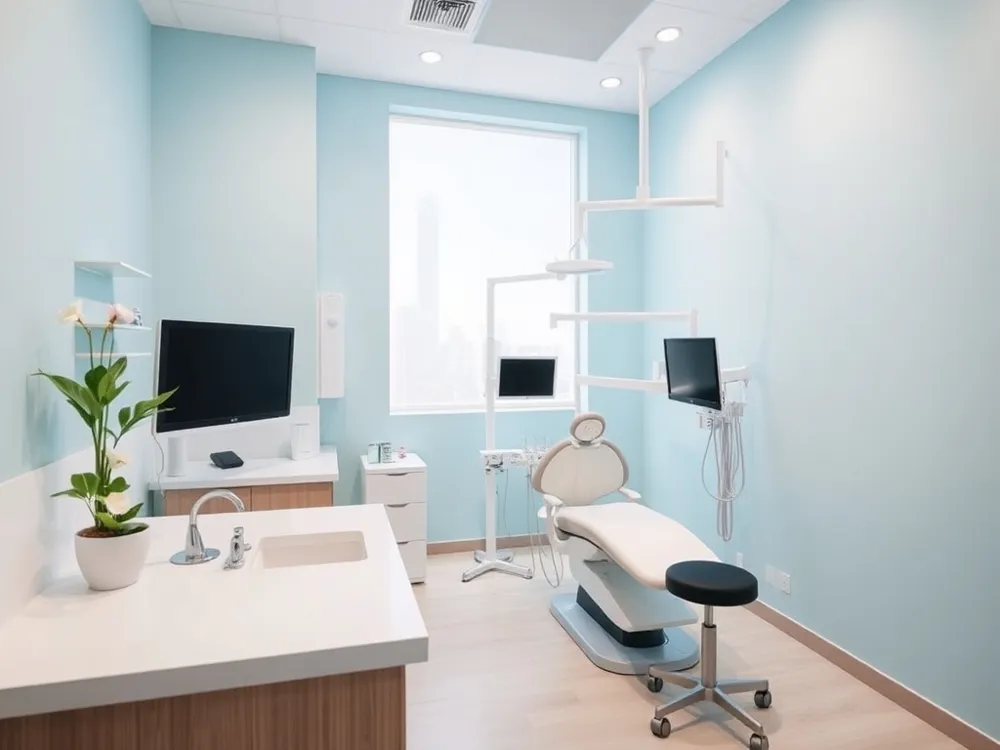
Cosmetic Dentistry: Aesthetic Enhancements with Real Health Benefits
The idea that cosmetic dentistry is only for improving appearance is one of the most persistent myths. In reality, procedures like dental veneers, crowns, and bonding are designed with your oral health in mind. For example, veneers can eliminate unsightly gaps between teeth, which helps prevents plaque and tartar buildup—a direct benefit for family oral health. Similarly, clear aligners do more than straighten your smile; they correct misaligned bites, which can prevent jaw pain and uneven tooth wear.
What Is the 50-40-30 Rule in Dentistry?
To understand how aesthetic goals align with function, consider the 50-40-30 rule. This is a guideline cosmetic dentists use to create natural-looking, proportional smiles. Essentially, when you look at a smile head-on, the two front teeth (central incisors) should ideally take up about 50% of the visible width, the teeth next to them (lateral incisors) about 40%, and the canines about 30%. At Best Choice Dental, we use such proven guidelines to design restorations that not only look beautiful but also preserve proper function, debunking the myth that cosmetic work is purely superficial.
Modern Procedures That Strengthen and Protect
Furthermore, treatments like dental bonding are not just for fixing a chipped tooth for looks; they actively strengthen the tooth structure itself. This restorative function is why modern cosmetic dentistry is considered a vital part of comprehensive oral healthcare. By correcting issues like misalignment or filling gaps, these treatments improve your ability to chew and speak, can motivate better hygiene habits, and protect weakened teeth from further damage.
| Feature | Aesthetic Benefit | Functional/Oral Health Benefit |
|---|---|---|
| Veneers | Corrects discoloration, shape, and minor gaps | Closes gaps to prevent plaque buildup |
| Clear Aligners | Straightens teeth for a more attractive smile | Corrects bite alignment to prevent jaw pain |
| Dental Bonding | Repairs chipped or cracked teeth | Strengthens damaged tooth structure |
| Crowns | Covers a misshapen or severely stained tooth | Restores strength and function to a weakened tooth |
Myth 2: Cosmetic Dentistry Is Painful (And Why Your Dentist Doesn’t Warn About Tongue Piercings)

Why Modern Cosmetic Procedures Are Surprisingly Comfortable
The fear of pain is a leading reason patients avoid dental care. However, modern cosmetic dentistry has transformed the experience. Today, many procedures are designed to be minimally invasive and virtually pain-free. For instance, in-office teeth whitening requires no drilling or anesthesia, and dental bonding is often completed in a single, comfortable visit by simply applying a resin to fix minor chips or gaps.
Advanced Technology for Gentle Care
Your comfort is a top priority. Dentists now use advanced anesthetic techniques and offer modern sedation options to manage anxiety for more complex procedures like veneers or implants. Surprisingly, many cosmetic procedures involve less intervention than typical restorative work. A professional whitening session needs no shots, and minimal-prep veneers require only a tiny layer of enamel adjustment, all performed under local anesthesia to ensure a painless process.
What Secrets Might Your Dentist Not Tell You About Tongue Piercings?
While promoting comfortable cosmetic care, it is worth noting that tongue piercings, often chosen for aesthetic appeal, frequently cause chipped teeth, gum recession, and infections. Dentists may not always highlight these risks, but the majority of piercings lead to dental damage. This reality underscores that even non-cosmetic oral accessories can be much more invasive than modern cosmetic treatments designed with your health and comfort in mind.
| Common Concern | Myth (Pain) | Fact (Comfort) |
|---|---|---|
| Teeth Whitening | Damages enamel | Safe with gum protection; no drilling needed |
| Dental Bonding | Requires anesthetic | Painless, quick, single-appointment |
| Veneers | Aggressive tooth shaving | Minimal 0.3–0.5 mm prep; local anesthesia |
| Post-op Soreness | Long recovery | Milder than restorative work; subsides in days |
Myth 3: Cosmetic Dentistry Is Too Expensive (And the Legal Risks Behind It)
Affordable Options for Every Smile
The myth that cosmetic dentistry is prohibitively expensive is outdated. Advances in technology have made many treatments surprisingly affordable. Quick, impactful options like professional teeth whitening and dental bonding are often quite budget-friendly. For more comprehensive work, our practice tailors detailed treatment plans to fit your budget and offers flexible financing options and in-house membership plans. Additionally, some procedures that improve function, like repairing a cracked tooth with a crown, may be partially covered by insurance. To make your investment last, consider a simple, no-cost habit: the 3-3-3 rule for brushing. This recommends brushing 3 times a day, for 3 minutes each session, and replacing your toothbrush every 3 months. It’s a proactive way to protect your smile and maintain results.
Choosing Expertise to Avoid Hidden Costs
There is a surprising legal reality that underscores the importance of choosing the right cosmetic dentist. Research shows that prosthodontics, a core cosmetic specialty focused on restorations like crowns and implants, faces the highest rate of dental malpractice lawsuits (32.4%). This statistic highlights that while cosmetic procedures are safe and effective when performed by an expert, poor technique can lead to complications and additional expenses. Choosing an experienced, qualified dentist minimizes risks, ensures you receive high-quality care, and protects your long-term oral health, making your investment a sound one.
| Aspect | Cosmetic Dentistry Fact | Benefit to You |
|---|---|---|
| Affordability | Options exist for every budget (whitening, bonding). | Accessible treatments without financial strain. |
| Financing | Flexible payment plans and membership programs are available. | Manageable costs for comprehensive procedures. |
| Insurance | Some functional procedures may be partially covered. | Reduced out-of-pocket expenses. |
| Maintenance | The 3-3-3 brushing rule helps protect results. | Simple, no-cost habit to extend longevity. |
| Expertise | Prosthodontics has the highest lawsuit rate, underscoring the value of a skilled dentist. | Avoiding complications and long-term costs through expert care. |
Myth 4: Cosmetic Dentistry Damages Teeth or Looks Fake
Does Cosmetic Dentistry Damage Natural Teeth?
Modern cosmetic dentistry prioritizes preserving your natural tooth structure. Techniques like placing porcelain veneers require only a very thin layer of enamel preparation, typically about 0.3 to 0.5 millimeters. Professional teeth whitening is also completely safe for enamel; dentists use carefully formulated agents and protective barriers for your gums, unlike over-the-counter products which can cause sensitivity. When performed by a qualified professional, these procedures maintain the health of your smile while enhancing its appearance.
Will My Results Look Fake or Unnatural?
Today's cosmetic dentistry focuses on creating natural-looking results. High-quality materials like porcelain and composite resin closely mimic the translucency and texture of natural enamel. Furthermore, advanced technologies such as digital smile design and 3D imaging allow dentists to create personalized treatment plans that complement your unique facial features. The goal is to highlight your best features for a balanced, harmonious appearance that doesn't look like "dentistry."
Can Cosmetic Work Actually Strengthen My Teeth?
More than just looking good, many cosmetic treatments provide restorative benefits. For example, dental bonding and crowns are designed to protect and strengthen weakened tooth structures. Procedures like veneers can also eliminate gaps between teeth, which helps prevent plaque and tartar buildup and improves overall oral hygiene. Cosmetic dentistry thus enhances your smile while actively contributing to better long-term oral health. | Concern | Fact | Modern Solution | |:---|:---|:---| | Damage to enamel | Minimally invasive techniques | Ultra-thin veneers (0.3–0.5mm prep); safe professional whitening | | Fake-looking results | Natural appearance prioritized | Porcelain/composite mimic enamel; digital smile design customizes look | | Weakening teeth | Strengthening and protection | Bonding and crowns reinforce structure; veneers prevent plaque buildup |
Myth 5: Cosmetic Dentistry Results Are Short-Lived or Not for Everyone
Are cosmetic dentistry results truly long-lasting?
Many believe the benefits of cosmetic dentistry are temporary, but the reality is quite different. With proper care, many treatments offer impressive longevity. For instance, dental implants are designed to be a permanent solution, integrating with your jawbone and lasting a lifetime. Similarly, porcelain veneers can easily last 10 to 15 years or longer. The key to maximizing the lifespan of any cosmetic procedure is maintaining excellent oral hygiene, including regular brushing, flossing, and professional check-ups.
Is cosmetic dentistry only for a certain age or gender?
Absolutely not. Cosmetic dentistry is for everyone. Older adults can see remarkable benefits; professional teeth whitening, for example, can make a smile look five to ten years younger. Procedures like dental implants are excellent for maintaining facial structure and functionality at any age. Both men and women routinely undergo treatments like whitening, veneers, and implants to improve their smile and confidence.
Who is a good candidate for cosmetic dental work?
Most people with healthy gums and good underlying bone structure are excellent candidates for cosmetic dentistry. The first step is always a thorough exam, ensuring any underlying issues like gum disease or cavities are treated before cosmetic work begins. This ensures a safe, successful, and lasting outcome.
Cosmetic dentistry is a worthwhile investment that goes beyond just aesthetics. It boosts self-confidence, improves oral health, and enhances overall quality of life, making it a valuable choice for a wide range of patients.
| Common Concern | Fact | Procedure | Typical Longevity with Care |
|---|---|---|---|
| Only for aesthetics? | Enhances oral health & function | Dental Implants | Lifetime |
| Results look fake? | Modern materials create natural beauty | Porcelain Veneers | 10-15+ years |
| Too painful? | Gentle techniques & sedation available | Teeth Whitening | Touch-ups needed |
| Only for the wealthy? | Affordable options & payment plans | Dental Bonding | Several years |
| Short-lived results? | Durable with proper care | Clear Aligners | Varies |