A Checkup After Time Away
After a long gap, booking a dental check-up can feel like a step into the unknown. But feeling fine does not confirm that everything is healthy, and a missed appointment does not mean a problem has developed. A dentist can assess your actual oral health and explain any findings.
A check-up may include an examination of your teeth, gums, and mouth, along with a professional cleaning. The dentist can then recommend next steps based on your needs, rather than assuming everyone requires the same care. NHS guidance on dental check-ups notes that the timing of visits depends on oral health and risk.
At Best Choice Dental in Totowa, patients can discuss their concerns and receive personalized care in a family-oriented practice offering comprehensive dental services.
What the Visit Can Reveal
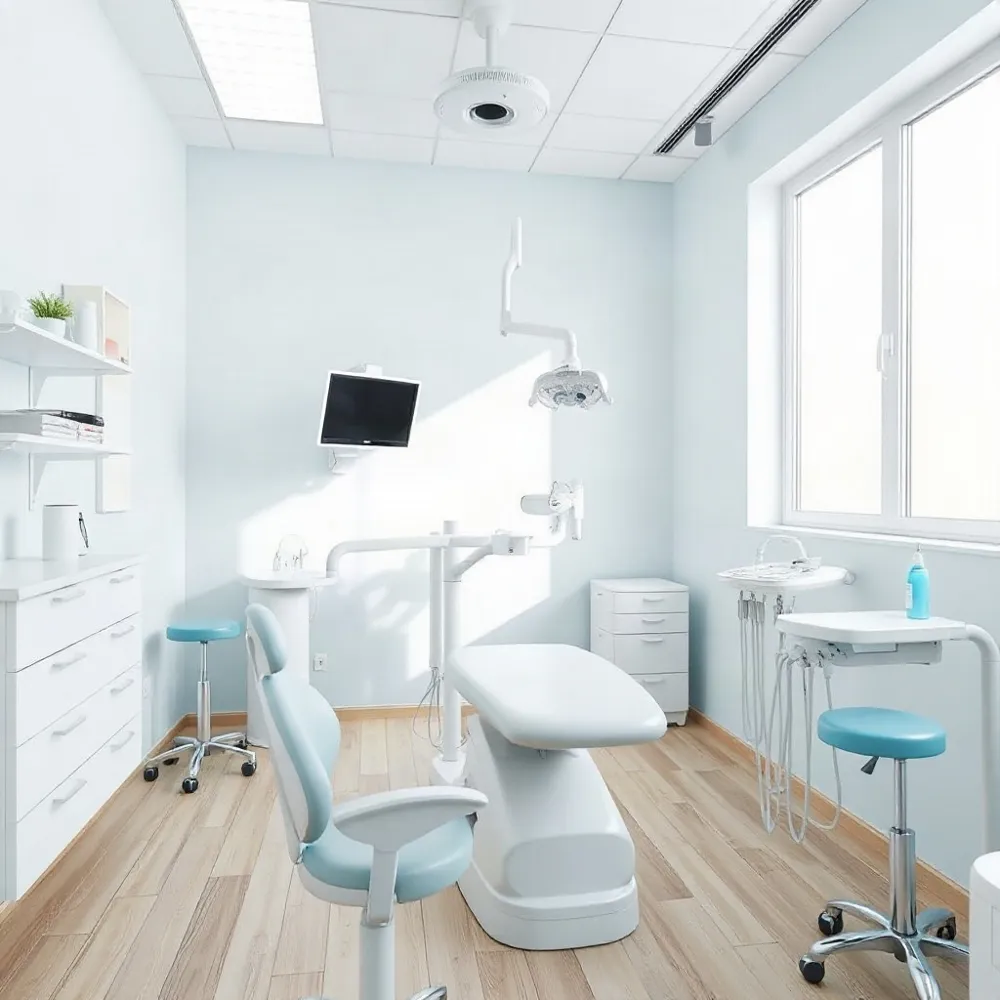 A routine checkup commonly combines a professional cleaning with the dentist’s examination. The team may review your health and oral-health history first, then a hygienist or dental assistant cleans and polishes your teeth. The dentist examines your mouth, discusses what they find, and recommends follow-up care if needed. For more detail on the usual dental checkup process, see our guide.
During cleaning, the dental professional removes plaque and tartar that brushing and flossing may leave behind. The dentist may assess your teeth and gums and look at the soft tissues of your mouth. A checkup can help identify concerns before they are obvious to you, but findings are not a diagnosis until your dentist evaluates them.
X-rays are not automatic at every visit. Your dentist considers your dental history, current oral health, age, risk factors, and symptoms before recommending images. You can ask why an X-ray is appropriate and how it may help assess a concern or plan care.
The dentist may also check oral tissues for unusual sores, lumps, or patches and recommend further evaluation if something needs closer attention. Screening is not a diagnosis or a guarantee of early detection, so tell a dental professional about persistent symptoms rather than waiting for your next routine appointment. NHS guidance on dental check-ups advises contacting a dental practice when problems arise between scheduled visits.
Appointment length varies with the cleaning, examination, imaging, and any additional needs. When scheduling with Best Choice Dental, ask how much time to allow and share any anxiety or comfort concerns. The practice provides care for patients of all ages, with recommendations tailored to individual needs.
Why Early Attention Matters
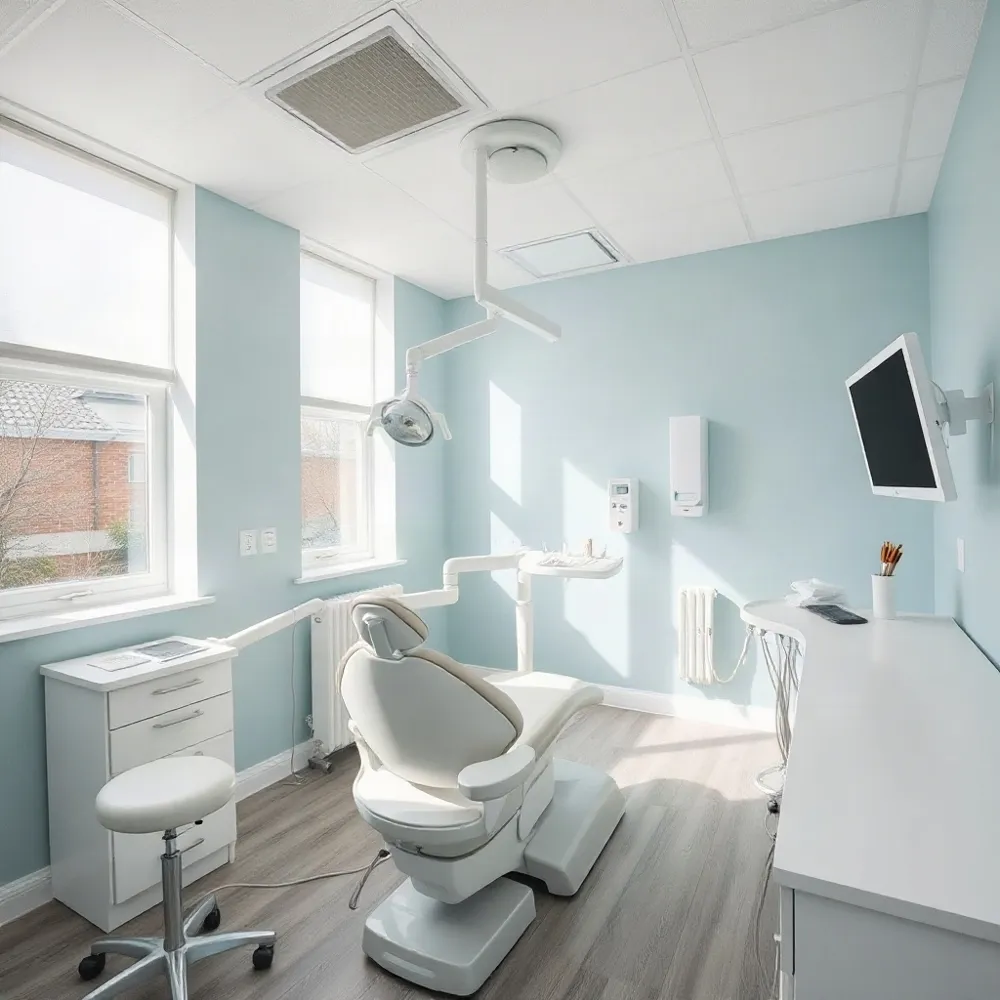 A long gap between visits does not mean a dental problem has developed, but feeling well cannot confirm that everything is fine. Cavities and gum disease can start with few or no noticeable symptoms, so an examination can help distinguish healthy tissue from changes that need attention. This is one reason regular dental check-ups matter even when nothing hurts.
Finding decay early may leave a dentist with simpler options, such as a filling. If it progresses deeper into the tooth, treatment could involve a crown, root canal, or extraction. These are possibilities, not guaranteed outcomes, and an exam helps the dentist explain what, if anything, is needed.
Gum inflammation may also advance without obvious discomfort. If it worsens, disease can damage the bone that supports teeth and may contribute to loose teeth or tooth loss. An assessment can identify gum changes and help guide appropriate care before they become more disruptive.
The dentist may also notice enamel erosion, small cracks, or other changes that are not easy to spot at home. At Best Choice Dental, patients can discuss their findings and care options with a family-oriented team that provides comprehensive dental services and personalized attention.
Gum disease has been associated with concerns such as heart disease and diabetes, but these associations do not prove that missed check-ups cause those conditions. The NHS guidance on dental check-ups emphasizes that visits help identify oral problems and that the appropriate timing depends on a person's needs. After time away, an examination is a way to learn whether care is needed, not a reason to assume that something is wrong.
Choosing a Personal Visit Schedule
About every six months is a familiar schedule for dental check-ups and cleanings, but it is not a rule for everyone. The NHS guidance on dental check-ups says the return interval should reflect a person’s oral health and risk of future problems.
Active gum disease, a history of cavities, or other risk factors may call for closer monitoring. People with stable oral health may be advised to return less often. A Cochrane review of check-up intervals found that the best timing can vary, so a dentist’s assessment matters more than following a fixed calendar.
Best Choice Dental offers comprehensive care for patients of all ages, allowing the team to consider your current oral health and personal needs when discussing a schedule.
Planning for Cost and Coverage
The cost of a dental check-up depends on what the appointment includes. An examination, cleaning, and any X-rays may be priced differently, while treatment recommended after the exam can involve separate charges. There is no single self-pay total that applies to every visit.
Without insurance, ask Best Choice Dental for current self-pay pricing, what the visit includes, and whether payment options are available. Checking these details before scheduling can help you plan without assuming that a routine appointment covers every service.
Dental plans differ in the preventive services they cover, how benefits are counted, and whether they set a minimum interval between cleanings. Cleanings do not always have to be six months apart for insurance purposes, but the policy determines whether an earlier visit is covered or leaves an out-of-pocket cost. Check your plan documents or contact your insurer before booking.
Coverage rules are separate from clinical advice. If your dentist recommends a cleaning sooner than your plan allows, ask the insurer about the coverage before booking.
Sharing Health Information for Safer Care
A clear health history helps the dental team tailor care to your needs and consider your safety and comfort. At Best Choice Dental, sharing this information supports personalized planning as part of the practice’s care for patients of all ages.
What medical history should you share before dental treatment?
Tell the team about current and past health conditions, significant illnesses, surgeries, and any recent changes in your health. Share allergies and previous reactions to medicines or anesthetics, even if they happened years ago.
Bring a current list of prescription and over-the-counter medicines, vitamins, and supplements, including GLP-1 drugs. Mention relevant dental procedures and any complications or difficult recovery. If your care involves a primary-care clinician or specialist, provide their contact information when relevant so the dental team can coordinate questions about your care.
An accurate history can help the dentist consider your circumstances before recommending treatment. The NHS describes a check-up as a chance to ask about general health and discuss problems since the last visit in its dental check-up guidance. Ask what a proposed procedure involves, raise concerns about comfort, and discuss what recovery may require. Best Choice Dental’s family-oriented practice provides a setting to share those concerns and discuss care suited to your needs.
Starting Children With Preventive Care
 A child’s first dental visits can make the office feel familiar before treatment is needed. Parents can ask about brushing, flossing, fluoride, and other home routines, then adapt that advice as the child grows. Best Choice Dental in Totowa provides family-oriented care for patients of all ages, so children can receive preventive attention alongside the rest of the family.
Check-ups also give the dentist a chance to follow how teeth and jaws develop. The exam may identify cavities or concerns with tooth position and bite, allowing parents to discuss whether further assessment is appropriate. Cleanings and age-appropriate preventive care can help protect teeth, while the dentist recommends when the child should return.
The first visit is generally recommended when the first baby tooth appears or by a child’s first birthday, according to NHS dental check-up guidance. After that, the interval should reflect the child’s individual needs, and the dentist can advise on how often check-ups are appropriate.
Turn the Lesson Into a Next Step
Putting off a check-up cannot tell you whether your teeth and gums are healthy. An examination can provide a clearer picture and help determine whether any follow-up is appropriate. If you have persistent pain, sensitivity, swelling, or bleeding, contact a dental professional rather than waiting for a routine visit.
If you are ready to return to care, consider scheduling with Best Choice Dental in Totowa. As a family-oriented practice serving patients of all ages, the team can discuss your concerns and help make the visit feel comfortable and personal. Sharing what has changed since your last appointment can help the dental team understand your needs and explain possible next steps.