A Visit With a Clear Purpose
A routine dental check-up is more than a quick look at your teeth. It gives the dental team a chance to monitor your teeth and gums, identify concerns that may not be easy to notice at home, and offer practical guidance for caring for your oral health. Finding problems early may make them easier to address.
A typical visit combines a professional cleaning with an examination by the dentist. During the cleaning, a hygienist removes plaque and hardened tartar, then polishes the teeth. The dentist checks the teeth and gums, reviews any relevant images, and discusses findings and care options. MedlinePlus explains the usual parts of a dental exam, including that X-rays are taken only when appropriate.
The exact steps depend on your oral health, history, and concerns. At Best Choice Dental, a family-oriented practice in Totowa, care is provided for patients of all ages, with attention to individual needs and comfort. You can ask questions or mention sensitivities so the team can take them into account during your visit.
Starting With Your Health History
 Check-in may include updating forms about your dental and medical history. The office may ask about medications, allergies, health conditions, and any symptoms or concerns you want the dentist to know about. Best Choice Dental in Totowa provides care for patients of all ages, so sharing relevant details helps the team take your circumstances into account when planning a visit.
Health information can affect which care is appropriate and what precautions may be helpful. Tell the team about current mouth discomfort, changes in your health, or medicines you take, and ask questions if anything is unclear. MedlinePlus explains what a dental exam may involve, including how a dentist discusses findings and care options.
To prepare, confirm your appointment details and arrive with time to update paperwork if needed. Bring relevant health and insurance information, along with a current medication list if you have one. Jot down questions or symptoms so you remember to mention them. These are useful steps, not requirements for every patient.
If dental visits make you or your child anxious, let the team know before care begins. Best Choice Dental’s family-oriented practice can discuss comfort needs and explain what to expect, helping patients feel informed before the examination or cleaning starts.
What Happens During the Cleaning
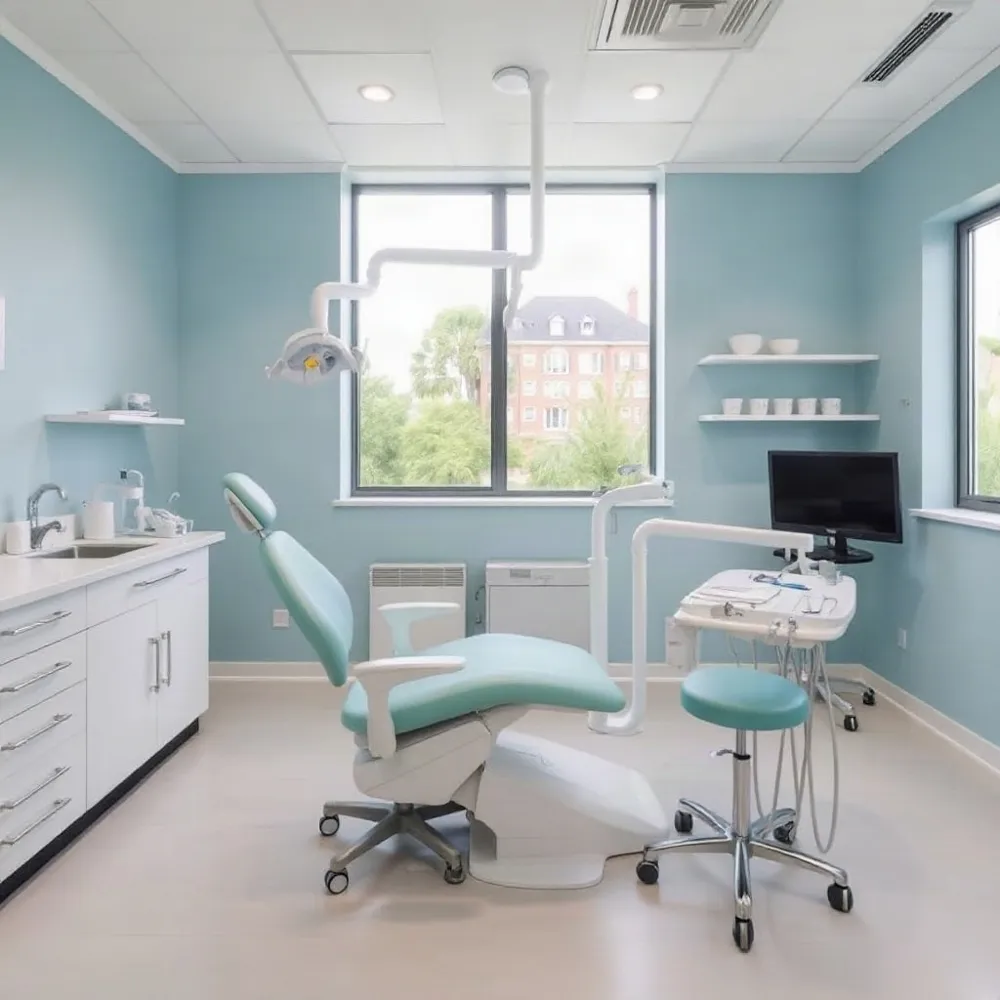 A routine visit often includes both a professional cleaning and a dentist’s examination, but they serve different purposes. The hygienist focuses on removing buildup from the teeth, while the dentist assesses oral health. The two services are commonly scheduled together, though an exam can take place without a cleaning.
During scaling, the hygienist or dental professional uses small instruments to remove plaque and hardened tartar from tooth surfaces and along the gumline. Tartar is firm buildup that brushing and flossing alone cannot remove. Professional cleaning is preventive care, helping clear areas that can be difficult to reach at home. MedlinePlus explains the parts of a dental exam and cleaning.
After scaling, the teeth are generally polished with a rotating tool and a mildly gritty paste, then flossed between the teeth. The hygienist may also offer practical guidance on brushing and flossing based on what they observe. At Best Choice Dental, preventive care is part of a family-oriented practice serving patients of all ages, with attention to individual needs and comfort.
Some cleanings may include fluoride or dental sealants when appropriate. Fluoride can help prevent cavities, while sealants protect the grooves on back teeth where food and bacteria may collect. These treatments are commonly considered for children and teens, though some adults may benefit from sealants. They are not automatically part of every cleaning, and the dental team can explain whether either option suits the patient.
Patients can ask the hygienist to explain each step or share any concerns during the appointment. Best Choice Dental provides care for children and adults, so the team can tailor preventive guidance and discuss options such as fluoride or sealants according to the patient’s circumstances.
The Dentist’s Examination
After the cleaning, the dentist reviews the hygienist’s observations and examines the teeth and gums. The goal is to look for concerns such as decay, gum inflammation, worn or damaged teeth, and other changes that may need attention. A dental examination can help identify issues and guide a conversation about prevention or further assessment, though an exam alone does not confirm every diagnosis.
The dentist may also check how the upper and lower teeth meet and assess jaw movement. The examination can extend beyond the teeth to the tongue, throat, and other soft tissues. An oral-cancer screening may include looking for and gently feeling for unusual lumps or changes in the mouth, lips, face, or neck.
If images were taken during the appointment, the dentist may review them alongside the visual examination. X-rays can show concerns that are not easy to see directly, but whether they are appropriate depends on the patient’s individual needs and the dentist’s professional judgment.
When X-Rays May Be Recommended
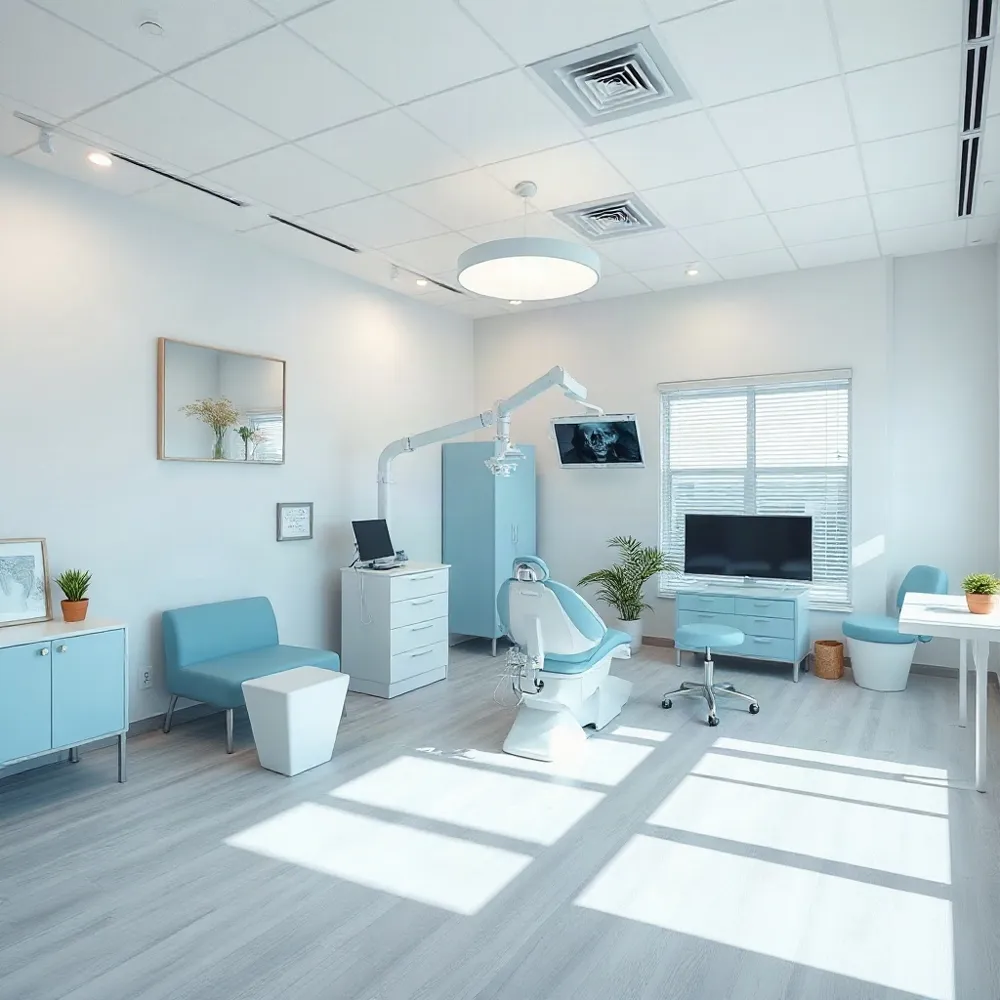 Dental X-rays are not automatically part of every routine visit. The dentist considers your oral health, dental history, and current needs before recommending images. At Best Choice Dental, care is personalized to each patient, so you can ask what the dentist is looking for and how imaging may inform your care.
An X-ray can show areas that a visual examination may not reveal, including cavities between teeth, changes related to gum disease, or changes in the jawbone. The dentist uses these images alongside what they see during the exam, rather than relying on X-rays alone. MedlinePlus explains how dental exams and X-rays are used.
If imaging is recommended, ask why it is appropriate for your situation and whether the results could change the care plan. You can also discuss any concerns about radiation with the dental team. Tell the dentist if you are pregnant or might be pregnant, since that information can affect whether X-rays are recommended. The decision about imaging should be based on your individual needs and a conversation with your dentist.
Comfort During Routine Care
A routine check-up is usually not painful, though cleaning can involve scraping sounds or brief sensitivity. Dental exams also carry very little risk for most people. Knowing what sensations are normal can make the visit feel more predictable. MedlinePlus explains what a dental exam may involve.
Some pressure or gum tenderness may be more noticeable when there is hardened buildup or a long gap since the last cleaning. That does not mean patients should expect pain. At Best Choice Dental, care is provided in a family-oriented practice with attention to each patient’s comfort and needs.
Tell the hygienist or dentist if you feel discomfort, have sensitive teeth, or need a pause. The team can adjust, allow time to rest, and discuss suitable comfort measures. Sharing concerns early helps the visit proceed at a pace that feels manageable. Patients who want more ideas for easing worry can read these dental anxiety management techniques.
If you already have tooth pain, swollen or bleeding gums, or another ongoing concern, mention it before the examination rather than treating it as routine cleaning sensitivity. The dentist can assess the issue and explain what care, if any, is appropriate. A cleaning may leave gums temporarily tender, but discomfort that persists or worsens deserves follow-up.
Understanding the Time Needed
A dental checkup that includes both an exam and a cleaning is often scheduled for about 45 to 60 minutes, but that is a general estimate, not a guarantee. The appointment may take less or more time depending on the services and your individual needs. A routine dental visit may include a cleaning, an examination, and X-rays when appropriate.
A first appointment, or a visit after a long gap, may take longer. The dental team may need time to review your history, address questions, or assess areas that need closer attention. Cleaning time can also vary with the amount of plaque and tartar and whether additional preventive care is recommended. Best Choice Dental provides comprehensive care for patients of all ages, with recommendations guided by each patient’s needs.
When scheduling, ask the office how much time to allow and whether your appointment includes both a cleaning and an exam. Sharing any specific concerns in advance can help the team plan the visit. Best Choice Dental’s personalized approach means the appointment plan can reflect what is appropriate for you, while the actual time may still vary based on what the dental team finds.
Results and Possible Next Steps
Before you leave, the dentist should explain what the examination showed and make time for your questions. Recommendations may be as simple as adjusting brushing or flossing habits, or may include further evaluation, treatment, or a referral to a specialist. At Best Choice Dental, care is personalized to each patient, so the next step depends on the findings and your needs.
Some concerns can be addressed with more consistent home care and follow-up at a future visit. Cavities or more serious problems may call for a separate treatment appointment. The dentist can explain the options and what should happen next; MedlinePlus guidance on dental exams notes that some issues may respond to improved brushing and flossing, while others require treatment.
Ask for clarification if a recommendation is unclear, including why a procedure is suggested or whether a specialist should be involved. Understanding the findings can help you make an informed plan for your oral health.
Do not wait for your next routine check-up if you develop tooth pain, mouth discomfort, or swollen or bleeding gums. Contact a dentist promptly to discuss symptoms and arrange an appropriate assessment. These concerns can have different causes, and a dental professional can advise whether you need to be seen sooner.
Scheduling and Staying Ahead
Even careful brushing and flossing cannot reveal every change in the mouth. Regular dental visits let the care team monitor teeth and gums over time and may help identify concerns before they worsen. MedlinePlus explains how routine dental exams support prevention and early detection.
For many people, check-ups about every six months are common guidance, but that interval is not right for everyone. The dentist considers current oral health, medical and dental history, and other risk factors when recommending a schedule. At Best Choice Dental, care is provided for patients of all ages, with recommendations shaped around each person’s needs.
Some patients may benefit from visits more often, including people with gum disease or frequent cavities. Certain health conditions, medications that cause dry mouth, smoking, or pregnancy may also affect how often an examination is advised. Ask the dentist what timing makes sense for your situation, and contact the office sooner if you notice tooth pain, mouth discomfort, or swollen or bleeding gums rather than waiting for the next routine appointment.
Keeping a regular schedule gives the dental team a chance to compare changes from one visit to the next and adjust preventive advice as needed. Best Choice Dental’s family-oriented practice serves children and adults, so families can discuss individual schedules with their dental team instead of assuming everyone needs the same interval.
Costs and School Forms
The cost of a routine dental visit depends on what it includes and how your dental plan handles those services. An exam and cleaning may be billed differently from X-rays, fluoride, or treatment recommended after the dentist reviews your mouth. Coverage and out-of-pocket costs vary by plan, so check your benefits and ask the office what charges to expect before care.
If you do not have insurance, ask the dental office for its current self-pay estimate and whether the exam, cleaning, and any imaging are priced separately. With insurance, review your plan documents and confirm how the practice will bill the planned services. Estimates can help you prepare, but the final amount depends on the care provided and your plan’s terms. For general guidance on how insurance affects dental costs, see this overview of dental coverage and treatment costs.
Families arranging care at Best Choice Dental can ask about expected charges before an appointment, including whether a proposed service is separate from a routine exam and cleaning. Clear questions at scheduling can help you understand what is planned before treatment begins.
Can a dentist complete a child’s school dental form?
A dentist can examine a child and may be able to complete a school dental form, depending on what the school asks for. Bring the paperwork to the appointment and contact the dental office beforehand to confirm that the requested examination and documentation can be provided.
School requirements, accepted forms, and deadlines can differ. Caregivers should check directly with the school about the required examination date and documents, then confirm those details with the dental office when scheduling. Bringing the form along helps the dental team see what information needs to be recorded.
A Personalized Approach to Prevention
A check-up brings together a professional cleaning, an examination, and a conversation about any concerns or changes you have noticed. The dentist can explain findings and discuss care options, helping you understand what may be needed and what can wait. MedlinePlus explains the parts of a dental exam.
At Best Choice Dental in Totowa, patients of all ages receive comprehensive care shaped around their needs, with attention to comfort and clear communication. Share questions, sensitivities, or worries during your visit so the team can address them and explain recommendations.
Follow the dentist’s guidance about any treatment and when to return. The right timing can depend on your oral health and individual risk, so ask what schedule makes sense for you or your child. A clear plan helps connect routine prevention with the care that supports your health over time.