Introduction to Restorative Dentistry and Its Importance
Understanding Restorative Dentistry
Restorative dentistry focuses on repairing and replacing damaged or missing teeth to restore oral health and functionality. Common procedures include dental bonding, crowns, bridges, fillings, dentures, and implants. These treatments aim not only to improve the appearance of your smile but also to restore critical functions like chewing and speaking.
Why Restoring Oral Health Matters
Restoring damaged teeth helps maintain proper bite alignment, preventing shifting of neighboring teeth and avoiding further complications. Addressing oral health issues promptly can reduce jaw discomfort and protect against bone loss, ensuring the mouth’s structural integrity.
Benefits of Restorative Treatments
Beyond aesthetics, restorative dentistry enhances chewing ability, supporting digestion and clear speech. It also reduces risks related to systemic health issues such as diabetes and heart disease by maintaining good oral hygiene and eliminating infections. With modern materials that mimic natural teeth, restorative procedures offer comfort, durability, and a boost in confidence.
Comprehensive Family Dental Care at Best Choice Dental

What types of dental services does Best Choice Dental offer for families?
Best Choice Dental provides a broad spectrum of dental services designed to meet the unique needs of families. Their offerings include routine check-ups, cleanings, and preventive care to help maintain excellent oral health across all ages. For children and teenagers, they emphasize age-appropriate treatments and dental education to foster strong, lifelong oral hygiene habits. Adults and seniors can access cosmetic procedures, restorative work such as crowns and implants, and periodontal care aimed at preserving and enhancing their smiles. This comprehensive approach ensures that every family member receives personalized, comfortable care tailored to their individual needs.
How does Best Choice Dental ensure dental care is suitable for all age groups?
Best Choice Dental caters to all age groups by creating individualized treatment plans that address the specific needs of each patient at every stage of life. Early dental care is prioritized for children, focusing on prevention and education. Teenagers and adults benefit from services like orthodontics, restorative procedures, and cosmetic enhancements. Seniors receive attentive care for age-related dental issues including gum disease and tooth loss. The clinic employs advanced technology and kid-friendly amenities, ensuring a stress-free experience for younger patients. Flexible scheduling, including evening hours, further supports consistent dental care for busy families.
What is the emphasis on preventive and restorative dental health at Best Choice Dental?
Best Choice Dental places strong emphasis on both preventive and restorative dental health to ensure lasting oral wellness. Preventive care helps catch potential issues early through regular exams and cleanings, reducing the risk of cavities and gum disease. When restoration is needed, the practice offers modern, tooth-colored fillings, crowns, bridges, implants, and root canal therapy to repair and replace damaged or missing teeth. These treatments not only restore function and aesthetics but also help prevent further dental complications. Patients benefit from a holistic approach that supports healthy, confident smiles throughout life, featuring the benefits of restorative dental treatments.
The Advantages and Impact of Restorative Dentistry

How Does Restorative Dentistry Improve Oral Aesthetics and Restore a Natural Smile?
Restorative dentistry offers procedures such as bonding, bridges, and crowns that repair damaged or missing teeth. These treatments help restore a natural smile restoration, correcting discoloration, gaps, and structural damage. Modern natural-looking dental materials used closely mimic natural teeth, enhancing the overall smile and supporting healthy gums for an attractive and youthful dental look.
In What Ways Does Restorative Dentistry Enhance Chewing Function and Speech?
By repairing or replacing compromised teeth, improving chewing efficiency is achieved, which is essential for proper digestion and nutrition. It also corrects enhancing speech with restorative dentistry difficulties caused by missing or damaged teeth. Procedures like dentures and dental implants restore tooth function, allowing patients to eat and speak comfortably and confidently.
How Does Restorative Dentistry Prevent Dental Complications Such as Misalignment and Jaw Discomfort?
Prompt restorative dental treatments prevent teeth from shifting into empty spaces after tooth loss, maintaining proper alignment and avoiding crooked smiles. Root canals and jaw pain relief caused by infected or misaligned teeth, distributing bite force correctly to reduce stiffness and headaches.
What Role Does Restorative Dentistry Play in Preserving Bone Structure and Reducing Systemic Health Risks?
Dental implants and facial structure support and preserve jawbone integrity, preventing bone loss that can affect facial structure. Maintaining oral health through these procedures reduces risks associated with systemic conditions like diabetes, heart disease, and stroke. Eliminating dental infections through restorative care helps protect overall health.
How Does Restorative Dentistry Boost Patient Confidence and Overall Well-Being?
A restored, healthy smile can significantly increase self-esteem and promote mental well-being. Benefits of restorative dental procedures improve dental appearance, comfort, and function, giving patients confidence in social and professional settings. Additionally, modern restorative treatments are designed for patient comfort, fostering a positive experience and encouraging long-term oral health maintenance.
Modern Restorative Procedures Utilized in Family-Oriented Care

What modern technologies are used by Best Choice Dental to provide oral healthcare?
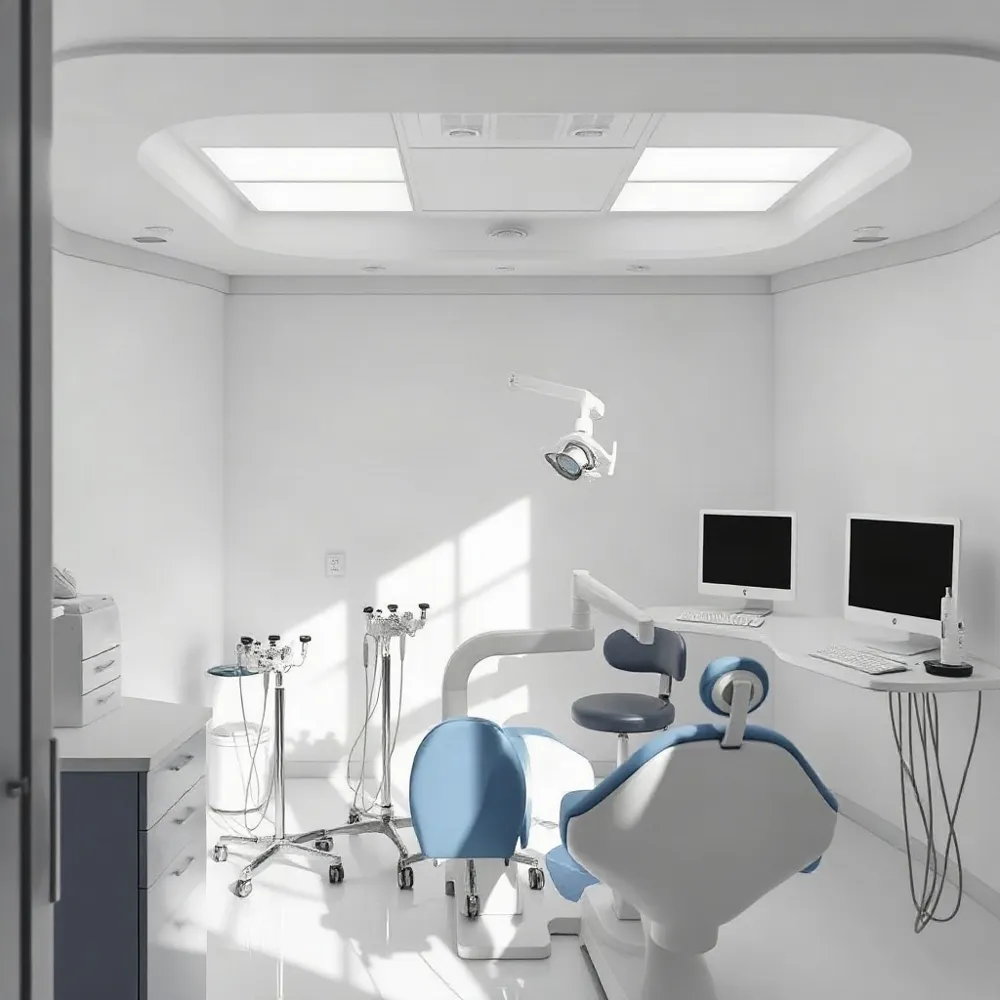
Best Choice Dental in Totowa, NJ, integrates state-of-the-art technology to enhance both diagnosis and treatment effectiveness. They employ digital imaging tools including intraoral 3D scanners, digital radiographs, and intraoral cameras to provide clear, detailed images that improve diagnostic accuracy and patient understanding.
Innovative techniques such as same-day crowns using Glidewell technology allow patients to receive durable crowns quickly and conveniently. Laser technology is also used for periodontal therapy to increase patient comfort and reduce recovery time. Oral cancer screenings with OralID™ fluorescence technology help with early detection of abnormalities. Cone beam CT scans provide detailed 3D imaging, essential for planning complex restorative treatments like implants.
Popular procedures such as crowns, bridges, implants, fillings, and dentures
Restorative dentistry at family-centered practices includes a comprehensive suite of treatments tailored to restore tooth function and appearance. Crowns protect and strengthen damaged teeth while preserving natural structure. Bridges replace one or more missing teeth by anchoring to adjacent teeth or implants, helping to maintain proper alignment. Implants offer a gold-standard solution for tooth replacement by integrating with the jawbone to provide lasting support.
Fillings, particularly tooth-colored composite types, repair cavities discreetly to preserve aesthetics. Dentures and partials restore full arches of missing teeth. When combined with implants, these prosthetics gain additional stability and comfort.
How these procedures contribute to structural and functional restoration
By repairing or replacing compromised teeth, restorative dental treatments improve chewing efficiency and speech. This supports digestion and overall health. Restorative procedures also reduce jaw discomfort by ensuring proper bite force distribution and prevent the shifting of adjacent teeth, maintaining facial symmetry and healthy gum tissue.
Bone grafting and sinus lifts to support implants and facial structure
Certain patients may require bone grafting to rebuild jawbone lost due to tooth resorption, preventing a flattened or sunken facial profile. Sinus lifts are used to increase upper jawbone height, allowing for secure implant placement. These advanced surgical procedures support the long-term success of implants and help maintain the natural contours of the face.
Through the combination of advanced technology and a broad range of restorative dental treatments, family dental practices like Best Choice Dental deliver personalized, comfortable care that restores both the function and beauty of smiles for patients of all ages.
Maintaining Long-Term Oral and Overall Health Through Restorative Dentistry

How does restorative dentistry prevent the progression of dental diseases and infections?
Restorative dental treatments treat damaged, decayed, or infected teeth swiftly, stopping issues from worsening. Procedures like fillings, crowns, and root canals eliminate infections, relieve pain, and protect teeth from further decay or fractures. Prompt care also prevents spread of infection to surrounding tissues, preserving oral health and reducing the risk of systemic complications.
What role does restorative dentistry play in preserving the jawbone and preventing tooth shifting?
Missing or damaged teeth can lead to bone loss in the jaw and cause adjacent teeth to shift, disrupting bite alignment and appearance. Restorative treatments such as dental implants fuse with the jawbone, maintaining bone density and structure. Crowns, bridges, and dentures help stabilize teeth, preventing unwanted movement and preserving facial structure.
How is oral health connected to conditions like diabetes, heart disease, and stroke?
Maintaining oral health through restorative dentistry reduces chronic inflammation and oral infections that may contribute to systemic conditions. Treating dental issues promptly lowers risks associated with diabetes, heart disease, and stroke, supporting overall wellness beyond the mouth.
Why is timely intervention important to avoid complex dental problems?
Delaying treatment can lead to worsened tooth damage, misalignment, and bone loss, which may require more extensive, complicated, and costly procedures later. Early restorative care minimizes progression, preserves health, and ensures easier management of dental conditions.
Restorative dentistry not only restores smiles but also plays a vital role in safeguarding long-term oral and overall health with timely, effective treatment that supports function and appearance.
Enhancing Quality of Life and Confidence with Restorative Dentistry
How Does Restorative Dentistry Impact Mental Health and Self-Esteem?
Restorative dentistry plays a vital role beyond oral health by significantly boosting patients' self-esteem and mental well-being. Improving the appearance of teeth through treatments such as crowns, bridges, and implants can restore a natural, attractive smile. This enhancement promotes greater confidence in social and professional interactions, contributing positively to a patient's psychological health and overall quality of life.
What Makes Modern Restorative Treatments Comfortable and Easy?
Advances in dental technology have made restorative procedures more comfortable and user-friendly. custom-fitting dentures and implants provide a natural feel and secure fit, minimizing discomfort. Additionally, the use of natural-looking dental materials that closely mimic natural teeth offers an aesthetic benefit without compromising comfort. These improvements encourage patients to seek timely care without fear or hesitation.
How Does Restorative Dentistry Support Families and Patients of All Ages?
Dental practices offering restorative care emphasize family-focused treatment, catering to the unique needs of all age groups. Pediatric patients may receive gentle treatments like stainless steel crowns and space maintainers, while adults can benefit from comprehensive procedures including full mouth reconstruction. This inclusive approach ensures the oral health and confidence of every family member.
How Are Treatment Plans Personalized for Best Functional and Aesthetic Results?
Each restorative dental plan is tailored to address the specific functional and cosmetic needs of the individual. Dentists assess factors such as bite, improving chewing efficiency, and aesthetic preferences to design a comprehensive plan. This personalized care approach results in improved oral function, enhanced smile appearance, and long-term dental health.
Conclusion: Embracing Restorative Dentistry for a Healthier, Confident Smile
Discover the Benefits
Restorative dentistry offers comprehensive repair and replacement of damaged or missing teeth, enhancing not just your smile but also your chewing, speech, and overall health. These treatments prevent further dental problems, preserve jawbone integrity, and provide natural-looking results that boost confidence.
Take Charge of Your Oral Health
Early and regular restorative care is essential to maintain dental function and avoid complex issues down the line. Prompt treatment ensures a comfortable, healthy smile that supports your well-being.
Choose Best Choice Dental
At Best Choice Dental in Totowa, NJ, your family’s dental needs are met with modern technology, personalized care, and a welcoming team. Committed to excellence, they provide convenient hours, flexible financing, and expert restorative services to keep your smile bright and healthy.