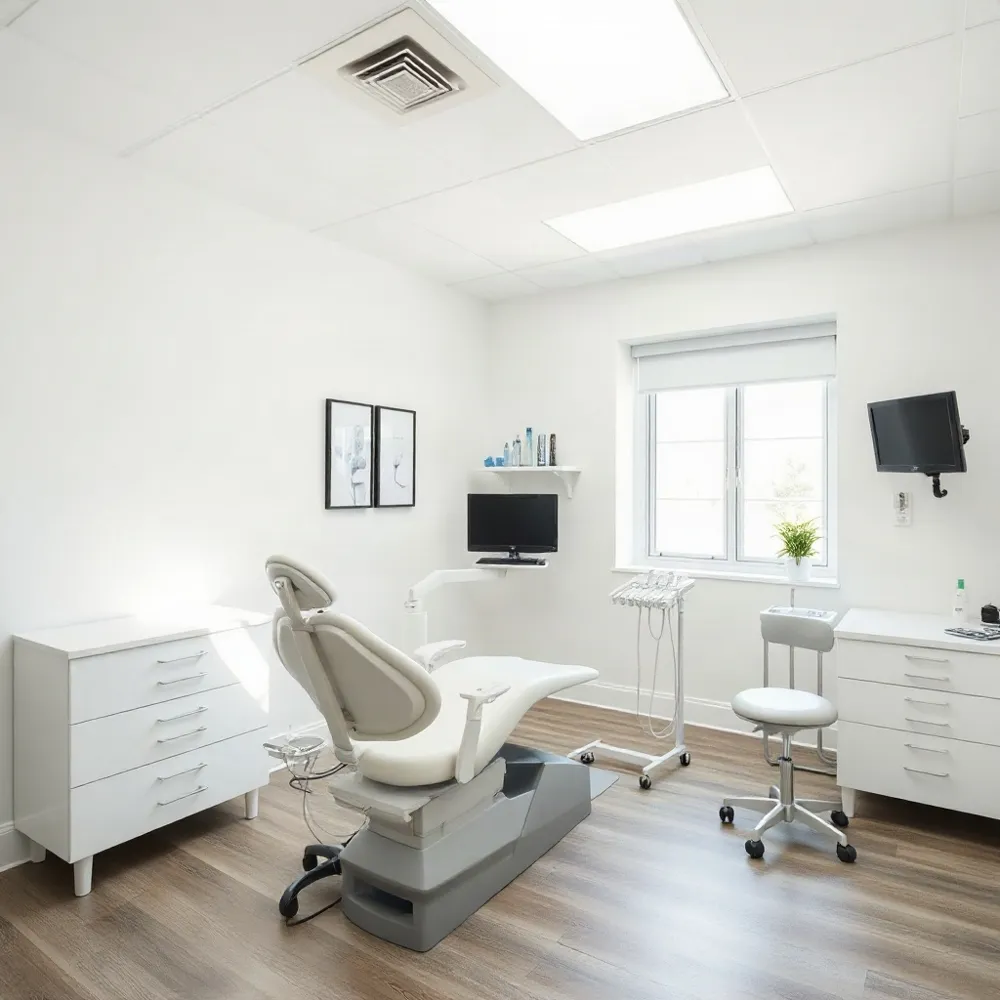
Building a Sense of Safety
Helping a child feel safe at the dentist is a shared goal for families and the dental team. Necessary care matters, but so does the child’s experience of receiving it. At Best Choice Dental, a family-oriented practice in Totowa, care is part of a broader approach to personalized, comfortable service for patients of all ages.
Unfamiliar sights, sounds, people, and tools can make a dental visit feel uncertain. A child may worry about what will happen, with distress appearing before leaving home, in the waiting room, or once they reach the chair. Early, positive visits can help make dental care more familiar over time, as discussed in this research on children’s dental fear.
Nervousness is not misbehavior. A child who cries, hesitates, or needs extra reassurance may simply need more time and support. Calm, patient communication helps adults understand what the child is feeling and lets the dental team respond to individual needs without adding pressure.
Start Dental Care Early
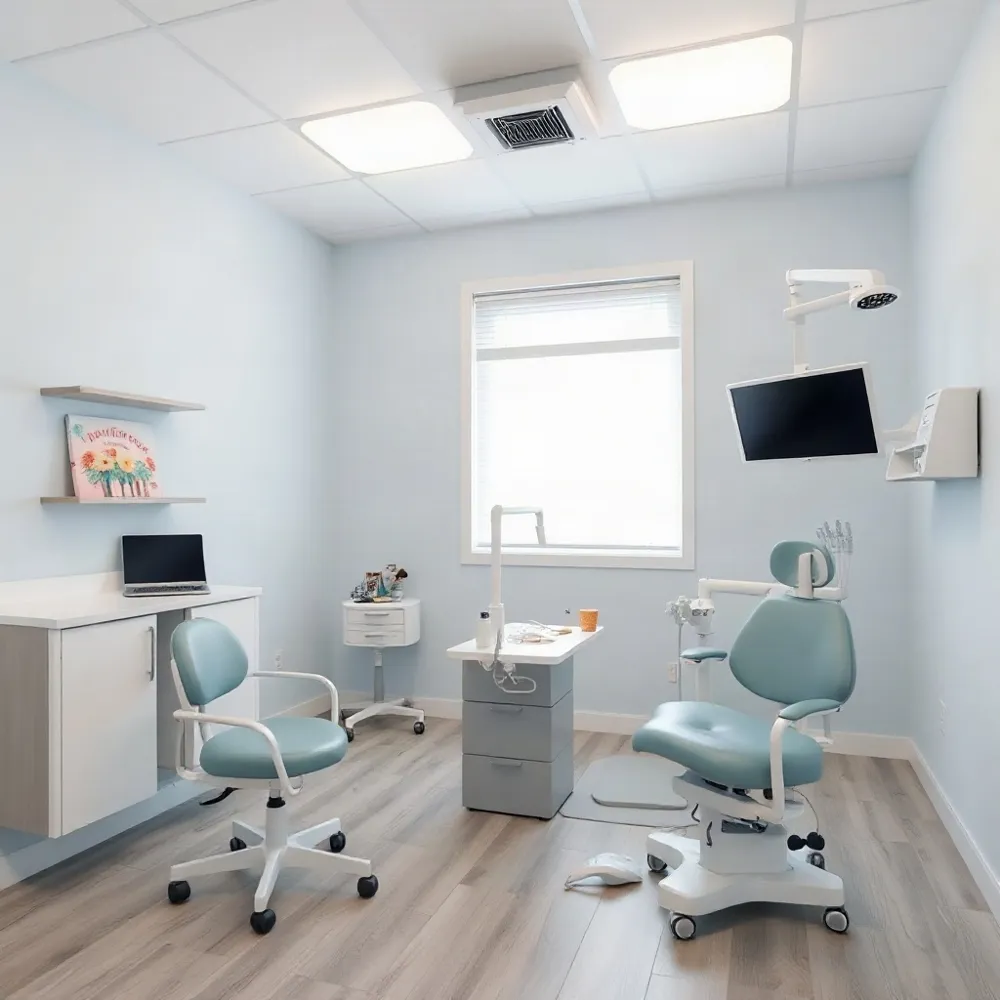 A child should have a first dental visit when the first tooth appears, and no later than the first birthday. This early checkup lets the dentist assess oral development, look for early signs of tooth decay, and answer caregivers’ questions about brushing, feeding, teething, and pacifier use. For more on timing, see our guide to starting dental care by the first birthday.
Early visits also give a child a chance to become familiar with the dental office before care is needed for a painful or urgent problem. A 2021 study of schoolchildren in Spain found that earlier first visits and more frequent dental visits were associated with less dental fear. The study was observational, so it cannot show that visits caused the difference, and its findings are not a US-specific estimate. The study supports offering calm, preventive care from an early age.
The first appointment is also a practical conversation with the dentist. Caregivers can ask about oral hygiene, diet and snacks, teething, and ways to reduce the risk of decay. ColumbiaDoctors’ guidance for a child’s first dental visit describes the visit as an opportunity to discuss these everyday concerns and check a child’s teeth and gums.
Children’s teeth do not all emerge on the same schedule, so informal eruption timelines are not a substitute for regular dental checkups. At Best Choice Dental, a family-oriented practice in Totowa, care for patients of all ages includes personalized attention and a focus on comfort. Choose an appointment time when your child is rested, describe the visit positively, and let the team know about any concerns. A little wiggling or crying can happen, and the dental team can help make the visit gentle and reassuring.
Prepare With Calm Familiarity
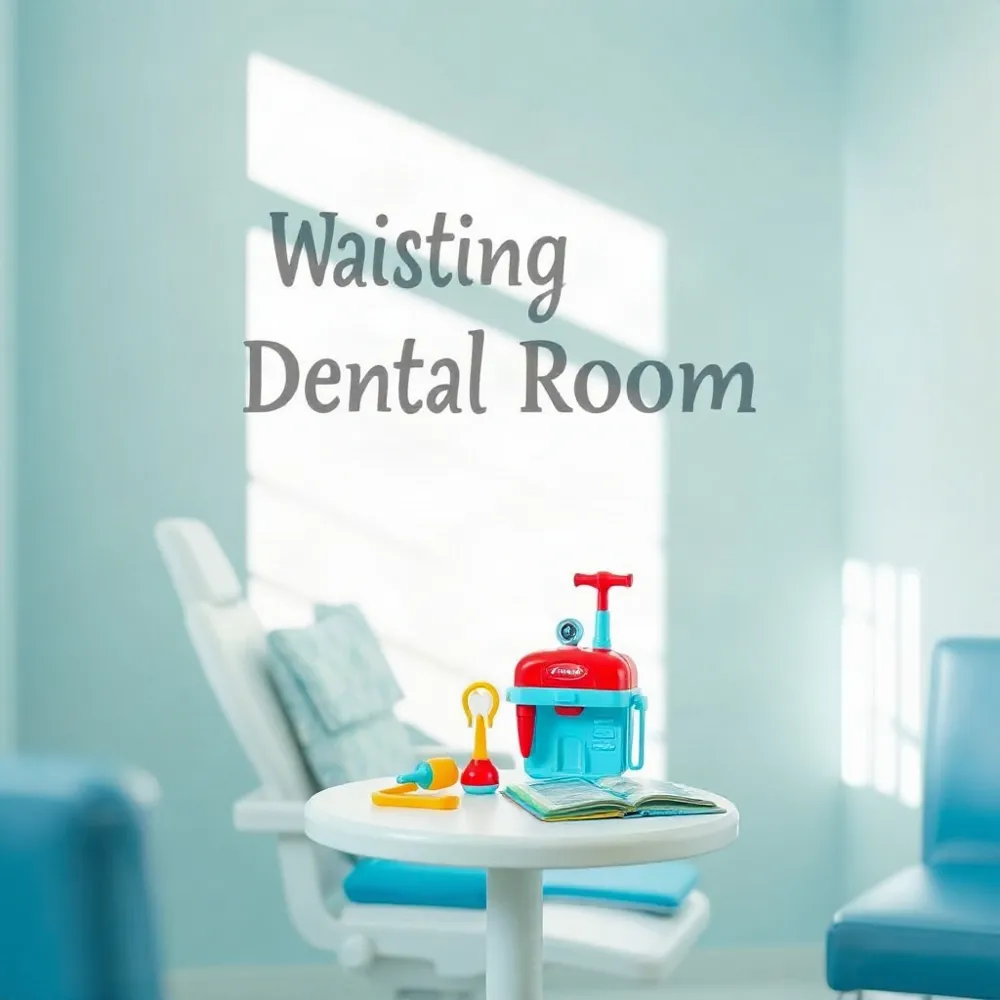 Simple preparation can make a dental appointment feel less unfamiliar. Tell your child that the dentist will count and check their teeth, using words that suit their age. Avoid frightening details and promises such as “this won’t hurt,” which can introduce worries rather than settle them.
Try reading a story about a dental visit, watching an age-appropriate video, or playing pretend dentist at home with a toothbrush and mirror. Your child can practice opening their mouth while you count their teeth. A calm, matter-of-fact tone helps; avoid using dental care as a threat, and remember that children may notice a caregiver’s tension.
Choose a time when your child is rested and has eaten, and ask whether they may bring a familiar toy or blanket. Invite them to ask questions or explain what worries them. Before the appointment, share those concerns and any difficult past experiences with the dental team. At Best Choice Dental, a family-oriented practice in Totowa, care is offered to patients of all ages, allowing families to discuss their child’s needs with a dental team familiar with their care.
During the visit, ask the team how you can support your child and what to expect as the appointment progresses. A calm explanation, a comfortable pace, and specific praise for trying or cooperating can help your child feel heard. Guidance on preparing children for a first visit also emphasizes clear explanations and avoiding surprises (ColumbiaDoctors’ preparation advice).
Make Treatment Predictable
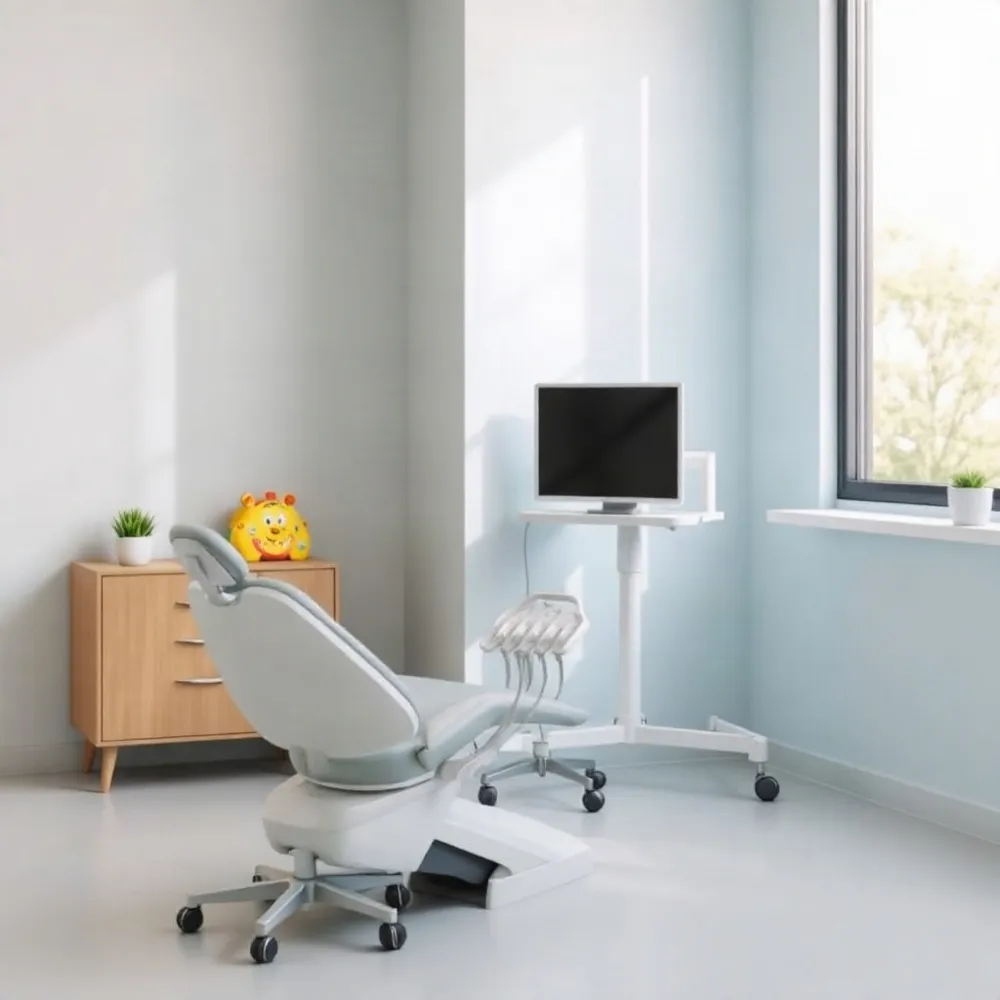 A filling can feel less daunting when a child knows the basic purpose of the visit. Explain simply that the dentist will clean and repair the tooth. Avoid adding unnecessary details or promising that it will not hurt, since you may not know exactly what sensations your child will notice.
Acknowledge nervousness without treating it as a problem: “It’s okay to feel unsure. You can ask questions.” Let your child know the dental team can explain each step in simple language. Best Choice Dental’s family-oriented practice in Totowa provides care for patients of all ages, so caregivers can share concerns and discuss how to make a child’s visit feel more comfortable.
At home, a short pretend visit with a toothbrush and toy, or a story about a dental appointment, can make the setting feel more familiar. Before treatment, tell the team about specific fears, sensory sensitivities, or a difficult past experience. A peer-reviewed review of approaches to childhood dental fear describes tell-show-do: explain a step, demonstrate it in a nonthreatening way, then proceed gently. The research on reducing dental fear in children discusses this kind of supportive, individualized care.
Ask the office what comfort measures or distractions may be available, and follow its guidance about what to bring or do during the appointment. Afterward, offer specific encouragement for an effort your child made, such as asking a question or sitting in the chair. For more ways to build trust during care, see behavior-management techniques that build trust and cooperation.
Treat Tooth Milestones as Estimates
The “3-3-3” and “7-4” descriptions are informal ways to talk about baby-tooth eruption, not universally recognized pediatric dentistry guidelines. Their meanings can vary. For example, “7-4” is sometimes used to suggest four teeth by about seven months.
Children’s teeth do not all appear on the same schedule, so these rules are not strict targets or diagnostic tools. A child who has fewer or more teeth than a rule suggests does not, by that fact alone, have a developmental problem.
Regular dental visits give the dentist a chance to monitor tooth development and answer questions about what is typical for your child. The American Academy of Pediatric Dentistry and American Dental Association guidance cited in a review recommends a first visit by the first birthday or when the first tooth appears. At Best Choice Dental’s family-oriented practice in Totowa, we offer a comprehensive range of dental services, including preventive, restorative, and cosmetic care, utilizing advanced technology such as digital X-rays and laser dentistry to ensure precise and comfortable treatments. Our team is committed to providing personalized, comfortable care, and caregivers can raise concerns during visits and seek advice tailored to their child.
If you are concerned about eruption timing or another aspect of development, ask a dentist rather than relying on a milestone rule. An individualized assessment can put the pattern in context and help determine whether follow-up is needed.
Discuss Anesthesia Individually
Is anesthesia safe for a young child who needs dental treatment? It can be appropriate for many children when the approach is chosen for their circumstances and delivered by qualified professionals with suitable monitoring. However, no type of anesthesia or sedation is risk-free, and the safest plan is an individual one.
The recommendation depends on a child’s age, health, medical history, the treatment required, and whether local anesthesia, sedation, or general anesthesia is under consideration. The dental team can explain which options may fit the situation and why. A method used for one child may not be right for another.
Very young children and children with complex medical conditions may need additional assessment. Depending on the child and procedure, the dentist may recommend consultation with a qualified anesthesia professional or care in a different setting. Families can learn more about medication and sedation options, while keeping the decision grounded in their own child’s needs.
Before agreeing to treatment, ask about expected benefits and risks, possible alternatives, fasting instructions, who will monitor your child, and what recovery may involve. Share a complete account of medications, allergies, current or recent illness, and any previous experience with anesthesia. These details help the care team assess the plan and discuss precautions.
At Best Choice Dental, personalized care means discussing a child’s needs with the family rather than assuming a particular approach will suit everyone. No specific anesthesia method should be presumed available or appropriate without that conversation with the dental professionals involved.
Build Confidence Over Time
A child’s comfort may grow through patient, clear communication and a series of calm or neutral visits, rather than one perfect appointment. Research on children in Spain found that more frequent dental visits were associated with less dental fear, though the study does not establish cause and effect or predict how any one child will respond (2021 study on children’s dental fear).
Tell the dental team early about worries, sensory sensitivities, or past difficult experiences so the approach can suit your child. Repeated intense distress, refusal of needed care, or difficulty tolerating an examination are good reasons to ask what individualized support may be appropriate.
Keeping preventive visits on track gives children opportunities to become familiar with the setting and team before a problem requires treatment. With time, those manageable experiences can help make future appointments feel more predictable.
Let Trust Grow With Each Visit
A child does not need to feel perfectly calm for a visit to count as progress. Sitting in the chair, asking a question, or simply meeting the team can be a meaningful first step.
At Best Choice Dental, a family-oriented practice in Totowa, parents can share concerns, comfort strategies, and questions with the dental team. Together, they can discuss care that considers both the child’s health and comfort.