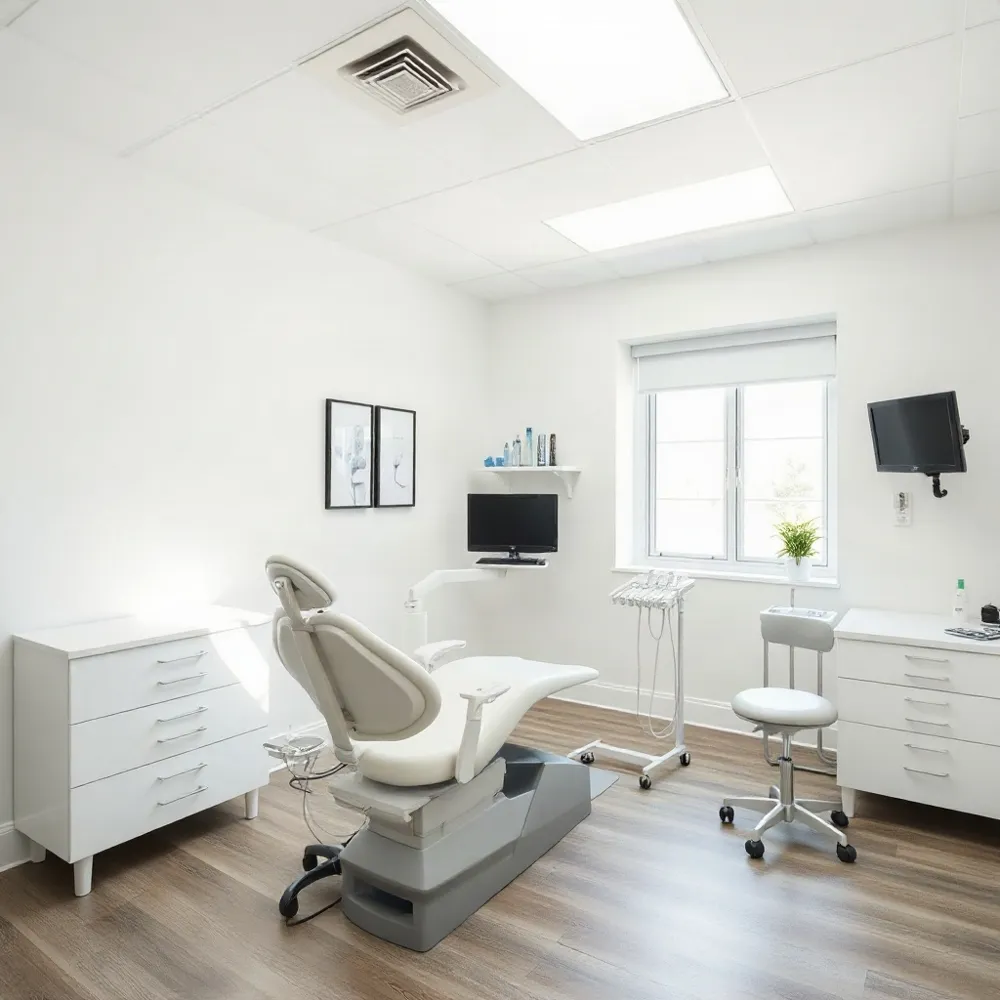
A Comfortable Start to Recovery
Tooth-colored composite fillings are hardened with a curing light during treatment, so the material is generally set before you leave the office. The appointment itself may include removing decay, placing the filling in layers, and checking how your teeth meet when you bite. A typical filling appointment often takes an hour or less, though the time varies with the tooth and the work needed.
Even when the filling is set, local anesthetic can leave your lip, cheek, or tongue numb for a while. Wait until sensation returns before chewing to avoid accidentally biting yourself. Temporary sensitivity to cold, heat, or pressure may also affect what feels comfortable; the treated tooth’s response can depend partly on the cavity’s depth.
At Best Choice Dental in Totowa, care is personalized for patients of all ages. This guide explains immediate aftercare, common symptoms, ways to protect a filling over time, and when it is sensible to contact a dentist for an evaluation.
What Happens During Treatment
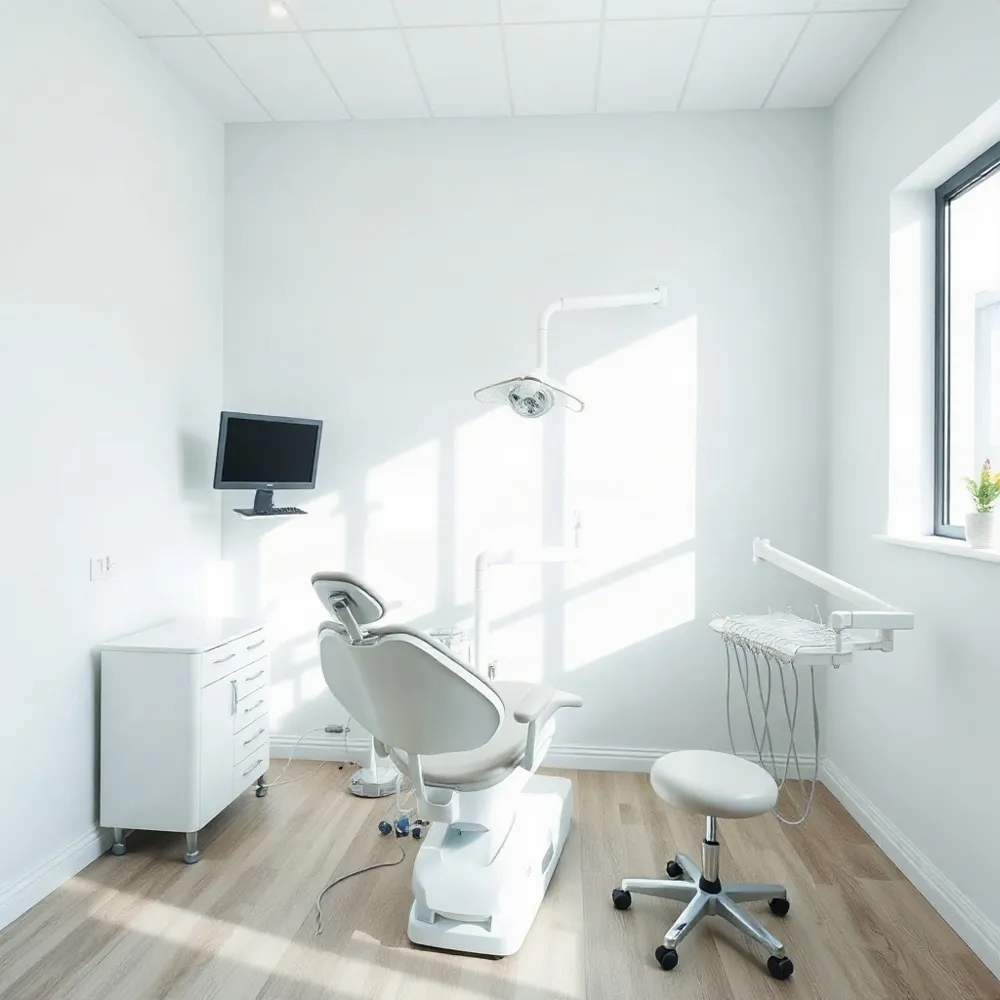 A filling visit starts with an examination, and the dentist may take X-rays to assess the cavity. The area is numbed when needed, decay is removed, and the tooth is cleaned before composite is placed and shaped. The dentist then checks how your teeth meet and adjusts the filling if needed. Learn more about what a restorative visit may involve.
Local anesthetic usually keeps the treatment comfortable. You may notice pressure or vibration while the dentist works, but sharp pain is a reason to speak up so the dentist can pause and address your comfort. Once the filling is placed, the tooth-colored material is hardened with a curing light. At Best Choice Dental, composite fillings are designed to blend with natural enamel, and the practice serves patients with personalized care.
How long does it take to get one or more cavities filled?
Plan for roughly 20 to 60 minutes per tooth, though the time depends on the cavity’s size and location. A small filling may take about 20 minutes, while a more involved or harder-to-reach cavity can take longer. Filling appointment times vary with the treatment needed, and treating several teeth usually adds time. Examination, numbing, decay removal, placement, shaping, and the bite check are all part of the visit.
Your dentist can give a more useful estimate after examining your teeth and discussing whether treating multiple cavities in one appointment suits your needs. If you feel sharp pain during treatment, let the dental team know rather than trying to tolerate it.
Eating Safely After Your Filling
 Composite fillings are hardened with a curing light during treatment, so they are generally set before you leave. You usually do not need to wait for the material to harden before eating, but you should wait until the numbness wears off. A filling appointment guide explains that composite is light-cured and that mild sensitivity may still follow treatment.
While your cheek, lip, or tongue is numb, chewing can lead to an accidental bite. Avoid hot foods and drinks, too, since reduced sensation can make it difficult to judge their temperature. The wait varies from person to person, so follow the instructions from your treating dentist rather than relying on a fixed timetable.
When sensation returns, begin with soft foods and chew gently, especially if the tooth feels tender. At Best Choice Dental, the team provides personalized care and guidance for patients receiving composite dental fillings, so follow the specific directions given for your treatment.
Notice how your teeth meet as you bite. If the filling still feels raised or your bite seems uneven after the numbness has resolved, contact the dental office. A dentist can assess whether the filling needs an adjustment.
Managing Temporary Sensitivity
 Mild sensitivity after a composite filling is common. You may notice it with hot or cold drinks, sweet foods, or pressure while chewing. A deeper restoration may leave the tooth more sensitive for longer, but discomfort should gradually ease rather than intensify.
For many people, symptoms improve over several days to one or two weeks, though recovery varies. While the tooth settles, chew on the opposite side and avoid very hot or cold foods and drinks if they trigger discomfort. Brush gently with a soft-bristled toothbrush; sensitivity toothpaste may also help.
An over-the-counter pain reliever may be an option if it is appropriate for you. Follow the package directions, and ask your dentist or pharmacist if you are unsure whether a medicine is suitable. At Best Choice Dental in Totowa, the dentist can assess your symptoms and recommend care based on the tooth and restoration.
Contact your dentist if sensitivity worsens, becomes sharp or painful when biting, or does not show improvement. An uneven bite or another issue may need attention, and symptoms alone cannot identify the cause. An individualized assessment can help determine whether the filling needs an adjustment or the tooth needs further evaluation. For background on temporary sensitivity after dental procedures, see the related guide.
Foods and Habits to Avoid Initially
While your mouth is numb, avoid chewing and hot food or drinks. Numbness can make it harder to feel a bite or temperature that could injure your lips, tongue, or cheeks. Composite fillings are set by the time you leave the office, but wait until sensation returns before chewing.
For the first few days, skip foods that are hard, crunchy, sticky, or chewy. Ice, hard candy, caramel, and taffy can put extra force on the treated tooth. If the tooth feels sensitive, avoid very hot or cold foods and drinks that trigger discomfort, and choose softer options while gradually returning to your usual diet as comfort allows.
Continue brushing and flossing after treatment, using gentle pressure around the restoration. If floss repeatedly catches or shreds near the filling, let your dentist know so the area can be checked. At Best Choice Dental, patients can discuss filling care with a team that provides comprehensive dental services and personalized care.
If your bite feels uneven, pain persists, or sensitivity worsens, contact the practice for an evaluation. For more on foods and habits to avoid while numb, see the related guidance.
Protecting the Filling Over Time
Tooth-colored composite fillings often last about seven to ten years, and some last longer. Their lifespan depends on the filling’s size and location, chewing forces, oral hygiene, diet, and habits such as grinding or chewing ice. Best Choice Dental’s composite filling information describes how the material bonds to the tooth, while routine care helps protect both the restoration and the surrounding enamel.
How long do tooth-colored fillings last?
Brush twice daily with fluoride toothpaste and floss every day, taking care to clean around the filling. Regular dental checkups let your dentist assess wear, cracks, or changes along the filling’s edges. These visits can help identify concerns before they require more extensive repair. Learn more about restorative dentistry treatments and materials.
Avoid using your teeth to open packages, biting your nails, or chewing ice and other hard objects. These habits can chip the filling or damage the remaining tooth. If you grind or clench your teeth, ask your dentist whether a custom nightguard may help reduce pressure on your teeth and restorations.
Contact a dentist if a filling feels rough, becomes sensitive, chips, cracks, or feels loose. An examination can help determine whether it needs adjustment or repair. At Best Choice Dental, patients can discuss changes they notice with a dental team that provides personalized care and a range of restorative services.
When Pain Needs an Evaluation
Mild sensitivity after a filling can be part of recovery, but it should gradually ease. Pain that persists or worsens, hurts when you bite, or returns months later deserves a dental evaluation. If you are unsure whether symptoms are improving, contact your dentist rather than trying to diagnose the cause at home.
When you call Best Choice Dental in Totowa, describe when the pain began and what brings it on, such as biting, heat, or cold. The dentist can examine the tooth and assess whether the filling affects your bite, the tooth is irritated or cracked, or decay or another problem may be involved. Symptoms alone do not establish a diagnosis.
Depending on the findings, care may involve adjusting the filling, further testing, or another treatment. Until the tooth is checked, avoid chewing on that side and stay away from temperature triggers if they cause discomfort. Do not try to file, reshape, or otherwise adjust the filling yourself.
Seek prompt dental care for severe or throbbing pain, swelling, fever, or a bad taste or discharge near the tooth. These symptoms can have different causes, so an examination is needed to decide what care is appropriate. Best Choice Dental provides comprehensive dental care for patients of all ages, with treatment guided by an individual assessment.
For more on how to distinguish expected, improving sensitivity from pain that needs attention, see when pain needs an evaluation.
Follow-Up Restorations and Lost Fillings
After root canal treatment, the next step is to protect the tooth with a final restoration. The timing and type depend on the tooth’s condition and how much healthy structure remains. At Best Choice Dental, restorative care includes both fillings and crowns, allowing the dentist to recommend an option suited to the tooth rather than applying the same approach in every case.
When is a permanent filling placed after a root canal?
A permanent filling may be placed during the root canal visit or at a follow-up appointment, once the dentist determines the tooth is ready. A tooth with limited damage may be restored with a filling, while one with more structural loss, especially a molar, may need a crown for added protection. Learn more about follow-up restorations after root canal treatment.
If you have a temporary filling, arrange the recommended follow-up promptly and ask when the final restoration should be completed. Delaying care may leave the tooth more vulnerable to leakage or fracture, so follow the instructions from your treating dentist.
How long does it take to replace a filling that has fallen out?
A lost filling may be replaced in about 30 to 60 minutes, but the time varies with its size and location and the tooth’s condition. The dentist will examine the area and may need to remove decay or recommend a different restoration if damage is more extensive. Contact a dentist promptly to arrange an assessment. Until then, avoid chewing on that tooth and choose softer foods to reduce further stress.
A Simple Plan for Peace of Mind
After a filling, wait until numbness has worn off before chewing to avoid biting your cheek or tongue. Then choose foods based on comfort, and brush and floss gently around the restored tooth. Composite fillings are set before you leave the office, though the tooth may remain sensitive; learn more about what to expect after a filling.
Mild sensitivity that gradually improves can be part of recovery. Contact your dentist if discomfort persists, worsens, or feels unusual, such as pain when biting or a bite that seems uneven. At Best Choice Dental, personalized care helps patients get guidance suited to their treatment and comfort.
Follow the instructions your dentist provides, since aftercare can depend on the tooth and restoration. Keep regular checkups so your dentist can monitor the filling and surrounding tooth. Consistent home care and professional attention help you address changes early and maintain your oral health.