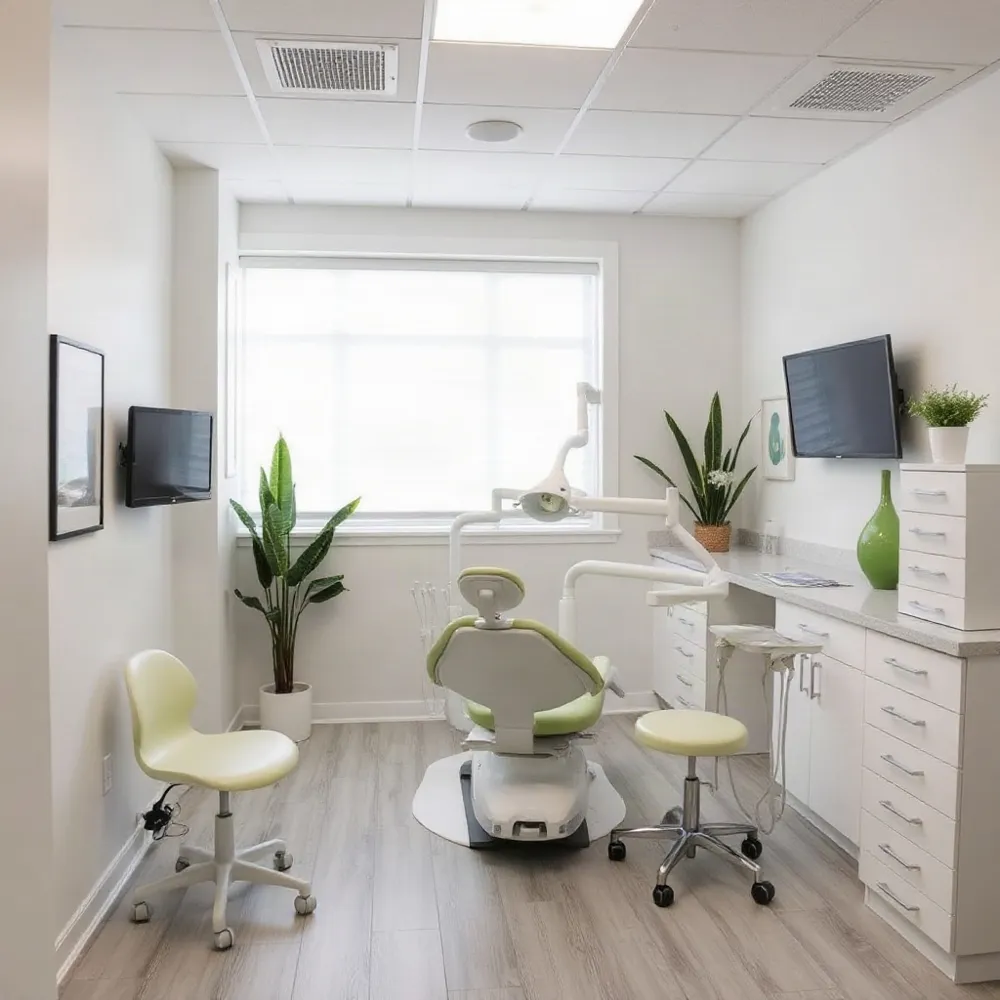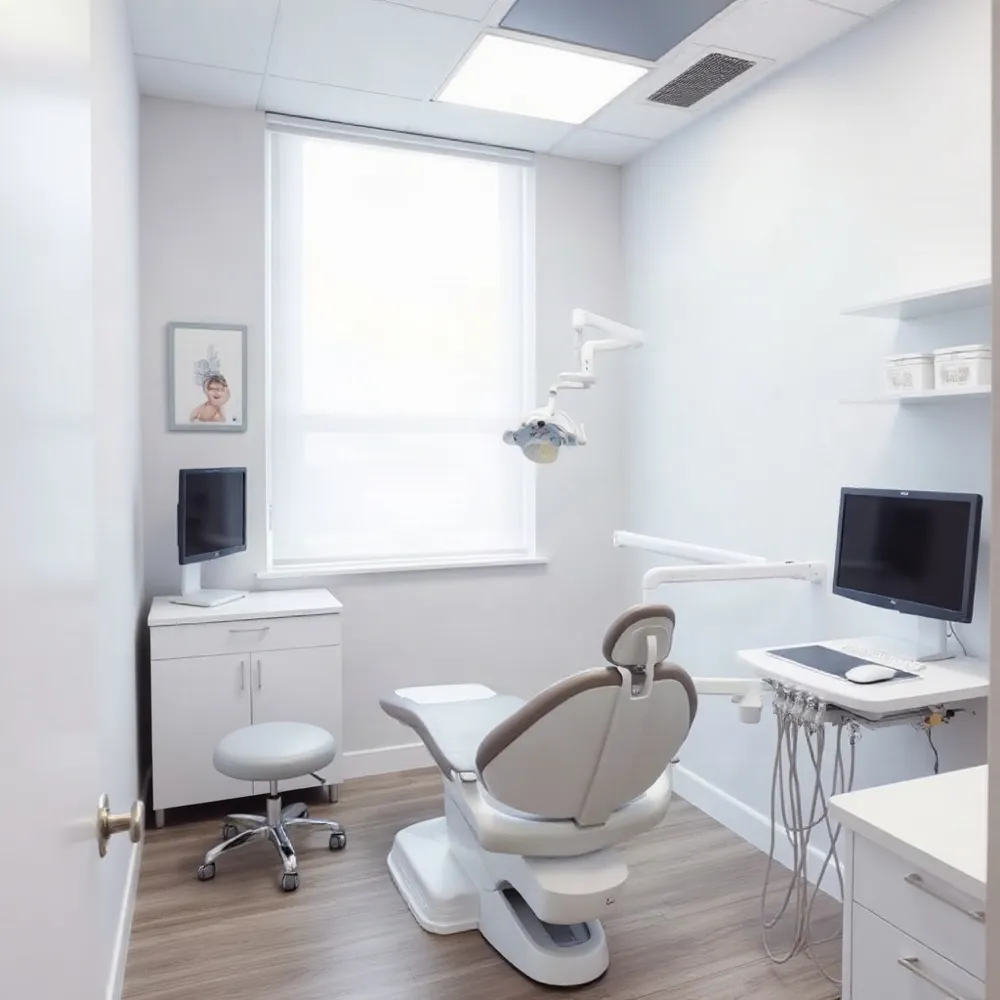
Understanding Crowded Teeth
Crowded teeth may overlap, twist, or sit tightly together when the jaw does not have enough room for them. The pattern can be subtle, such as a slight rotation, or involve a more pronounced lack of space. Crowding can affect children and adults, and its appearance alone does not show how complex treatment may be.
This article considers whether Invisalign may help, what factors influence its suitability, and why treatment decisions should follow an individual assessment. At Best Choice Dental in Totowa, a personalized evaluation can help clarify how tooth position relates to oral health and bite function, and which care options may fit the patient’s needs. A dental professional can assess the situation before recommending a treatment approach.
Crowding, Oral Health, and Safe Care
 Dental crowding means teeth sit too close together in the jaw and may shift in front of or behind one another. It can develop when the jaw is too small for the teeth, the teeth are large for the available space, or inherited traits affect tooth and jaw size. Crowding varies, so its presence alone does not mean treatment is necessary.
Overlapping teeth can be harder to brush and floss thoroughly. Food and bacteria may collect in tight spaces, potentially raising the risk of tooth decay and gum disease. Some people also experience chewing discomfort or premature tooth wear when teeth rub together, but these effects do not occur in every case.
Can crowded teeth be corrected at home?
Trying to move teeth with household items, rubber bands, or aligners that were not prescribed for you can injure teeth and gums or disrupt your bite. Avoid DIY methods and arrange an examination instead. At Best Choice Dental in Totowa, a family-oriented practice providing care for patients of all ages, a dental professional can assess your oral health and discuss whether correction is advisable.
The assessment may include an examination and, when appropriate, dental images or scans to understand tooth position and bite. An orthodontist or dentist can then explain suitable options, which may include braces or clear aligners. NHS guidance also notes that orthodontic assessment considers how tooth position affects eating and cleaning (braces assessment guidance). A personalized evaluation helps establish a safe plan without assuming that every crowded smile needs treatment.
If tight spaces make cleaning difficult, mention that at your dental visit. Best Choice Dental offers comprehensive dental care, so the team can consider both alignment concerns and general oral health when discussing next steps.
How Invisalign Moves Teeth
 Invisalign uses a series of custom-made, clear, removable plastic aligners that fit over the teeth. Each tray applies gentle pressure to move teeth in small increments toward positions mapped for the individual case. For more on how aligners work, see [a guide to Invisalign clear aligners](./exploring-advanced-dental-technologies-cerec-crowns-and-invisalign#invisalign-clear-aligners-discreet-comfortable-and-efficient-orthodontic-treatment).
A dentist or orthodontic provider develops the treatment plan after examining the teeth and bite. Digital planning can help map expected movement, but it does not replace an in-person evaluation. At Best Choice Dental in Totowa, personalized care is part of a family-oriented practice that offers comprehensive dental services; an exam can help determine whether aligners suit a patient’s needs.
Patients progress through a sequence of trays, changing aligners according to their provider’s instructions. Source information describes changes approximately every two weeks, but the schedule may differ by treatment plan. Small attachments or limited reshaping between teeth may sometimes be recommended to help create space or guide movement.
Consistent wear matters because aligners can only move teeth while they are in place. A typical schedule is 20 to 22 hours a day, removing the trays for meals and brushing, though the treating clinician should give the specific instructions. Regular check-ins allow the provider to assess progress, address fit concerns, and adjust the plan if needed.
Who May Benefit From Invisalign
Clear aligners may be an option for many crowded-teeth cases, including crowding in the lower teeth. At Best Choice Dental, treatment decisions can be considered alongside the practice’s broad dental care, with an individualized assessment of tooth positions, available space, bite, and overall case complexity.
Can Invisalign treat crowded teeth, including severe crowding or crowding in the lower teeth?
Mild or moderate crowding may respond to aligners, but more severe crowding or complex movements can call for a different plan. Attachments, extra aligners, or a way to create space may be considered; some cases may require tooth removal or braces. The NHS guide to braces explains that orthodontic assessment may include an examination of the teeth and jaws, along with X-rays, photographs, or scans.
A digital treatment plan can help show whether the proposed movements are suitable, but it does not guarantee a particular result. Best Choice Dental’s modern approach to care includes evaluating each patient’s needs rather than assuming that one type of appliance fits every case.
Who may not be a good candidate for Invisalign to treat crowded teeth?
People with severe crowding or significantly rotated teeth may need braces or another approach that offers more control. Active gum disease, untreated cavities, and other unresolved dental problems should also be addressed before orthodontic treatment begins.
Aligners require consistent daily wear, generally about 20 to 22 hours, as well as regular cleaning of both teeth and trays. Someone who finds those habits difficult may prefer to discuss alternatives. A dental or orthodontic evaluation, including digital planning when appropriate, can help clarify the options and support a comfortable, personalized decision.
Creating Space and Choosing Treatment
Treatment planning starts by assessing how much room the teeth need and how the bite fits together. At Best Choice Dental, a personalized evaluation may include an examination and X-rays or digital imaging when needed to assess tooth position and jaw relationships. Not every patient needs every type of image.
Traditional metal or ceramic braces are established options for crowding. In some cases, a dentist or orthodontist may recommend a custom-made wire or clear plastic appliance. The NHS guide to braces notes that braces may be recommended when teeth are crowded or their position makes chewing or cleaning difficult. Best Choice Dental offers comprehensive care for patients of all ages, allowing treatment recommendations to be considered alongside overall oral health.
An orthodontic plan may also need to create room for teeth to move. Depending on the case, a clinician might widen the dental arch or carefully reshape small amounts of enamel between teeth. These approaches are not suitable for everyone, so the choice depends on tooth and jaw size, the amount of crowding, and the health of the teeth and gums.
Extraction is not automatically required for crowded teeth. It may be considered when crowding is significant, a tooth is impacted, or there is not enough room to achieve a healthy, functional bite. If extraction is advised, it is often part of a broader orthodontic plan rather than a stand-alone correction. The goal is to choose an approach that supports comfortable function as well as alignment.
Treatment Costs and Practical Tradeoffs
 A useful cost estimate should reflect the treatment plan, not just the choice of appliance. The supplied general range for Invisalign is about $3,000 to $8,000, with many estimates between $4,000 and $7,500. These figures are broad estimates, not a quote from Best Choice Dental.
That makes $6,000 a plausible amount within the stated range, but it is not a standard price. The final cost depends on how crowded the teeth are, whether bite correction is needed, how long treatment takes, and whether refinements are part of the plan. Insurance may lower out-of-pocket costs, and payment plans may spread payments over time. Best Choice Dental provides comprehensive care in Totowa, so a consultation is the appropriate place to request a personalized estimate. For a broader comparison of treatment expenses, see cost comparisons for Invisalign and traditional braces.
What daily wear involves
Removable aligners are less noticeable than fixed braces and can be taken out for meals and cleaning. That convenience comes with routine responsibilities: patients are generally instructed to wear them for about 20 to 22 hours a day, removing them for meals and drinks other than water. After eating, clean your teeth before putting the trays back in, following your provider’s instructions.
Common complaints include pressure or tenderness when starting a new set and, for some people, a temporary lisp while adjusting. Trays also need regular cleaning and careful storage to avoid stains or loss. Because Best Choice Dental serves patients of different ages, a treatment discussion can take personal routines and comfort needs into account rather than assuming removable aligners suit everyone.
Missing wear time can slow progress, and each person’s experience differs. Invisalign should not be assumed to be faster or more comfortable for every case. An evaluation can help weigh its everyday demands against other treatment options and provide costs based on the specific plan.
Begin With a Personalized Evaluation
Clear aligners may correct many crowded-teeth cases, but the right approach depends on more than appearance. A dental professional can assess tooth position, bite, oral health, and whether there is enough room for teeth to move.
At Best Choice Dental, a family-oriented practice in Totowa, patients can discuss their concerns and treatment choices as part of personalized dental care. Ask about the expected plan, practical demands, and costs before deciding. The NHS guidance on braces also describes how an orthodontic assessment may include examining the teeth and jaws and reviewing images or scans.
An evaluation can clarify whether Invisalign or another option better fits your needs. With professional guidance, you can consider a comfortable, appropriate path toward improved alignment without assuming that one treatment suits everyone.