When a Tooth Needs Care
A chipped edge, a crack, new sensitivity, or a tooth that feels weakened can make everyday activities such as eating and smiling less comfortable. These changes may follow an injury or develop as a tooth wears down or decays. Even when damage seems minor, a dental assessment can clarify what is happening and whether treatment is needed.
The supplied sources do not document a named patient or a real individual case, so there is no verified personal story to tell. Instead, they offer general guidance: dental care starts with examining the tooth, understanding symptoms, and considering the extent of damage.
At Best Choice Dental, a family-oriented practice in Totowa, care is offered to patients of all ages, with treatment decisions shaped around each person’s needs and comfort. Depending on the findings, a dentist may recommend monitoring, a filling, bonding, or another restoration. The next sections explain how those choices are made and what natural remineralization can, and cannot, do.
Assessing Damage and Choosing a Restoration
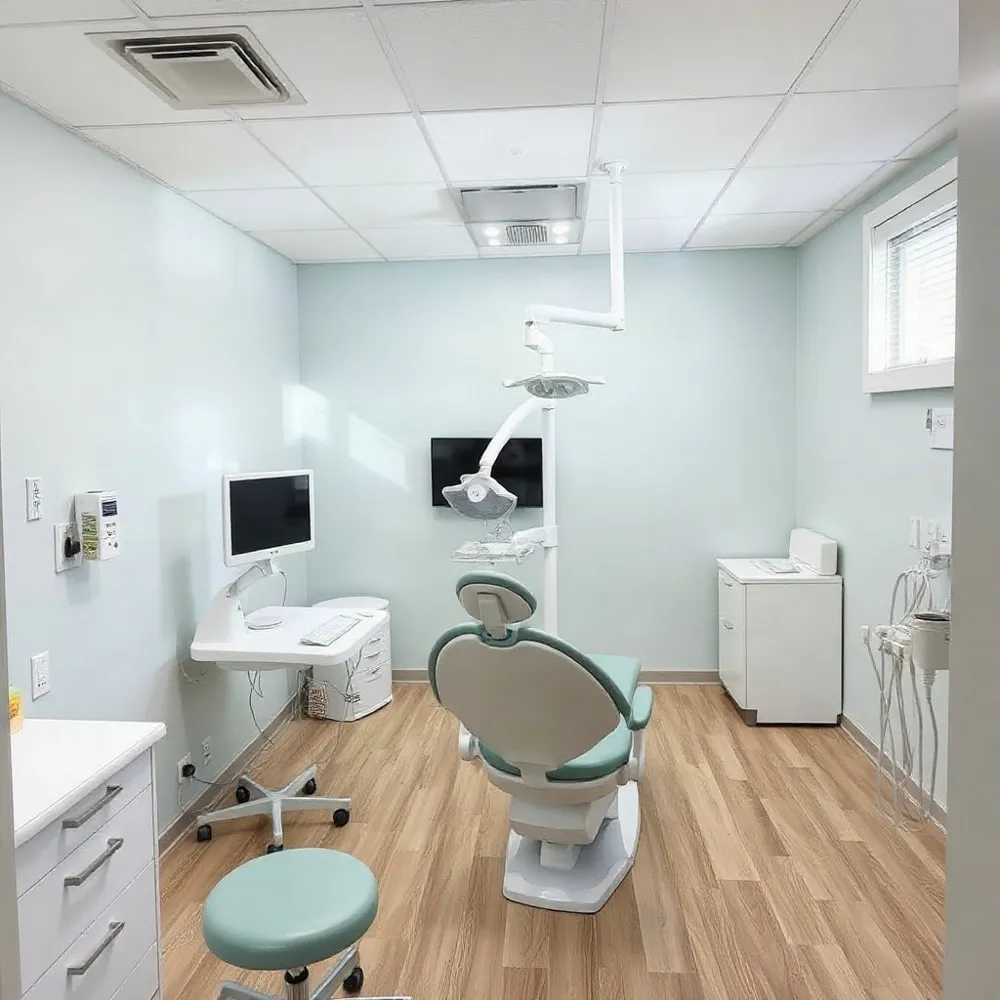 Restoration begins with an examination to assess the tooth and identify suitable care. After an injury, prompt dental assessment can help evaluate damage, guide treatment, ease discomfort, and reduce the chance of further problems. At Best Choice Dental, a family-oriented practice in Totowa, patients receive personalized care based on their oral health and goals. Learn more about assessing damage and choosing a restoration.
Restorative treatment repairs or replaces teeth affected by decay, damage, wear, or tooth loss. A filling may address a cavity, while bonding can repair some small chips. A crown can cover and protect a weakened tooth. Bridges and implants can replace missing teeth, and existing dental work may sometimes need repair or replacement.
Composite resin is commonly used for tooth-colored fillings. Crowns and bridges may be made from ceramic or porcelain, sometimes combined with a metal base; implants typically use a metal post to support a replacement tooth. The right material depends on the tooth’s location, the extent of damage, durability needs, and patient preference. Ceramic and porcelain can provide a natural-looking appearance.
To restore a tooth, a dentist prepares it as needed, then places the chosen restoration to help protect its structure and restore everyday function. Some care can be completed in one visit, while other treatments require additional appointments. Since remineralization can strengthen enamel that remains but cannot replace enamel already lost, it is different from dental restoration (hydroxyapatite and tooth remineralization).
What Natural Remineralization Can Do
Can a tooth repair itself naturally, or does it need dental treatment?
In the earliest stage of enamel weakening, saliva can replenish minerals in softened enamel. Acids produced when mouth bacteria feed on sugars contribute to mineral loss, while saliva helps restore some minerals. This process may strengthen enamel that remains, but it cannot regrow enamel that has been lost or fill a cavity.
Hydroxyapatite toothpaste may support remineralization of remaining enamel, but it does not replace missing tooth structure or repair a significant chip, crack, or fracture. Learn more about hydroxyapatite toothpaste and remineralization. Nutrition and daily oral care can support prevention, but they are not substitutes for treatment of established damage. Natural remineralization has limits.
For routine support, brush twice daily with a soft-bristled toothbrush, floss daily, drink water, and limit frequent sugary foods and acidic drinks. Regular checkups can help identify changes. Best Choice Dental provides care for patients of all ages, with treatment recommendations tailored to the tooth and the patient.
Arrange a dental evaluation if you notice a change or have pain. Damage can worsen even when it does not hurt. A dentist can assess whether preventive care or a restoration, such as a filling or crown, is appropriate. Until then, keep the area clean and avoid chewing hard foods on the affected tooth.
How Restoration Can Help Children and Adults
 Repairing a damaged tooth can help protect it from further decay or breakage while preserving its structure and function. Depending on the repair, it may also make chewing and speaking more comfortable. Tooth-colored materials can help a filling or bonding blend with the surrounding smile.
For children, dental injuries may include chipped or cracked teeth, teeth knocked out, or teeth shifted from their usual position. Falls, sports, and bike accidents are among the possible causes. A prompt dental assessment helps identify the damage and guide care. At Best Choice Dental, families can discuss treatment options as part of the practice’s care for patients of all ages.
What are the benefits of restoring a damaged tooth, including for children?
The right treatment depends on the tooth, the extent of the damage, and the child’s age and needs. Bonding may repair some chips or cracks, while a crown may be considered for more extensive damage. A filling can address minor to moderate damage or decay. If the pulp inside the tooth is infected or damaged, root canal treatment may help preserve it; extraction may be needed in some cases. When a child loses a tooth, a space maintainer may help prevent neighboring teeth from shifting.
Dental trauma can be upsetting as well as uncomfortable. Calm reassurance, explanations suited to a child’s age, and praise after treatment can help them feel supported. Restoring a tooth may support comfortable eating and speaking, healthy development, and confidence. For more on how restoration can protect a damaged tooth and support oral function, see the role of restorative dentistry in long-term oral health and confidence.
Understanding Restoration Costs
How much does tooth restoration cost, including restoration of a front tooth?
There is no single price for tooth restoration. Cost depends on the procedure, the extent of damage, the materials used, and whether additional care, such as root canal treatment or extraction, is needed. A small filling generally costs less than a crown, bridge, or implant. For a fuller explanation of restoration cost factors, consider how these treatment differences affect an estimate.
A front tooth may need careful attention to shade and shape for a natural-looking result, but its location alone does not determine the price. The recommended treatment does. If a missing front tooth is replaced with an implant, the restoration may include the implant, abutment, and crown. Imaging or bone grafting may add to the overall cost.
At Best Choice Dental, an examination and discussion of treatment options can help establish an individualized estimate. The practice provides care for patients of all ages, so the proposed plan can reflect the condition of the tooth and the patient’s needs. Ask which parts of treatment are included and whether additional care may be needed.
Caring for a Restoration Over Time
A restoration’s lifespan depends on its material and type, where it sits in the mouth, and how much wear it faces. Grinding, damage, and decay around the restoration can also affect how long it remains in good condition.
As general estimates, fillings may last about 5–15 years, bonding around 4–12 years, crowns about 8–15 years or longer, and bridges roughly 7–10 years. These ranges are not guarantees, and a restoration may need repair or replacement sooner if it becomes worn or damaged. The expected lifespan and maintenance plan can differ from person to person.
Consistent brushing and flossing help support oral health around restored teeth. Regular checkups give a dentist the chance to monitor a restoration and spot changes that may need attention. At Best Choice Dental, follow-up can be tailored to the patient’s restoration and oral health needs.
A mouthguard during sports and other physical activities can help protect teeth from injury. If you grind your teeth, ask your dentist whether a nightguard may be appropriate. Your dentist can examine a specific restoration and recommend individualized care, rather than promise a particular lifespan.
A Personalized Path to a Healthier Smile
A restored tooth can make eating and speaking more comfortable, support everyday function, and help you feel more at ease about your smile. The best way to decide what care may help is to have a dental professional assess the tooth and discuss your needs.
At Best Choice Dental, patients of all ages can talk through concerns, treatment options, expected costs, and aftercare with a family-oriented dental team. Ask questions about what to expect and how to care for your tooth afterward. A clear, individualized plan can make the next steps feel more manageable.