Weighing the Benefits and Tradeoffs
Professional teeth whitening is a cosmetic option for people who want to brighten their natural teeth. A dental team can assess the type of discoloration and discuss whether whitening is likely to help. Surface stains may respond differently from color changes linked to medications, aging, or other causes, so results are not the same for everyone.
The decision involves more than the shade you hope to reach. Consider your oral health, sensitivity, comfort with treatment, the time involved, and your budget. Whitening may be unsuitable or uncomfortable when dental concerns need attention first, and tooth-colored restorations may not change shade along with natural teeth.
At Best Choice Dental in Totowa, a consultation can help set realistic expectations and identify an approach suited to your needs. The practice offers professional whitening as part of its broader dental care, with attention to individual comfort and oral health. Discussing your goals and concerns with the dental team helps you weigh potential benefits against the tradeoffs before deciding.
What Whitening Can Change
 Professional whitening can lighten the natural color of teeth and reduce stains linked to coffee, tea, tobacco, and aging. It works on natural teeth, so the result is a brighter shade rather than a change to the shape or structure of the teeth.
The amount of change varies with the cause and depth of discoloration, the starting shade, and how the teeth respond to treatment. Yellow-toned stains may respond more readily than some deeper or gray discoloration. Whitening may soften visible stains without removing all of them, so a dramatic or uniform result cannot be promised.
Whitening does not alter the color of crowns, veneers, fillings, dentures, or other tooth-colored restorations. If natural teeth become lighter, existing dental work may look darker by comparison. Patients considering restorations may want to discuss their shade goals with a dental professional before choosing a treatment plan.
At Best Choice Dental, an assessment can help identify what may be causing discoloration and whether whitening is likely to meet a patient's goals. The practice offers a wide range of cosmetic and restorative dental services, utilizing advanced whitening technology to achieve brighter smiles. Its professional teeth whitening treatments are intended for patients seeking a brighter smile, with suitability considered in light of oral health and the type of discoloration.
A conversation with a dental professional can set realistic expectations, including how much the shade may change and whether another option may be more appropriate. This personalized approach also gives patients a chance to discuss comfort concerns and plan around any restorations that will not whiten.
For a closer look at common causes of discoloration, see what professional whitening can change.
Choosing a Professional Whitening Approach
 Professional whitening usually comes in two forms: treatment in a dental office or dentist-supervised whitening at home. The right choice depends on your goals, oral health, and comfort, rather than a one-size-fits-all schedule.
What types of professional teeth whitening are available?
With in-office whitening, a dental professional applies whitening gel and protects nearby gum tissue. Treatment can brighten teeth during one appointment, which may suit patients who prefer a supervised visit and a quicker process. Results vary, and the dentist can explain what is realistic for your teeth.
For take-home whitening, the dentist provides custom-fitted trays and professional-strength gel. You use the trays at home over a period of time, following the dentist’s instructions. Because the trays are made to fit your teeth, the dentist can guide how much gel to use and how to manage contact with the gums.
Some patients may benefit from combining an in-office visit with take-home trays for continued whitening or maintenance. At Best Choice Dental in Totowa, the professional whitening approach is selected with attention to each patient’s needs and comfort. An examination helps the dental team assess sensitivity and oral health before recommending treatment.
The exam also helps set expectations about shade. Whitening acts on natural teeth, but it does not change the color of crowns, fillings, veneers, or other tooth-colored restorations. If restorations are visible when you smile, your dentist can discuss how whitening may affect the match before you begin. For more detail on professional whitening options, see the practice’s overview of in-office and dentist-supervised take-home care.
Professional Care and Home Products
The main difference between dental-office whitening and store-bought products is how quickly the color may change. Treatment supervised by a dental team can brighten natural teeth in a shorter time, while strips, trays, and gels used at home usually work gradually over days or weeks. The pace and degree of change vary by person.
A dentist can assess your teeth and gums, discuss the type of discoloration, and help select an approach suited to your oral health and goals. At Best Choice Dental, a consultation can also help patients consider professional whitening alongside their other dental care needs.
Store-bought products generally cost less upfront, but their results may be subtler and take longer to appear. Outcomes can depend on how consistently a product is used, how well a tray fits, and whether gel or strips are applied as directed. A poor fit or uneven application may affect comfort and the evenness of the result.
Sensitivity can occur with either approach, even when products are used as directed. Tell your dental team if your teeth are already sensitive or become uncomfortable during whitening. A dental professional can consider that when discussing treatment choices and ways to make the process more comfortable.
Whitening changes the shade of natural teeth, not crowns, veneers, or bonding. If you have visible restorations, whitening could make them look different from the surrounding teeth. This is worth discussing before starting, particularly if you may be planning restorative or cosmetic dental work.
Neither professional treatment nor an at-home product is right for everyone. A dental consultation at Best Choice Dental can help weigh oral-health needs, desired results, comfort, and budget without assuming one method is best for every patient. For a broader comparison of dentist-supervised care and home products, see professional care and home products.
Safety Starts With an Examination
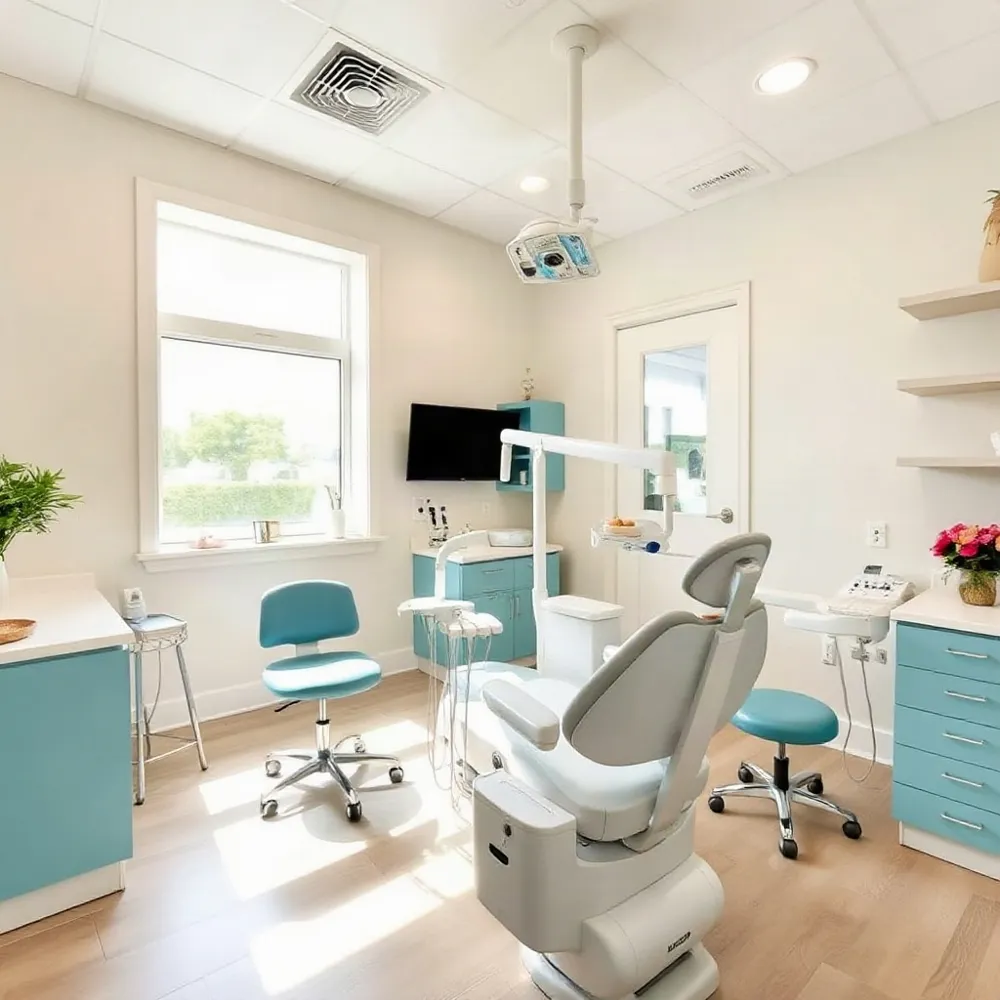 Before whitening begins, an examination can help determine whether treatment is likely to be comfortable and suitable. Cavities, gum disease, cracks, leaking fillings, or other dental concerns may affect how teeth respond and may need attention first. A checkup also helps identify whether discoloration is likely to improve with whitening.
At Best Choice Dental, patients can discuss their goals and oral health with the dental team before choosing from the practice’s professional teeth whitening treatments. This assessment supports a personalized recommendation rather than assuming the same approach is right for everyone. Learn more about why regular dental check-ups matter.
Is professional teeth whitening safe, and what side effects can occur?
Professional whitening is generally considered safe when a dentist checks the teeth and gums and guides treatment. Temporary tooth sensitivity, often noticeable with cold foods or drinks, is a common side effect. Some people also experience gum irritation if whitening gel touches the soft tissues.
These effects are often mild and settle after treatment, but the dental team can suggest ways to make the process more comfortable. Depending on your oral health and response, the team may adjust the whitening strength, shorten a session, change the schedule, or advise a pause. Tell your dentist about sensitivity before treatment, and report discomfort that is significant or does not ease.
Whitening may not be appropriate until untreated cavities or gum problems have been addressed. An examination helps identify those issues and gives the dentist a chance to discuss realistic options. Following the recommended instructions and checking in about unexpected symptoms can help reduce avoidable discomfort while treatment is underway.
Managing Sensitivity and Discomfort
Does professional teeth whitening hurt?
Professional teeth whitening is generally comfortable, but temporary tooth sensitivity or mild gum irritation can occur during or after treatment. Sensitivity may feel like brief twinges, especially when you drink something cold. Many people find it settles within a day or two, though experiences vary.
Tell your dental team before treatment if you already have sensitive teeth, gum recession, or dental concerns that have not been addressed. These details can help the dentist assess whether whitening is suitable and consider an approach that supports your comfort. At Best Choice Dental, professional whitening is part of the practice’s cosmetic dental care, and treatment can be discussed in the context of your individual oral health and goals.
Follow the instructions your dental team provides, including guidance on any products used at home. Avoid adding extra applications or changing how you use a whitening product without checking with the dentist, since this may increase irritation. If you notice significant pain, let the dental team know rather than trying to push through it.
Mild, short-lived sensitivity is different from severe discomfort or symptoms that continue. Contact your dentist if pain is intense, does not begin to settle after a few days, or comes with other symptoms that concern you. Patients considering professional teeth whitening can ask about expected sensations and ways to manage sensitivity before treatment begins.
How Long Brightness May Last
Professional whitening is not permanent. Many people find their results last around six months to two years, although the timeline varies with the treatment, the original discoloration, and everyday habits. Some results may last longer, but gradual fading is normal.
New stains can build up as teeth are exposed to coffee, tea, red wine, and tobacco. Inconsistent brushing and flossing can also leave more stain-causing residue on tooth surfaces. These habits do not affect everyone in the same way, so a predictable end date is difficult to set.
To help preserve brightness, brush regularly with fluoride toothpaste and floss each day. Limiting foods and drinks that stain, and avoiding tobacco, can also help. These simple habits support oral health as well as the appearance of your smile.
At Best Choice Dental, a dental professional can consider your oral health, staining habits, and whitening goals when discussing whether a touch-up makes sense. Touch-ups are not automatically needed on a fixed schedule. A dentist can help determine when to consider one and whether another approach may better suit your teeth.
For more on how whitening results can change over time, see how long brightness may last.
Understanding Costs and Insurance
Professional teeth whitening can cost a few hundred dollars, but the total depends on the approach. In the United States, in-office whitening often ranges from about $400 to $1,200, while dentist-supervised take-home trays typically cost about $150 to $600. These are broad estimates, not a quote for a particular patient.
The final price may vary with the whitening method and products, your dental needs, the provider, and what the quoted fee includes. For example, ask whether the estimate covers an examination, treatment, custom trays, or any recommended follow-up. At Best Choice Dental, an examination can help assess whether whitening is appropriate and which option fits your goals. The practice offers Professional Teeth Whitening, and you can request a personalized estimate before deciding.
How much does professional teeth whitening cost, and is it covered by dental insurance?
Whitening is usually considered a cosmetic treatment, so dental insurance generally does not cover it. However, benefits differ by plan. Check directly with your insurer to confirm whether any part of the proposed care is eligible for coverage, and ask the dental office about payment arrangements before scheduling.
When comparing options, consider more than the initial fee. A lower-cost product may require more time or additional purchases, while a professional plan may include guidance tailored to your oral health. Ask what is included, whether follow-up care would cost extra, and whether the estimate could change if the examination identifies dental needs that should be addressed first. Getting these details in advance can help you choose an approach that fits your budget without relying on a general price range alone.
Making a Personal Decision
Whether whitening feels worthwhile depends on what you hope to change and whether your teeth are likely to respond. Surface stains may lighten more readily than discoloration linked to medications, injury, or aging. Existing crowns, veneers, and fillings will not change shade, so discuss any visible restorations before choosing a treatment.
Comfort, oral health, time, and budget matter too. Some patients prefer a dental-office visit, while others may favor a dentist-supervised home approach that fits their routine. Temporary sensitivity is possible with either route, and untreated dental concerns may need attention first. At Best Choice Dental in Totowa, whitening options are considered in the context of each patient’s oral health and preferences.
A dental assessment can help clarify candidacy, likely results, and ways to manage sensitivity. Best Choice Dental offers professional whitening for patients seeking a brighter smile, with an opportunity to discuss suitable options and expected costs before treatment begins. That conversation can help you decide whether whitening fits your goals without assuming one approach is right for everyone.
For an overview of the practice’s professional teeth whitening treatment, review the available service information and bring any questions about restorations, comfort, or maintenance to your appointment.