When a Tooth Needs More Support
Decay, cracks, large fillings, or injury can weaken a tooth and make chewing uncomfortable. A crown covers the affected tooth to help restore its shape and function while protecting the remaining structure. Whether a crown is appropriate depends on the extent and location of the damage.
CEREC uses computer-aided design and manufacturing to create restorations in the dental office, but the technology is one option, not a fit for every tooth. The dentist first examines the tooth and considers its condition, bite, and the patient’s needs before recommending a restoration. CEREC and CAD/CAM restorations are shaped by the type of restoration and material, not simply how they are made.
At Best Choice Dental in Totowa, an exam helps the team explain suitable treatment options and how modern restorative technology may fit the case. If a tooth has extensive damage, additional treatment may be needed before a crown is placed. A personalized recommendation starts with assessing the tooth, rather than assuming a same-day crown is right for everyone.
How a CEREC Crown Restores a Tooth
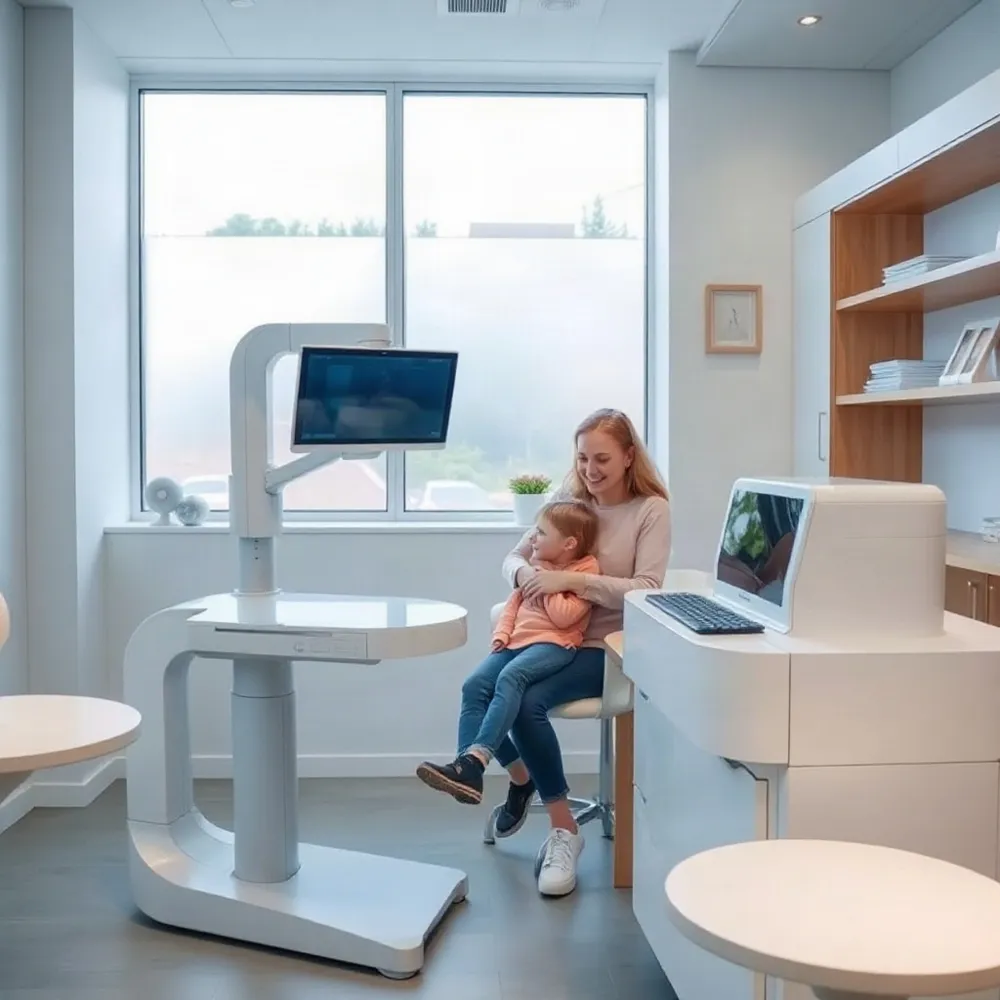 A CEREC crown is a custom ceramic cap that covers and protects a damaged or weakened tooth. It is shaped to restore the tooth’s form and chewing function while blending with nearby teeth. Learn more about how a CEREC crown restores a tooth.
The process starts with an examination. If a crown is appropriate, the dentist prepares the tooth and captures digital images. Computer software uses those images to design a restoration, which an in-office milling machine shapes from ceramic. The dentist then checks the fit, makes any needed adjustments, and bonds the crown in place. This computer-aided design and manufacturing approach is described in Dental Economics’ overview of CAD/CAM restorations.
Because design and fabrication happen in the dental office, a CEREC crown may be completed in one appointment. The visit length and whether same-day placement is suitable depend on the tooth and the treatment needed. At Best Choice Dental, the team can explain each step and discuss options in a way that supports comfortable, personalized care.
A dentist may consider a crown when decay, a crack, or a large filling has weakened a tooth. An examination helps determine whether the tooth can be restored with a crown or needs another approach. The team at Best Choice Dental can assess the tooth and answer questions before recommending treatment.
Benefits and Limits of Same-Day Treatment
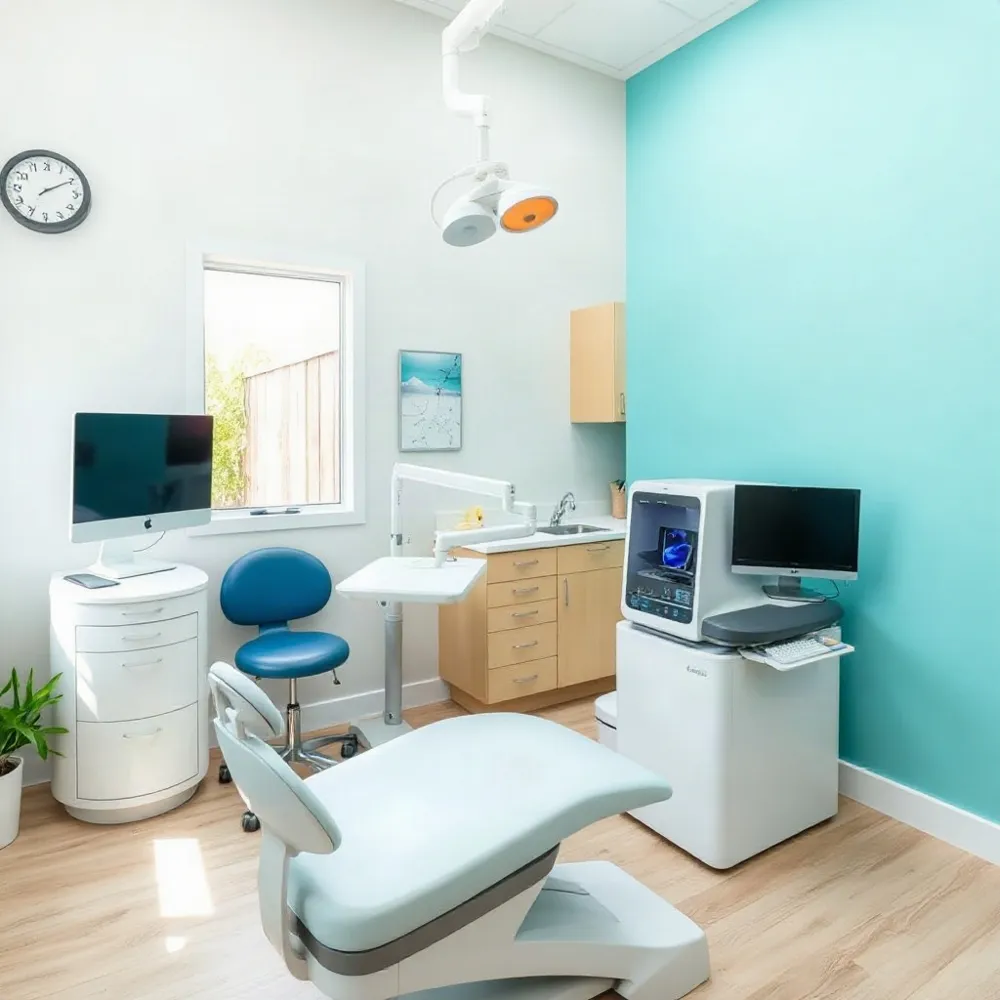 At Best Choice Dental in Totowa, digital crown technology can offer a more convenient route to restoring a tooth. When a CEREC crown is appropriate, in-office scanning, design, and milling can allow the permanent crown to be placed in one visit, often without a putty impression or temporary crown. CEREC and other CAD/CAM restorations are made in the dental office, but treatment time and suitability vary by case.
A tooth-colored ceramic crown can blend with nearby teeth, and completing treatment in one appointment may reduce the disruption of returning for a separate fitting. Still, same-day placement is not guaranteed. CEREC requires specialized equipment and training, and a tooth’s position, the extent of damage, or the need for particular materials or detailed customization may make a lab-made crown a better fit.
As with other crowns, a CEREC restoration may cause temporary sensitivity or discomfort and can chip or wear over time. Careful brushing, flossing, and routine checkups help protect the crown and the tooth beneath it. Best Choice Dental can assess the tooth and discuss expected costs, insurance benefits, and alternatives, including a lab-made crown, so the choice reflects your dental needs and preferences.
Choosing Between Crown Types and Materials
 A CEREC crown is designed from a digital scan and milled in the dental office. This approach can allow the crown to be fitted in one visit, often without a temporary crown. Traditional crowns are usually made by a dental laboratory after the tooth is prepared, so treatment commonly includes a temporary crown and a later placement appointment. The CEREC and CAD/CAM restoration process describes how a crown is fabricated, not which material must be used.
Lab-made crowns may offer a broader selection of materials and detailed customization, while in-office milling can offer convenience. Neither method is right for every tooth. At Best Choice Dental in Totowa, the dentist can examine the tooth and discuss whether a same-day CEREC crown or another restoration better fits its condition and your needs.
Zirconia is a strong, metal-free ceramic that may be considered for back teeth exposed to chewing forces. CEREC, by contrast, refers to the digital design and milling method. Some CEREC crowns may use zirconia, while others use different ceramics, so the terms do not describe competing materials.
The choice depends on the tooth’s location, your bite, and your appearance goals. A dentist can explain the available materials and fabrication options after assessing the tooth. Best Choice Dental’s CEREC crown visit information describes the practice’s same-day process; both CEREC and lab-made crowns can restore strength and appearance when appropriately selected and placed.
Understanding Fees and Insurance
A CEREC crown may cost roughly $1,000 to $2,500 per tooth, but this broad estimate is not a quote or a price specific to Best Choice Dental. Actual fees vary by location, crown material, treatment complexity, and the tooth’s condition. The American Dental Association’s discussion of crowns and CAD/CAM restorations explains that coverage and payment depend on plan terms and restoration details.
The fabrication method alone does not set the price. A crown made with in-office digital technology may still require additional care based on the patient’s oral health, such as a buildup to support the restoration or root canal treatment if the tooth’s inner tissue is affected.
Insurance may pay part of the cost when a crown meets the plan’s requirements, but out-of-pocket expenses depend on the deductible, coverage percentage, annual maximum, and any waiting period. Benefits can also vary according to the plan’s rules for materials and treatment.
At Best Choice Dental in Totowa, patients can ask the office to review their benefits and provide a pre-treatment estimate before proceeding. The estimate can help clarify expected charges, but it is not a guarantee of insurance payment or the final amount owed.
Protecting a Crown Over Time
A CEREC crown may last around 10–15 years, but that estimate is not a guarantee. Its lifespan varies with the crown’s fit and placement, the tooth’s location, and the forces it faces during daily use. For background on crown design and restoration types, see considerations for crowns and CAD/CAM restorations.
Daily habits matter. Brush twice a day, floss around the crown, and keep routine dental visits so your dentist can check both the restoration and the tooth beneath it. Best Choice Dental offers comprehensive care for patients of all ages, allowing crown checks to be part of ongoing oral health care.
Avoid chewing ice or biting hard objects, which can place excessive force on ceramic and cause chips or cracks. Teeth grinding can also strain a crown. If you grind, ask your dentist whether a night guard may help protect it.
During regular appointments, the dentist can assess the crown’s condition and fit, as well as look for changes in the underlying tooth. If you notice a new chip, sensitivity, looseness, or discomfort when chewing, arrange an evaluation rather than waiting for your next routine visit. For more on care and expected longevity, see maintaining and caring for CEREC crowns.
When an Existing Crown Is Damaged
A chipped, cracked, or loose crown does not always need to be replaced, but it should be checked by a dentist. A small chip may sometimes be smoothed or repaired with tooth-colored bonding material. A deep crack, a crown that moves, or extensive damage may call for replacement. The right approach depends on the condition of both the crown and the tooth beneath it.
At Best Choice Dental in Totowa, an examination helps the team assess the crown and underlying tooth before discussing treatment. X-rays may be recommended to check for decay or other concerns that are not visible during a visual exam. This assessment helps shape a treatment plan around the patient’s needs and comfort, without assuming that every damaged crown can be repaired in the same way.
Until you can contact a dentist, avoid chewing on the affected side and save any loose crown pieces to bring to your appointment. Contact the dental office promptly, particularly if you have pain or swelling. For more on how treatment choices depend on the extent of damage, see this guide to restorative dentistry options.
A Personalized Recommendation Starts With an Exam
A CEREC crown is one possible way to restore a damaged tooth, but it is not the right fit for every case. The tooth’s condition, your oral health, and your preferences all help shape the recommendation.
At Best Choice Dental, an examination can help the dental team explain the options and how modern dental technology may fit your care. Ask about the recommended restoration, treatment timing, materials, and an estimate of fees, including how your insurance may apply.
A clear conversation can help you weigh convenience alongside clinical needs and personal comfort. Your dental team can answer questions and recommend a plan based on your individual situation, without promising a particular result before examining the tooth.