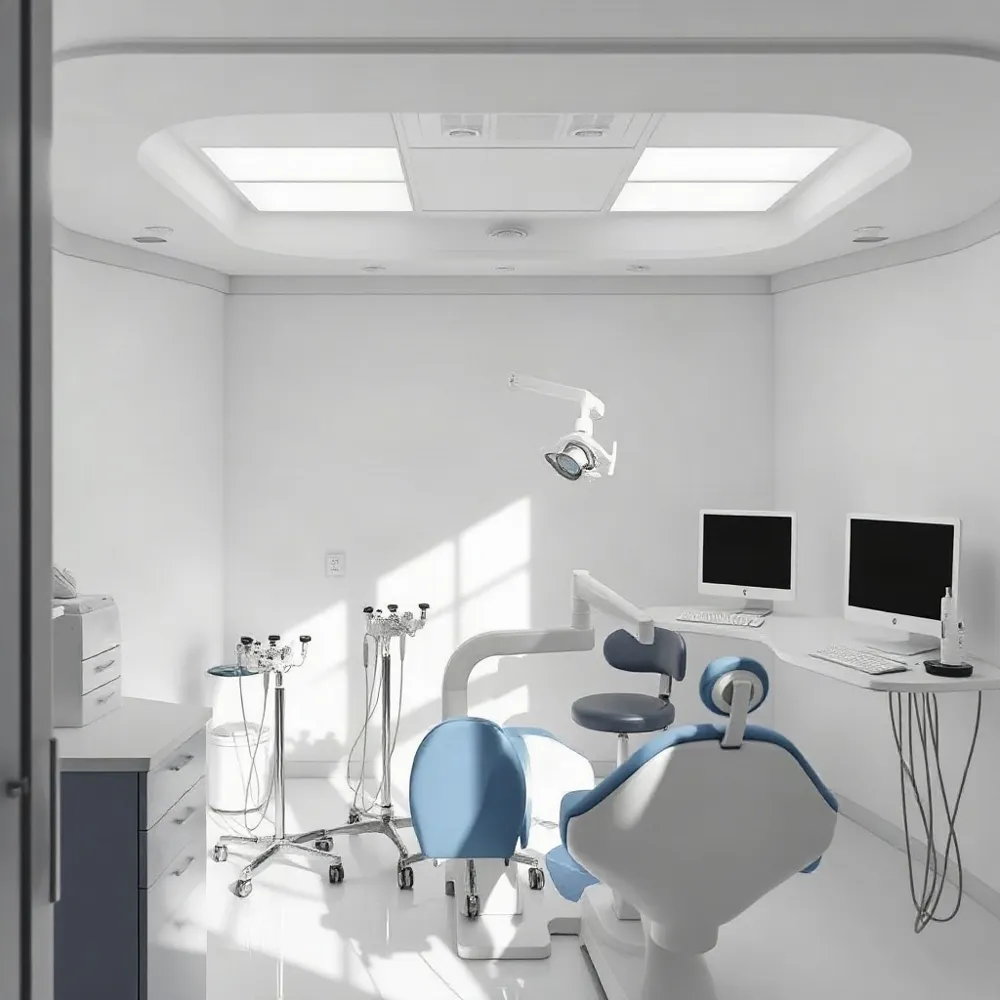
Understanding Dental Anxiety: Prevalence and Impact
What Is Dental Anxiety?
Dental anxiety refers to the feeling of nervousness or fear that many people experience when thinking about or visiting the dentist. It ranges from mild unease to severe phobia, sometimes called dentophobia. This natural response triggers the body's fight, flight, or freeze reactions, which can cause symptoms like a racing heartbeat, sweating, or difficulty breathing.
How Common Is Dental Anxiety?
In the United States, dental anxiety affects a significant portion of the population. Studies show that between 50% and 80% of adults experience some level of anxiety related to dental visits, with about one-third having moderate to severe anxiety. Roughly 12% of the population suffers from extreme dental fear that qualifies as dentophobia, a recognized anxiety disorder.
Impact on Oral and Overall Health
Dental anxiety often leads to avoidance of dental care, which can result in worsening oral health problems such as cavities, gum disease, tooth loss, and stained teeth. The consequences extend beyond the mouth, potentially contributing to systemic health issues like heart disease and diabetes. Avoiding regular checkups may also delay early detection of critical conditions, including oral cancer.
Why Is Addressing Dental Anxiety Important?
Effectively managing dental anxiety is vital to ensure patients receive timely, preventive dental care and maintain good oral health. Addressing anxiety reduces the likelihood of severe dental problems and contributes to overall well-being. With supportive dental teams, open communication, relaxation methods, and sedation options, patients can have comfortable, positive dental experiences that encourage regular visits.
Root Causes and Symptoms of Dental Anxiety
What causes dental anxiety?
Dental anxiety, often referred to as dentophobia, is a complex fear triggered by various biological and psychological factors. It commonly arises from fears of pain, needles, uncomfortable sounds, or feeling a loss of control during dental treatments. Past traumatic dental experiences or simply observing others' distressed reactions can deeply influence this anxiety. Additionally, genetic factors and individual personality traits might heighten someone's susceptibility.
Can dental anxiety be classified as a mental illness?
Dental anxiety is classified as a specific phobia within anxiety disorders rather than a standalone mental illness. This phobia reflects intense, irrational fears related to dental care that may cause individuals to avoid necessary treatments. If unmanaged, it can lead to serious oral health problems. Fortunately, this condition is treatable through interventions like counseling, relaxation techniques, and sedation.
What are the common symptoms of dental anxiety?
Symptoms manifest both physically and psychologically. Physically, patients may experience rapid heartbeat, excessive sweating, trembling, nausea, dizziness, or difficulty breathing. Psychologically, feelings of dread, panic, helplessness, or fear are common, sometimes escalating to panic attacks or crying. These reactions often lead to avoidance of dental visits, which worsens oral health problems.
Understanding these root causes and symptoms helps dental teams create personalized treatment plans that foster trust and comfort, addressing dental anxiety effectively.
Effective Communication and Environment: Foundations for Patient Comfort

Importance of Open Communication Between Patient and Dental Team
Open communication is essential in creating a comfortable dental experience. Patients who share their fears, anxieties, or sensitivities with their dentist and staff enable the team to tailor care appropriately. This openness encourages the use of techniques like sedation dentistry options, breaks, or distraction methods during dental care to alleviate stress. Dentists trained to listen and respond empathetically build trust, making patients feel safe and respected.
Creating a Welcoming and Patient-Centered Atmosphere
A dental practice committed to patient comfort fosters a warm, inviting environment. This includes friendly, empathetic staff who understand anxiety and respond with compassion. Practices that prioritize patient needs and preferences help reduce fear, making visits less intimidating and more positive for every patient.
Staff Training in Empathy and Anxiety Recognition
Well-trained dental teams are key to comfort. Empathy training helps staff recognize signs of anxiety early and respond sensitively. When patients feel understood, their anxiety diminishes, leading to more cooperative and relaxed visits.
Environmental Modifications
Calming office design for dental practices contributes significantly to reducing stress. Soothing colors, comfortable seating, and amenities such as magazines, nature scene TV, or soothing music in dental clinics create a tranquil setting. These subtle environment changes help ease the fight or flight response in dentistry triggered by dental visits.
How These Factors Reduce Anxiety and Build Trust
Combining open communication in dental care, a supportive atmosphere, empathetic staff, and relaxing surroundings helps transform dental visits. Patients feel more in control and less fearful, building confidence in their care. This trusting relationship encourages regular visits, supporting better oral health long term.
How Can Patients Make Their Dental Visits More Comfortable?
Patients can enhance their comfort by arriving early to decompress and clearly communicating fears to your dentist to the dental team. Bringing headphones or favorite music offers distraction techniques for dental anxiety. Employing relaxation methods like deep breathing for anxiety or visualization before and during the appointment can calm nerves. Choosing a practice focused on patient comfort and satisfaction ensures a supportive experience tailored to individual needs.
Relaxation and Distraction Techniques to Alleviate Anxiety
How can patients calm down before dental procedures such as fillings?
Patients can calm their nerves before dental procedures by practicing several effective relaxation techniques for dental anxiety. Deep breathing exercises, including the three-four-five breathing technique, involve inhaling deeply through the abdomen, holding the breath, and slowly exhaling. This activates the parasympathetic nervous system activation, promoting a natural relaxation response.
Progressive muscle relaxation and guided imagery in dental anxiety are also helpful by easing tension in the body and mentally visualizing peaceful, positive experiences. Listening to calming music, podcasts, or using headphones at the dentist provides an auditory distraction that reduces focus on dental procedures.
Additionally, distraction techniques during dental care like watching videos or using virtual reality for dental anxiety can engage the patient’s attention away from anxiety triggers. For those with higher anxiety levels, sedation dentistry options such as Nitrous Oxide Sedation or Oral Sedation for Pediatric Dentistry, supervised by dental professionals, are available to ensure comfort.
Open Communication in Dental Care encourages trust and understanding, helping patients feel in control and supported throughout their visit.
How can patients manage and overcome dental anxiety?
Managing dental anxiety is crucial for maintaining oral health and ensuring positive dental experiences. Patients can use various distraction techniques for dental anxiety, including listening to favorite music or podcasts, and utilize relaxation techniques for dental anxiety like the three-four-five breathing method to calm nerves during appointments.
Understanding that anxiety is a normal fight or flight response in dentistry can empower patients to face their fears with confidence. Dentists trained for nervous patients can tailor care by using patient signals, pacing treatments, and offering reassurance.
Scheduling Regular Dental Visits and addressing concerns early prevent dental problems from escalating, reducing the need for invasive procedures that can heighten fear. Combining behavioral techniques with a supportive, compassionate dental care team can significantly decrease dental anxiety, making visits more comfortable and stress-free.
Sedation Dentistry and Medication Options for Anxiety Management
What medication options are available for dental anxiety, and can dentists prescribe them?
In the United States, dentists can prescribe medications such as benzodiazepines in dental anxiety management to help manage dental anxiety. Common benzodiazepines include Xanax, Ativan, Valium, and Halcion, which work by calming fear-related brain activity to reduce anxiety during dental procedures. These drugs promote relaxation and can be used alone or alongside sedation dentistry options like nitrous oxide sedation or intravenous (IV) sedation to enhance patient comfort. Dentists carefully tailor prescriptions based on the patient's health, anxiety level, and the complexity of the dental treatment to ensure safety.
Types of sedation methods used in dental care
- Nitrous oxide (laughing gas): Provides mild sedation, allowing patients to remain awake and responsive while feeling relaxed.
- Oral sedation: Administered via pills prior to treatment for moderate anxiety, resulting in drowsiness and calmness.
- Intravenous (IV) sedation: Offers deeper sedation through direct administration into the bloodstream, used for complex or longer procedures.
How is sedation safely managed?
Sedation Dentistry Options is closely supervised by trained dental professionals who monitor vital signs and patient response throughout the procedure. Advanced pharmaceutical knowledge and proper infrastructure ensure that sedatives are administered safely, minimizing side effects and complications. Combining pharmacological sedation with psychological approaches, such as relaxation techniques for dental anxiety and effective communication, leads to better anxiety control and a more comfortable dental experience.
Other anxiety management techniques
Dental teams often use complementary techniques alongside medications and sedation. These include topical anesthesia to minimize pain, distraction with distraction techniques for dental anxiety, and non-pharmacological methods such as acupuncture and meditation. Open communication in dental care also empowers patients to express fears and participate actively in their care.
Tailored sedation plans for every patient
Choosing the right sedation depends on individual factors like anxiety severity, medical history, and dental procedure complexity. Dentists develop personalized plans to ensure maximum comfort while prioritizing safety.
In sum, sedation dentistry combined with prescribed medications offers effective relief for dental anxiety, enabling patients to receive necessary care comfortably and calmly under professional supervision.
Proactive Dental Care: Preventing and Reducing Anxiety Through Routine
What is the 2-2-2 rule in dentistry, and how does it contribute to oral health?
The 2-2-2 rule recommends brushing your teeth twice a day for two minutes each time and visiting the dentist twice a year. This simple but effective routine helps maintain excellent oral hygiene, prevents dental issues like cavities and gum disease, and supports overall oral health as detailed in Scheduling Regular Dental Visits.
The role of regular dental visits and early intervention
Regular dental check-ups allow early detection and treatment of dental problems before they become more serious or painful. Early intervention reduces the chance of complex procedures, which can be intimidating and worsen Dental anxiety. Scheduling consistent visits encourages familiarity and comfort with dental care, fostering Positive dentist-patient relationships.
How avoidance increases dental anxiety and worsens oral health
Avoiding dental appointments due to fear or anxiety often leads to worsening dental health problems such as tooth decay, gum disease, and even tooth loss. This avoidance creates a cycle where anxiety grows as dental issues escalate, making future visits more stressful and complicated. The Effects of Avoiding Dental Care and Risks of Avoiding Dental Care highlight these concerns deeply.
Building positive dental experiences from an early age
Children who visit the dentist early, ideally by age seven, and have positive experiences develop comfort and trust with dental care. Such early experiences help prevent the development of Dental anxiety and phobia and establish the foundation for lifelong healthy habits through Children's dental check-ups by age 7.
Encouraging lifelong healthy habits
Incorporating routine dental visits and daily oral hygiene practices encourages long-term oral wellness and reduces anxiety associated with unexpected dental treatments. A proactive and patient-centered approach supports patients in maintaining their oral health confidently and comfortably as emphasized in Managing Dental Anxiety and Patient comfort and satisfaction.
A Holistic Approach to Alleviating Dental Anxiety
Integrating Environment, Communication, Technology, and Staff Training
Creating a calming dental office environment is fundamental in reducing patient anxiety. This includes designing waiting and treatment areas with calming colors in waiting areas, comfortable seating in dental offices, and soothing music in dental clinics. Skilled effective communication by dental staff that empathetically addresses patient concerns and clearly explains procedures also plays a crucial role in easing apprehension. Alongside these efforts, continuous staff training in interpersonal skills in empathy and interpersonal skills ensures every patient feels valued and understood throughout their visit.
Emerging Technologies Enhancing Comfort
Advanced technologies like digital visualization in dentistry and virtual reality for dental anxiety are revolutionizing how dentists manage anxiety. Digital tools help patients better understand their treatment plans, minimizing fear of the unknown in dentistry. Virtual reality immerses patients in distracting, peaceful environments during procedures, effectively reducing stress and discomfort.
Psychological and Pharmacological Strategies
A combined approach using psychotherapeutic interventions for dental anxiety and sedation methods often yields the best outcomes. Relaxation exercises for dental anxiety such as deep breathing exercises for dental visits, guided imagery in dental anxiety, and mindfulness tools for patients empower patients to control their stress. For moderate to severe anxiety, sedation options like nitrous oxide sedation, oral sedation techniques, and intravenous sedation provide safe and effective relief, enabling painless and relaxed treatments.
Personalized Care and Family-Oriented Practices
Tailoring anxiety management plans to individual needs enhances patient comfort and trust. Personalized care includes establishing clear effective communication in dentistry, offering distraction tools like using headphones at the dentist, and providing personalized follow-up plans. Family-oriented dental care and practices support patients of all ages, encouraging positive dental experiences from childhood through adulthood.
Implementing this multifaceted strategy transforms dental visits into positive, manageable experiences, encouraging consistent oral health care and improving overall patient well-being.
Embracing Comfort and Confidence for Optimal Oral Health
The Importance of Addressing Dental Anxiety for Overall Health
Dental anxiety affects a significant portion of the population and can lead to avoiding necessary dental care. This avoidance risks worsening oral health conditions such as gum disease, cavities, and tooth loss. Moreover, poor oral health can contribute to more serious systemic issues, including heart disease and diabetes. By confronting dental anxiety, patients protect both their oral and overall well-being.
Empowerment Through Communication and Techniques
Open communication between patients and dental providers is essential in managing dental anxiety. Sharing fears allows dentists to tailor care plans, teach relaxation methods like deep breathing exercises, and incorporate distraction techniques such as calming music or videos. Some patients may benefit from sedation options including nitrous oxide or oral sedation, ensuring comfort throughout procedures.
Choosing Compassionate Dental Providers
Selecting a dental practice dedicated to patient comfort makes a profound difference. Compassionate teams prioritize individualized care in calming environments enhanced with modern technology. This approach helps rebuild trust, reduces fear, and fosters positive dental experiences.
Maintaining Regular Dental Care to Prevent Serious Problems
Consistent dental visits encourage early detection and treatment of issues, preventing escalation into complex or painful conditions. With anxiety effectively managed, patients are more likely to adhere to regular check-ups, supporting long-term oral health and preventing complications that impact their quality of life.