Taking the First Step
Feeling nervous about dental care is common. For some people, it is mild unease; for others, fear can bring physical distress or make booking an appointment feel difficult. Anxiety may be triggered by needles, sounds, past experiences, or feeling out of control. Recognizing what worries you is a useful first step, not a reason for embarrassment. Dental anxiety and phobia can affect people of any age.
Before your visit, tell the dental team what concerns you and ask any questions you have. You can discuss what will happen, request explanations in plain language, and agree on a signal for a pause. Research on dentist-patient communication finds that clear, patient-centered conversations can help ease anxiety and build confidence. Effective communication strategies may make the appointment feel more manageable.
At Best Choice Dental, patients of all ages can receive comprehensive oral health care in a family-oriented setting, with attention to personal needs and comfort. Preparing a short list of questions and learning what a routine exam may include can make the first step feel more predictable. A checkup may involve a cleaning and an examination, while X-rays are taken when appropriate.
Understanding Dental Anxiety
 Dental anxiety can begin after a painful or distressing visit, grow from hearing about someone else’s experience, or reflect personal fears and circumstances. Common triggers include anticipated pain, needles or anesthetic, gagging, embarrassment about oral health, costs, and feeling a loss of control. The dental setting and the sight or sound of instruments can also cause unease.
For some people, nervousness is manageable; for others, intense fear can lead them to delay or avoid needed care. The Cleveland Clinic’s overview of dentophobia reports that about 36% of people in the United States fear dental treatment and around 12% have an extreme fear. Dentophobia describes a more severe fear that may prevent someone from visiting a dentist.
Signs can include persistent worry, difficulty sleeping before an appointment, a racing heartbeat, sweating, trembling, nausea, or muscle tension. Some people feel short of breath or overwhelmed when thinking about treatment or sitting in the dental chair. Canceling or postponing visits despite concerns about oral health can also signal that fear is affecting care.
Symptoms differ from person to person, so there is no single way anxiety has to feel. At Best Choice Dental, a family-oriented practice serving patients of all ages, sharing what worries you can help the dental team understand your needs and provide personalized care. For further background, see common causes and effects of dental anxiety.
Preparing for a Calmer Visit
 A little planning can make a dental appointment feel more manageable. When booking, tell the team what tends to trigger anxiety, such as a sound, a sensation, or a difficult past experience. Mention those concerns again at the visit so the team can take them into account. At Best Choice Dental, care is personalized for patients of all ages, and sharing your needs helps the team understand what may make your visit more comfortable.
Choose an appointment time that gives you room to arrive and settle in rather than rushing from another commitment. Before you leave, try a relaxation method you already find helpful. Slow breathing is one option: breathe in gently for four counts, then breathe out for six. Deep breathing and other coping approaches may help some patients manage anxiety around dental care, as described by the Better Health Channel.
You can also ask what the appointment will involve and request a plain-language explanation before or during treatment. Knowing what the dentist is doing, and why, may ease uncertainty. A 2024 review of dentist-patient communication recommends clear explanations and inviting patients to ask questions and take part in care decisions.
Before treatment begins, agree on a simple hand or finger signal that means you need the dentist to pause. Knowing you can request a break can help restore a sense of control. Music, another distraction, or having a supportive companion nearby may also help; ask the office what it can accommodate.
If anxiety feels overwhelming, tell the dental team and ask what adjustments may help. You can also read more tips for preparing mentally and emotionally for a dental visit.
Returning After a Long Break
If it has been years since your last dental visit, embarrassment about your teeth or the gap in care can make booking feel difficult. You deserve a respectful conversation, not judgment. The purpose of an appointment is to assess your oral health and discuss possible next steps.
When scheduling or arriving, tell the team how long it has been, mention any pain or other symptoms, and describe what would help you feel comfortable. Dental anxiety can lead people to delay care, so sharing specific concerns gives the team a chance to discuss an approach that fits your needs (Better Health Channel guidance on dental anxiety).
At Best Choice Dental, a first visit can begin with a conversation about your concerns and goals, followed by an examination and X-rays when appropriate. Our practice offers a wide range of dental services, including preventive care, restorative treatments, cosmetic dentistry, and orthodontics, all supported by advanced technology such as digital X-rays and intraoral cameras for precise and comfortable care. MedlinePlus explains what a dental exam may include, including an examination of the teeth and gums; X-rays are taken at some visits depending on dental health.
Ask the dentist to explain any findings, answer your questions, and help you decide what needs attention first. A recommendation does not mean every treatment must happen at once. Scheduling an appointment is a worthwhile first step, even if anxiety or embarrassment has not completely gone away.
Communication Builds Confidence
Communication Builds Confidence
Clear, compassionate conversation can make a dental visit feel more predictable. A 2024 literature review found that effective dentist-patient communication can ease anxiety, build confidence, and support shared decisions about care. The review of dentist-patient communication describes communication as a two-way exchange, not simply instructions from the dental team.
Before treatment, tell the dentist what concerns you, whether that is pain, a past experience, or uncertainty about what will happen. Ask for explanations in plain language, and request that instruments or treatment steps be described or shown before they are used. At Best Choice Dental, our wide range of dental services, from general and preventive care to cosmetic and restorative treatments, is supported by advanced technology, providing a foundation for personalized care for patients of all ages. This allows the team to discuss comfort and preferences with you in detail.
You can ask the dental team to explain what they are checking, pause for questions, and talk through treatment choices and their pros and cons. A review of dental anxiety and phobia also recommends agreeing on a signal, such as raising a hand, to request a break. Establishing that signal in advance may help you feel more in control.
Keep communicating during the visit if something feels uncomfortable or you need more time. You can discuss these approaches when arranging care at Best Choice Dental, whose modern oral healthcare services, advanced technology, and wide range of treatment options are tailored to patients’ needs. Sharing preferences and asking questions can help the team understand what support may suit you, without assuming that every patient needs the same approach.
What a Checkup May Include
A routine dental checkup often begins with a review of your medical and dental history and any concerns you want to discuss. A hygienist may clean your teeth, while the dentist examines your teeth and gums and talks with you about your oral health and home-care habits. At Best Choice Dental in Totowa, patients of all ages receive comprehensive dental care, and the team can explain what to expect during a visit.
A professional cleaning and a dental examination are distinct parts of preventive care, though they are often scheduled together. During a cleaning, the hygienist removes plaque and tartar from the teeth and may polish them. The dentist’s examination checks for signs of oral health concerns and helps guide any recommended next steps. Learn more about what a dental exam may include.
X-rays may be taken or reviewed when they are appropriate for your needs. They are not automatic at every visit, and you can ask the dentist why they are recommended. The planned services can also vary based on your oral health and the reason for your appointment.
Before your visit, ask the office whether your appointment includes a cleaning, an examination, or both. During the appointment, you can ask the dental team to explain each step and pause for questions. A routine checkup process can include a history review, cleaning when scheduled, and a dentist’s examination.
What an Oral Examination Can Reveal
A visual oral examination helps the dentist assess your teeth, gums, bite, and jaw movement. They may look for signs of decay, gum inflammation, cracks, unusual wear, or problems with fillings, crowns, and other existing dental work.
The dentist may also check your lips, tongue, cheeks, and other visible tissues for unusual changes or sores. This can include looking for signs of oral cancer, though an examination is not a diagnosis of every health condition. MedlinePlus explains what a dental exam may assess.
When appropriate, X-rays or other imaging can help reveal concerns that a visual check may not show, such as decay between teeth or changes in the bone supporting them. Imaging is selected according to your oral health and clinical needs, rather than being necessary at every visit.
Your symptoms and medical history also help the dentist interpret findings and recommend next steps. At Best Choice Dental, care is personalized for patients of all ages, so sharing what you have noticed, even if it seems minor, can help inform the discussion. For more on the areas a visual check can cover, see what an oral examination can reveal.
Helping Children Feel at Ease
 Helping Children Feel at Ease
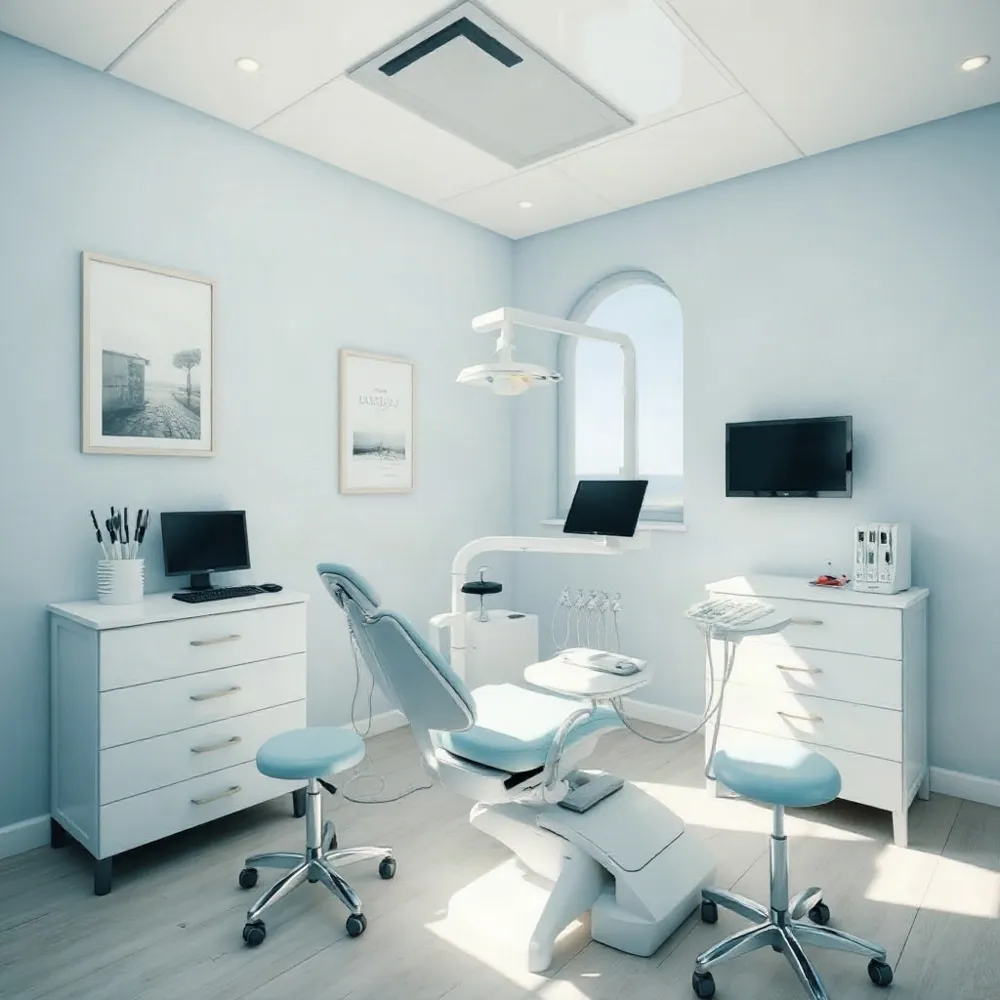
A child who knows what to expect may feel safer in the dental chair. A warm greeting, an unhurried pace, and a predictable sequence of steps can help build trust. Best Choice Dental provides family dental care for patients of all ages, with an approach that can be adapted to a child’s needs.
Simple, age-appropriate explanations can make unfamiliar sounds and sensations less surprising. The dental team can describe what a child may hear or feel in calm, clear language, invite questions, and explain each step before it happens. A tell-show-do approach can make the process more predictable without overwhelming a young patient.
Caregivers can tell the dental team what worries their child and stay calm and encouraging during the visit. Agreeing on a signal to pause can give the child a way to ask for a break. Depending on the child and the appointment, a familiar comfort item, short breaks, and praise for small steps may also help.
There is no single approach that suits every child. Supportive experiences over time can help a child become more comfortable with dental care, and the team can adjust explanations and pacing to the child’s responses. Guidance on helping children feel at ease during dental visits also highlights the value of patient, predictable communication.
Moving Forward at Your Pace
You do not have to feel completely calm before taking a step toward dental care. At Best Choice Dental, a family-oriented practice in Totowa, care can be discussed around your needs and comfort.
Tell the dental team what worries you, ask what to expect, and discuss a plan that feels manageable. Clear, two-way communication can help patients feel heard and more confident about their choices, according to a 2024 review of dentist-patient communication.
If fear repeatedly prevents needed care or feels overwhelming, consider discussing it with a dentist, doctor, psychologist, or counsellor. Support may include coping strategies or other approaches, but availability and suitability differ. A guide to dental anxiety and phobia explains that care can be tailored with professional guidance.