Making Room for a Calmer Visit
Dental anxiety can show up as mild unease or intense fear, and what feels helpful varies from person to person. Slow, comfortable breathing is one optional coping tool: noticing each inhale and letting the exhale last a little longer may help some people feel more settled before or during treatment. A review of breathing research describes possible benefits for stress and anxiety, but its findings do not guarantee relief during a dental visit (systematic review of breathing practices).
Breathing is not a promise to remove fear or pain, and you do not need to force a particular rhythm. Best Choice Dental is a family-oriented practice in Totowa that provides care for patients of all ages, with comfort shaped around individual needs. Sharing what worries you with the dental team can help guide communication and make it easier to discuss what support may suit you.
Understanding Dental Anxiety
 Dental anxiety is fear, stress, or unease connected with dental visits or treatment. It can range from mild concern to intense distress, and it is not the same for everyone. Fear may focus on a specific trigger, such as a needle or drill, while anxiety can also involve worry that something unpleasant will happen or a feeling of losing control.
Possible signs include worrying well before an appointment, tense muscles, sweating, a racing heartbeat, nausea, or panic. Some people feel uneasy only in the treatment room; others may find that anxiety affects their plans long before a visit. The UCSF Health guide to dental anxiety notes that causes can include past experiences, fear of needles, and feeling vulnerable in the chair.
A difficult or painful past appointment may contribute, as can unfamiliar sounds, sensations, or concern about being judged. Someone may also absorb fears from family, friends, or media. Feeling unable to speak up or pause treatment can add to the sense of vulnerability. Since triggers differ, describing your own concern is more useful than assuming every patient needs the same support.
Anxiety can lead people to delay or avoid appointments. Avoidance may allow dental problems to worsen and require more involved care, which can add to future worry. If concern is affecting your care, tell the dental team what feels difficult. At Best Choice Dental, personalized care for patients of all ages gives the team a basis for discussing comfort needs and planning an approach suited to the individual.
How Slow Breathing May Help
 Breathing happens automatically, but you can also choose to slow or steady it. During stress, the body’s sympathetic nervous system becomes more active; a comfortable, measured rhythm may help support relaxation. Slow breathing is an optional coping tool, not a guarantee of calm. For more on the body’s response, see how slow breathing may support relaxation.
To try diaphragmatic breathing, notice whether your abdomen gently rises as you breathe in and falls as you breathe out. Keep the breath comfortable rather than forcing it, and let the exhale last a little longer than the inhale if that feels natural. You can also try the 4-7-8 pattern: breathe in for four counts, hold for seven only if comfortable, then breathe out for eight. Shorten or skip the hold if it feels uncomfortable. The NHS breathing exercise for stress offers another gentle approach.
One small study tested diaphragmatic breathing during dental care with 20 children aged 7 to 13. Their breathing rate fell during the exercise, and some measures of distress differed from usual care. The findings are preliminary: the study included children without dental phobia and cannot show that breathing will help every child or adult. A broader review of breathing practices examined stress and anxiety across varied settings, while findings from dental studies were mixed. The pediatric study and the broader review therefore support cautious interest, not certainty.
At Best Choice Dental, a family-oriented practice offering care for patients of all ages, discussing what feels manageable with the dental team can help make comfort part of a personalized visit. Breathing can be one option to consider alongside that conversation.
Preparing to Use a Breathing Strategy
If dental visits make you anxious, let the team know when booking or when you arrive. Share any past experiences or specific concerns, and ask what the visit will involve. At Best Choice Dental, care is personalized for patients of all ages, so explaining what would help you feel comfortable gives the team useful context.
You can also agree on a simple hand signal, such as raising your hand, to request a pause. If anxiety has kept you from seeking care, say so; the team can discuss manageable options and explain the next steps before treatment begins.
Try a gentle breathing rhythm at home so it feels familiar. Sit comfortably, loosen anything that restricts your breathing, and allow your abdomen to move without forcing a deep breath. Breathe in and out at an easy pace. Tufts Health describes practicing slow breathing before an appointment and then using it in the waiting room or chair; the NHS breathing exercise also emphasizes letting the breath flow comfortably.
If the rhythm causes discomfort, dizziness, or more anxiety, stop or return to your normal breathing. A dental position or procedure may make belly-focused breathing difficult. In that case, simply following a steady cadence or letting the exhale last a little longer may feel more practical.
Choose an appointment time that feels less rushed when possible, and arrive with a little time to settle in. Headphones and familiar music may help you focus, if they are suitable for the visit. These steps can support comfort, but they do not replace telling the dental team what you need.
When Anxiety Rises During Treatment
If you begin to panic or have trouble breathing, raise your hand or use the stop signal you agreed on. Tell the dental team plainly what you are feeling, including any discomfort or other symptoms. A signal gives the team a clear cue to pause and check in, as UCSF Health’s guidance on dental anxiety recommends.
The team can stop treatment, remove instruments from your mouth, and help you sit upright while they check how you are doing. If it feels comfortable, try breathing gently and slowly, letting the exhale relax without forcing a deep breath or holding it. Stop the exercise if it makes you feel worse.
Do not assume that breathing difficulty or chest discomfort is caused by anxiety. Describe what is happening and mention relevant health conditions so the team can respond appropriately. At Best Choice Dental, personalized, comfortable care means your concerns can guide the conversation about what happens next.
Once you feel steadier, discuss with the dentist whether to continue, take a longer break, or reschedule. If anxiety rises during care, you can also revisit the agreed signal and ways to communicate with your dental team. Seek urgent help for severe breathing difficulty, chest pain, or fainting.
Personalizing Comfort and Additional Support
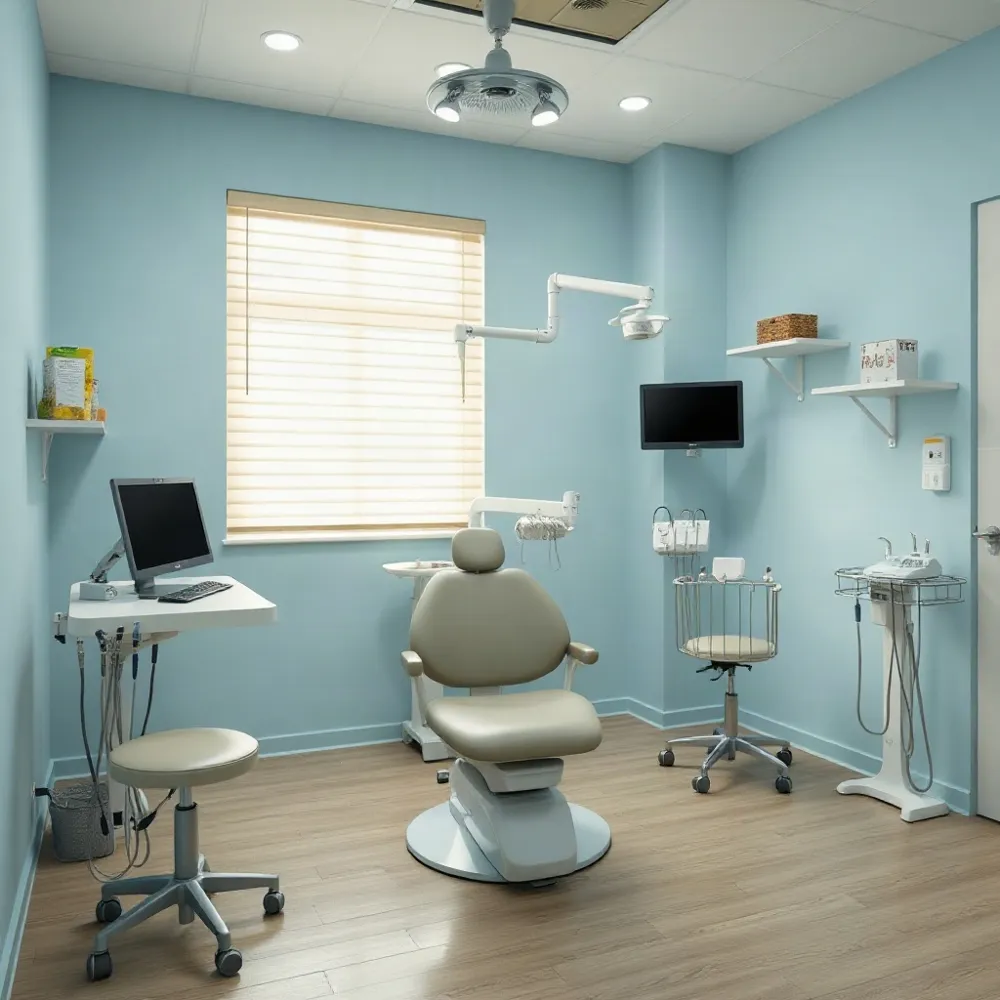 A comfortable appointment starts with telling the dental team what worries you, whether it is pain, sounds, a past experience, or feeling unable to communicate. Ask what the practice can offer, such as clear explanations, a manageable pace, planned breaks, or an agreed signal to pause. Options vary by practice, so it is better to ask than assume a particular service is available.
Simple coping tools may also help during treatment. You might use slow breathing or headphones, if these fit the procedure and the team agrees. Patients can discuss comfort and pain-control options with the dentist; medication or sedation may be considered in some cases, depending on the procedure, individual needs, and medical history. Availability and eligibility vary, and these options are not suitable for everyone. At Best Choice Dental, personalized care means discussing your concerns and asking which approaches may be appropriate for your visit.
If fear is severe enough to make you postpone or avoid care, call the practice and explain what is getting in the way. A dentist can discuss a care plan and, when appropriate, additional support. Cognitive behavioral therapy may help people address fearful thoughts and avoidance, sometimes by approaching dental situations gradually. It can complement dental care, but does not replace an examination or treatment. A qualified mental health professional can advise whether therapy may suit you.
These conversations can help adults as well as parents whose children are struggling with dental visits. Tell the team about a child’s specific triggers and ask how the appointment can be adapted. For severe fear, discussing support with the dentist and a qualified therapist may help families plan next steps. If pain, swelling, or another urgent concern arises, contact a dentist rather than delaying care while waiting to feel completely comfortable.
For practical ideas on communication, pauses, and comfort measures, see these strategies for managing dental anxiety.
A Small Tool, Not a Promise
Slow breathing is a low-cost option that may help some people feel calmer, but it is not guaranteed to ease anxiety and does not replace dental care. Research in children is promising but preliminary, so results may vary by person.
At Best Choice Dental, patients can discuss their concerns with the team and shape a plan around their needs. Sharing what feels difficult helps the practice provide personalized, comfortable care and support ongoing oral health.