Small Habits, Healthy Smiles
When siblings brush at the same sink, parents may wonder whether they can use one toothpaste tube. Sharing a tube is different from sharing a toothbrush: the brush goes into the mouth, while toothpaste can be dispensed without touching the opening.
Available guidance supports practical hygiene precautions, but does not establish that sharing toothpaste causes a particular disease. The University of Rochester Medical Center suggests separate tubes as a precaution against germs passing between family members, while Head Start advises keeping toothbrushes separate and preventing bristles from touching the tube opening when dispensing from a shared tube. Head Start brushing guidance
The bigger daily priority is helping children brush consistently with fluoride toothpaste. The CDC recommends brushing twice a day and supervising young children, including checking that they use an age-appropriate amount and spit it out. At Best Choice Dental, families can discuss children’s oral-care needs as part of the practice’s comprehensive dental care.
Sharing Toothpaste With Care
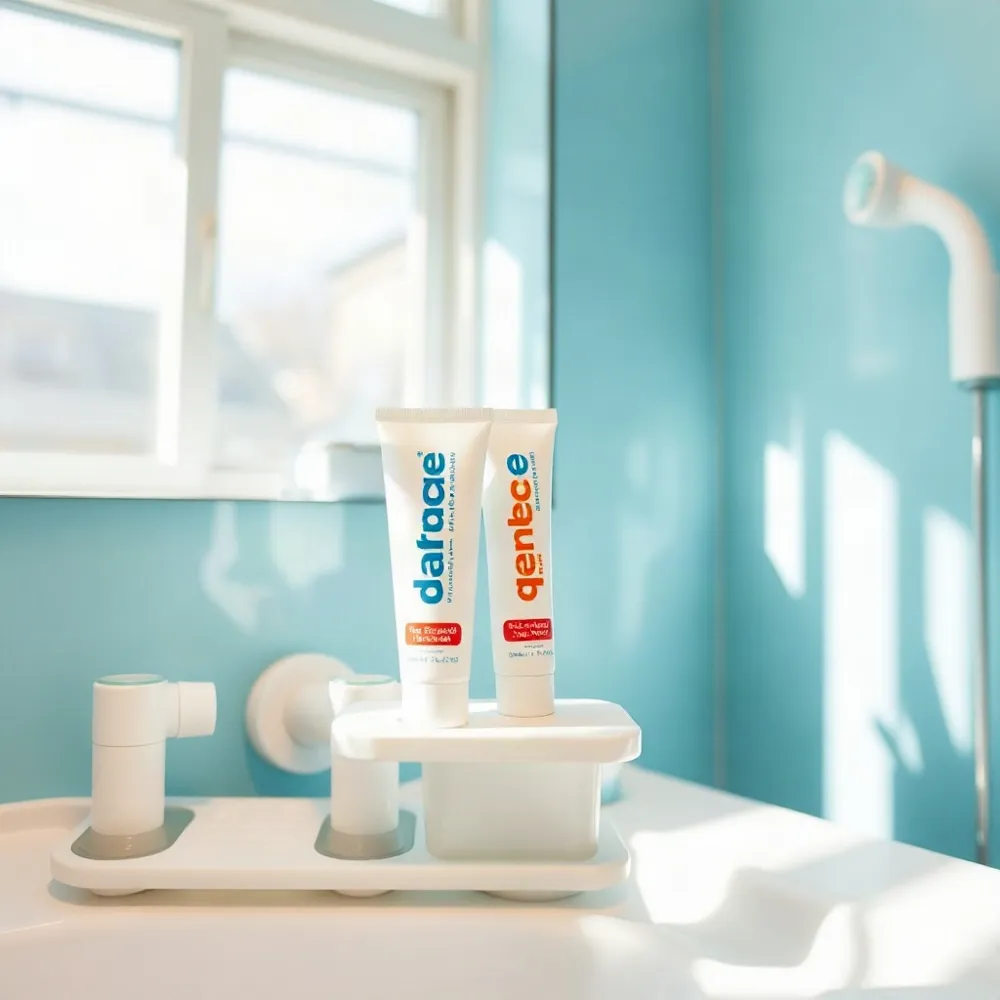 Separate toothpaste tubes are a practical hygiene precaution, not a response to proven harm. The University of Rochester Medical Center recommends that each family member use an individual tube to help avoid spreading germs, and suggests a travel-size tube for someone who is sick.
The evidence has limits: the CDC’s child oral-health guidance and the American Academy of Pediatric Dentistry’s parent FAQ do not specifically assess toothpaste sharing or show that it causes cavities or another oral disease. The precaution is sensible, but it should not be presented as proof that sharing a tube makes a child ill.
If your household shares one tube, avoid letting a toothbrush touch its opening. Head Start’s toothbrushing guidance recommends dispensing toothpaste onto a clean surface, such as a disposable cup’s rim or clean wax paper, then transferring it to the brush. This keeps brushes away from the tube opening and offers a simple way to reduce cross-contamination.
Labeled individual tubes make it easy for each child to use their own, particularly when someone at home is ill. At Best Choice Dental, a family-oriented practice in Totowa, children and adults can receive dental care tailored to their needs, including guidance on everyday oral hygiene. If you are unsure what toothpaste or brushing approach suits your child, ask the dental team at a visit.
Build a Child’s Brushing Routine
 Daily brushing is more than a habit: cavities are the most common chronic disease of childhood in the United States, and untreated decay can cause pain or infection that affects eating, speaking, playing, and learning, according to the CDC’s children’s oral health guidance. A steady routine helps protect a child’s teeth and gives caregivers a chance to notice changes.
When should parents start caring for a baby's teeth?
Care starts before teeth appear. Gently wipe a baby’s gums with a soft cloth or infant toothbrush and water. When the first tooth comes in, brush it with a soft, small-headed toothbrush. The AAPD’s parent FAQ recommends a dental visit when the first tooth appears or by the child’s first birthday. Parents of children under 2 should ask a doctor or dentist whether to use fluoride toothpaste.
For babies, use a tiny smear of toothpaste; for children ages 3 to 6, use a pea-sized amount. Help young children brush and supervise them so they use the right amount and spit out excess toothpaste. Best Choice Dental in Totowa provides care for patients of all ages, with recommendations tailored to each child’s needs.
What are the basics of good oral hygiene for children?
Brush twice daily with fluoride toothpaste and a soft, child-sized toothbrush. Continue helping until your child can brush effectively. Clean between teeth once they touch, offer water, limit sugary snacks and drinks, and keep regular dental checkups. A dentist can suggest a visit schedule and preventive care suited to the child. Families can also review this guide to children’s daily oral hygiene.
Choose and Use Toothpaste Safely
 Fluoride toothpaste helps strengthen teeth and protect them from decay, so choose a product labeled for cavity protection. The ADA Seal of Acceptance can help when comparing options. Flavor and texture matter too: a child is more likely to brush regularly with a toothpaste they can tolerate.
Use a rice-sized smear for children under 3 and a pea-sized amount for ages 3–6. The AAPD recommends a tiny smear once teeth appear and brushing twice daily. Adults should help young children brush, supervise them, and encourage them to spit rather than swallow. For children under 2, ask a doctor or dentist about fluoride toothpaste first. The CDC’s guidance for children’s brushing also stresses adult supervision and careful portioning.
Toothpaste is meant for brushing, not swallowing. A small accidental amount of over-the-counter fluoride toothpaste is unlikely to be toxic, though it may cause temporary stomach upset. Keep the tube out of young children’s reach. If a child swallows more than a small amount, or you are unsure what to do, contact Poison Control at 1-800-222-1222.
Children’s needs can vary with age, brushing skills, and dental health. At Best Choice Dental, a family-oriented practice offering modern care for patients of all ages, parents can ask for personalized guidance during their child’s dental visit. For more on fluoride and prevention, see our pediatric dentistry guidance.
Keep Toothbrushes Personal and Clean
Keep Toothbrushes Personal and Clean
A shared toothpaste tube and a shared toothbrush are different hygiene questions. Toothbrushes can carry bacteria, so each family member should have an individual brush, kept clean and apart from other brushes, as advised by the University of Rochester Medical Center.
For children, Head Start’s toothbrush guidance recommends a soft-bristled, small-headed brush labeled with the child’s name. After brushing, rinse each brush separately and store it upright where it can air-dry without touching other brushes. Avoid covers and disinfecting soaks, which may encourage germ spread.
Replace a brush when its bristles become worn or frayed, generally every 3–4 months, and after a child has been ill, following Head Start guidance. The supplied guidance does not establish that using the same toothbrush for two years is safe or effective. If brushes are accidentally mixed up, switch back to individual brushes; the available sources do not quantify the risk from a one-time mix-up.
Children may need help brushing until they can clean their teeth thoroughly. The CDC advises caregivers to help until a child has good brushing skills, while the American Academy of Pediatric Dentistry’s parent FAQ notes that young children cannot brush effectively on their own. Readiness varies, so parents can continue helping or supervising and ask the child’s dentist for individualized advice. At Best Choice Dental, families can discuss children’s oral-care needs as part of the practice’s care for patients of all ages.
Separate Dental Rules From Internet Mnemonics
What is the 3-3-3 rule for teeth, and is it supported by dental guidance?
The “3-3-3 rule” is an informal mnemonic, and its meaning can vary. It is not a standard, universally endorsed dental guideline. Rather than relying on a number-based slogan, follow the CDC’s recommendation for children to brush twice daily with fluoride toothpaste. Best Choice Dental is a family-oriented practice offering care for patients of all ages, so families can ask about routines suited to each child.
What is the 50-40-30 rule in dentistry, and is it recognized?
The 50-40-30 rule has no universally accepted meaning in the information available here and is not identified as a recognized clinical guideline. If you encounter it online, ask a dentist what the numbers refer to instead of treating them as a diagnosis or treatment recommendation.
Established prevention is more useful than internet mnemonics: brush regularly with an age-appropriate amount of fluoride toothpaste, and schedule dental visits based on the child’s needs. At Best Choice Dental, families can discuss preventive care as children grow.
Make Prevention Personal
Separate toothpaste tubes or careful dispensing are sensible hygiene choices, not proof that sharing toothpaste causes a particular illness. Head Start guidance suggests keeping toothbrushes from touching the tube opening, or giving each child a labeled tube.
What matters each day is helping children brush consistently and use toothpaste suited to their age. The CDC’s guidance for children’s oral health recommends brushing twice daily with fluoride toothpaste and adult supervision for young children.
At Best Choice Dental, families can discuss a child’s brushing habits, fluoride needs, and preventive care with a dental team that serves patients of all ages. A child’s dentist can tailor advice to their development and oral health, so parents can raise questions rather than rely on one-size-fits-all rules.