Introduction
Chronic tooth sensitivity—often caused by enamel erosion, gum recession, or exposed dentin—creates sharp, fleeting pain when teeth encounter hot, cold, sweet, or acidic stimuli. For many patients, this discomfort interferes with everyday activities: sipping coffee, enjoying a salad, or even brushing can become sources of anxiety, leading to altered eating habits and reduced quality of life. The patient narrative that follows illustrates how individuals with heightened sensitivity navigate these challenges, why early detection matters, and how an integrated, compassionate team at Best Choice Dental—leveraging modern diagnostics, personalized oral‑hygiene guidance, and gentle, non‑judgmental care—can restore comfort and confidence in eating and speaking.
Understanding the Roots of Tooth Sensitivity
 Why are my teeth sensitive all of a sudden?
Sudden sensitivity often appears when enamel wears away or gums recede, exposing dentin and its nerve endings. Triggers include aggressive brushing, frequent acidic foods or drinks, grinding, recent fillings or cleanings, cracked teeth, gum disease, or whitening products. Early‑stage cavities or enamel‑softening medications can also be culprits. If the pain persists, schedule an appointment at Best Choice Dental for a precise diagnosis and personalized treatment such as fluoride therapy, desensitizing toothpaste, or restorative care.
Why are my teeth sensitive all of a sudden?
Sudden sensitivity often appears when enamel wears away or gums recede, exposing dentin and its nerve endings. Triggers include aggressive brushing, frequent acidic foods or drinks, grinding, recent fillings or cleanings, cracked teeth, gum disease, or whitening products. Early‑stage cavities or enamel‑softening medications can also be culprits. If the pain persists, schedule an appointment at Best Choice Dental for a precise diagnosis and personalized treatment such as fluoride therapy, desensitizing toothpaste, or restorative care.
Tooth sensitivity causes Sensitivity occurs when the protective enamel thins or the gum line pulls away, revealing dentin tubules. Common causes are hard‑bristled brushes, acidic diets, bruxism, plaque buildup, gum disease, recent dental work, and cracked or chipped teeth. Anything that thins enamel or exposes roots can provoke sharp pain to hot, cold, or sweet stimuli.
Can tooth sensitivity be cured naturally? Yes. Use a desensitizing toothpaste, switch to a soft‑bristled brush, and practice gentle brushing. Avoid acidic foods or drink them through a straw, limit sugar, and consider a night guard if you grind. These habits often improve comfort, but a dental exam is still advisable to rule out decay or gum disease.
Can tooth sensitivity be cured permanently? Permanent relief is possible when the underlying issue is treated. Dentists can apply fluoride varnish, bonding, fillings, crowns, or gum grafts to protect dentin. Managing habits—soft brushing, a balanced diet, and night guards—maintains results. Regular check‑ups at Best Choice Dental ensure lasting comfort and early detection of any new problems.
Effective Home Strategies for Immediate Relief
 If you’re battling a sudden sting of tooth sensitivity, start with a warm salt‑water rinse (½ tsp salt in a cup of warm water) for 30 seconds to calm inflammation and soothe nerves. Follow with a desensitizing toothpaste containing potassium nitrate or stannous fluoride, brushing gently twice daily with a soft‑bristled brush. A brief fluoride mouthwash or a night‑time fluoride gel can further strengthen enamel and block dentin tubules. For instant numbing, apply a tiny dab of clove oil or a benzocaine‑based product such as Orajel to the painful spot, and a cold compress on the cheek for 10‑15 minutes. Over‑the‑counter pain relievers like ibuprofen or acetaminophen can ease accompanying ache, while a potassium‑nitrate tablet works directly on exposed dentin. Natural measures—coconut‑oil pulling, avoiding hot, cold, or acidic foods, and using a soft brush—often reduce sensitivity within weeks. However, persistent pain warrants a professional evaluation. At Best Choice Dental in Totowa, NJ, our team offers personalized exams, fluoride varnish, bonding, and interdisciplinary care to resolve the root cause and restore comfortable eating.
Professional Care: Permanent Solutions
 Sensitive teeth can often be eliminated for, but the key is to treat the underlying cause—whether it’s enamel loss, exposed roots, decay, gum recession, or grinding. At Best Choice Dental in Totowa, NJ, Dr. Richard Gryzmolowicz and his team use a full suite of permanent solutions. Professional fluoride varnish or high‑concentration fluoride gel rebuilds weakened enamel, while bonding agents and sealants create a protective barrier over exposed dentin. When gum recession has uncovered tooth roots, a gum‑graft surgery restores tissue coverage, and in severe cases a root‑canal therapy removes inflamed pulp to stop the pain at its source. For patients who grind or clench, a custom‑fitted night guard protects the teeth from further wear.
Home care supports these in‑office treatments: switch to a soft‑bristled toothbrush, use a desensitizing fluoride toothpaste, and avoid acidic foods and aggressive brushing. Regular six‑month check‑ups at Best Choice Dental ensure the treatment remains effective and catch any new issues early, providing lasting relief and a comfortable eating experience. By combining advanced technology, personalized education, and a compassionate, non‑judgmental environment, the practice offers patients a permanent cure for tooth sensitivity and a brighter, pain‑free smile.
Eating After Dental Surgery and Extractions
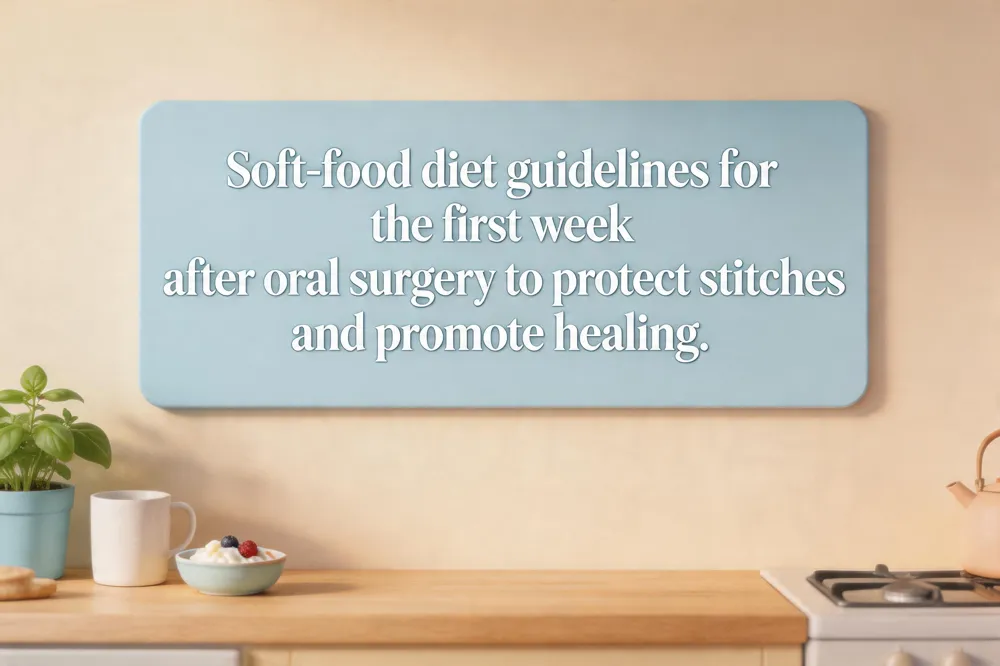 After oral surgery with stitches or a tooth extraction, the first 48 hours should be limited to smooth, lukewarm foods that require little or no chewing to protect sutures and the blood clot. Ideal choices are Greek yogurt, applesauce, plain pudding, gelatin, smooth scrambled eggs, mashed potatoes, creamy oatmeal, and nutrient‑dense smoothies (drink from a cup, not a straw). Include protein‑rich options such as cottage cheese, soft fish, ground meat, and healthy‑fat avocado to support tissue repair.
First night after extraction: Stick to cool or room‑temperature foods like yogurt, applesauce, smooth soups, avocado, and protein shakes taken with a spoon. Avoid hot, spicy, acidic, crunchy, or carbonated items and never use a straw, as suction can dislodge the clot.
Duration of soft diet: Most patients need a soft‑food diet for 3–7 days, with liquids and very soft foods in the first 24 hours, then gradually adding easy‑to‑chew items (scrambled eggs, soft vegetables, soft grains) through day 7. Full textures can be re‑introduced after the first week if healing is comfortable.
Delicious nutritious meals: Blend chicken or vegetable broth into silky soups, serve creamy mashed potatoes, avocado‑banana smoothies, oatmeal with honey, and soft proteins like scrambled eggs or tofu. Finish with cool treats such as Greek‑yogurt parfaits or gelatin for calcium and comfort.
Soft‑food list (50 items): Yogurt, pudding, cottage cheese, ice cream, milkshakes (spoon‑only), smoothies, ricotta, cream cheese, custard, soft scrambled eggs, applesauce, mashed bananas, ripe avocado, mashed sweet potatoes, mashed regular potatoes, mashed carrots, steamed squash, canned peaches, pear puree, cooked pumpkin, oatmeal, cream of wheat, soft pancakes, white rice, soft pasta, macaroni‑and‑cheese, grits, polenta, mashed beans, hummus, silken tofu, egg salad, chicken puree, soft meatloaf, ground turkey broth, baked flaked fish, pureed lentil soup, broth, Jell‑O, popsicles, custard, pudding, ice cream without mix‑ins, mild chocolate mousse, and more.
Best Choice Dental in Totowa, NJ provides personalized post‑operative nutrition counseling, modern digital imaging, and a compassionate, non‑judgmental environment to ensure a smooth recovery and return to comfortable eating.
Integrating Care at Best Choice Dental
 Best Choice Dental embraces a patient‑centered, interdisciplinary model that links dental health with nutrition, mental‑health, and medical teams. By collaborating with physicians and counselors, the practice detects oral issues early—especially for patients with eating disorders—and offers coordinated treatment plans that include preventive cleanings, desensitizing therapies, and restorative work.
Insurance options and financing – The office accepts most major carriers, such as Delta Dental, Cigna, Aetna, and UnitedHealthcare. For those without coverage, Best Choice Dental provides affordable in‑house plans (BEST Life PPO, indemnity) and flexible financing, including zero‑interest CareCredit and low‑cost co‑pay options starting at $25 per visit.
Practice environment and patient education – A bright, modern reception and state‑of‑the‑art digital X‑rays create a calm, welcoming atmosphere. The photo gallery showcases comfortable treatment rooms, friendly staff, and before‑and‑after results, reinforcing the practice’s commitment to transparent, family‑focused care. Educational resources—ranging from oral‑hygiene tutorials to nutrition counseling—empower patients to manage tooth sensitivity and maintain long‑term oral health.
Convenient location – Situated at 418 Union Blvd in Totowa, NJ, Best Choice Dental offers comprehensive services—from routine exams to implants—delivered with gentle, patient‑first techniques. To schedule an appointment, call (973) 555‑1234 or visit the website.
Conclusion
After weeks of battling tooth pain and oral discomfort, patients often describe a clear shift—from the daily anxiety of eating to a renewed confidence in smiling and speaking. This transformation is rarely achieved by a single approach; it flourishes when gentle at‑care habits—such as using a soft‑bristled brush, fluoride‑rich toothpaste, and soothing salt‑water rinses—are paired with professional interventions like fluoride varnish, bonding, or gum‑graft surgery offered at Best Choice Dental. By integrating personalized education, modern technology, and a compassionate, non‑judgmental environment, we empower every family member to maintain lasting oral health. Schedule your personalized evaluation today and let our Totowa team guide you from pain to comfort.