Everyday Care for Every Brush
A clean, well-kept toothbrush supports the daily brushing routine that helps families care for their teeth and gums. Simple habits make the difference: rinse away toothpaste and debris, let the brush air-dry, store it where it can breathe, and replace it when worn.
Special disinfecting methods are generally unnecessary for everyday care. The Cleveland Clinic’s toothbrush guidance explains that a thorough rinse and open-air drying are usually enough; toothbrushes do not need to be sterile.
Give every household member, child or adult, their own brush, and keep brush heads from touching in storage. At Best Choice Dental, a family-oriented practice in Totowa, patients of all ages can discuss toothbrush choices and care with a dental professional. Advice can be tailored to individual needs, including children’s brushing habits and oral health concerns.
Build a Healthy Brushing Routine
 A consistent routine does not need to follow a catchy number pattern. The American Dental Association’s toothbrush guidance recommends brushing twice a day for two minutes with fluoride toothpaste, including once before bed. For broader brushing and flossing advice, see family dental care tips.
The informal “2-2-2” mnemonic usually refers to brushing twice daily for two minutes and seeing a dentist twice a year, though some versions use the final two to mean changing a brush every two months. “3-3-3” often means brushing three times a day for three minutes and visiting the dentist every three months. Neither is a universal clinical standard, and most people do not need the more frequent schedule unless a dentist recommends it. Ask your dentist how often to book visits, and replace a brush when its bristles are worn.
Soft bristles and light pressure suit most people. Scrubbing harder or choosing firmer bristles does not necessarily clean better and may irritate gums or wear tooth surfaces. Choose a comfortable brush head small enough to reach all areas. Manual and powered brushes can both work well when used properly; the ADA Seal of Acceptance identifies products evaluated for safety and effectiveness.
If sensitivity, gum concerns, dental appliances, or difficulty handling a brush affect your choice, ask a dentist or hygienist for a recommendation. At Best Choice Dental, personalized care for patients of all ages can help families get guidance suited to their oral health needs.
Know When to Replace a Brush
The American Dental Association recommends replacing a manual toothbrush every three to four months. Apply the same general schedule to an electric toothbrush head, replacing the head rather than the handle. See the ADA’s toothbrush guidance for care recommendations.
Do not wait for the calendar if bristles look frayed, matted, or visibly worn. Worn bristles may clean less effectively, so replacing the brush sooner can help maintain its performance. A soft-bristled brush and gentle pressure also help protect gum tissue.
Some dental guidance advises changing a brush after an illness. Cleveland Clinic especially recommends replacement after a fungal, yeast, or viral infection in the mouth; for an infection being treated, its dentist suggests replacing the brush at the start and end of treatment. Read more about when to change a toothbrush.
A calendar note or phone reminder can make replacement dates easier to track, though neither is a dental requirement. At Best Choice Dental, patients of all ages can ask for personalized advice about choosing a toothbrush or replacement head during their dental care.
Rinse, Dry, and Store Brushes Well
After brushing, rinse the bristles thoroughly with tap water to remove toothpaste and debris. Shake off excess water, then stand the brush upright in an open holder so it can air-dry. This simple routine follows American Dental Association toothbrush-care guidance.
A toothbrush does not need to be sterile. The ADA reports no evidence that ordinary bacteria on a toothbrush cause adverse health effects, so routine disinfecting is not necessary. Good daily care is also covered in Best Choice Dental’s family oral-health tips.
Give each family member an individual brush, and arrange them so the bristles do not touch. Sharing can transfer microorganisms between people. Keep the holder away from the toilet when practical, and close the lid before flushing as an extra precaution, without treating ordinary toothbrush bacteria as a proven health threat.
Avoid storing a wet brush in a closed case, drawer, or cover for everyday use. Trapped moisture and limited airflow can encourage unwanted microbial growth. A case can protect a brush during travel, but once you arrive, take it out and let it dry in open air.
Wash the toothbrush holder regularly with soap and water, then let it dry before returning the brushes. Best Choice Dental’s family-focused care supports practical home routines that are easy to maintain across ages; the same simple approach keeps brushes clean, separate, and ready for the next use.
Keep Cleaning Simple and Safe
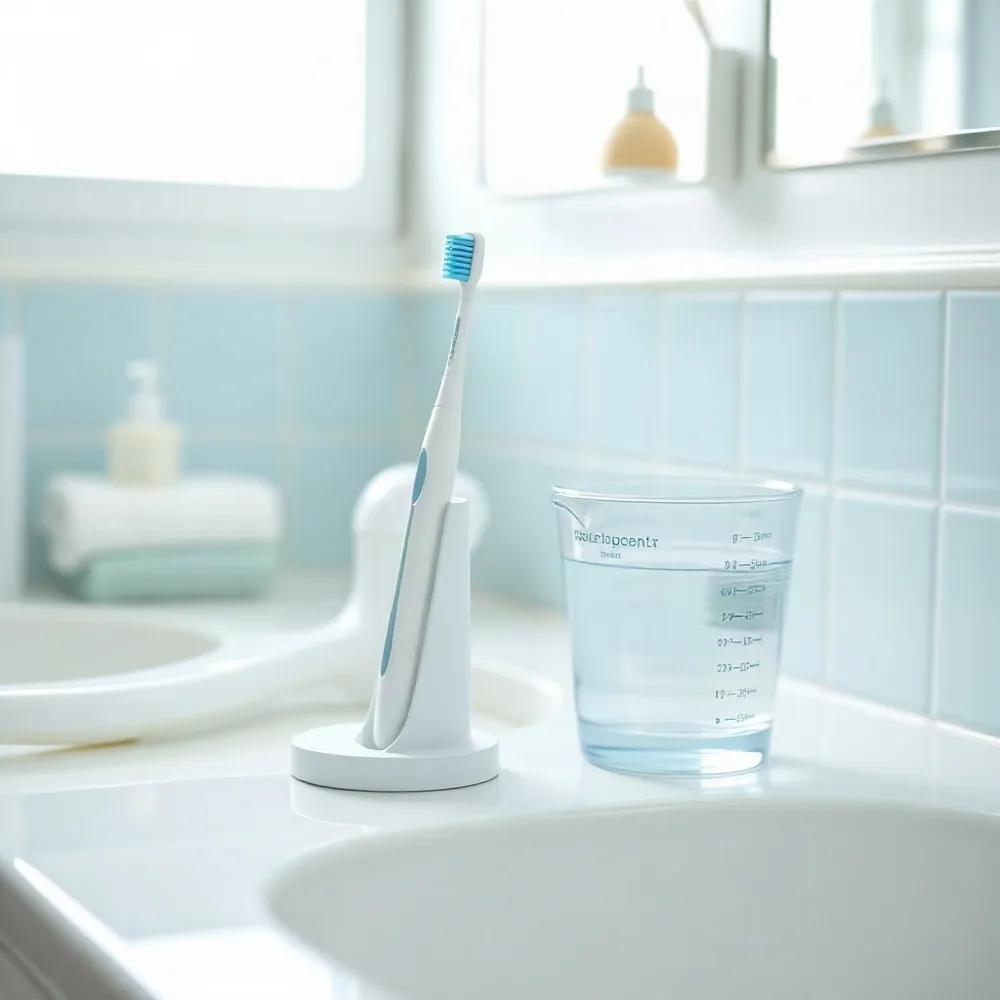 A toothbrush does not need to be sterile. Rinsing away toothpaste and debris, then letting the brush air-dry, is generally enough for routine care. The American Dental Association notes that toothbrushes can hold microorganisms, but there is no evidence that ordinary levels cause adverse health effects.
Do sanitizers or household cleaning methods help?
Limited research suggests that soaking a brush in 3% hydrogen peroxide or antibacterial mouthwash can reduce bacteria, but routine sanitizing is not essential. The Cleveland Clinic’s toothbrush-cleaning guidance says special disinfecting methods are unnecessary for most people. Vinegar, salt, and baking soda are not necessary disinfectants, and the sources here do not establish a benefit to soaking in them.
If you choose a sanitizer or cleaning solution, follow its instructions and the toothbrush manufacturer’s guidance. Evidence about UV devices is mixed; the ADA advises choosing an FDA-cleared device if you use one. Never put a toothbrush in a microwave or dishwasher, since heat can damage it. For routine care, keep brushes separate and replace them when worn.
What if a toothbrush falls on the floor?
If it lands on a bathroom floor, replacing it is the safest choice, especially if it looks dirty or the floor may be contaminated. Rinsing can remove visible debris but may not remove every germ. Keeping a spare on hand can prevent a missed brushing. For personal concerns after illness or possible contamination, ask a dentist. At Best Choice Dental’s family-oriented practice in Totowa, patients can also raise questions about everyday oral care during a visit.
What Happens During Professional Cleaning
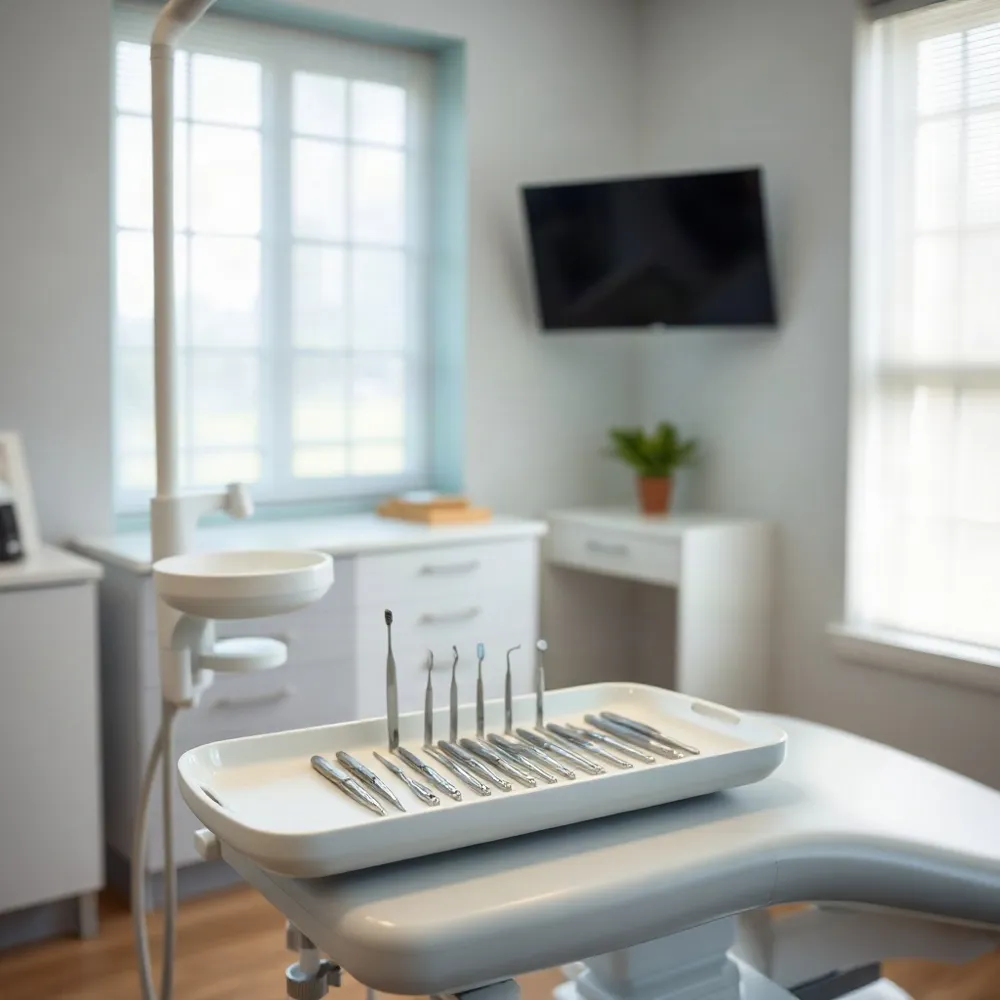 A professional cleaning can include more than polishing. At Best Choice Dental, the dental team provides care tailored to each patient, choosing methods based on oral health, comfort, and dental work.
What toothbrush do dentists use during a professional cleaning?
Dentists and hygienists typically polish with a powered handpiece fitted with a small rotating rubber cup or brush. After tartar is removed, polishing paste helps clear surface stains and soft deposits. The tool and paste can be selected to suit the patient’s teeth, gums, and dental work.
This is different from brushing at home and does not replace it. Daily care with a soft-bristled manual or electric toothbrush remains important; the dental team can suggest an option that fits your needs. Professional cleanings also remove hardened tartar that brushing cannot clear, as NIDCR explains.
What newer technologies or methods may be used for professional teeth cleaning?
A cleaning may combine hand instruments with an ultrasonic scaler. Its high-frequency vibrations loosen plaque and tartar, including buildup near or below the gumline. Air-polishing uses a controlled stream of air, water, and fine powder to remove surface stains and biofilm, and may feel gentler for some patients.
When gum disease is present, scaling and root planing may be recommended to clean beneath the gums and smooth tooth roots. Digital periodontal measurements can help track gum health over time, and some practices use lasers as part of gum treatment. Best Choice Dental offers comprehensive care, with the appropriate approach guided by each patient’s oral health and comfort. Ask the dental team to explain the options and what to expect.
A Few Habits Make Care Easier
A family toothbrush routine can stay simple: rinse each brush after use, let it dry upright in open air, keep bristles from touching, and replace brushes when they are worn or due for a change. Extra soaking or special disinfecting is generally unnecessary for everyday care.
Children may need help keeping brushes separate and remembering when a brush needs replacing. If illness, oral irritation, or another concern makes you unsure what to do, ask your dental team for advice suited to your family. At Best Choice Dental in Totowa, patients of all ages can discuss their oral-health needs with a team focused on personalized, comfortable care.