A Crown Made Chairside
CEREC is an in-office system that uses digital scans and computer-aided design and manufacturing to create custom ceramic restorations, including crowns. Rather than sending a physical impression to an outside laboratory, the dentist can use the scan to design a crown and mill it from a ceramic block at the practice. Healthline’s guide to CEREC crowns explains how the process can bring design, fabrication, and fitting together in one visit.
At Best Choice Dental in Totowa, digital CEREC technology supports a personalized approach to crown treatment. Whether a crown can be completed the same day depends on the tooth’s condition, the treatment required, and the dentist’s assessment. The dentist can explain whether chairside fabrication suits your needs and what to expect during the appointment.
From Tooth Preparation to Crown Placement
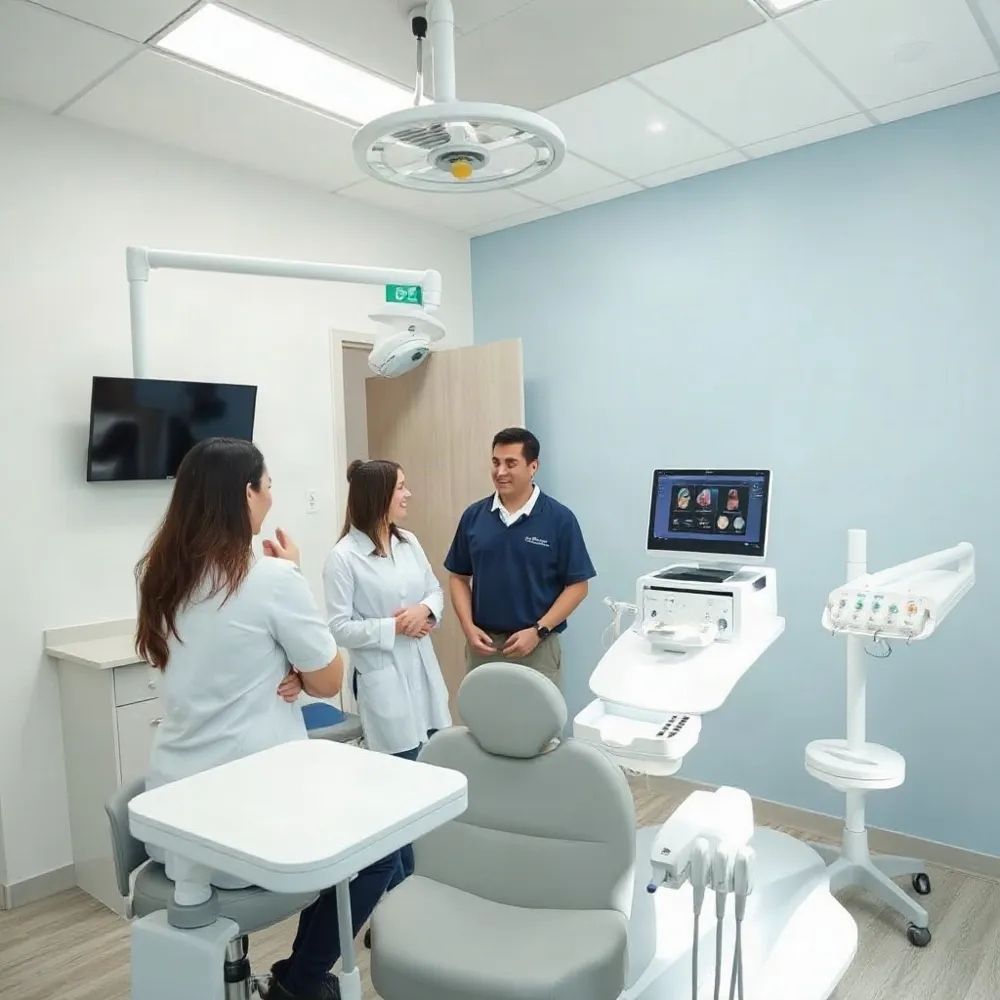 A dental crown is a cap fitted over a tooth to protect or restore one that is damaged, worn, or weakened. A CEREC crown is a custom ceramic version designed and made in the dental office, sometimes allowing treatment and placement in one visit.
At Best Choice Dental, the dentist first examines the tooth and prepares it for the restoration. An intraoral camera captures digital images, which provide a model for designing a crown that fits the prepared tooth and works with the patient’s bite.
Computer-aided design (CAD) software is used to shape the crown digitally. Computer-aided manufacturing (CAM) then guides a milling machine as it carves the restoration from a ceramic block. The milling step may take about 15 minutes, but it is only one part of the appointment.
After milling, the dentist checks the crown’s fit and appearance, makes any needed adjustments, and bonds it in place. Preparation, scanning, design, fitting, and placement mean a full appointment may take around one to two hours. The actual time varies with the tooth, treatment needs, and practice.
A digital scan and in-office fabrication can make the process more convenient, but they do not make every tooth a candidate for CEREC. The dentist assesses the tooth and the patient’s needs before recommending a crown or deciding whether this method is appropriate.
Choosing Ceramic Crown Materials
 CEREC describes the digital design-and-milling process, not one specific ceramic composition. The system can make a restoration from different dental materials, so the crown material is a separate decision based on the tooth and treatment plan.
Ceramic is commonly used for CEREC crowns. Its tooth-colored surface can be shaped and matched to nearby teeth to help the restoration blend with a smile. Healthline notes that CEREC crowns are commonly made from strong ceramic, while other crown materials include zirconia and porcelain-fused-to-metal (CEREC crown materials).
Zirconia and lithium disilicate are also dental ceramic options. However, the available information does not establish a universal material choice or a reliable performance comparison for every CEREC case. “Porcelain” is often used broadly for dental ceramics, so it is useful to ask the dentist which specific material is being considered.
The right option depends on where the tooth sits, the forces from the bite, the restoration required, and appearance goals. At Best Choice Dental, the choice can be discussed as part of personalized care, with the dentist explaining which materials are available and appropriate for the individual tooth.
CEREC technology supports the design and fabrication process, while the dentist’s assessment guides material selection. This distinction helps patients compare options without assuming every CEREC crown uses the same ceramic or that one material suits every case.
Same Visit and Traditional Crown Options
 With CEREC, scanning, digital design, and milling take place in the dental office. If the tooth and treatment plan are suitable, the dentist may fit the permanent crown during the same visit, avoiding a temporary crown and a separate placement appointment. Best Choice Dental uses digital imaging and in-office crown technology as part of its restorative care; the team assesses each tooth before recommending an approach.
Traditional crowns are usually made by an outside dental laboratory. The process can involve sending impressions or scans to the lab, wearing a temporary crown while the permanent one is made, and returning for placement. Healthline’s overview of CEREC crowns describes this difference and notes that CEREC may allow eligible patients to receive a crown in one visit.
Traditional crowns also offer a wider range of materials, including metal and porcelain-fused-to-metal options, while CEREC crowns are commonly ceramic. The right choice depends on the tooth, the forces it must withstand, the treatment required, and the patient’s preferences. Best Choice Dental can discuss these factors alongside the available restorative options rather than assuming a same-visit crown fits every case.
Digital design does not replace the dentist’s clinical checks. The dentist must assess the crown’s fit and bite, and may make adjustments before placement. CEREC is not suitable for every tooth or treatment situation, and availability varies by practice. Costs also depend on the case and insurance; Healthline notes that CEREC crowns may cost more than some other crown types. Patients can ask about materials, alternatives, and expected fees before deciding.
Care and Crown Longevity
A CEREC crown is described as sturdy and resistant to abrasion, but that does not mean it has a guaranteed lifespan. The available Healthline information on CEREC crown durability does not establish one typical number of years, so be cautious about universal lifespan estimates.
How long a crown lasts can depend on its material and fit, the tooth’s location, bite forces, and care of the crown and the tooth beneath it. Regular brushing and flossing help support oral health, while dental visits give your dentist a chance to check the crown and identify concerns. At Best Choice Dental, digital scanning supports crown planning; patients can ask the dentist how their individual bite and tooth condition may affect care.
If you grind your teeth, notice a change in your bite, or have discomfort, raise it with your dentist. They can assess whether an adjustment or protective measure is appropriate. For more on CEREC crown care and longevity, discuss a care routine suited to your circumstances.
Costs and Insurance Questions
How much does a CEREC crown cost, and may insurance cover it?
Healthline reports that some dentists charge about $500 to $1,500 per tooth for a CEREC crown. This is an estimate, not a current or universal price quote, and actual fees depend on the treatment, dentist’s experience, location, and insurance coverage. Healthline’s CEREC crown guide explains that dental plans may cover some or all of a crown, depending on plan terms and whether the treatment is considered necessary.
Before treatment, ask Best Choice Dental for a practice estimate and confirm your benefits directly with your insurer. The office can help clarify the proposed treatment and expected charges, while your insurer can explain how your plan applies to the crown.
For more on the factors that can affect crown expenses, see cost and insurance considerations for CEREC crowns.
A Personalized Treatment Decision
Digital scanning and in-office milling can make crown treatment more convenient for some patients by reducing the need for a temporary crown and a separate placement visit. Still, same-visit treatment is not suitable for every tooth or situation, as Healthline’s overview of CEREC crowns explains.
At Best Choice Dental, the dentist can assess the tooth and discuss ceramic and other material options, treatment timing, and likely costs. Ask which approach fits your dental needs, what your insurance may cover, and what to expect during treatment before deciding.