When Teeth Need Help: The Journey to Restoration
Restorative dentistry focuses on repairing or replacing damaged or missing teeth, helping improve oral health and function while also restoring the natural beauty of your smile. Its procedures fill the gap between daily comfort and long-term well-being.
A compromised tooth affects more than just your bite. It can make eating and speaking difficult, and the appearance of chips, cracks, or gaps often erodes confidence. Over time, untreated damage may allow bacteria to collect in hard-to-clean areas, raising the risk of infection, further decay, and even systemic health concerns such as cardiovascular disease and poor nutrition.
Modern dentistry provides a full spectrum of solutions, from a single-visit dental bonding repair for a small chip to permanent replacements like dental implants for a missing tooth. A thorough examination by a family-oriented practice — such as Best Choice Dental in Totowa, New Jersey — helps determine the most appropriate path based on the extent of damage, tooth location, and your long-term goals.
Common Causes of Tooth Damage and Decay
 Tooth damage often begins with what we eat and drink. Sugary and acidic foods erode enamel and feed the bacteria that cause decay. Hard substances like ice, hard candy, or popcorn kernels can chip or fracture a tooth, especially if it already has some weakness. Sticky foods like dried fruit and caramels cling to teeth, prolonging acid attacks on the enamel.
Certain habits also put teeth at risk. Chewing on non-food objects, drinking alcohol excessively, or sipping soda throughout the day can erode enamel and reduce saliva flow. The Cleveland Clinic notes that decay is one of the primary reasons people need restorative dentistry. Poor oral hygiene, including infrequent brushing and flossing, allows plaque to build up and speed up damage.
At Best Choice Dental in Totowa, we help patients identify these risks early and create a plan to protect their smile. Addressing these common causes of damage early can prevent more serious issues down the road.
When Can a Damaged Tooth Be Repaired?
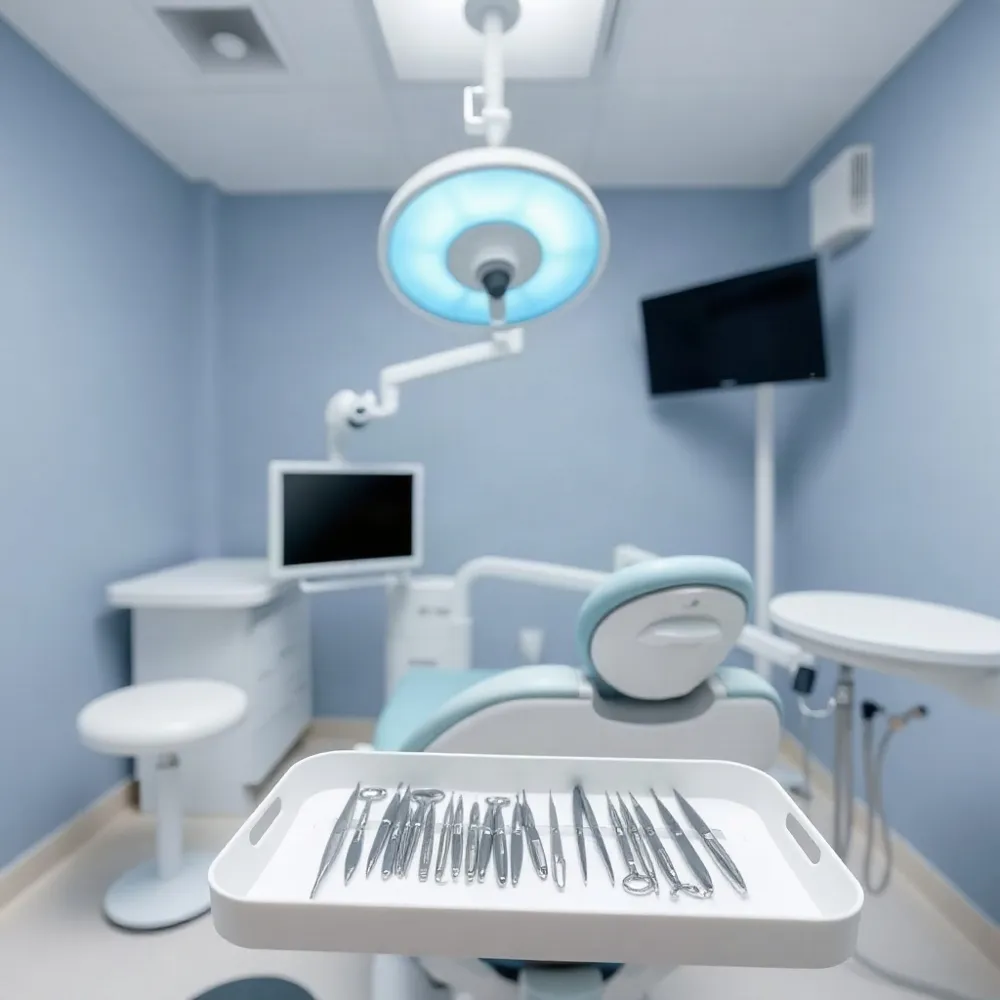 In many cases, a damaged tooth can be successfully repaired. The right treatment depends on the severity and location of the damage. Restorative dentistry aims to preserve as much natural tooth structure as possible, and advancements in materials mean more options exist today than ever before.
A small chip in the enamel, for example, may only require dental bonding or simple contouring, a procedure often completed in a single office visit. According to the Cleveland Clinic, bonding uses a tooth-colored composite resin that can repair chips, cracks, and gaps on front teeth with minimal enamel removal.
Deeper cracks or fractures that affect the tooth's structure may require a dental crown. A crown fits over the entire visible portion of the tooth, restoring its shape, strength, and ability to withstand chewing forces. At Best Choice Dental, patients with more significant damage often benefit from the full coverage and protection a crown provides.
For teeth that are split vertically or have severe fractures below the gum line, a dental implant may be the most reliable long-term solution. The Cleveland Clinic describes implants as small threaded posts that replace missing tooth roots and function like natural teeth, helping to preserve jawbone health and maintain facial structure. Seeking a prompt dental evaluation is critical, as delaying treatment can turn a manageable repair into an emergency situation.
Bonding vs Crowns: Choosing the Right Front Tooth Repair
Choosing between dental bonding and a crown for a front tooth comes down to the extent of the damage. A crown covers the entire visible portion of a tooth, making it the right choice for a tooth that is significantly cracked, weakened by a large filling, or has undergone a root canal. In contrast, bonding uses a tooth-colored composite resin to repair minor issues like small chips or gaps, without removing any enamel.
Dental bonding. A conservative cosmetic repair that adds material to a healthy tooth to fix small chips, cracks, or gaps. The procedure is minimally invasive and often completed in a single visit, preserving the natural tooth structure.
Dental crown. A protective cap that encases a structurally compromised tooth. It is used for teeth with large fractures, extensive decay, or those needing reinforcement after a root canal. Placing a crown requires permanently reducing the tooth's enamel.
The decision often hinges on how much healthy tooth structure remains. For a front tooth that is essentially sound, bonding is the more conservative and reversible path. If the tooth is structurally weakened, a crown provides the necessary support to prevent further damage and restore full function. At Best Choice Dental, the focus is on a personalized evaluation to determine which approach best balances preservation of natural structure with long-term protection.
Understanding the Difference: Tooth Restoration vs Fillings
Understanding the Difference: Tooth Restoration vs Fillings
The terms are often used interchangeably, but a filling and a restoration address very different levels of tooth damage. A filling is a specific procedure designed to repair a small cavity by "plugging" a hole after decay is removed. Tooth-colored composite resin is a common material for this purpose, and the procedure stops the decay from progressing.
Restoration, however, is a broader category of treatments aimed at rebuilding a tooth's structure and function when the damage is more extensive. This includes procedures like crowns, onlays, inlays, bridges, and implants. Unlike a simple filling, a restoration is designed to cover or replace compromised tooth structure, such as a tooth that needs cuspal coverage after a large fracture or one that has undergone a root canal therapy. The goal is a longer-term, comprehensive solution that closely mimics the original tooth's strength and appearance.
At Best Choice Dental, we offer both fillings and full restorations as part of our commitment to personalized care. A thorough examination helps determine the right option for you — a conservative filling for a minor cavity, or a custom restoration like a crown for a tooth needing comprehensive support. Both options are available to ensure your smile remains healthy and functional.
Dental Bonding: Longevity, Cost, and Insurance Coverage
For patients considering dental bonding, understanding how long the results last, what the procedure costs, and how insurance applies helps in making an informed decision. The answers vary based on the tooth's location, the patient's habits, and the reason for treatment.
How Long Does Dental Bonding Last?
According to the Cleveland Clinic, dental bonding material typically lasts between three and 10 years before needing a touch-up or replacement. The actual lifespan depends on where the bonding is placed, your oral hygiene, and habits like biting nails or chewing ice. Bonding on back teeth that absorb heavy chewing pressure may wear faster than bonding on front teeth.
At Best Choice Dental in Totowa, we monitor your bonded teeth during routine check-ups and let you know when a refresh is needed. Regular visits and good home care can add years to your restoration.
What Is the Typical Cost of Dental Bonding?
The national average cost for dental bonding is around $431 per tooth, with reported ranges from $288 to $915, depending on the complexity of the repair and the number of teeth treated. Dentists usually charge per tooth. While bonding is one of the least expensive cosmetic dental procedures, prices can vary based on the dentist's experience, location, and the amount of composite resin required.
We provide transparent pricing and a clear breakdown of costs before any treatment begins, so there are no surprises.
Is Dental Bonding Covered by Insurance?
Coverage depends on the reason for the procedure. When a dentist uses bonding for restorative purposes, such as repairing a cavity or a small chip, a standard dental insurance plan may partially cover it. You may still be responsible for a copay or deductible. However, when bonding is performed purely for cosmetic reasons, such as closing small gaps or reshaping a tooth, insurance typically does not cover it.
We recommend verifying your specific benefits with your insurance provider before your visit. The team at Best Choice Dental can help you understand your plan and discuss flexible payment options to make care accessible.
When a Tooth Cannot Be Saved
Not every damaged tooth can be repaired. While restorative dentistry, including the services offered at Best Choice Dental, is designed to save teeth through fillings, crowns, and root canals, some situations reach a point where the tooth is no longer fixable. The decision to extract a tooth is never taken lightly, but it is sometimes the best path to protect your overall oral health.
Severe decay is the most common reason a tooth cannot be saved. If cavities are left untreated for too long, they can destroy so much of the tooth's healthy structure that there is nothing left to support a filling or a crown. At that stage, the decay has reached the pulp and compromised the tooth's integrity beyond repair.
Deep cracks or fractures that extend below the gum line present another situation where restoration is not possible. Even if the visible part of the tooth appears intact, a crack that reaches the root allows bacteria to enter, causing infection and making the tooth unstable. Such fractures often result from trauma, grinding, or biting on hard objects.
Advanced gum disease, or periodontitis, can cause significant bone loss and looseness. When the supporting bone structure around a tooth deteriorates, the tooth becomes mobile and cannot be stabilized. In these cases, extraction helps preserve the remaining bone and gum tissue and prevents the infection from spreading to neighboring teeth.
Persistent abscesses or infections that return despite repeated root canal treatment indicate that the infection is entrenched and the tooth can no longer be effectively sealed or disinfected. Similarly, a tooth that causes relentless pain that cannot be managed with treatment is a strong candidate for extraction. Removing the source of infection relieves discomfort and protects the surrounding bone and teeth.
When a tooth reaches this stage, extraction is the responsible choice for your oral health. After extraction, your dentist at Best Choice Dental will discuss replacement options such as dental implants, bridges, or partial dentures to restore function and prevent shifting of surrounding teeth. A thorough examination helps determine the best plan for your long-term health.
What to Expect: Pain and Recovery in Tooth Restoration
 The prospect of dental work often comes with anxiety about pain, but modern restorative procedures are designed with patient comfort as a priority. Your dentist will use a local anesthetic to numb the specific area being treated, ensuring you remain comfortable throughout the process. This allows you to undergo procedures like fillings, crowns, or bonding without feeling sharp sensations.
After the anesthetic wears off, it is common to experience some temporary sensitivity or mild discomfort. This sensation, which usually subsides within a few days, is the tooth adjusting to its new restoration. The level of sensitivity can vary; for example, a deeper cavity that was close to the tooth's nerve may cause more pronounced sensitivity afterward. It is important to remember that the goal of restoration is to relieve the pain caused by decay or damage, not to create new pain, and this mild ache is often a sign of healing.
The recovery timeline depends on the procedure. A single filling typically allows you to resume normal activities immediately, while more involved treatments like multiple implants may require a couple of days of rest. If you experience sharp or prolonged pain after your restoration, it is important to contact your dentist, as it could indicate an underlying issue like nerve irritation that needs attention. At Best Choice Dental in Totowa, NJ, we provide clear guidance on post-procedure care to support your recovery every step of the way.
Anesthesia. Local anesthetic numbs the treatment area, ensuring a pain-free experience during the procedure.
Sensitivity. Mild, temporary sensitivity after the anesthetic wears off is normal and typically resolves in a few days.
Healing. Any mild ache is a sign of healing, as the tooth adjusts to the new restoration.
Follow-up. Contact your dentist if you experience sharp or prolonged pain, as it may require further evaluation.
Restore Your Smile with Confidence
Modern restorative dentistry can address nearly any type of dental damage, from a small chip to a missing tooth. Seeking treatment early prevents minor issues from becoming complex problems and protects your overall health.
For personalized care in Totowa, schedule a consultation at Best Choice Dental. Their team will help you choose the right restoration to restore both function and confidence in your smile.