Introduction
Cosmetic Dentistry in 2026
Cosmetic dentistry focuses on improving the appearance of your teeth, gums, and overall smile. In 2026, it is more than a vanity pursuit—it is a gateway to enhanced confidence, social engagement, and emotional well-being. According to the American Academy of Cosmetic Dentistry, nearly all adults view a smile as a crucial social asset, and many believe an unattractive smile can hinder career success. Modern cosmetic treatments are designed to bring balance, symmetry, and a natural look to your smile while often supporting long-term oral health.
Types of Cosmetic Dental Treatments
Teeth Whitening remains the most popular and accessible cosmetic procedure. Professional in-office whitening can lighten teeth by 5 to 10 shades in about an hour, using stronger bleaching agents than over-the-counter products. For those who prefer home-based care, custom take-home kits offer gradual yet effective results. Advances in 2026 include nanotechnology gels that reduce sensitivity and flexible peroxide levels for personalized treatment. The procedure is ideal for removing stains from aging, coffee, wine, or tobacco.
Porcelain Veneers are ultra-thin ceramic shells that cover the front surface of teeth to correct discoloration, gaps, chips, minor misalignment, or irregular shapes. Modern veneers boast natural translucency and stain resistance. The process begins with a digital smile design and 3D imaging, allowing you to preview results before treatment begins. With proper care, veneers can last 10 to 15 years. A fast-growing trend is minimal-prep veneers, which require less enamel removal and offer a less invasive option.
Dental Bonding uses tooth-colored composite resin to repair minor chips, cracks, or gaps. This single-visit procedure is cost-effective and minimally invasive, with immediate results. Advances in nano-hybrid composites ensure durability and a natural appearance. Bonding is an excellent choice for small cosmetic improvements without extensive procedures.
Clear Aligners like Invisalign provide a nearly invisible way to straighten teeth. Guided by AI-powered 3D imaging, these custom trays gently move teeth into proper alignment over 6 to 18 months. Beyond aesthetics, well-aligned teeth are easier to clean, reducing cavity and gum disease risk, and correcting bite issues that can cause jaw discomfort. The aligners are removable for eating, drinking, and brushing.
Gum Contouring reshapes the gum line to correct a ‘gummy smile’ or asymmetrical tissue. Laser technology makes this procedure precise and minimally invasive, with rapid recovery. By exposing more tooth structure, it enhances smile symmetry and balance.
Dental Implants are a permanent solution for missing teeth, offering the highest level of strength and durability. Titanium or ceramic posts are surgically placed into the jawbone, fusing with bone to support a natural-looking crown. Implants prevent bone loss and preserve facial contours. Costs range from $900 to $3,000 per tooth, with a potential lifespan of a lifetime with proper care.
Smile Makeovers combine multiple treatments—such as whitening, veneers, bonding, and gum contouring—into a personalized plan. Digital smile design and 3D printing allow dentists and patients to collaborate on the final look, creating harmony between aesthetics and function.
Cost Considerations
Cosmetic dentistry is generally not covered by insurance, as it is considered elective. However, many practices offer payment plans or in-house savings programs. Below is a general cost guide for popular treatments in 2026:
| Treatment | Average Cost (per tooth/procedure) | Lifespan of Results |
|---|---|---|
| Teeth Whitening (in-office) | $400 – $1,000 | 6 months to 3 years |
| Porcelain Veneers | $925 – $3,000 per tooth | 10 to 15 years |
| Dental Bonding | $300 – $600 per tooth | 5 to 8 years |
| Clear Aligners | $3,000 – $7,000 (full treatment) | Permanent with retainer use |
| Gum Contouring | $500 – $3,000 per arch | Permanent |
| Dental Implants | $900 – $3,000 per tooth | 15+ years to lifetime |
| Smile Makeover (comprehensive) | $5,000 – $30,000+ | Varies by combination |
Future Trends in Cosmetic Dentistry
Technology continues to reshape cosmetic dentistry in 2026. Digital Smile Design (DSD) uses 3D scans and AI to simulate outcomes before any procedure begins, boosting patient satisfaction. 3D printing enables same-day restorations like crowns and veneers, reducing appointment times. Biocompatible materials—advanced ceramics and nanocomposites—offer natural translucency and durability while being eco-friendly. Laser dentistry supports precise gum contouring with minimal discomfort. Teledentistry and virtual consultations make initial planning more convenient. Research into enamel regeneration and genetic personalized whitening is promising, though not yet standard. These innovations allow patients to achieve natural, lasting results with less downtime and greater predictability.
Key Facts: Cosmetic Dentistry Procedures and Trends for 2026
- Professional teeth whitening uses stronger bleaching agents and LED light to lighten teeth five to ten shades in a 60-90 minute visit costing about $650 with results lasting six months to three years.
- Porcelain veneers are ultra-thin ceramic shells that cost $925–$2,500 per tooth, correct chips, gaps, discoloration, and last 10 to 15 years with proper care.
- Dental bonding is a single-visit, minimally invasive procedure using composite resin costing $300–$600 per tooth, lasting 5 to 8 years.
- Invisalign uses AI-guided 3D imaging to create custom transparent aligners over 6–18 months, costing $3,000–$7,000, and improves alignment and oral health.
- Gum contouring reshapes excess gum tissue with laser technology, is minimally invasive under local anesthesia, and provides immediate permanent results.
- Porcelain crowns cost $1,000–$3,500 per tooth, require two visits, cover damaged teeth, and last 10 to 15 years.
- Dental implants involve titanium post surgery, cost $900–$3,000 per tooth, fuse with jawbone, and can last a lifetime with proper care.
- A smile makeover combines multiple treatments like whitening, veneers, bonding, Invisalign, and gum contouring, using digital smile design for predictable results.
- Cosmetic dentistry is not a recognized specialty by the ADA but requires advanced training through organizations like the AACD.
- The 50-40-30 rule is an aesthetic guideline for balanced tooth-to-gum proportions in veneers, contouring, and smile makeovers.
1. Teeth Whitening
What to Expect from Professional teeth whitening
Professional teeth whitening is a fast, non-invasive way to brighten your smile. In-office treatments use stronger bleaching agents than over-the-counter products, often paired with LED light technology to accelerate results. The procedure takes 60–90 minutes and can lighten teeth by five to ten shades in a single visit. For convenience, many dentists also offer custom take-home kits with professional-grade gel.
Cost and Longevity of Results
While at-home kits are cheaper, professional whitening delivers longer-lasting results and minimizes sensitivity. In-office whitening typically costs around $650 per visit. With proper care—limiting staining foods, avoiding tobacco—results can last from six months up to three years. Touch-up treatments help maintain brightness over time.
Ultimately, professional whitening provides dramatic, safe results under a dentist’s supervision, making it the most popular cosmetic dentistry choice for a quickly revitalized smile.
2. Dental Veneers
What Does the Procedure Entail?
Porcelain veneers are ultra-thin ceramic shells custom-crafted to cover the front surface of your teeth. The process begins with a detailed consultation, digital smile design, and 3D imaging, allowing you to visualize the expected result before any work begins. A thin layer of enamel is gently removed to ensure a precise fit, and the veneers are bonded to your teeth with dental cement.
How Much Do Veneers Cost?
The cost of porcelain veneers typically ranges from $925 to $2,500 per tooth. While this is a significant investment, you are paying for exceptional durability and natural aesthetics. Many dental practices offer payment options or in-house savings plans to make the treatment more accessible.
What Results Can You Expect?
Veneers effectively correct stubborn discoloration, chips, gaps, minor misalignment, and worn enamel. With proper care, they last 10 to 15 years. Modern materials provide natural translucency and are resistant to staining, delivering a long-lasting, bright smile that blends seamlessly with your natural teeth.
3. Dental Bonding
3. Dental Bonding: A Fast, Affordable Fix for Minor Imperfections
Dental bonding is a minimally invasive cosmetic treatment that uses a tooth-colored composite resin to repair minor imperfections like chips, cracks, gaps, and discoloration. Often completed in a single office visit, the procedure is straightforward and usually requires no anesthesia. The dentist gently roughens the tooth surface, applies a conditioning liquid, then sculpts and shapes the soft resin to match your natural tooth. A special light hardens the material, and the final result is polished to a seamless finish.
One of bonding's major advantages is its cost-effectiveness. The typical price ranges from $300 to $600 per tooth, making it a budget-friendly alternative to veneers. While results are immediate, they are not permanent. With proper care—avoiding biting hard objects and maintaining good oral hygiene—bonding can last between 5 and 8 years before needing a touch-up or replacement.
| Aspect | Details | Care Tips |
|---|---|---|
| Procedure | Single visit, no drilling, resin sculpted and cured | Avoid staining foods (coffee, tea) for 48 hours |
| Cost | $300–$600 per tooth | Use non-abrasive toothpaste |
| Results | Immediate, lasts 5–8 years | Regular dental checkups |
For patients seeking a quick, low-commitment way to enhance their smile, modern nano-hybrid composites offer improved durability and a natural, lifelike appearance that blends beautifully with surrounding teeth.
4. Invisalign
What Is The Clear Aligner Procedure Like?
Invisalign uses advanced 3D imaging and AI-guided planning to create a series of custom, transparent aligners. These virtually invisible trays gently move your teeth into proper alignment over a treatment period of 6 to 18 months. The aligners are removable for eating, drinking, and brushing, making daily hygiene simple. This discreet option is popular among adults and teens seeking a less noticeable alternative to metal braces.
How Much Does Invisalign Cost?
The cost of clear aligner treatment typically ranges from $3,000 to $7,000 depending on the complexity of your case, treatment duration, and your geographic location. Many dental practices offer payment plans or financing options to make this investment more accessible.
What Results Can You Expect?
Beyond a straighter smile, properly aligned teeth are easier to clean, which reduces the risk of cavities and gum disease. Invisalign also corrects bite issues that can contribute to jaw discomfort or TMJ problems. Patients report significant improvements in confidence and overall oral health, with results that can last a lifetime when retainers are worn as directed.
5. Gum Contouring
What does the procedure involve?
Gum contouring, also known as gingival sculpting, reshapes the gum line to correct a “gummy smile” or uneven tissue. Using precise laser technology, the dentist removes excess gum tissue to expose more of the tooth surface. The procedure requires only local anesthesia, is minimally invasive, and typically causes little to no bleeding.
How much does it cost?
Costs vary based on the extent of reshaping needed. Many dental offices offer consultations to provide a personalized estimate, and payment plans are often available.
What results can I expect?
Results are immediate and permanent with proper care. By creating a symmetrical, balanced gum line, contouring dramatically enhances the overall appearance of your smile. Recovery is quick, with most patients returning to normal activities within a day. Laser technology minimizes discomfort and speeds healing.
6. Porcelain Crowns
How Does the Porcelain Crown Procedure Work?
A porcelain crown, often called a cap, completely covers a damaged or weakened tooth. The procedure typically requires two visits. During the first visit, your dentist reshapes the tooth, takes digital impressions, and places a temporary crown. In the second visit, the custom-made crown is cemented into place, restoring the tooth's shape, size, and strength.
What Is the Cost of Porcelain Crowns?
The cost of a porcelain crown in 2026 typically ranges from $1,000 to $3,500 per tooth. The exact price depends on the material (all-ceramic vs. porcelain fused to metal), the number of surfaces, and your dentist's expertise. While cosmetic crowns are often elective, some insurance may cover them if they are deemed necessary for restoring function.
What Results Can You Expect?
Modern porcelain crowns are crafted to blend seamlessly with your natural teeth. With proper care, they can last 10 to 15 years. Crowns restore chewing function, improve the appearance of decayed or broken teeth, and can even close small gaps, delivering a long-lasting cosmetic and restorative solution.
7. Dental Implants
What is the dental implant procedure?
Dental implants replace missing teeth with a permanent, natural-looking solution. A titanium or ceramic post is surgically placed into the jawbone, acting as an artificial root. After a healing period of a few months, the implant fuses with the bone. Then a custom abutment and crown are attached, restoring full function and appearance. Our practice uses advanced 3D imaging and digital planning to ensure precise placement.
How much do dental implants cost?
The average cost per implant tooth ranges from $900 to $3,000, depending on complexity and materials. While initially an investment, implants offer exceptional long-term value by preventing bone loss and protecting surrounding teeth.
What results can you expect?
Implants are designed to last a lifetime with proper care. They restore chewing ability, preserve facial contours, and blend seamlessly with natural teeth. Patients report a significant boost in confidence and oral health. Our experienced team, including fellowship-trained implantologists, ensures a comfortable, personalized treatment journey.
8. Smile Makeover
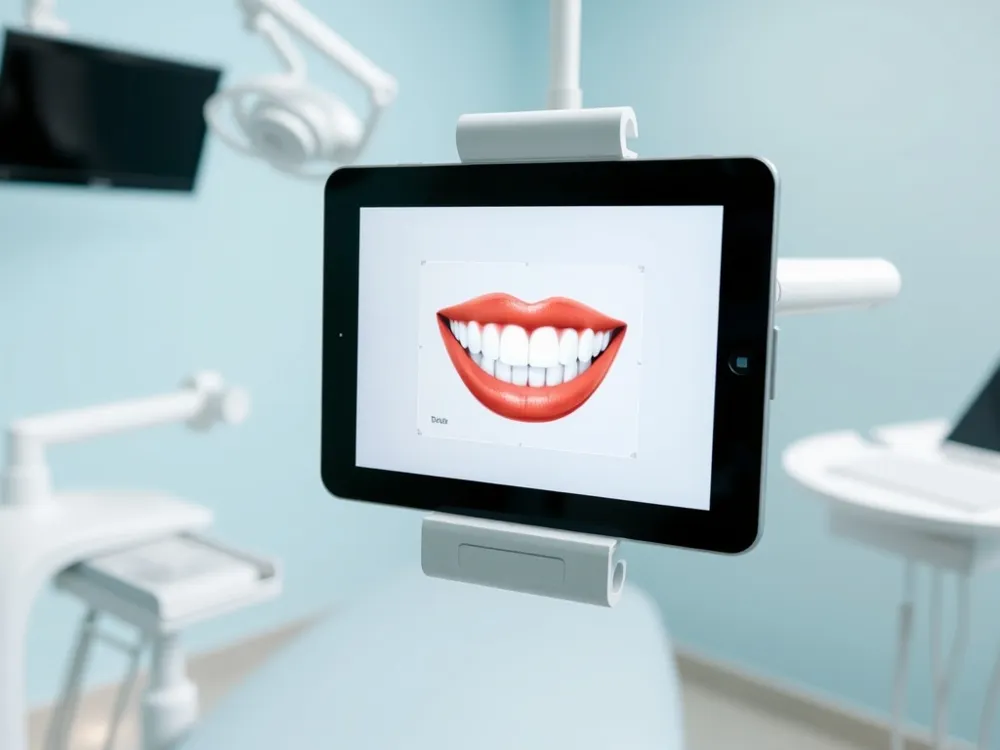 A smile makeover is a customized plan that combines several cosmetic treatments—such as professional whitening, porcelain veneers, dental bonding, Invisalign clear aligners, and gum contouring—to achieve your ideal smile. Modern practices use digital smile design and 3D imaging to preview results before any work begins, ensuring a predictable outcome that matches your facial features and aesthetic goals.
Costs vary widely based on the procedures selected. Professional whitening typically ranges from several hundred to $1,000. Porcelain veneers cost $1,000–$3,000 per tooth, while dental implants run $900–$3,000 per tooth. Invisalign treatment generally falls between $3,000 and $7,000. Most cosmetic dentistry is not covered by insurance, but many offices offer payment plans or in-house savings programs.
Results are both aesthetic and functional: patients report significant boosts in self-esteem and confidence, along with improved oral health when addressing alignment or bite issues. Longevity depends on the treatments: whitening lasts up to 3 years, bonding 5–8 years, veneers 5–15 years, and implants can last a lifetime with proper care. A smile makeover is a comprehensive investment in your appearance and well-being.
What is Cosmetic Dentistry?
Cosmetic dentistry focuses on improving the appearance of your teeth, gums, and overall smile. While general dentistry primarily addresses oral health issues like cavities, gum disease, and routine cleanings, cosmetic dentistry aims to enhance aesthetic elements such as color, shape, size, alignment, and symmetry. Procedures like teeth whitening, veneers, bonding, and gum contouring fall under this umbrella. Many cosmetic treatments also offer restorative benefits, correcting functional issues alongside aesthetic ones. The goal is to create a balanced, harmonious smile that boosts confidence and complements your facial features.
Is Cosmetic Dentistry a Recognized Specialty?
Cosmetic dentistry is not a formally recognized dental specialty by the American Dental Association. However, it requires advanced training and certification beyond general dentistry. Many practitioners pursue continuing education through organizations like the American Academy of Cosmetic Dentistry (AACD) or earn fellowships from prestigious academies. At our Totowa practice, our dentists have completed extensive postgraduate training in aesthetic procedures, digital smile design, and advanced restorative techniques. This expertise, combined with state-of-the-art technology and a commitment to personalized care, ensures you receive exceptional cosmetic results in a comfortable, professional environment.
What are the Most Popular Cosmetic Dental Procedures?
Each year, cosmetic dentistry treatments become more advanced, effective, and accessible. Today's patients in Totowa can choose from a range of proven procedures to address specific concerns, from stubborn stains to missing teeth. Below are the most sought-after options for 2026.
Professional Teeth Whitening
Teeth whitening remains the most popular cosmetic treatment. Professional in-office systems use stronger bleaching agents under controlled conditions, delivering dramatic results in about one hour. Take-home professional kits also offer custom-fit trays for gradual, long-lasting brightness. This method is especially effective for yellowing caused by aging, food, or tobacco.
Porcelain Veneers
Veneers are ultra-thin ceramic shells bonded to the front of teeth. They correct chips, cracks, gaps, severe discoloration, and minor misalignment. Modern materials offer natural translucency and stain resistance. The process includes digital smile design for a preview, and results can last 10 to 15 years with proper care.
Clear Aligners
Clear aligners like Invisalign® use 3D imaging and AI-guided planning to gently move teeth. They are nearly invisible and removable for eating and brushing. Benefits extend beyond appearance; properly aligned teeth are easier to clean, reducing cavity and gum disease risks. Treatment typically ranges from 6 to 18 months.
Dental Bonding
Bonding uses tooth-colored composite resin to repair minor chips, cracks, or gaps in a single visit. Advances in nano-hybrid composites provide durability and a natural look. It is a cost-effective, minimally invasive option for small cosmetic adjustments.
Dental Implants
Implants replace missing teeth permanently. A titanium post is surgically placed into the jawbone, fusing with bone over several months, then topped with a natural-looking crown. Implants restore chewing function, prevent bone loss, and blend seamlessly with natural teeth.
Gum Contouring
Gum contouring reshapes uneven gum tissue or corrects a “gummy smile.” Laser technology makes the procedure precise, minimally invasive, and quick to recover from. It creates a balanced, symmetrical smile by exposing more of the tooth surface.
Dental Crowns and Bridges
Crowns (“caps”) cover damaged or weakened teeth, restoring shape and strength. Bridges replace one or more missing teeth by anchoring an artificial tooth to adjacent crowns. Modern all-ceramic options blend naturally with surrounding teeth.
Smile Makeovers
A smile makeover combines multiple procedures—such as whitening, veneers, bonding, and gum contouring—into a customized plan. Using digital smile design, dentists simulate results beforehand. This comprehensive approach addresses both aesthetics and function for a complete transformation.
Does Cosmetic Dentistry Include Braces or Orthodontics?
Overlap with Orthodontics
Cosmetic dentistry often addresses alignment issues, creating a natural overlap with orthodontics. Many cosmetic dentists offer orthodontic solutions to straighten teeth, close gaps, and correct bite problems—enhancing both appearance and oral health.
Clear Aligners
Clear aligners like Invisalign are a top cosmetic orthodontic option. Made from transparent, removable plastic, they discreetly shift teeth into proper position. These aligners improve smile aesthetics while making teeth easier to clean, reducing cavity and gum disease risk.
What is the 50-40-30 Rule in Dentistry?
What is the 50-40-30 Rule in Dentistry?
The 50-40-30 rule is an aesthetic guideline used in cosmetic dentistry to create balanced, natural-looking smiles. It helps determine ideal proportions between teeth and gums during treatment planning. This rule is applied to procedures such as porcelain veneers, gum contouring, and full smile makeovers, ensuring symmetry and harmony with facial features. Digital Smile Design (DSD) often incorporates proportional guidelines like this to preview and personalize results. By following such principles, cosmetic dentists can achieve predictable, attractive outcomes that boost confidence and enhance oral health.
Is Cosmetic Dentistry Expensive?
What Is the Price Range for Popular Treatments?
Cosmetic dentistry costs vary widely by procedure. Professional teeth whitening typically runs $400–$1,000 per session, while porcelain veneers average $925–$2,500 per tooth. Dental bonding is more affordable at $300–$600 per tooth, and clear aligners like Invisalign range from $3,000–$7,000 for full treatment. Dental implants, a restorative-cosmetic hybrid, cost $900–$3,000 per tooth.
What Drives the Final Cost?
Several factors influence the total investment. Geographic location, the dentist's expertise, material quality (e.g., ceramic vs. composite), and the number of teeth treated all play a role. As most cosmetic procedures are elective, dental insurance rarely covers them. Fortunately, many practices—like our Totowa office—offer flexible payment plans and in-house savings programs to make treatment accessible.
What is the Future of Cosmetic Dentistry?
Advances in Technology
Digital Smile Design (DSD) uses 3D scans and AI-powered planning to let patients preview results before treatment. AI diagnostics now detect early decay and gum issues with over 92% accuracy, enabling precise planning. 3D printing allows same-day crowns, veneers, and aligners, reducing appointment times. Laser dentistry makes gum contouring and whitening minimally invasive with faster recovery.
Key Trends
Minimally invasive, natural-looking results lead 2026 trends. Ultra-thin veneers preserve enamel, while clear aligners and laser contouring offer discreet, comfortable options. Patients increasingly combine treatments—like whitening before veneers or aligners with bonding—for holistic smile makeovers. Personalized care and biocompatible materials ensure both aesthetic and oral health benefits.
What are the Oral Care Trends Expected for 2026?
What are the Oral Care Trends Expected for 2026?
Oral care in 2026 is defined by a shift toward personalized, minimally invasive treatments powered by advanced technology. Patients now seek natural-looking results that preserve tooth structure, with digital tools making care more precise.
AI-driven diagnostics and 3D printing enable same-day restorations and highly accurate treatment planning. Laser dentistry offers virtually painless gum contouring, while clear aligners and ultra-thin veneers provide discreet aesthetic improvements. These innovations support both cosmetic goals and long-term oral health.
What Cosmetic Dental Services Does Best Choice Dental Offer?
Best Choice Dental offers a comprehensive range of cosmetic services to revitalize your smile. These include professional teeth whitening for dramatic brightness, porcelain veneers to correct chips and gaps, and dental bonding for minor imperfections. Invisalign clear aligners discreetly straighten teeth, while dental implants provide permanent tooth replacement. Laser gum contouring reshapes uneven gumlines. Using advanced digital scanning and 3D imaging, their team creates personalized treatment plans. To explore your options, contact Best Choice Dental in Totowa, NJ, at 973-942-3233 to schedule a consultation.
Conclusion
Cosmetic dentistry offers transformative options—whitening, veneers, bonding, aligners, and more—enhanced by digital precision and minimally invasive techniques. These treatments improve your smile, boost confidence, and support oral health. A personalized consultation with an experienced cosmetic dentist is your first step toward revitalizing your smile.