
Comfort Begins Before Treatment
For a child, a dental visit can bring together many unfamiliar things: new people, bright lights, strange sounds, equipment, and uncertainty about what will happen next. Even a routine checkup may feel daunting when a child does not know what to expect.
Comfort depends on more than cheerful decorations. A welcoming setting can help, but clear, age-appropriate explanations, time to ask questions, and a pace that respects a child’s needs also shape the experience. Families can help by describing the visit calmly and sharing any worries with the dental team beforehand.
At Best Choice Dental, a family-oriented practice in Totowa, care for patients of all ages is grounded in personalized, comfortable treatment. The practice’s broad dental services and modern approach provide a setting for families to discuss a child’s needs and understand care options. The following practical ideas show how preparation, communication, and supportive care can make visits feel more reassuring and help children build healthy oral-care habits as they grow.
A Welcoming Space for Young Patients
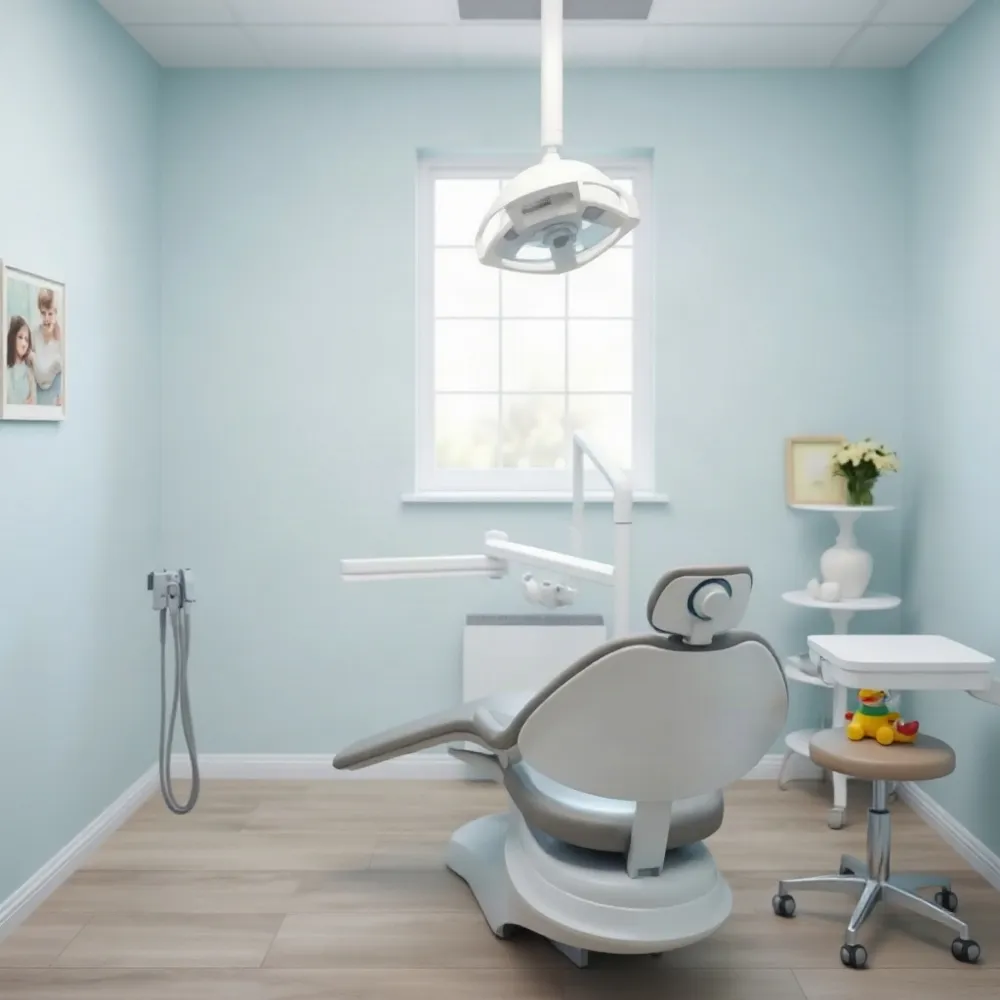
 A child’s first impression of a dental office can shape how comfortable the visit feels. Cheerful décor, child-sized furnishings, familiar pictures, and a calm waiting area can make an unfamiliar setting seem less clinical. Books, toys, games, or age-appropriate videos may also give children something reassuring to focus on while they wait or receive care.
The treatment room matters, too. A dental team can introduce equipment gradually and explain what it does before using it, rather than letting unfamiliar tools become a source of surprise. Where possible, reducing harsh sounds and bright lights can make the space feel less overwhelming, especially for children who are sensitive to noise or visual stimulation.
Comfort also depends on a clean, safe setting. Families can look for well-maintained surroundings, properly sanitized equipment, and furnishings suited to young patients. These practical details matter alongside decoration and entertainment.
These are general features families may consider when evaluating a child-friendly office, not a description of specific amenities at Best Choice Dental. The practice provides family-oriented dental care in Totowa, and parents can ask the team about the office environment and any steps that may help their child feel at ease. For more ideas on making the setting welcoming, see this guide to creating a kid-friendly office environment.
Trust Through Gentle Communication
 Clear, age-appropriate explanations help children understand what is happening without adding frightening detail. Rather than relying on unfamiliar dental terms, the team can describe a step in simple language and give the child time to take it in. Listening carefully to a child’s concerns also shows that their questions and feelings matter.
A practical approach is tell-show-do: explain what will happen, demonstrate the tool or action in a non-threatening way, then proceed gently. For example, a dentist might describe a mirror as a tool for looking at teeth, let the child see it first, and only then begin the examination. The method is outlined in Best Choice Dental’s guide to helping children feel at ease in the dental chair.
Small choices can help children feel involved, such as asking whether they would like to sit up or recline, or inviting them to choose which tooth to count first. When appropriate, letting a child inspect a safe instrument before it is used can make it seem less mysterious. The dental team should also welcome questions and respond honestly in words the child can understand.
Not every child settles at the same pace. Age, temperament, past experiences, and sensitivity to sounds or lights can affect what feels manageable. A patient, unhurried visit may include pauses or breaks, with the team adjusting its approach rather than expecting every child to respond in the same way. At Best Choice Dental, personalized care means attending to the child’s needs while helping the family understand the visit.
Specific praise, such as recognizing a child for asking a question, opening their mouth, or staying still for a moment, can reinforce cooperation without making perfection the goal. Reassuring interactions over repeated visits can help children grow more confident and communicate more readily about discomfort or worry. Parents can share concerns with the dental team beforehand so the visit can be approached with those needs in mind.
Preparing Children for Dental Visits
How can parents help a child feel more comfortable at the dentist? A calm, practical approach can make the appointment feel more familiar. Explain that the dentist helps keep teeth healthy, and answer questions honestly with words suited to your child’s age. Avoid frightening stories or promises such as “it won’t hurt,” which may introduce worries the child has not expressed.
A book or child-friendly video about a dental visit can show what to expect. Pretend play works, too: take turns being the dentist and patient, or count a stuffed animal’s teeth with a toothbrush. Offering a small choice, such as which toothbrush to bring, can help a child feel involved.
Plan for a little time to settle in, and consider an appointment when your child is rested and usually in a good mood. A familiar toy or other comfort item may also help. Parents can prepare children further with calm, age-appropriate explanations, while keeping their own tone steady and positive.
Before the visit, tell the dental team about specific fears, past difficult experiences, sensory concerns, or anything that has helped your child feel reassured. At Best Choice Dental, personalized care for patients of all ages gives families an opportunity to discuss their child’s needs with the team and ask questions about the visit.
Regular, low-pressure checkups can help make the office and routine care more familiar over time. At Best Choice Dental, family dental care supports children as they build everyday habits such as brushing and flossing. Consistent, reassuring messages at home and in the office can help children approach future appointments with greater confidence.
Choosing Care for a Growing Child
Both general dentists and pediatric dentists can provide dental care for children. The difference is that pediatric dentists complete additional training focused on children’s oral development, age-specific needs, and behavior guidance. This specialized background can help them adapt communication and care for young patients, including children who feel anxious or have sensory needs.
A child’s dental needs change as baby teeth give way to permanent teeth. Pediatric dentists are trained to monitor this transition and tailor care to a child’s stage of growth. They can also adjust explanations and techniques to make each step easier to understand and more comfortable.
The office setting may differ, too. Pediatric practices are often designed with children in mind, while general dental practices commonly care for patients of all ages. A family practice such as Best Choice Dental provides comprehensive oral healthcare for patients at different stages of life, so families can discuss a child’s needs with a dental team that also cares for other household members.
There is no single right choice for every child. A family dentist can provide children’s care and help parents decide whether a pediatric specialist may be useful, based on the child’s comfort, development, and treatment needs. A specialist may suit a child who benefits from a more child-focused approach, while another child may feel at ease receiving care in a family practice.
When comparing options, ask how the dentist handles children’s questions, adapts care to different ages, and responds when a young patient feels uncertain. These conversations can help parents choose a setting where their child feels heard and supported, without assuming that every child needs specialist care.
The choice can also be revisited as a child grows. A dental team that knows the family can discuss changes in oral development, explain available care, and help parents make an informed decision about whether the current setting continues to fit their child.
Comfort During a Filling
 Are cavity fillings painful for children? Most children feel little or no pain during treatment because the dentist uses local anesthetic to numb the tooth. A child may still notice pressure, sounds, or unfamiliar sensations, so it helps to explain what they might experience without promising that every child will feel the same.
A numbing gel may make the anesthetic injection more comfortable. Child-friendly explanations can also reduce uncertainty: the dentist can describe each step in simple terms, pause to check how the child is doing, and offer a break if needed. A calm pace gives the child time to adjust rather than feel rushed.
A favorite small toy or other comfort item may help a child feel more secure in the chair. Before treatment, tell the dental team what worries your child, including concerns about needles, sounds, or staying still. At Best Choice Dental, parents can discuss their child’s concerns and suitable comfort options with the team before a filling.
Mild sensitivity or soreness can occur after a filling and generally improves over a few days. Follow the dentist’s aftercare guidance, and contact the office if your child’s pain is severe, persists, or seems to worsen. Sharing changes promptly helps the dentist assess whether further advice or care is needed.
For more on helping a child feel at ease during treatment, see these ways to manage dental anxiety. Every child responds differently, so discussing questions and comfort measures in advance can help the team tailor the visit.
Dental Care for Every Stage of Life
A child’s comfort at the dentist is one part of a family’s wider oral health needs. Best Choice Dental is a family-oriented practice in Totowa that welcomes patients of all ages, from children attending early checkups to adults and older patients whose dental needs may change over time.
Having preventive, restorative, and cosmetic care available in one practice can help families maintain continuity as needs evolve. Modern dental technology also supports the team’s work in assessing oral health and planning care, while regular exams and personalized guidance can help address concerns before they become more involved.
A good practice for all ages makes room for questions and explains findings and treatment options in clear, approachable language. For patients who feel anxious, a team that listens and adapts its guidance can make visits feel more manageable. Families can also discuss concerns ahead of time, including a child’s worries about an upcoming appointment.
Convenient scheduling can make it easier for busy households to keep routine visits on track, and prompt attention to urgent concerns can help families know where to turn when a dental problem arises. Together, consistent care, clear communication, and services for different stages of life make a family-oriented practice a practical choice for children and adults alike.
Families looking for ways to support a child’s confidence during appointments can also read Best Choice Dental’s guidance on helping children feel at ease in the dental chair.
Building Confidence Visit by Visit
Children build confidence through a series of experiences, not a single appointment. A welcoming setting, respectful communication, and care adapted to a child’s needs can make visits feel more predictable, even if nerves take time to ease.
Before an appointment, tell the dental team what your child finds difficult, whether it is unfamiliar sounds, a past experience, or being apart from a parent. That information can help the team discuss an approach suited to your child. At Best Choice Dental, a family-oriented practice in Totowa, personalized care is part of its approach to patients of all ages.
Regular checkups can give children more chances to become familiar with the team and routine care, while helping families build steady oral-health habits. Keep explanations calm and realistic, and recognize small steps, such as entering the room or asking a question. A child may need time and reassurance, but patient support can help make future visits feel more manageable.