A Clearer Path to Your Perfect Smile
This guide answers the most common questions about Invisalign, a popular alternative to braces for discreetly straightening teeth. We cover how it works, cost, timing, and what to expect.
What Is Invisalign and How Does It Work?
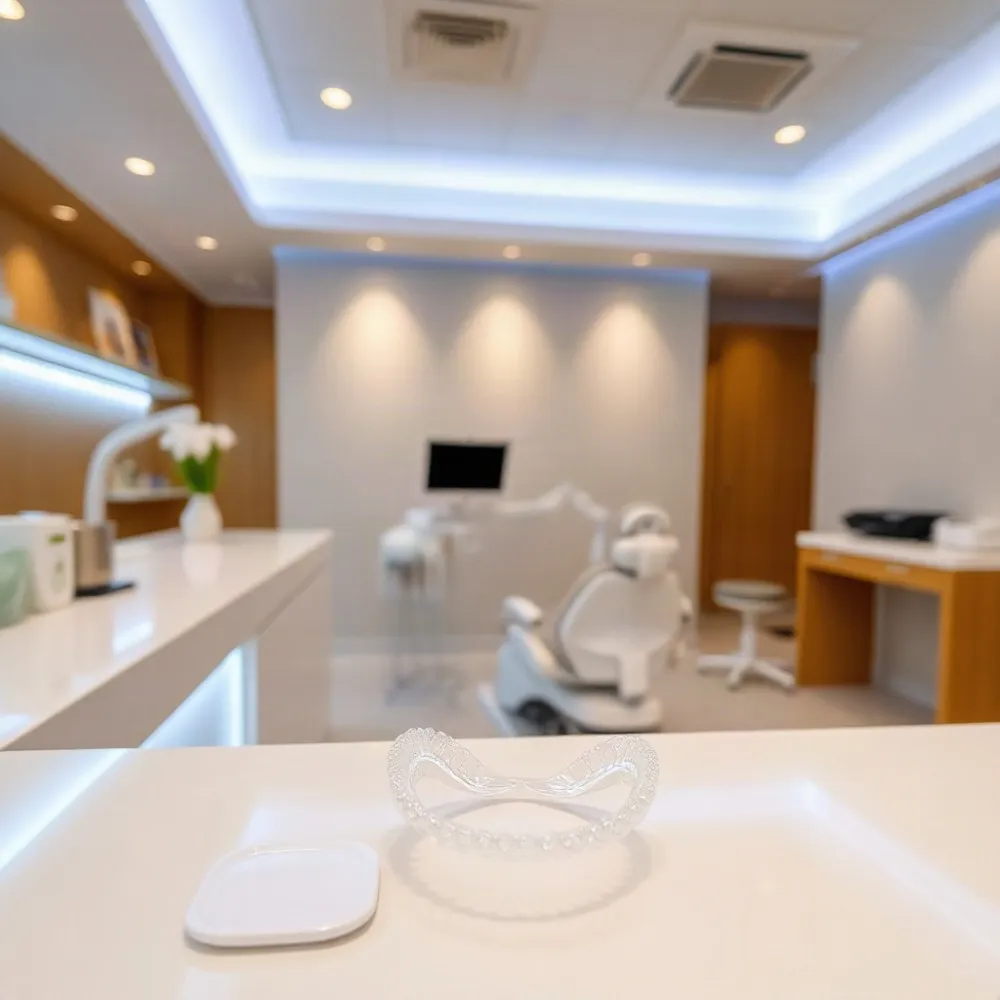 Invisalign is a modern orthodontic system that uses a series of custom-made, clear plastic aligners to gradually move teeth into proper alignment. Unlike traditional braces, there are no metal brackets or wires involved. The aligners are virtually invisible and fully removable, making them a popular choice for adults and teens who want a discreet treatment option.
The process begins with a digital scan of your teeth using an iTero scanner. This image data is used to create a precise 3D treatment plan through Align Technology's ClinCheck software, showing every stage of your smile transformation before treatment starts. Based on this plan, a series of custom aligners is produced, each worn for about one to two weeks before moving to the next in the set.
Invisalign is designed to treat a wide range of malocclusion cases, including mild to moderate crowding and spacing up to 6mm, as well as overjet and overbite up to 6mm. The aligners are made from patented SmartTrack material, a multi-layer plastic that provides improved performance and gentler, more controlled force. Treatment time varies by individual case but averages 12 to 18 months, with your doctor determining the exact timeline. To date, more than 5 million patients worldwide have been treated with Invisalign aligners.
Invisalign vs. Braces: Which Is Right for You?
Treatment Time. Invisalign averages 12 to 18 months, while braces typically take 18 to 24 months. Studies show Invisalign is more time-efficient than conventional braces (Gu, 2017; Buschang, 2014).
Effectiveness. Braces remain the gold standard for severe crowding, complex rotations, and bite issues that aligners cannot correct. Invisalign works well for mild to moderate misalignment, spacing, and relapse after prior orthodontic work.
Discipline Needed. Aligners must be worn 20 to 22 hours per day; braces work 24/7 without any patient effort. This makes braces a better fit for children or anyone who may not reliably keep aligners in.
Lifestyle. Invisalign is discreet and popular with adults and teens. There are no food restrictions, and brushing and flossing remain simple. Attachments (tooth-colored buttons) may be needed for grip, but the system is still less visible than braces.
The decision between Invisalign and braces comes down to case complexity, lifestyle, and your dentist's recommendation. At Best Choice Dental, a consultation starts with a digital scan to map your specific movements, letting you see a preview of the expected result before committing. For most adults, Invisalign delivers the correction they need with far less impact on daily life. For children or those with severe misalignment, braces may still be the right call.
What to Expect During Invisalign Treatment
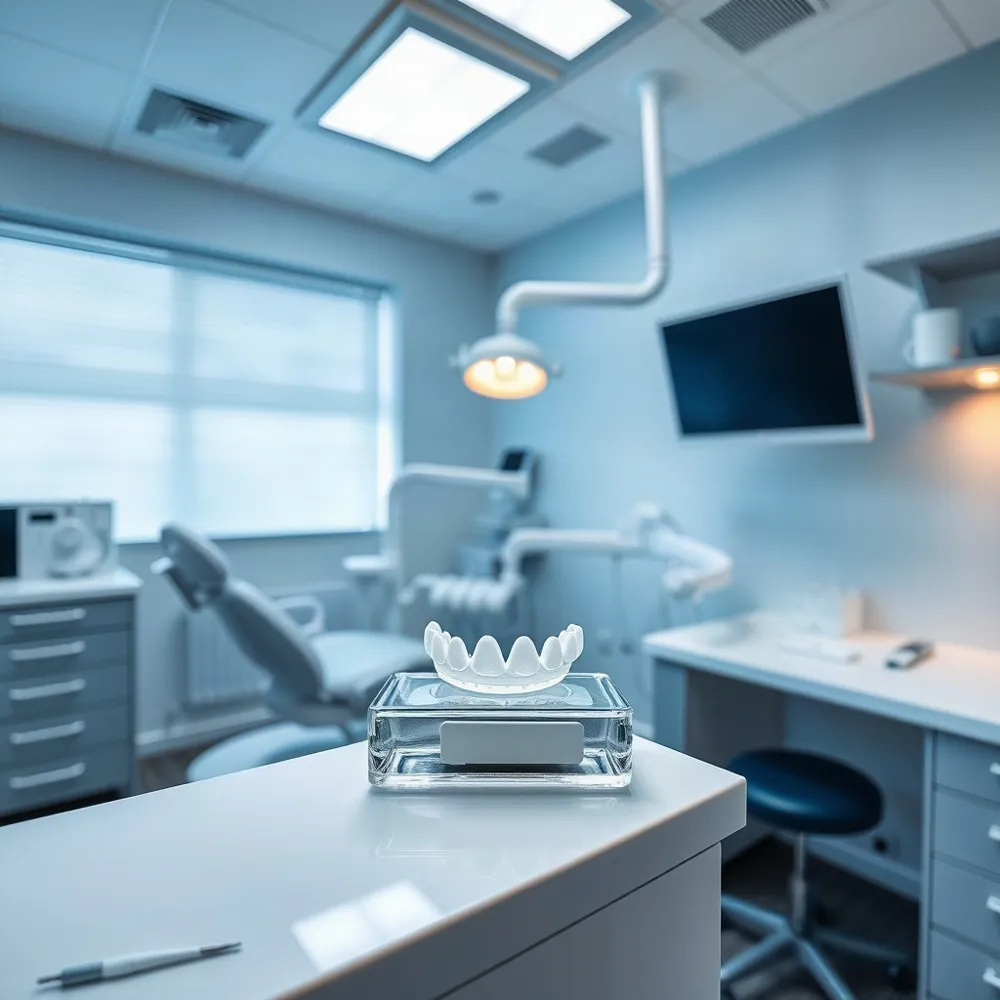 The first set of aligners feels snug, not painful, as they apply gentle, consistent pressure to guide your teeth into position. This mild discomfort peaks at a 4 to 6 on a 10-point scale during the first 24 to 48 hours of a new aligner and typically fades within a few days.
In the beginning, you may notice a slight lisp and increased saliva, but both return to normal within a few days. You will need to wear your aligners for 20 to 22 hours each day, removing them only to eat, drink (anything other than water), and brush or floss your teeth. You switch to the next set of aligners every one to two weeks as directed by your dentist.
Your initial consultation involves a full exam, digital scans, and a treatment simulation that shows your projected results. Check-up visits are quick and typically scheduled every six to eight weeks, meaning fewer appointments than traditional braces require. Refinements — a finishing set of aligners — are common and expected to fine-tune your final results.
If you lose or break an aligner, contact your dentist immediately; you may be advised to wear the previous tray temporarily. You can eat anything you like as long as you remove your aligners beforehand, and you should brush your teeth before putting them back in. At bestchoicedentaltotowa.com, patients are supported every step of the way for a comfortable, personalized experience.
Daily Wear, Sleep, and Pain: What You Need to Know
How Long Do You Have to Wear Invisalign Each Day and for How Long Overall?
For Invisalign to work, you need to wear your aligners 20 to 22 hours every day. Remove them only for eating, drinking anything other than water, brushing, and flossing. Treatment duration depends on your case. Mild issues can finish in 6 to 9 months, while more complex cases may take 18 to 24 months. Most patients complete their treatment within 12 to 18 months. Wearing your aligners as directed keeps your treatment on track and avoids delays.
Can You Eat and Sleep With Your Invisalign Aligners?
You must remove your aligners before eating or drinking anything other than water. This prevents damage to the trays and stops food from getting trapped against your teeth. You should always sleep with your aligners in. Skipping nighttime wear steals hours from the 20–22 you need each day and can slow or stop your progress. After eating, follow the 30-minute rule: brush and floss your teeth, then reinsert your aligners as soon as possible.
Is Invisalign Painful?
Most patients feel mild pressure rather than sharp pain. The discomfort usually peaks at a 4 to 6 out of 10 during the first 24 to 48 hours after starting a new set of aligners, then fades within a few days. This pressure is a sign that your teeth are moving. Over-the-counter pain relievers like Advil or Tylenol can help ease any soreness.
The sensation is generally less intense than with traditional braces and subsides quickly with each new tray. Many patients find the short-lived pressure a small trade-off for a straighter smile.
Daily Habits and What to Avoid
Chewing gum while wearing aligners is not recommended; it sticks to the trays and creates a mess. Smoking with aligners in can stain or discolor the plastic.
After Active Treatment: Retainers
Once your active treatment is finished, you will transition to a retainer, often a Vivera Retainer, to hold your teeth in their new positions. You will wear the retainer full time at first, then only at night. Consistent retainer use keeps your results stable and prevents teeth from shifting back.
Cost and Insurance: Is Invisalign Affordable?
The cost of Invisalign treatment is determined by each doctor based on case complexity and the number of aligners needed, so there is no single fixed price. National averages typically range from $3,500 to $8,000, which is often comparable to the cost of traditional braces. For mild to moderate cases, a price between $3,000 and $6,000 is considered reasonable, while shorter Express treatments may cost as little as $1,800 to $3,000. Patients with moderate to complex plans under the Comprehensive program commonly see fees between $5,000 and $8,000.
Does Insurance Cover Invisalign?
Many dental insurance plans cover Invisalign the same way they cover braces. The typical orthodontic benefit ranges from $1,000 to $2,000, though data from OrthoFi for calendar year 2021 shows that 92% of insured patients qualified for up to $3,000 in coverage, with an average of $1,772. Major providers such as Delta Dental, Cigna, MetLife, United Healthcare, and Humana may include Invisalign in their orthodontic benefits, but coverage varies by individual plan. The My Invisalign app can help you check your specific insurance details.
A $3,000 to $6,000 price range is generally good for Invisalign, as many moderate to complex plans land in the $5,000 to $8,000 range, while minor cases using Invisalign Express may cost $1,800 to $3,000. At Best Choice Dental in Totowa, NJ, our team provides a personalized quote after a consultation, helping you understand your coverage and explore flexible payment options including HSA/FSA tax-free dollars, low-to-no down payment financing, and monthly payment plans.
Lifetime Smile: Beyond Invisalign Treatment
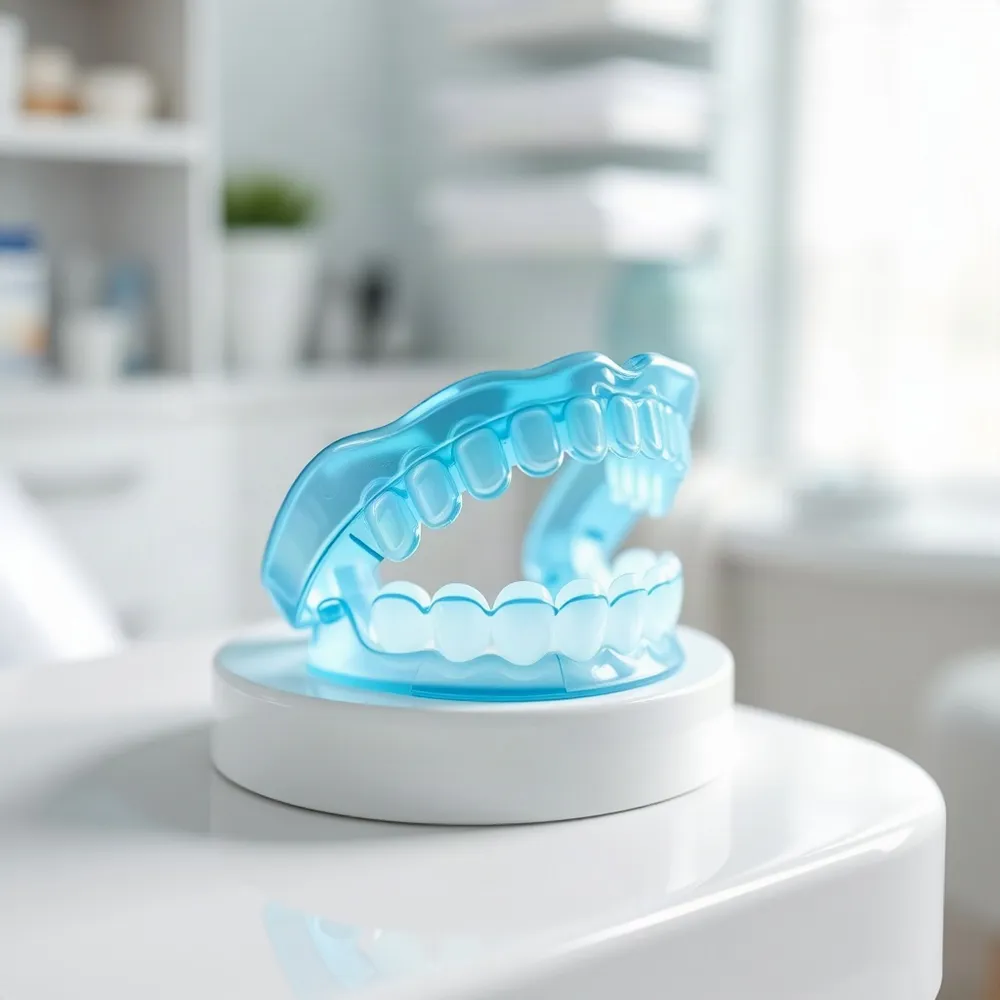 After active treatment (typically 12 to 18 months), you transition from aligners to retainers. This shift keeps your teeth in their new positions and protects the investment you have made in your smile. For the first few months, your dentist may recommend wearing the retainer full-time before switching to nighttime-only wear. Many patients continue nighttime wear indefinitely to prevent natural shifting.
Why Dentists Recommend Invisalign
Straightening your teeth with Invisalign offers health benefits beyond appearance. Properly aligned teeth are easier to clean, which reduces the risk of tooth decay and gum disease. Crooked teeth create hidden spaces where plaque and bacteria build up. That buildup can contribute to teeth grinding and, in some cases, worsen sleep apnea. By correcting misalignment, Invisalign helps protect enamel, supports healthier gums, and can improve overall airway health.
Invisalign can also create the necessary space for restorative procedures such as dental implants, and treatment can be combined with whitening for a complete smile makeover. For lasting results, Vivera Retainers provide a durable post-treatment option made from high-quality materials like Essix Plus.
At Best Choice Dental in Totowa, NJ, the team designs each treatment plan with long-term oral wellness in mind. Patients receive personalized care that transitions smoothly from active treatment to retainer wear, ensuring that both the smile and the health behind it last for years.
Your Journey to a Straighter, Healthier Smile
Invisalign gives you a flexible, discreet path to straighter teeth, no matter your age. With clear aligners worn 20 to 22 hours daily, the average treatment takes 12 to 18 months, and costs are often comparable to braces — especially with insurance help. At Best Choice Dental, we combine advanced digital scanning with a patient-focused approach to ensure your treatment is both comfortable and effective. Schedule a consultation to find out if Invisalign is right for you and take the first step toward a confident, healthy smile.