A Crown in One Visit
A dental crown is a tooth-shaped restoration that covers a damaged or weakened tooth. It can help protect the remaining structure and restore the tooth’s shape and function. Crowns may also address wear, fractures, or extensive decay, but the right treatment depends on an examination.
With CEREC technology, a dentist may be able to scan the prepared tooth, design and mill a ceramic crown in the office, then fit it during the same visit. Traditional crowns commonly rely on a dental laboratory, so treatment usually includes a temporary crown and a return appointment. Healthline’s overview of CEREC crowns explains how the digital workflow differs.
One-visit treatment can reduce scheduling demands, but it is not suitable for every tooth or patient. The tooth’s condition, bite, location, and restoration needs all matter. At Best Choice Dental, care is tailored to the patient, with modern dental technology used as part of a broader range of services. A dentist can assess whether a same-day crown or another approach is appropriate.
How CEREC Crowns Are Made
 CEREC describes a chairside digital method for designing and making a custom crown, not a specific crown material. The crown is commonly ceramic, but the material must suit the tooth and the patient’s needs. This distinction helps explain why a dentist considers both the digital process and the restoration itself when discussing treatment.
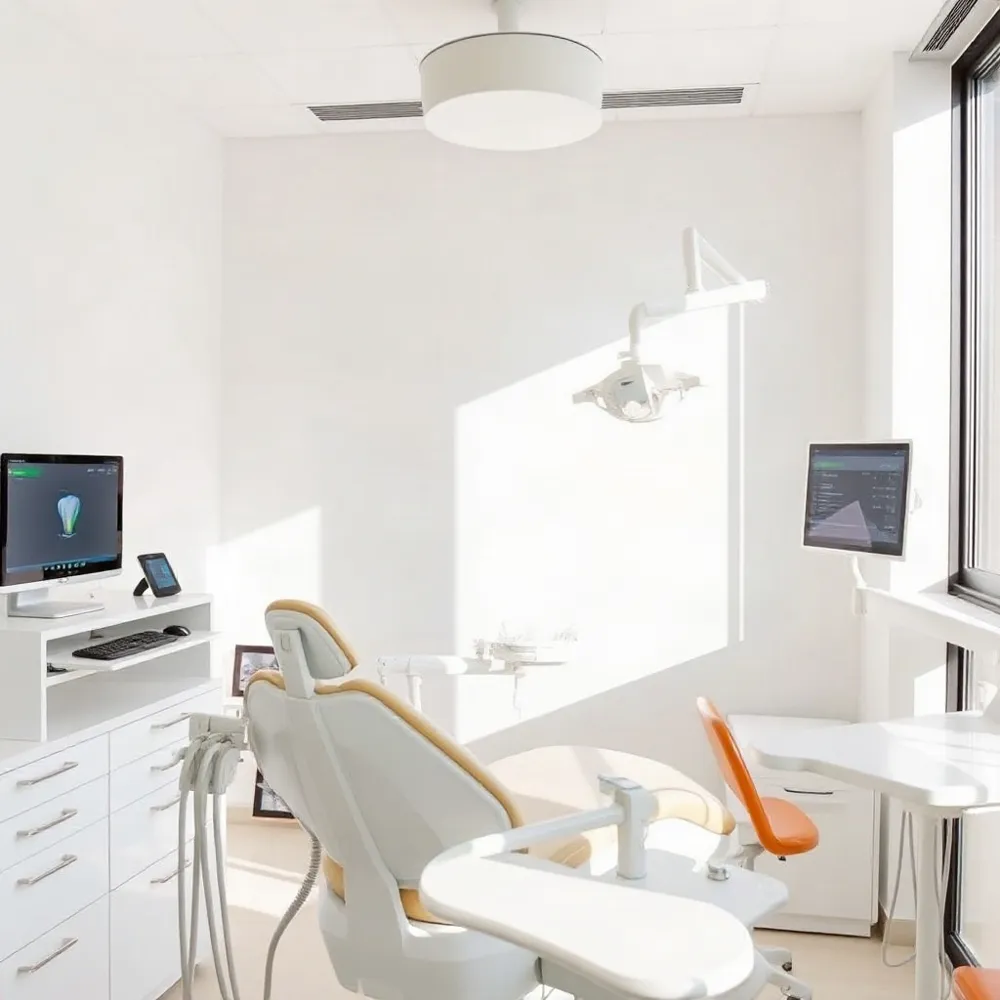
The process begins with an examination and preparation of the tooth. The dentist then uses an intraoral scanner to capture the prepared tooth and surrounding bite, creating a digital model instead of relying on a conventional putty impression. Computer-aided design and manufacturing (CAD/CAM) software is used to shape the crown digitally, and an in-office milling machine carves it from a compatible dental material. [Healthline’s overview of CEREC crowns](https://www.healthline.com/health/what-you-need-to-know-about-cerec-dental-crowns) describes this scan, design, and milling workflow.
Once the crown is made, the dentist checks how it fits and meets the opposing teeth when the patient bites. Small adjustments may be needed before the crown is bonded in place. The digital workflow can support a single-visit restoration when the tooth and treatment plan are suitable, but the appointment may still take several hours. Timing depends on the case and the steps required.
The CEREC crown-making process offers more detail on how chairside design differs from choosing a crown material. At Best Choice Dental in Totowa, a dentist can discuss restorative options in the context of a patient’s tooth, comfort, and treatment needs. An examination helps determine whether a digitally made crown is appropriate.
Convenience and Treatment Tradeoffs
 At Best Choice Dental, crown planning can account for the tooth’s condition, location, and the patient’s comfort and goals. The main practical difference between a CEREC crown and a conventional crown is how the restoration is made and when it is placed.
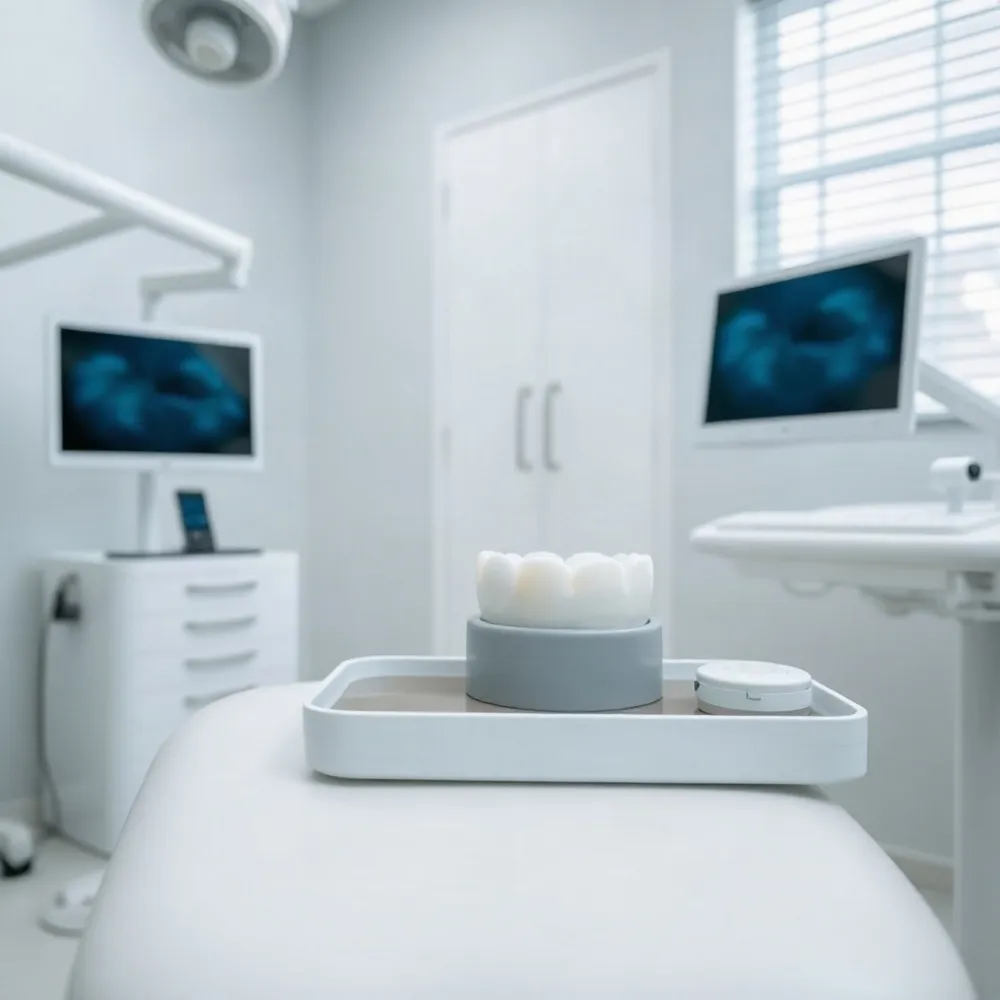
With CEREC, a dentist uses digital scans and chairside milling to create a ceramic crown in the office. When the tooth and restoration are suitable, the crown can be fitted and placed during the same appointment, so patients may avoid wearing a temporary crown and returning for a separate placement visit. That can reduce scheduling disruption, though the appointment itself may take several hours. Healthline’s overview of CEREC crowns explains the digital process and notes that same-day treatment is not available or appropriate in every case.
Conventional crowns are commonly made by an external dental laboratory and placed at a later appointment. This approach involves more than one visit, but it can offer a broader selection of materials and may allow more detailed customization for complex restorations or highly visible teeth. The treatment plan depends on the restoration’s requirements, not simply on the number of appointments.
Neither approach is automatically better. Tooth structure, position, bite forces, appearance goals, material options, and the dentist’s clinical judgment all affect the recommendation. At Best Choice Dental, a personalized evaluation helps determine whether a same-day crown or a laboratory-made restoration is the more suitable fit for the individual tooth.
Choosing a Crown Material
 CEREC describes an in-office design and fabrication process, not one specific crown material. The ceramics available depend on the system used and the clinical needs of the tooth. At Best Choice Dental, crown planning can take the tooth’s location and the patient’s goals into account rather than treating same-day fabrication as a material choice.
Glass ceramics, including lithium disilicate, can offer translucency and color that blend with nearby teeth. These qualities may make them a consideration for visible teeth, where light reflection and shade matching matter. A dentist still needs to assess whether a glass ceramic can handle the forces placed on that tooth.
Zirconia is another ceramic option, valued for strength and sometimes considered for back teeth that bear substantial chewing forces. No material is best for every patient, and the choice is not simply between CEREC and zirconia: a CEREC workflow may use different materials depending on the equipment and case. Healthline’s overview of CEREC crowns also notes that crowns are available in several materials, with suitability depending on individual needs.
A material that looks natural may not be the right fit if the tooth faces heavy bite pressure, and a strong option may not match every cosmetic goal. The dentist can weigh appearance, tooth location, bite forces, remaining tooth structure, and habits such as clenching or grinding. Best Choice Dental’s approach to crown planning centers on this individualized assessment, including whether a chairside option suits the tooth.
There is no guaranteed longest-lasting material for every case. Longevity depends on the restoration, the tooth, the patient’s bite and habits, and ongoing care. Ask the dentist to explain why a recommended material fits your circumstances and what alternatives are available.
Cost and Insurance Considerations
CEREC crowns commonly fall in an approximate range of $800 to $1,500 per tooth, but that is not a guaranteed fee. The final amount depends on location, the material selected, case complexity, and whether the tooth needs additional treatment. Best Choice Dental can assess the tooth and provide an individualized estimate before care begins.
Traditional crowns may have lower upfront costs. One estimate places out-of-pocket expenses at roughly $300 to $1,000, but prices vary, and figures from different practices are not directly comparable. The fee for either option can reflect the crown itself as well as preparation, examinations, and other services. A general guide to CEREC crown costs also notes that location, insurance, and the dentist’s experience can affect the price.
A chairside workflow may avoid a temporary crown and a separate placement appointment when the case is suitable. That convenience does not necessarily make the total cost lower, since fees and treatment needs differ. At Best Choice Dental, the estimate should reflect the recommended restoration and the patient’s specific circumstances, rather than an assumed savings from completing treatment in one visit.
Dental insurance may cover part of a crown’s cost, but benefits depend on the plan and how the procedure is classified. Before scheduling, ask the practice to review an estimate and confirm coverage with your insurer. You can also discuss payment options with the dental team so you understand expected out-of-pocket costs before making a decision.
For more detail on how digital scanning and milling fit into treatment, see the CEREC workflow from scan to crown.
Longevity and Everyday Care
How long do CEREC crowns typically last? A common estimate is about 10 to 15 years, but this is not a guarantee. Some crowns last longer, while others may need attention sooner. The expected lifespan is a general guide, not a promise about any individual restoration.
Longevity depends on more than whether a crown was made chairside or in a dental laboratory. The health of the tooth beneath it, the crown’s fit and material, bite forces, oral hygiene, and personal habits can all affect how it holds up. Healthline’s overview of CEREC crowns notes that these restorations can be durable, while also emphasizing that treatment suitability and results vary.
Daily care helps protect both the crown and the tooth around it. Brush twice a day and floss daily, taking care to clean along the gumline where plaque can collect. Regular dental checkups and cleanings give the dentist a chance to assess the crown, surrounding gums, and bite. At Best Choice Dental, crown care can be considered as part of a patient’s broader oral health needs.
If you clench or grind your teeth, ask your dentist whether a nightguard may help reduce pressure on the crown. Avoid using teeth to open packages or bite hard objects, since these habits can place extra stress on restorations. Contact your dentist if a crown feels loose, becomes damaged, or causes discomfort, rather than waiting for the problem to worsen.
At Best Choice Dental, the right follow-up advice depends on the crown, the tooth it protects, and your individual habits. Keeping routine visits and reporting changes promptly can help your dentist monitor the restoration and recommend care suited to your needs.
A Choice Made With Your Dentist
CEREC may offer a convenient same-day crown for a tooth that suits the process. Traditional crowns can provide additional material choices or customization that better fit some clinical and aesthetic needs. Neither approach is right for everyone, and the CEREC crown overview notes that suitability, availability, and cost vary.
Before choosing, discuss the tooth’s condition, material options, appearance goals, bite, schedule, expected fees, and insurance coverage with your dentist. At Best Choice Dental, crown planning can account for the tooth’s location and condition alongside your comfort and goals, rather than treating speed as the only consideration.
An examination helps your dentist assess the remaining tooth structure and recommend a restoration suited to your needs. Ask questions about the benefits and limits of each option so you can make an informed decision together.