A Better Start to Brushing
Getting a young child to brush can feel like a nightly negotiation. A toddler may resist because they want more control or dislike the brush’s feel, and that reaction is often part of growing independence. Starting oral care early and keeping the experience calm can help the routine feel more familiar.
The aim is not a perfect performance every time. A steady, positive routine matters more than turning each brushing session into a struggle. The American Dental Association recommends brushing as soon as the first tooth appears, with an adult helping young children clean thoroughly and use an age-appropriate amount of toothpaste (ADA guidance on children’s teeth).
At Best Choice Dental in Totowa, families can discuss children’s oral-care questions as part of the practice’s care for patients of all ages. This guide covers when to begin, how to make brushing manageable, and ways to adapt the routine to a child’s needs, so families can build a habit with patience rather than pressure.
Begin With Early Oral Care
 Oral care can start before a baby has teeth. After feedings, gently wipe the gums with clean, damp gauze or a washcloth. This helps make mouth care familiar and gives caregivers a chance to notice changes.
When should I start brushing my child’s teeth?
Begin brushing as soon as the first tooth appears. Use a soft, child-sized toothbrush and a smear of fluoride toothpaste about the size of a grain of rice for children under three. For children ages three to six, use a pea-sized amount when they can reliably spit. The ADA’s guidance on children’s teeth also notes that baby teeth help children chew and speak, and hold space for permanent teeth.
Brush twice a day for two minutes, including at bedtime. Use gentle strokes on the outer, inner, and chewing surfaces. Children can practice, but an adult should help or supervise until they can clean thoroughly and manage toothpaste safely. A favorite song or timer can make the two minutes easier to follow.
Schedule a first dental visit within six months after the first tooth appears and no later than the first birthday, as the ADA recommends. Regular visits provide opportunities to check development and get advice as your child grows. For a broader look at early oral care for children, see our related guide. At Best Choice Dental, a family-oriented practice in Totowa, caregivers can ask for personalized guidance on brushing and age-appropriate care.
Choose a Brush That Fits
A well-fitting toothbrush makes it easier to reach small mouths without poking or scraping. Choose a child-sized brush with a small head, soft bristles, and a handle your child can hold comfortably. The ADA’s toothbrush guidance recommends soft bristles and notes that a small head can reach an infant’s tooth surfaces.
Manual and powered toothbrushes can both clean effectively when used properly. Some children enjoy a powered brush’s motion, while others prefer the quieter feel of a manual one. A playful design or built-in timer may encourage participation, but neither replaces careful technique and adult help. Brush twice daily, and assist or supervise until your child can clean thoroughly and spit out excess toothpaste.
Replace a brush every three to four months, or sooner if the bristles become frayed or visibly worn. If you are unsure what suits your child’s age, comfort, or coordination, Best Choice Dental’s family dental care can offer personalized guidance as part of its care for patients of all ages.
For more ideas on making brushing a positive routine, see simple daily habits for a healthier family smile.
Make the Routine Clear and Complete
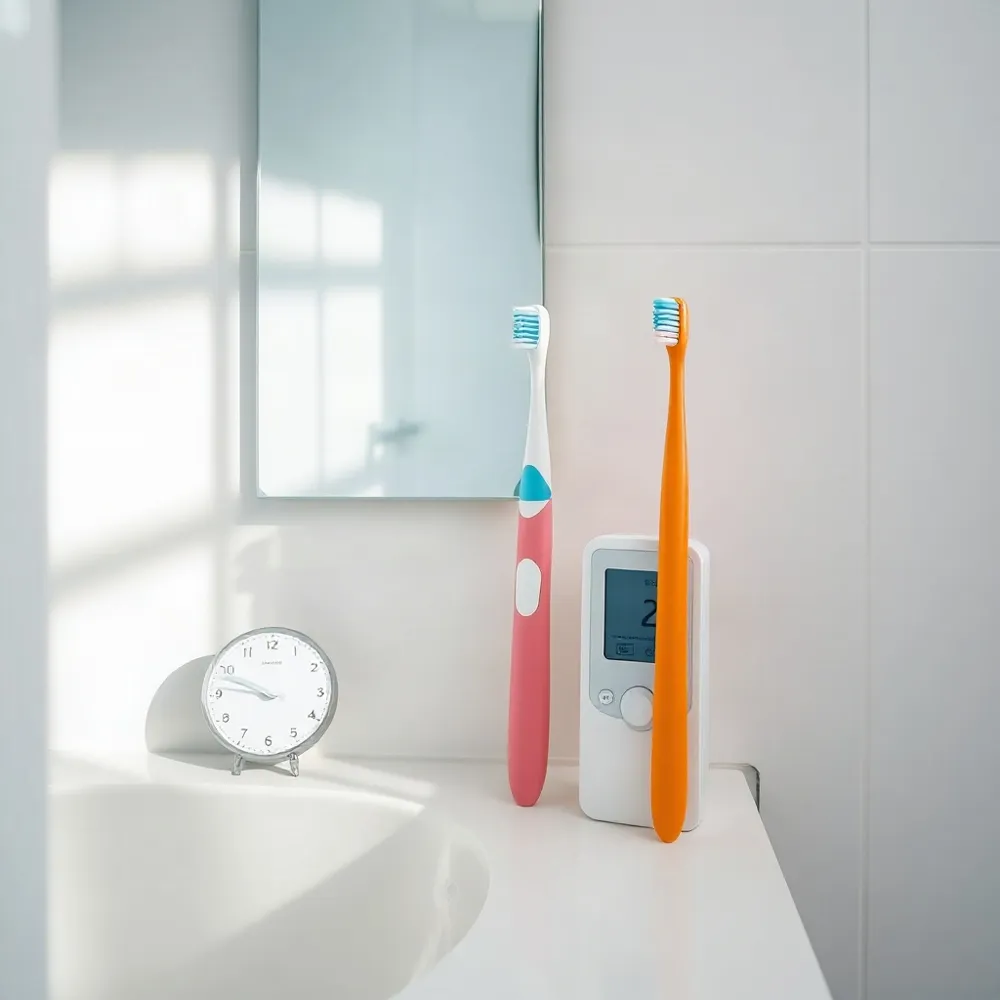 How can I help my child brush their teeth thoroughly and build a consistent routine? Tie brushing to dependable moments, such as after breakfast and before bedtime, so it becomes an expected part of the day. Aim for two minutes, twice daily, with fluoride toothpaste and a soft-bristled brush. The ADA’s guidance on children’s oral health recommends brushing morning and night and supervising children as they learn.
Brush together when you can. Children learn by watching, and sharing the routine gives you a chance to guide their hand gently. Show them how to clean the outer, inner, and chewing surfaces, including the back teeth and the gumline. Use small, gentle movements rather than scrubbing. A timer, song, or brushing app can make the two-minute period easier to follow; the ADA also suggests music and other playful cues to help children stay engaged.
Young children may not yet have the coordination to clean every surface well. Let your child practice, then take a turn to reach missed spots. Independence develops at different rates, and many children need supervision until around age eight, or until they can brush thoroughly on their own. The East Carolina University School of Dental Medicine’s oral health tips also advise caregivers to supervise until a child can do a thorough job.
At Best Choice Dental in Totowa, regular family dental visits give caregivers an opportunity to ask about brushing technique and get advice suited to a child’s age and needs. A dental team can reinforce what works at home and help address questions as a child becomes more independent.
Turn Resistance Into Cooperation
A child may resist brushing because they want more control, dislike the bristles, or find the toothpaste flavor unpleasant. Calmly ask what feels uncomfortable, then keep brushing as a predictable part of the day while offering a small choice, such as which toothbrush to use or which suitable toothpaste flavor to try.
Play can make the routine feel less like a demand. Sing a favorite two-minute song, use a timer, tell a story about chasing away “sugar bugs,” or let your child practice brushing a stuffed animal’s teeth. The ADA’s ideas for making brushing fun also include brushing alongside a child and praising their effort.
Try a “my turn, your turn” approach: let your child practice first, then take a turn to clean the teeth thoroughly. Brushing together can help the activity feel shared rather than imposed. At Best Choice Dental, a family-oriented practice in Totowa, the dental team can offer personalized guidance as part of its care for patients of all ages.
Recognize cooperation with encouragement or a simple sticker chart, without using shame or force. If a brushing session goes poorly, stay calm and return to the routine at the next opportunity. When resistance remains difficult, ask your dental team for practical, age-appropriate suggestions tailored to your child.
Adapt Brushing for Sensory Needs
 How can I adapt toothbrushing for a child with autism or sensory sensitivities? A predictable routine can make each step easier to anticipate. Try brushing in the same place at a consistent time, and use a simple visual schedule, song, or timer to show when brushing starts and ends.
Small comfort changes may help. Offer a soft or extra-soft brush, and try a mild or unflavored toothpaste if taste or texture is a concern. A powered brush may suit a child who likes its vibration, while a manual brush may feel better to someone bothered by sound or movement. Let your child see or touch the brush first, offer manageable choices, and consider using a mirror or showing the steps yourself.
Build tolerance with calm, brief practice and praise for each step. Short sessions are a starting point, not a substitute for thorough brushing. Gradually work toward brushing twice daily with fluoride toothpaste, as recommended by the ADA. Children’s sensory preferences vary, so notice what feels comfortable for your child rather than assuming one approach will work for everyone.
If brushing remains difficult or your child seems uncomfortable, ask the dental team at Best Choice Dental in Totowa for personalized suggestions. The practice provides care for patients of all ages, so families can discuss adjustments suited to their child’s needs.
For more ideas about predictable routines and visual cues, see supporting children with special needs.
Progress Comes From Patience
Brushing struggles can ease as children become more comfortable and capable. Keep brushing twice a day, adjust the routine when needed, and praise effort. An adult should continue helping or supervising so every tooth gets a thorough clean. The ADA’s guidance on children’s oral health supports consistent care and age-appropriate supervision.
Every child’s needs are different. At Best Choice Dental in Totowa, families can raise questions during regular visits and get guidance suited to their child’s oral health and comfort. A dental team can help caregivers adjust home care as children grow.