Two Ways to Restore a Tooth
When a tooth needs a crown, patients may have a choice between a CEREC same-day restoration and a traditional crown made by a dental laboratory. Both approaches cover and protect a weakened or damaged tooth, but they differ in how the crown is designed and produced, the materials available, and the number of visits involved. Dental crowns can be made from several materials, and a dentist assesses whether same-day treatment is suitable.
At Best Choice Dental, care is personalized to the patient and the tooth being treated. The recommendation depends on the tooth’s condition, its location and bite, and the restoration it needs, as well as the patient’s preferences and circumstances. Neither method is right for everyone, so an examination and discussion of the options can help guide the choice.
Why a Tooth May Need a Crown
 A dental crown is a custom-made cap that covers the visible part of a tooth, restoring its shape, strength, and function. It can protect a tooth when a filling alone may not provide enough support. The Cleveland Clinic’s guide to dental crowns explains that crowns may also cover implants and restore teeth that are weak, broken, worn, or decayed.
A dentist may recommend a crown for extensive decay, a large filling, a crack or fracture, severe wear, or a tooth weakened after root canal treatment. Crowns can also improve the appearance of a misshapen or discolored tooth. When a tooth is missing, a crown may be placed on a dental implant.
Whether a crown is appropriate depends on the tooth’s condition and the patient’s needs. At Best Choice Dental in Totowa, an examination helps the dental team assess the tooth and discuss suitable treatment options as part of its comprehensive dental care.
Materials Matched to the Tooth
 Crown materials differ in appearance, strength, and the situations they may suit. All-ceramic options, including lithium disilicate, can closely match natural tooth color and translucency, which may matter for a visible front tooth. Some ceramic crowns can be more prone to chipping, depending on the material and bite.
Zirconia is a strong, metal-free ceramic that may suit teeth facing heavier chewing forces, while newer versions can also offer a natural appearance. Metal alloys are durable but visibly different from natural teeth. Porcelain-fused-to-metal crowns have a metal base with a tooth-colored outer layer, though the metal may show near the gumline in some cases. Learn more about crown material categories.
The choice also depends on tooth location, remaining structure, available space, bite, grinding habits, allergies or sensitivities, cost, and appearance goals. Best Choice Dental can consider these individual factors as part of its personalized dental care. A dentist can explain the trade-offs and help identify a suitable option; the Cleveland Clinic’s guide to dental crowns also describes how material choice relates to oral-health needs, preferences, and budget.
CEREC describes digital design and in-office crown fabrication, not a guarantee that a crown uses one specific material or is stronger than every laboratory-made option. Best Choice Dental’s modern approach to oral healthcare can support an evaluation of which restoration fits the tooth and patient’s needs.
From Tooth Preparation to Placement
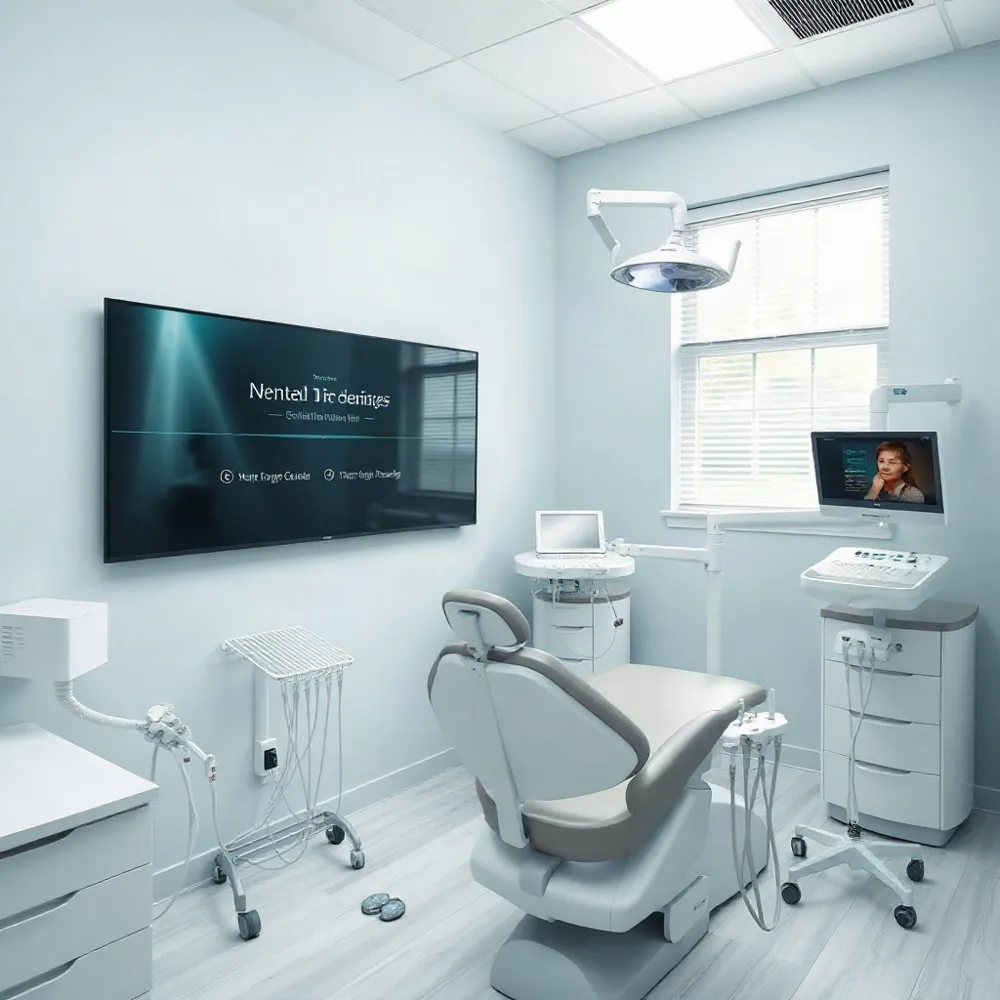 A traditional crown usually takes two visits. At the first, the dentist examines the tooth, numbs the area, and reshapes the tooth so the crown can fit. The dentist records its shape with an impression or digital scan, then places a temporary crown while a dental laboratory makes the permanent one. A dental crown covers the tooth, and the preparation and placement steps help ensure it fits securely.
The first appointment may take about 60 to 90 minutes, while the laboratory makes the crown. The wait is often about one to two weeks, but timing varies with the case and laboratory. At the return visit, the dentist removes the temporary crown, checks the permanent crown’s fit and bite, adjusts it if needed, and cements it in place. Placement may take about 30 to 45 minutes. These are estimates, not guarantees.
For suitable cases, CEREC treatment follows a different route: the dentist scans the prepared tooth, designs the crown, and mills it from a ceramic block in the office. After checking and adjusting the fit, the dentist bonds the crown during the same visit. The appointment may take around two hours, depending on the tooth and treatment needs. Digital scanning may feel easier for patients who dislike impression material, though either workflow can use a digital scan.
At Best Choice Dental in Totowa, the dental team can assess the tooth and discuss treatment options based on the patient’s needs. Learn more about the CEREC workflow from scan to crown.
Comfort During and After Treatment
How uncomfortable is crown preparation? Local anesthetic is generally used to numb the tooth and nearby area, so preparation is usually manageable. You may still notice pressure, vibration, water, or suction as the dentist shapes the tooth.
Tell the dental team if you feel sharp pain or need a pause. They can check that you are comfortable before continuing. At Best Choice Dental in Totowa, patients can discuss concerns with the team and ask for an explanation of each step before treatment proceeds.
After preparation or placement, temporary tenderness or sensitivity may occur, especially as the numbness wears off. Each person’s experience differs. A digital scan or impression, and a temporary crown when needed, are part of the process your dentist can explain in advance. For more on comfort during dental treatment, see our related guidance.
When Same-Day Treatment May Not Fit
A same-day crown is not the right fit for every tooth. At Best Choice Dental in Totowa, the dentist can assess the tooth and discuss suitable restoration options as part of the practice’s personalized dental care.
The decision depends on how much damage is present, the tooth’s location, the bite, and the complexity of the restoration. A fracture or decay that extends below the gum line may also make it harder to capture the area accurately with a digital scan. The Cleveland Clinic’s overview of same-day crowns notes that not every patient is a candidate.
Material needs matter, too. If a case calls for a material or specialized aesthetic work that the in-office process cannot provide, a laboratory-made crown may be a better choice. Complex restorations and some multi-unit work can also call for a different approach. This does not mean ceramic crowns are always weaker or that one method is best for every patient.
A dental evaluation helps match the restoration to the tooth’s condition and treatment needs. Discuss the available materials, fabrication methods, and expected appointments with the dentist rather than choosing based on convenience alone.
For a closer look at factors that can affect suitability, see this guide to when CEREC crowns may not fit a case.
Longevity, Care, and Cost
Crowns often last about five to 15 years, and some last longer, but no fabrication method guarantees a particular lifespan. Material, fit, tooth location, oral hygiene, bite forces, and habits such as grinding all play a part. Metal crowns are often durable, while ceramic options can offer a natural appearance; the right choice depends on the tooth and the patient’s needs. The Cleveland Clinic’s guide to dental crowns also notes that crowns may last longer with proper care.
A crown does not make the natural tooth underneath immune to decay. Plaque can collect near the crown’s edge, so brush twice daily, clean between teeth every day, and attend regular preventive visits. Avoid biting hard, non-food objects, and follow the dental team’s care instructions. If a crown feels loose or damaged, or the tooth becomes sensitive, arrange an examination.
Cost depends on the material, tooth location, any additional treatment, and the details of your insurance, including deductibles, annual limits, and network status. Rather than relying on a general price range as a local quote, ask the dental office and insurer to review your benefits and request a personalized pre-treatment estimate. Best Choice Dental provides modern, comprehensive care in Totowa, with treatment discussions tailored to the patient; its team can explain the expected costs for an individual plan before care begins.
For more on factors that affect crown lifespan, see this guide to CEREC crown durability and longevity.
A Choice Guided by Your Needs
CEREC and traditional crowns differ in how they are made, how many visits they may require, and which materials or aesthetic options are available. Neither approach is right for every tooth; a dentist can assess what fits your clinical needs. Cleveland Clinic’s crown guide explains how the methods and materials vary.
At Best Choice Dental, care is personalized for patients of all ages. Discuss your tooth, bite, appearance goals, treatment needs, and cost with your dentist before deciding. A clear conversation can help you choose an approach that suits your circumstances, without assuming one method is best for everyone.