Why Consistent Aligner Care Matters
Clean aligners are more comfortable to wear and easier to keep clear. A simple routine helps remove saliva and food residue before they build up on the trays.
Plaque and bacteria can also collect on aligners. When cleaning is neglected, buildup may contribute to cloudiness, unpleasant odors, and oral-health concerns. Brushing and flossing your teeth before reinserting trays helps avoid trapping food beneath them.
At Best Choice Dental, patients can discuss aligner care as part of personalized dental guidance. This section covers a gentle daily routine, choosing suitable cleaning products, preventing stains, and using optional cleaning tools carefully. Follow the instructions from your treating dental professional, especially if a tray looks cloudy, smells unusual, or no longer feels comfortable.
Build a Gentle Daily Cleaning Routine
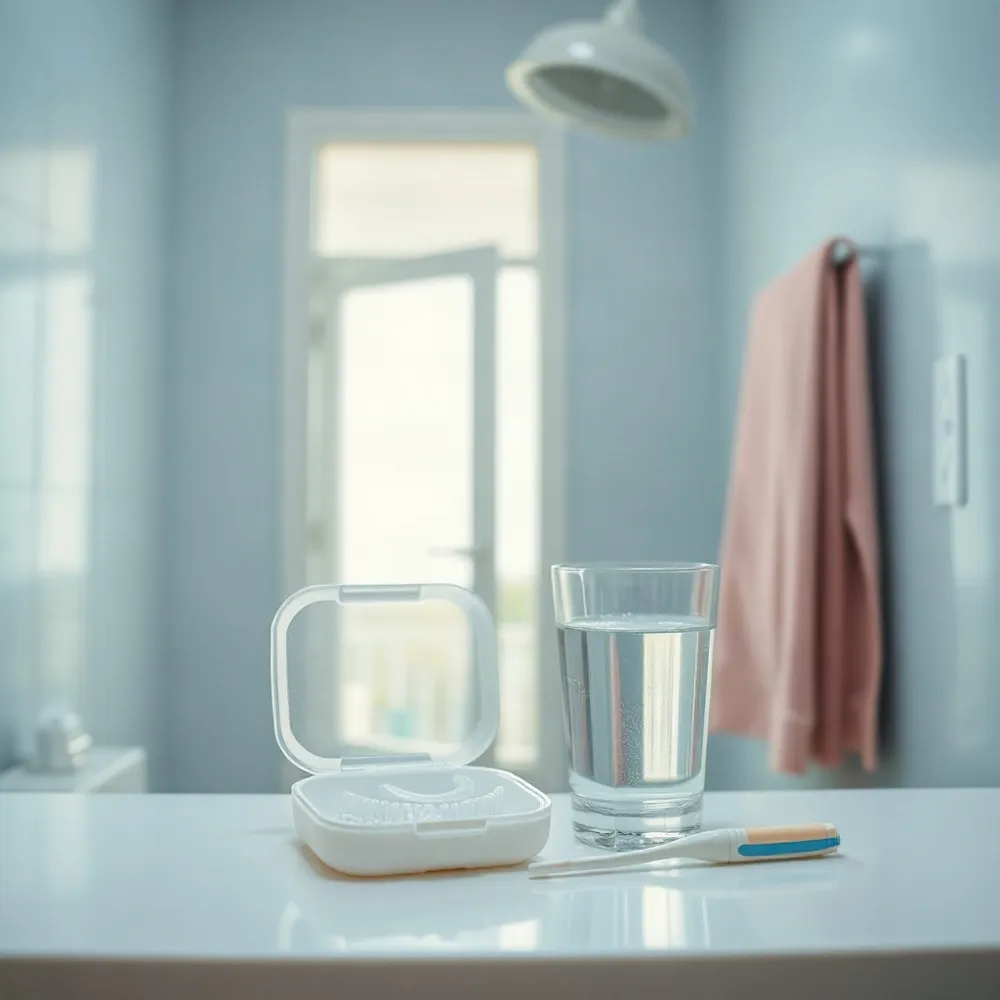 A simple, gentle routine helps keep aligners clean without scratching or changing their shape. Rinse them with cool or lukewarm water whenever you take them out, so saliva and food residue do not dry on the plastic.
At least once a day, ideally in the evening, brush every surface with a soft-bristled toothbrush kept for aligner care. Use light pressure and, if needed, a small amount of mild, clear soap. Rinse the trays thoroughly before putting them back in. Avoid hot water, abrasive toothpaste, and harsh cleaners, which can damage or cloud the plastic.
Clean your teeth before reinserting the trays whenever possible. Brushing and flossing after meals helps remove food and plaque that could otherwise be held against the teeth. If you cannot brush right away, rinse your mouth and aligners, then clean your teeth as soon as you can.
Pairing tray care with regular oral hygiene makes the routine easier to remember. Best Choice Dental provides family dental care in Totowa, so patients can discuss aligner questions alongside their broader oral-health needs.
Follow any cleaning directions from your treating dentist if they differ from general advice, especially for soaking products. Store the trays in their case when they are out of your mouth, and ask your dental professional if a product causes discoloration, odor, or discomfort.
For a practical reminder, Best Choice Dental’s daily family dental care checklist can help make brushing and flossing part of a consistent home routine.
Choose Aligner Safe Cleaning Products
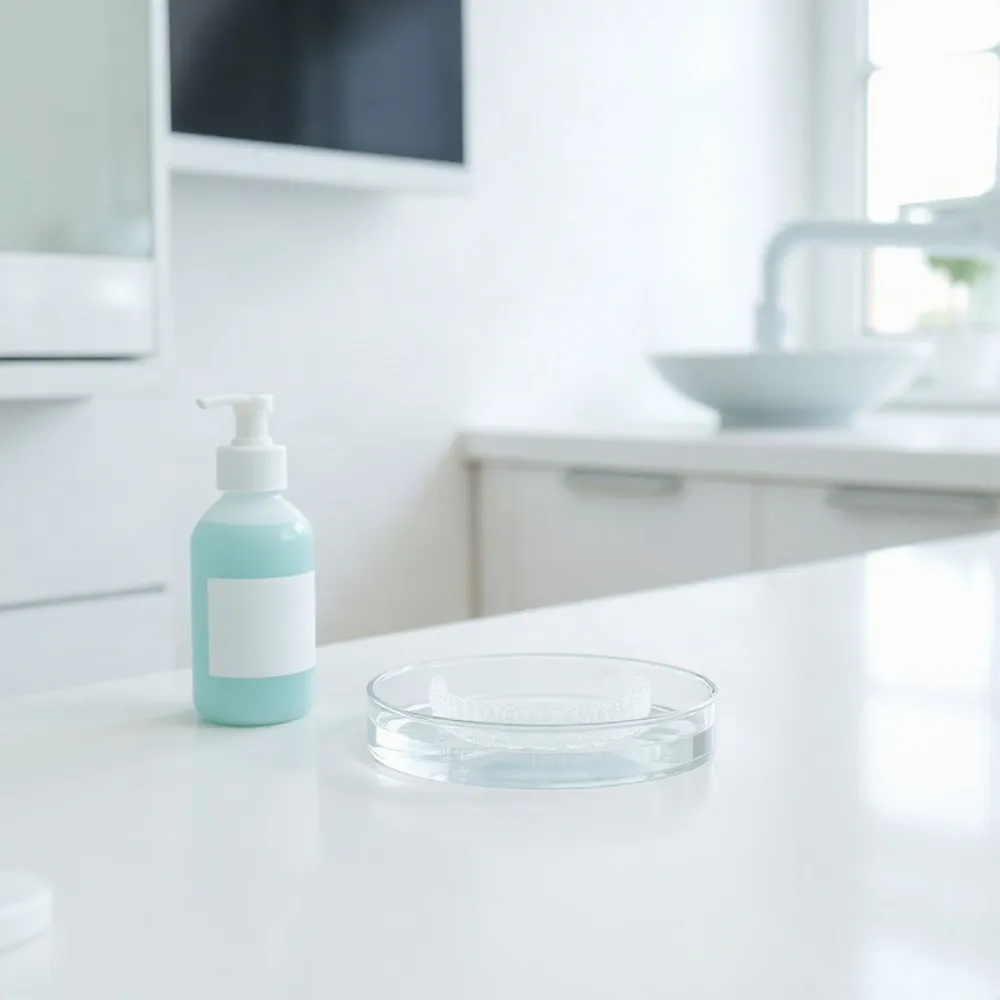 A mild, clear, unscented soap is a simple option for cleaning aligners with a soft-bristled brush. Invisalign Cleaning Crystals and tablets made for aligners or retainers are other choices that may loosen buildup and help reduce odors.
Soaking products supplement, rather than replace, daily rinsing and gentle brushing. Soaking times and schedules vary by product and by a patient’s needs, so follow the package directions instead of assuming every cleaner should be used the same way. If you are unsure what suits your trays, ask your dental team at Best Choice Dental for guidance tailored to your care.
Avoid abrasive toothpaste and powders, which can scratch the plastic and make trays look cloudy. Colored or strongly scented products may leave stains, taste, or residue; bleach and harsh household cleaners can damage the material or irritate your mouth. Hot or boiling water can also warp aligners and affect how they fit.
After brushing or soaking, rinse each tray thoroughly with cool or lukewarm water before putting it back in. This helps clear away loosened debris and cleaning residue. Best Choice Dental provides comprehensive dental care for patients of all ages, so patients can raise product questions during their dental care and receive individual guidance.
Prevent Stains and Care for the Case
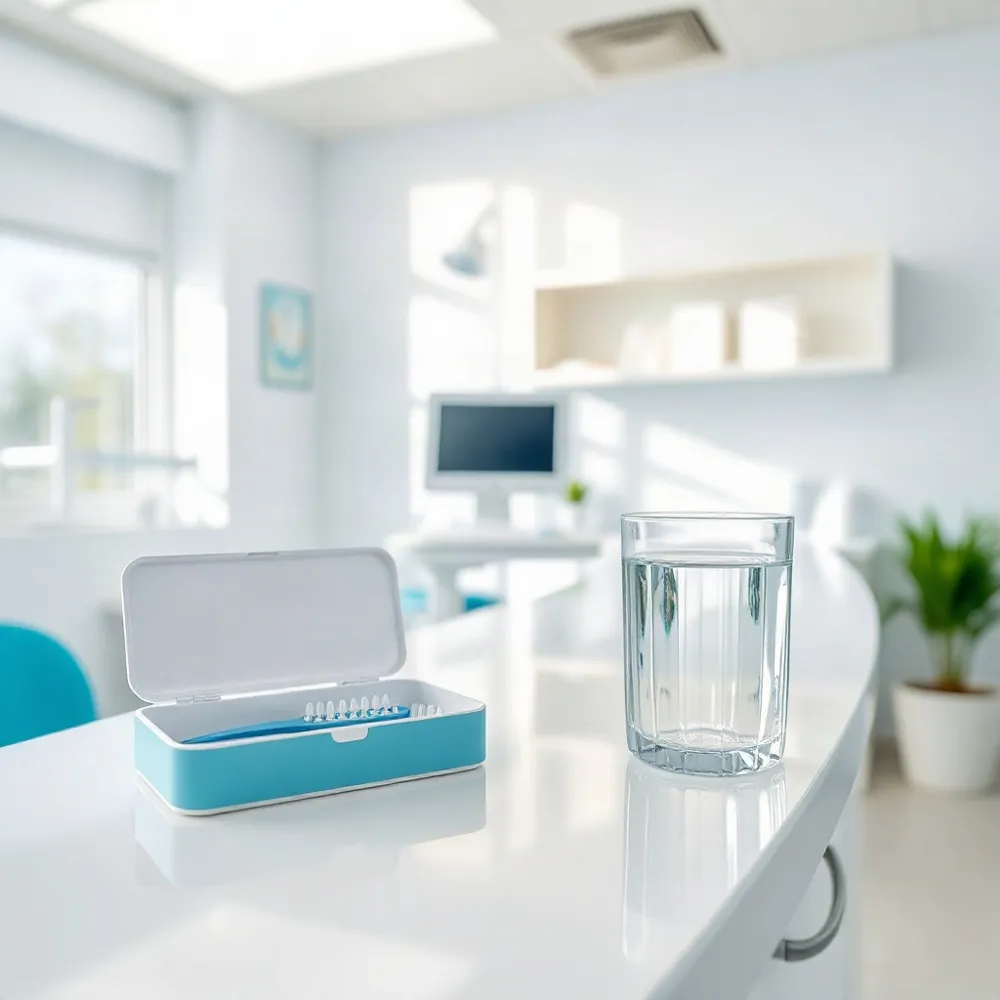 Coffee, tea, red wine, soda, juice, and strongly pigmented foods can discolor clear aligners. Remove trays before meals and before drinking anything other than plain water. This simple habit also helps keep food and drink residue from collecting against your teeth.
Rinse aligners with cool water whenever you take them out. Before putting them back in, brush your teeth when possible so food particles and plaque are less likely to be trapped beneath the trays. If staining continues despite routine care, ask your dental team for advice rather than trying harsh cleaners.
At Best Choice Dental in Totowa, patients receive personalized guidance as part of a practice that provides care for children and adults. A dental professional can help you choose care steps that suit your aligners and oral health needs.
Keep the case clean and dry
Store aligners in their case whenever they are not being worn, rather than wrapping them in a napkin or carrying them loose in a pocket. Keep the case away from direct sunlight and heat, which may affect the plastic.
Wash the case with warm water and mild, clear soap. Use a soft brush reserved for the case to gently clean its inside, corners, and hinge, then rinse it thoroughly. Leave it open to air-dry completely before closing or storing it. Allowing the case to dry and avoiding long periods with wet trays sealed inside can help limit moisture-related buildup.
Avoid hot water, bleach, and abrasive cleaners, which may damage the case. If you notice persistent discoloration on your aligners or case, consult your dental team about the next step.
For related advice on storing trays during busy days, see how Invisalign aligners fit into a busy family schedule.
Use Optional Cleaning Tools Carefully
Can an ultrasonic cleaner be used to clean Invisalign aligners? Yes. It may loosen debris from small crevices and reduce the need for vigorous brushing, but it is an optional aid, not a replacement for daily rinsing and cleaning. Learn more about using optional cleaning tools carefully.
Use cool or lukewarm water. Add a cleaning tablet only if both the device instructions and the tablet label say it is suitable for clear aligners. Avoid hot water, bleach, alcohol-based products, and household cleaners, which may damage or distort the trays. If you are unsure about a device or solution, ask your dental team. Best Choice Dental offers personalized dental care, so patients can raise questions about aligner care during a visit.
How should you clean Invisalign aligners after an illness such as strep throat? Rinse them with cool or lukewarm water, then gently brush every surface with a soft-bristled toothbrush and mild, unscented soap. For an optional deeper clean, use aligner-specific cleaning crystals or a product labeled safe for clear aligners, following its directions. Rinse the trays thoroughly, then brush and floss before reinserting them. Wash the case with soap and water and let it air-dry. Special sterilization is not necessarily required; ask your dental team for advice tailored to your situation.
Keep Care Consistent and Comfortable
A manageable routine can help keep aligners fresh: rinse them when you remove them, clean them gently each day, and brush your teeth before putting them back in. Store trays in their case whenever they are out of your mouth, rather than wrapping them in a napkin or leaving them on a surface.
At Best Choice Dental in Totowa, patients can discuss aligner-care questions as part of personalized dental care for the whole family. Ask your treating dental professional which cleaning products suit your trays, especially if odor or discoloration persists. A change in fit is also a reason to seek guidance rather than trying a harsher cleaning method.