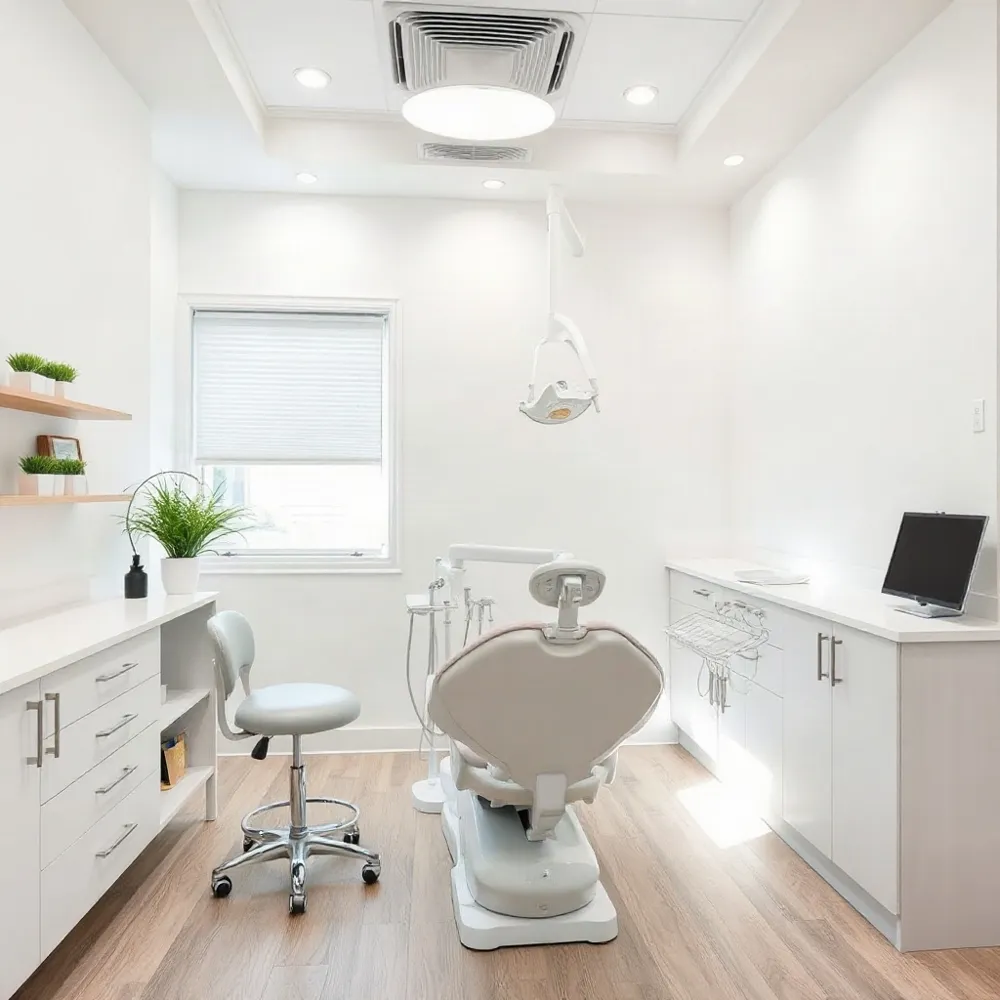
Building Trust From the First Visit
A child’s first dental experiences can shape how they feel about oral care as they grow. A calm, respectful visit can help make the unfamiliar feel more manageable, while pressure or uncertainty may add to a child’s worries.
Children differ in how they communicate, respond to sounds and sensations, and cope with new situations. Some may ask questions; others may need more time, reassurance, or a pause. Listening to those cues helps parents and the dental team support the child without expecting every visit to go the same way.
Best Choice Dental is a family-oriented practice in Totowa that provides care for patients of all ages, with an emphasis on personalized, comfortable visits. This guide offers practical ways to choose a dentist, prepare together, and respond when a child feels uncertain.
Start Early and Know the Milestones
 A child’s first visit is recommended by the first birthday or within six months after the first tooth appears, whichever comes first. There is no need to wait until all the baby teeth have erupted. An early check lets the dentist examine the teeth and gums and discuss feeding, cleaning, teething, pacifier use, and thumb-sucking.
The visit can also help your family establish a dental home, a regular place for preventive care and guidance as your child grows. At Best Choice Dental in Totowa, the team welcomes patients of all ages and can help make an early appointment gentle and reassuring. For more on timing, see this guide to starting a child’s dental visits early.
The informal “7+4 rule” estimates that a child may have about four teeth by seven months, with roughly four more appearing every four months. It is only a rough memory aid, not a diagnostic tool or standard guideline, because tooth development varies. It is also different from an orthodontic evaluation around age seven, which a dentist can discuss based on a child’s development.
The “2-2-2 rule” is another memory aid: brush twice a day for two minutes and visit the dentist twice a year. The label is not an official guideline. Brushing twice daily with fluoride toothpaste and cleaning between teeth daily are established habits, while checkup timing should reflect each child’s health and risk.
There is no agreed or established meaning for the “3-3-3 rule,” so it should not guide decisions about tooth pain or medication. Contact a dentist about pain. Seek urgent care for facial swelling, fever, or difficulty swallowing or breathing.
Look for a Patient, Child-Aware Team
 Look for a Patient, Child-Aware Team:
A good fit is not defined by décor alone. Look for a dentist and team with experience caring for children, patience with different communication styles, and a willingness to adjust the visit to your child’s age, personality, and needs. You can compare what to consider when choosing a family dentist as you assess how a practice supports comfort.
Notice how staff greet and speak with your child. A welcoming setting, warm interactions, and simple explanations of each step can make an unfamiliar office feel less intimidating. Ask how the team responds when a child is worried, whether caregivers can share concerns and take part in decisions, and whether the dentist leaves time to explain findings and answer questions.
Prevention should be part of the conversation, not an afterthought. Ask what regular exams and cleanings include, what home-care guidance the practice offers, and how it explains recommendations such as fluoride or sealants when appropriate. Best Choice Dental is a family-oriented practice in Totowa offering care for patients of all ages, so parents can ask about their child’s preventive needs alongside the family’s broader dental care.
Practical details matter too. Compare appointment availability, how urgent concerns are handled, and whether costs, recommended next steps, and follow-up plans are explained clearly. Recommendations from other families can help, but pay attention to your own interactions. Impatience with children, dismissal of questions, unexplained delays, or unclear treatment recommendations are reasons to ask more questions or consider another practice.
Understand What May Make Visits Difficult
Understand What May Make Visits Difficult
Dental anxiety can start with small uncertainties: unfamiliar people, instruments, sounds, tastes, or sensations. A child may also feel uneasy about lying back, opening their mouth, or not knowing what will happen next. Past upsetting care, frightening stories, media portrayals, and a caregiver’s visible worry can add to those concerns.
Children show distress in different ways. One may cry or cling, while another becomes quiet, refuses to cooperate, or complains of a headache or stomachache. Treat these reactions as clues about what the child needs, not automatically as misbehavior. A child’s fears may also relate to sensory sensitivities or other medical needs, so a gentle, flexible approach matters.
Before the appointment, tell the dental team about your child’s worries, previous difficult experiences, sensory sensitivities, medical needs, and anything that has helped before. At home, use calm, honest, age-appropriate language and try a pretend checkup with a toy or a book about dental care. Avoid dismissing a child’s fear or promising exactly how a procedure will feel. During the visit, reassurance and clear explanations can help; at Best Choice Dental, families can discuss their concerns with the team as part of personalized care.
Prepare Together and Build Familiarity
A little preparation can make the visit feel more familiar without promising exactly how it will go. Read an age-appropriate book about dental care, or play dentist at home with a toy and toothbrush. Let your child take a turn checking a stuffed animal’s teeth, then describe the appointment in simple, positive terms.
Choose a time when your child is rested and has eaten, if scheduling allows. A favorite small toy or blanket may offer comfort in the office. Tell the dental team beforehand about worries, sensory sensitivities, or past difficult experiences so they can plan for your child’s needs. At Best Choice Dental, care for patients of all ages makes it possible for families to discuss children’s comfort as part of their broader dental care.
During the appointment, gentle explanations can reduce surprises. The team can describe a step, show a tool before using it, and pause for a break or distraction when helpful. Praise specific efforts, such as sitting in the chair or opening wide, rather than expecting a perfect visit.
For some anxious children, a short introductory visit to meet the team and see the office may help. Others may find an extra visit unsettling, so consider your child’s response and ask the dental team what approach makes sense. For more ideas on role-play and preparation, see activities that reduce fear during kids’ dental visits.
Respond Calmly When a Child Refuses
A refusal may signal fear, discomfort, or uncertainty, rather than misbehavior. Stay calm and avoid scolding, threatening, or forcing your child. Ask what feels worrying, then tell the dental team about the concern, any difficult past visits, sensory sensitivities, or medical needs.
The dentist may explain the next step in child-friendly language, pause for a break, or try distraction and encouragement. Depending on your child’s needs, the team may suggest building tolerance gradually through shorter visits. At Best Choice Dental, a family-oriented practice in Totowa, care is tailored to patients of different ages, so parents can discuss what approach may help their child feel more comfortable.
Before postponing treatment, ask how urgent it is, what benefits and risks come with proceeding or waiting, and whether there are alternatives. The answers can help you make an informed choice without dismissing your child’s feelings.
Contact the practice promptly if your child has tooth pain, swelling, persistent bleeding, a broken tooth, or a mouth injury. Nervousness is worth discussing, but it should not delay advice about a potentially urgent problem. For more guidance on responding without pressure, see how to manage dental anxiety when a child refuses.
Check Before Giving Any Medication
 Do not give your child Benadryl before a dental appointment unless the child’s dentist or pediatrician specifically recommends it. Diphenhydramine, the medicine’s active ingredient, can cause drowsiness, agitation, or other reactions that may complicate monitoring and care during a visit.
Tell the dental team about all medications your child takes, allergies, health conditions, and any dose already given. This information helps the team consider your child’s needs and plan care safely.
If your child is anxious, ask the dentist about appropriate comfort options rather than trying to sedate them at home. At Best Choice Dental, families can discuss personalized care suited to the child and planned treatment. Never use Benadryl to sedate a child without medical guidance.
For more ways to prepare for a dental appointment, see our guide to mindful breathing and medication options.
Choose Partnership Over Perfection
A good dental fit is not defined by a child sitting perfectly still. Look for respectful communication, patience, and a team that listens to your child’s individual needs. At Best Choice Dental, family-focused care includes services for patients of all ages, with attention to comfort and clear communication.
Ask questions, share concerns, and explain what has helped or unsettled your child before. The team can use that information to discuss an approach suited to your child, while you learn what to expect and why care is recommended. Trust may take time to grow, and supportive visits can help build familiarity.
The goal is a safe, informed experience, not a flawless appointment. A small step, such as meeting the team or becoming comfortable in the chair, can still help a child feel more at ease with oral health care.