
Prioritizing Dental Health for Children Living with Asthma
Living with pediatric asthma requires a comprehensive approach to wellness that extends beyond respiratory management and into the dental chair. Research indicates that children with asthma face a higher risk of developing cavities, gum disease, and enamel erosion. These challenges often stem from medication side effects, such as reduced salivary flow and lower oral pH, which diminish the body's natural defenses against bacteria.
At Best Choice Dental, we understand these unique clinical requirements and provide specialized care tailored to your child's needs. Unlike practices that may overlook the link between airway health and oral hygiene, our team implements preventive strategies that include frequent monitoring and professional guidance on managing medication residue. We prioritize a comfortable and friendly environment designed to alleviate dental anxiety, which serves as a vital safety measure because stress can inadvertently trigger an asthma attack.
By integrating personalized oral health care strategies into your family's routine, we help ensure your child maintains a bright, healthy smile. Our modern practice focuses on proactive dental monitoring to catch early signs of decay before they require complex intervention, supporting your child’s systemic health and overall well-being.
How Asthma Medications Impact Oral Health and Enamel
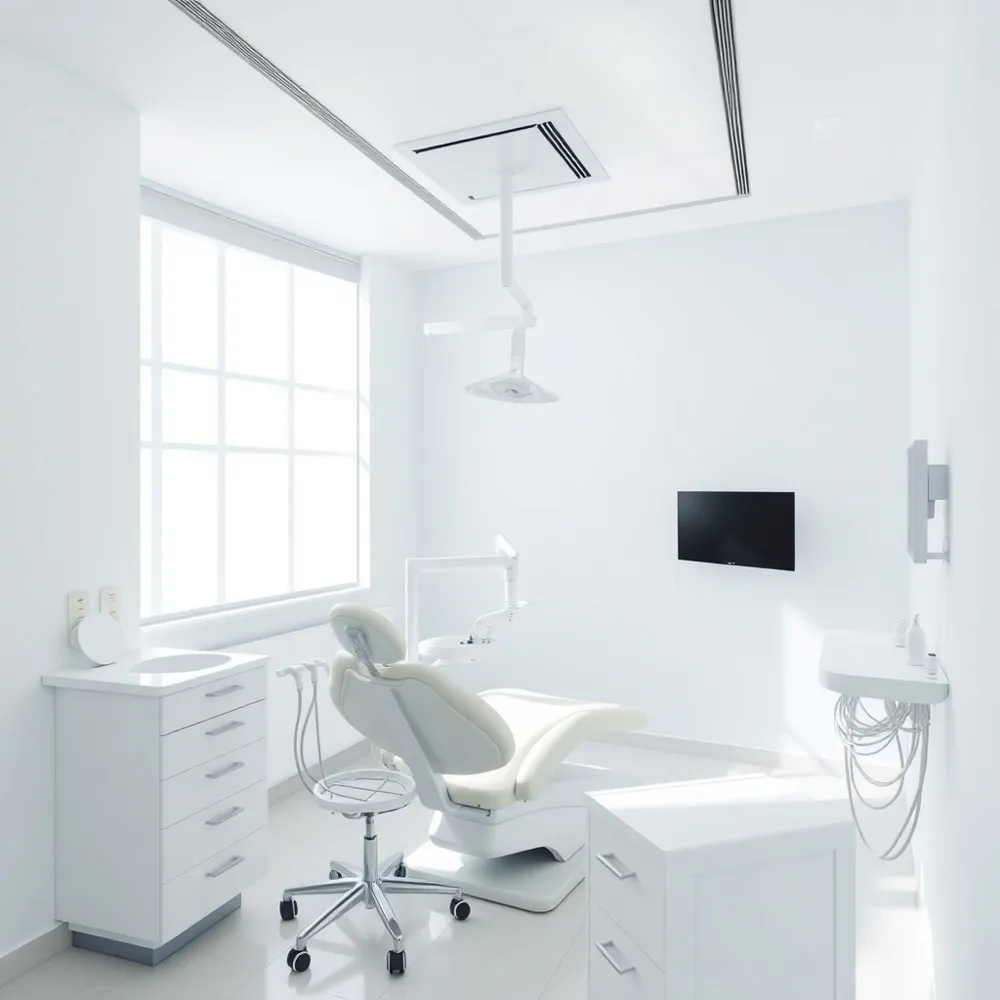 Living with asthma involves managing respiratory symptoms, but the medications used to keep airways open can significantly alter the balance of your child's oral health. Common treatments like beta-2 agonists and inhaled corticosteroids often reduce saliva flow—a condition known as xerostomia—by as much as 20% to 35% per scientific review. Because saliva acts as a natural cleanser that buffers harmful acids and clears away sugars, a reduction in this protective fluid makes teeth more susceptible to dental caries and heavy plaque buildup.
Beyond dry mouth, the acidity of certain medications can dissolve tooth surfaces. Many dry powder inhalers lower the pH of the oral cavity below the critical threshold of 5.5, which accelerates enamel erosion. At Best Choice Dental, we emphasize that this risk remains elevated for children regardless of whether they use a metered dose inhaler or a dry powder inhaler; the most effective mitigation strategy is the consistent use of a spacer device (AeroChamber) to prevent medication from depositing directly on the teeth.
- Inhaled corticosteroids may shift the oral environment, increasing the likelihood of oral candidiasis (thrush).
- Rinsing with water immediately after inhaler use is a standard preventive strategy available to all our patients at Best Choice Dental to neutralize acidity.
- Children with persistent or severe asthma may benefit from more frequent, preventive professional cleanings every 3 or 4 months to proactively monitor for early decay.
Understanding how these medications interact with enamel allows us to build a more detailed protective plan. While some providers might apply a generic approach, we tailor our preventive oral-health strategies by evaluating the specific dosage and type of inhaler your child uses. By incorporating regular fluoride treatments and monitoring for signs of gum inflammation, we help ensure that managing your child's respiratory needs does not come at the expense of their long-term dental vitality.
Tailored Preventive Strategies for Your Child
 Effective management of your child's oral health begins with simple but essential habits that mitigate the risks associated with asthma medications. Because many inhalers decrease saliva production and can lower the pH of your child's oral cavity, rinsing with water immediately after each use remains one of the most effective ways to neutralize harmful acids per 2025 Frontiers in Oral Health data. At Best Choice Dental, we prioritize these preventive measures by teaching families how to integrate consistent rinsing protocols alongside a daily routine of brushing with fluoride toothpaste and nightly flossing as recommended for patient safety.
Are there specific dental considerations for children with asthma?
Yes, children with asthma require specific dental attention as their medications can often lead to dry mouth or an increased risk of cavities. Since some inhalers contain sugars or acidic components that may remain on the teeth, we recommend having your child rinse their mouth with water after every use. Our team at Best Choice Dental works closely with parents to monitor oral health and ensure that asthma management practices support, rather than hinder, your child’s smile. During visits, we focus on preventive care and personalized education to help keep their teeth and gums healthy. We are committed to providing a comfortable, friendly environment where children with asthma receive the specialized, gentle care they deserve.
Your pediatrician can also play a vital role in protecting tooth enamel. We encourage parents to request sugar-free formulations for liquid medications whenever possible, as hidden sugars frequently contribute to higher caries rates. Another strategy to help your child is the use of an AeroChamber or spacer device. By directing medication more efficiently into the lungs, these devices significantly reduce the amount of residue deposited in the mouth and throat.
- Incorporate regular use of a spacer device to minimize unwanted inhaler residue in the oral cavity.
- Maintain a schedule of professional dental check-ups every 3 to 4 months for higher-risk patients, compared to the standard twice-a-year visit suggested by the LSUHSC School of Dentistry.
- At Best Choice Dental, our preventive oral-health strategies include fluoride varnish and sealants which provide an extra layer of defense against medication-induced enamel erosion.
Essential Communication and Clinic Safety Protocols
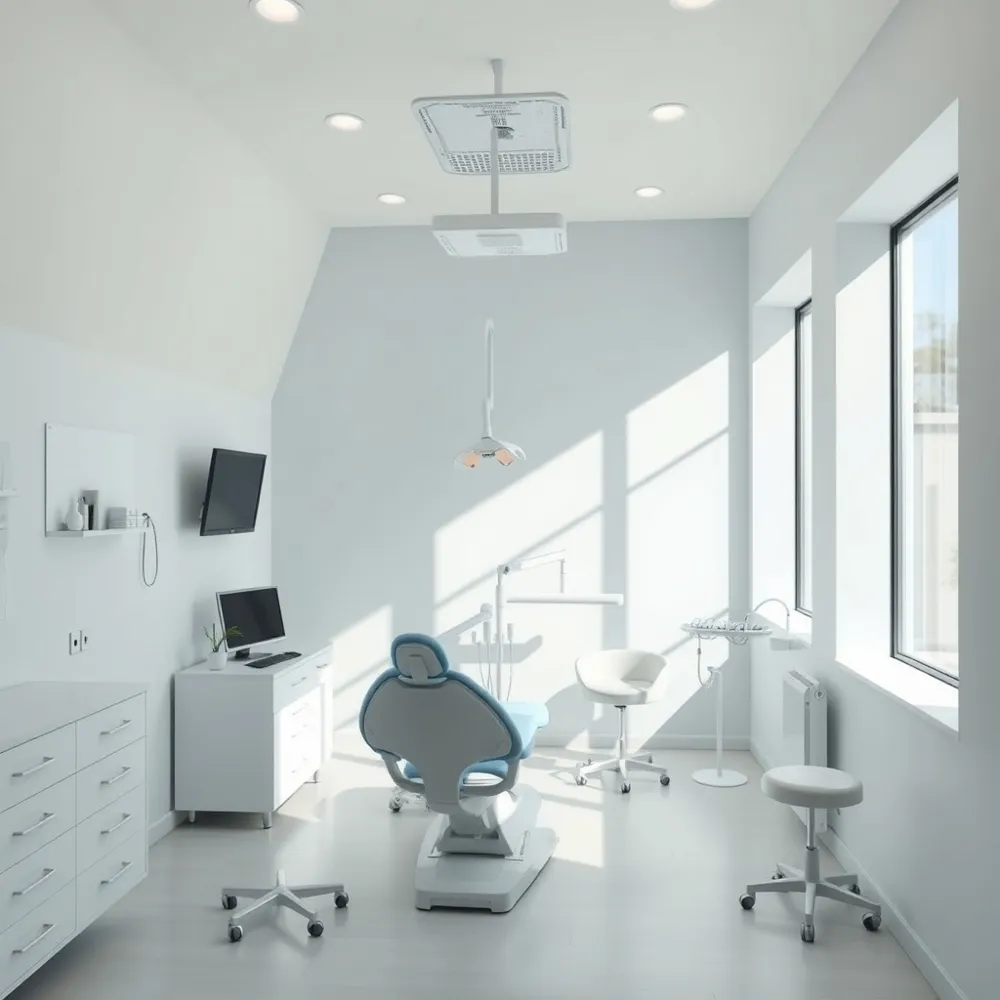 Clear communication forms the backbone of a safe dental experience for children with respiratory conditions. At Best Choice Dental, we recommend that parents provide a detailed medical history during every intake, noting specific asthma triggers, recent hospitalizations, and a comprehensive list of all current medications, as documented in guidelines from the LSUHSC School of Dentistry.
Patients must always bring their rescue inhaler (bronchodilator) or EpiPen to every visit. Because dental anxiety acts as a known trigger for acute bronchospasm, our team prioritizes a relaxed, low-stress environment. We actively manage the clinical setting to prevent distress-induced attacks.
What should I communicate to my dentist about my asthma?
It is essential to inform our team if you have asthma, which medications you use, and how often you experience symptoms. Please ensure you bring your prescribed inhaler to every appointment, as having it readily available allows us to act quickly if any breathing concerns arise. You should also share any known triggers for your asthma, such as stress or specific environmental factors, so we can tailor our approach to ensure you feel calm and comfortable in our care. Keeping your dentist updated on your respiratory health allows us to better support you and prioritize your safety during treatment. Our team is committed to providing a personalized and worry-free experience, so please never hesitate to discuss any specific needs at the start of your visit.
Safety extends to medication management. Per clinical best practices, our clinicians avoid prescribing aspirin or NSAIDs like ibuprofen, which can provoke severe bronchoconstriction in approximately 4% of asthmatic children. Instead, we typically recommend acetaminophen to manage discomfort safely. By maintaining regular dental check-ups at our Totowa facility, we can monitor these safety protocols closely while ensuring your child receives the specific preventive care they need to thrive.
Emergency Preparedness and Clinical Response
Your child's safety is our primary focus at Best Choice Dental, where we integrate clinical precision with a gentle approach designed to lower anxiety. Because stress and the dental environment can act as triggers for respiratory discomfort, our team remains highly prepared to manage asthma-related occurrences with immediate care.
How is an asthma attack managed in a dental clinic?
We prioritize patient safety by maintaining a calm environment. Should an acute asthma attack occur, we immediately stop dental treatment, help the patient sit in a comfortable position to keep the airway open, and assist with the use of a rescue inhaler or supplemental oxygen as required as outlined by the LSUHSC School of Dentistry. It is vital that a rescue bronchodilator is present at every visit, as prompt administration is the most effective way to restore normal breathing during an emergency.
For patients with severe or uncontrolled asthma, Best Choice Dental maintains open, collaborative communication with your child's pediatrician. This partnership ensures that we understand your child's specific medical history, including any requirements for dose adjustments before minor surgical procedures or the use of specialized sedation. By planning ahead, we ensure that children with more complex health needs receive the same high standard of preventive care in a controlled and supportive environment.
| Safety Measure | Action Item | Why It Matters |
|---|---|---|
| Inhaler Access | Always bring to visit | Immediate delivery of rescue meds |
| Clinical Rapport | Confirm asthma control | Reduces stress-induced triggers |
| Pain Management | Use Acetaminophen | Avoids NSAID-linked bronchospasm |
Partnering for Your Child's Healthy and Bright Future
Managing a child's oral health while navigating the complexities of respiratory conditions requires a collaborative, consistent approach. By maintaining strict hygiene routines, such as using fluoride toothpaste and ensuring regular rinsing after inhaler use, you can significantly mitigate the heightened risks of decay and gum inflammation identified in recent clinical reviews.
At Best Choice Dental, we understand the unique challenges faced by families in Totowa, New Jersey. Our team specializes in comprehensive pediatric care, where we integrate advanced preventive strategies into a personalized oral health care plan designed to accommodate your child's specific medical history and comfort needs. Unlike clinics providing one-size-fits-all treatments, we prioritize extended appointment times to ensure every child feels secure and heard.
Early intervention is the most effective tool in maintaining a healthy smile for years to come. We encourage you to schedule your child's next examination today to establish a baseline for their dental development. Together, we can build a strong foundation for your child's bright, confident future, ensuring they receive the specialized, compassionate care they deserve.