A Different Kind of Crown Visit
A conventional crown often means preparing the tooth, placing a temporary restoration, then returning after a dental laboratory makes the permanent crown. For a suitable case, same-day treatment can change that routine: the crown may be designed, made, and placed during one appointment, so the patient leaves with the permanent restoration instead of a temporary one.
That is a general picture of how the visit can differ, not a report of a particular patient’s experience. The process and timing depend on the tooth and the treatment needed.
For families weighing restorative care, fewer appointments may be welcome, but convenience is only one factor. At Best Choice Dental, a family-oriented practice in Totowa, the dentist examines the tooth and considers the patient’s oral health before recommending a personalized plan. A same-day crown is not appropriate for every case, and the best option depends on clinical needs as well as the patient’s preferences.
How a Same-Day Crown Is Made
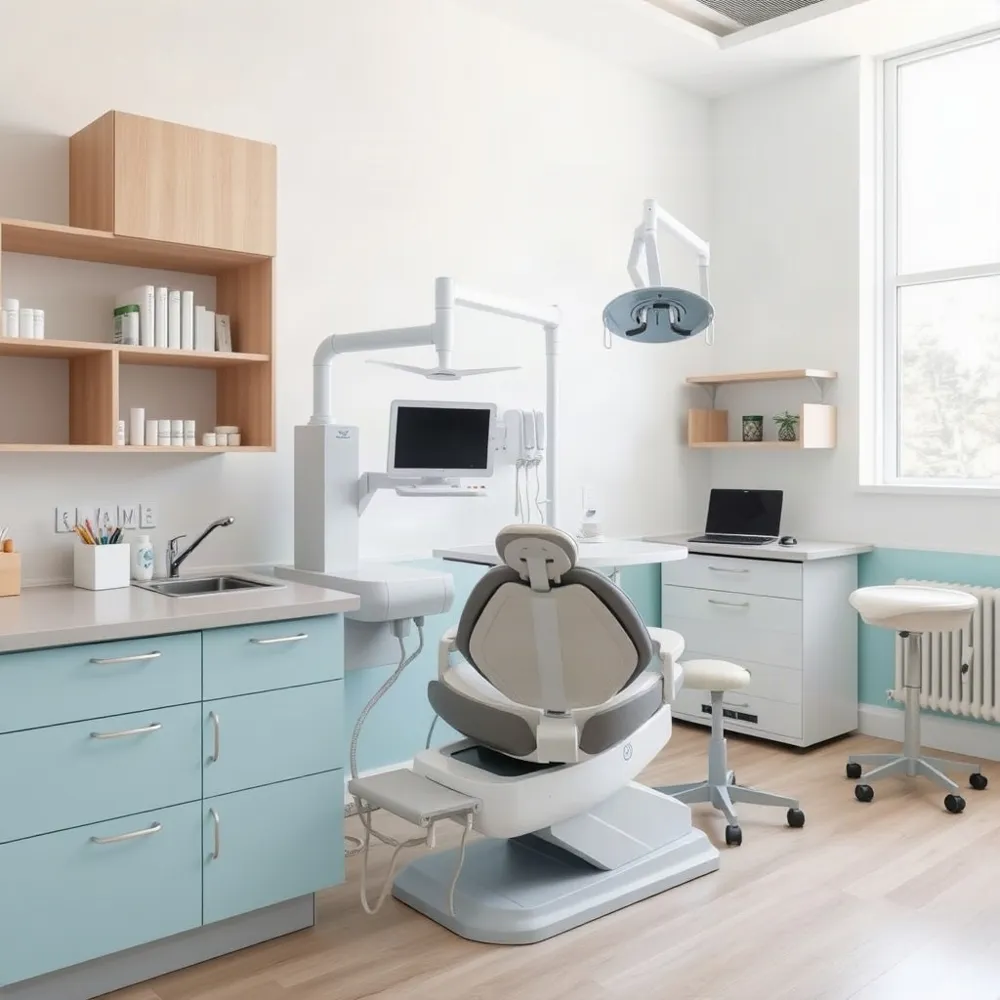 A dental crown is a custom cap that covers and protects a damaged or weakened tooth. When the tooth and treatment plan are suitable, a same-day crown can be designed, made, and placed during one appointment. At Best Choice Dental, the process is guided by an examination and the needs of the individual tooth, rather than a one-size-fits-all schedule.
The dentist first prepares the tooth so the restoration can fit securely. Instead of taking a putty impression, the team uses a digital scanner to capture the tooth and nearby structures as a three-dimensional image. Patients who dislike impression material may find this step more comfortable.
Design software helps shape the crown to fit the prepared tooth and work with the patient’s bite. An in-office milling unit then carves the restoration from tooth-colored material. The milling itself may take only minutes, but that is just one part of the visit. Preparation, scanning, design, fitting, and bonding all add time, so the total appointment varies by case.
Before placement, the dentist checks the crown’s fit and bite, makes any needed adjustments, and bonds it in place. A visit commonly takes around 1.5 to 2.5 hours, but the actual timing depends on the tooth and any additional care required. An examination at Best Choice Dental can help determine whether a same-day restoration is appropriate and provide a more useful estimate for the appointment.
Learn more about how a same-day crown is made.
Who May Be a Candidate
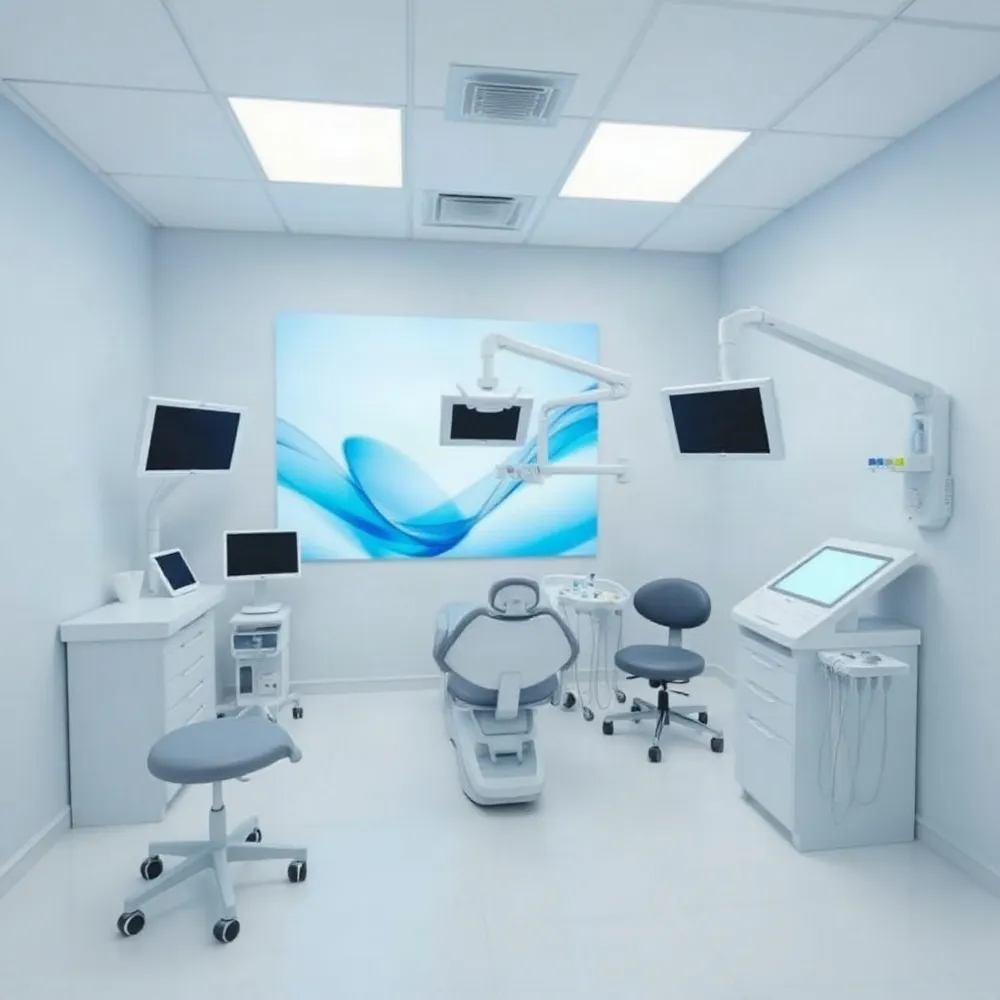 A crown may be considered when a tooth is decayed, cracked, broken, worn, or weakened, including after some root canal treatments. Whether a crown is needed, and which type may suit the tooth, requires a dental examination. [Learn more about who may be a candidate for restorative treatment](./benefits-of-restorative-dentistry-for-damaged-teeth#core-restorative-procedures-and-materials).
Can every dental crown be completed in one day? No. A same-day crown may be an option when the tooth is suitable and the dental office has the required scanning and milling technology. The decision can depend on the tooth’s condition and location, the extent of damage, the bite, material needs, and the wider treatment plan.
Damage below the gumline, complex cosmetic requirements, or a need for a material not offered by a same-day system may call for a laboratory-made crown or another approach. That route typically involves a temporary crown and a return visit, but the dentist can explain the likely timeline for your case.
At Best Choice Dental in Totowa, patients can discuss crown options as part of the practice’s comprehensive dental care. Ask the team whether same-day treatment is available, what timing to expect, and which approach fits your needs. An examination helps make that decision specific to your tooth and goals.
Comparing Crown Options
 A same-day crown changes the timing and workflow, not the need for a careful treatment decision. After preparing the tooth, the dentist takes a digital scan, designs the restoration, and mills it in the office. Conventional treatment usually involves an impression, a temporary crown, laboratory fabrication, and a later visit to place the finished crown. The same-day crown visit still includes checking and adjusting the fit before placement.
For patients whose teeth are suitable, completing treatment in one visit can reduce appointments and avoid wearing a temporary crown. Many same-day systems use ceramic, while laboratory-made crowns can offer a wider selection of materials and may allow more detailed color work. That added flexibility can matter when a restoration has complex cosmetic needs or when the tooth’s location and bite call for a different material.
Neither method guarantees a better fit or longer service life in every case. Digital design can support a precise fit, but the result also depends on the tooth, the chosen material, bite forces, and ongoing care. Ceramic can be unsuitable for some teeth under heavy biting pressure, and a digital scan may not capture some damage extending below the gumline. These are reasons to assess the individual tooth rather than assume a one-visit crown is always appropriate.
At Best Choice Dental, the dentist can weigh the tooth’s location and structural needs alongside appearance goals and your preference for fewer visits. That personalized discussion helps clarify whether an in-office ceramic crown or a laboratory-made option better fits the situation. Patients can also ask about expected costs and insurance benefits before treatment, since coverage and fees vary.
Costs and Practical Tradeoffs
Are same-day crowns more expensive than traditional crowns? There is no single answer. Fees can vary with the dental practice, materials, and treatment required, so a same-day crown should not be assumed to cost more or less. The practical difference is that same-day treatment may combine care into one visit, while a laboratory-made crown generally requires a return appointment.
A single visit can mean less travel and less time away from work, school, or family responsibilities. Those savings may matter when weighing options, but they do not guarantee a lower treatment bill. Best Choice Dental provides comprehensive dental care in Totowa, and patients can request an estimate to understand the proposed treatment and expected fees before making a decision.
Ask the dental office to review the estimate and check with your insurer about coverage and out-of-pocket costs before treatment. Compare the options in light of your budget and schedule, as well as the tooth’s condition and your dentist’s recommendation. Convenience is one consideration, but the treatment should fit your individual dental needs.
For a closer look at how appointment timing can affect day-to-day planning, read about practical considerations for Totowa families.
Care That Supports Crown Longevity
How long do same-day dental crowns last? A general estimate is about 10 to 15 years, and some may last longer, but this is not a promise for any individual crown. Longevity depends on the material and fit, the health of the tooth underneath, oral hygiene, bite forces, and habits.
Having a crown made in one visit does not, by itself, mean it will be less durable than a laboratory-made crown. At Best Choice Dental, crown care is part of a broader approach to oral health, with recommendations tailored to the patient and the tooth being treated.
Brush twice a day, floss daily, and attend routine dental checkups so your dentist can monitor the crown and the supporting tooth. Avoid chewing ice or using your teeth to open packages. If you grind or clench, ask whether a nightguard could help protect the restoration.
Contact your dentist if a crown feels loose, becomes uncomfortable, or chips. Prompt assessment can help identify the cause and determine whether repair or other care is needed. For more on factors that affect a crown’s lifespan, see this guide to materials and longevity of restorative dental treatments.
Comfort During and After Treatment
A conventional crown visit usually involves numbing the tooth, removing decay, and shaping the tooth so the restoration can fit. The dentist takes an impression or digital scan, then places a temporary crown while a dental laboratory makes the permanent one. At a later appointment, the temporary is removed and the finished crown is fitted and cemented. Learn more about the conventional crown sequence.
Local anesthetic is intended to prevent sharp pain during tooth preparation. You may still notice pressure or vibration. After treatment, temporary numbness, mild sensitivity, or gum tenderness can occur and often improves with time. Wait until numbness wears off before eating, so you do not accidentally bite your cheek or tongue, and follow your dentist’s directions about when and what to eat.
With a temporary crown, softer foods may be more comfortable. Avoid sticky or chewy foods that could loosen it, and follow any advice about chewing on the other side. After a permanent crown is placed, it may feel different at first, and the tooth can be mildly tender. Best Choice Dental’s same-day CEREC crown visit includes checking the crown’s fit before placement, since careful fitting matters even when treatment is completed in one visit.
Contact your dentist if discomfort worsens or persists, your bite feels uneven, or a crown becomes loose or comes off. An adjustment or further assessment may be needed.
The Right Fit for Each Patient
Same-day technology can bring scanning, crown design, fabrication, and placement together in one visit, changing the schedule without removing the need for an individualized treatment decision.
At Best Choice Dental, patients can discuss the condition of the tooth, available crown options, expected timeline, costs, and comfort needs with a dentist. An examination helps determine which approach fits the clinical situation and the patient’s preferences, without assuming that same-day treatment is suitable for every case.