Restore Your Smile Without Restoring Your Calendar
A damaged or decayed tooth used to mean two dental visits and weeks of waiting for a permanent crown to return from a lab. Same-day crowns change that entirely, using CEREC technology to design, mill, and place a custom ceramic crown in a single appointment — often in about two hours.
For busy professionals, that single visit eliminates temporary crowns, second appointments, and time off work. This article explains how same-day crown technology works, its advantages over the traditional process, and what you can expect during your visit.
What Are Same-Day Crowns and How Do They Work
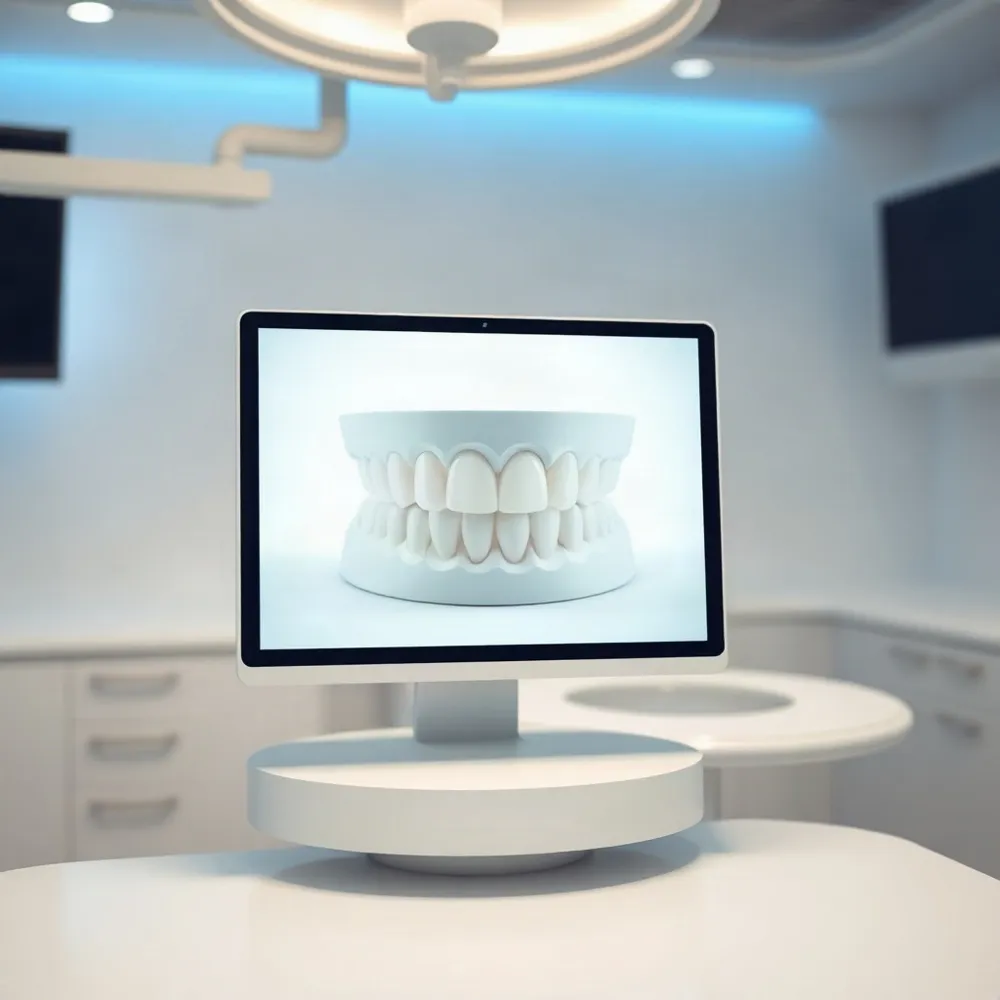 A same-day crown is a custom-made cap for a damaged or decayed tooth that dentists design, mill, and bond in a single visit. Unlike traditional methods, there is no need for a temporary crown or a second appointment.
The procedure relies on CEREC (Chairside Economical Restoration of Esthetic Ceramics) technology. The dentist first uses an intraoral camera to capture a digital 3D image of the prepared tooth. This replaces the messy, sticky putty impressions that often trigger gagging.
Special computer-aided design (CAD) software then uses the 3D model to create a precise crown that matches your tooth's shape, size, and bite pattern. Once the dentist approves the design, the data is sent to an in-office milling machine that carves the crown from a solid block of high-quality ceramic. This milling step takes about 15–20 minutes.
After milling, the dentist checks the fit and shade, makes any small adjustments, and then bonds the permanent crown to your tooth. The result is a strong, natural-looking restoration that feels comfortable immediately. Patients at bestchoicedentaltotowa.com can complete the entire process in a single sitting and return to their daily routine without downtime.
How Long Does a Same-Day Crown Appointment Take
A same-day crown appointment at Best Choice Dental typically takes about 1 to 2 hours, depending on the extent of tooth preparation and the complexity of your case. This single-visit approach condenses what used to require two dental appointments and a two- to three-week wait into a streamlined, efficient session.
Step-by-Step Timeline
The process starts with a digital intraoral scan, replacing the messy putty impressions associated with traditional crowns. Your dentist removes any decay and prepares the tooth, then uses 3D design software to craft your custom crown right in the operatory. The design is sent to an in-office milling machine, which carves the crown from a block of durable ceramic — a step that typically takes under 20 minutes. After milling, the crown is polished, shade-matched to your natural teeth, and permanently bonded to your prepared tooth. The entire sequence, from scan to final placement, fits comfortably into a standard workday break.
By contrast, a traditional crown procedure requires an initial 60- to 90-minute visit for tooth preparation and impressions, a temporary crown to wear for two to three weeks while a lab fabricates the permanent restoration, and a second 30- to 45-minute appointment for final placement. Patients who choose same-day crowns avoid the temporary crown entirely and leave the office with a fully restored smile in about two hours.
For busy professionals in Totowa, this efficiency means a same-day crown can often be completed during a longer lunch break or a short afternoon appointment, minimizing time away from work and eliminating the need to schedule a separate follow-up visit. Best Choice Dental's commitment to advanced technology and personalized care ensures every step of this rapid process remains comfortable and precise.
Advantages and Disadvantages of Same-Day Crowns
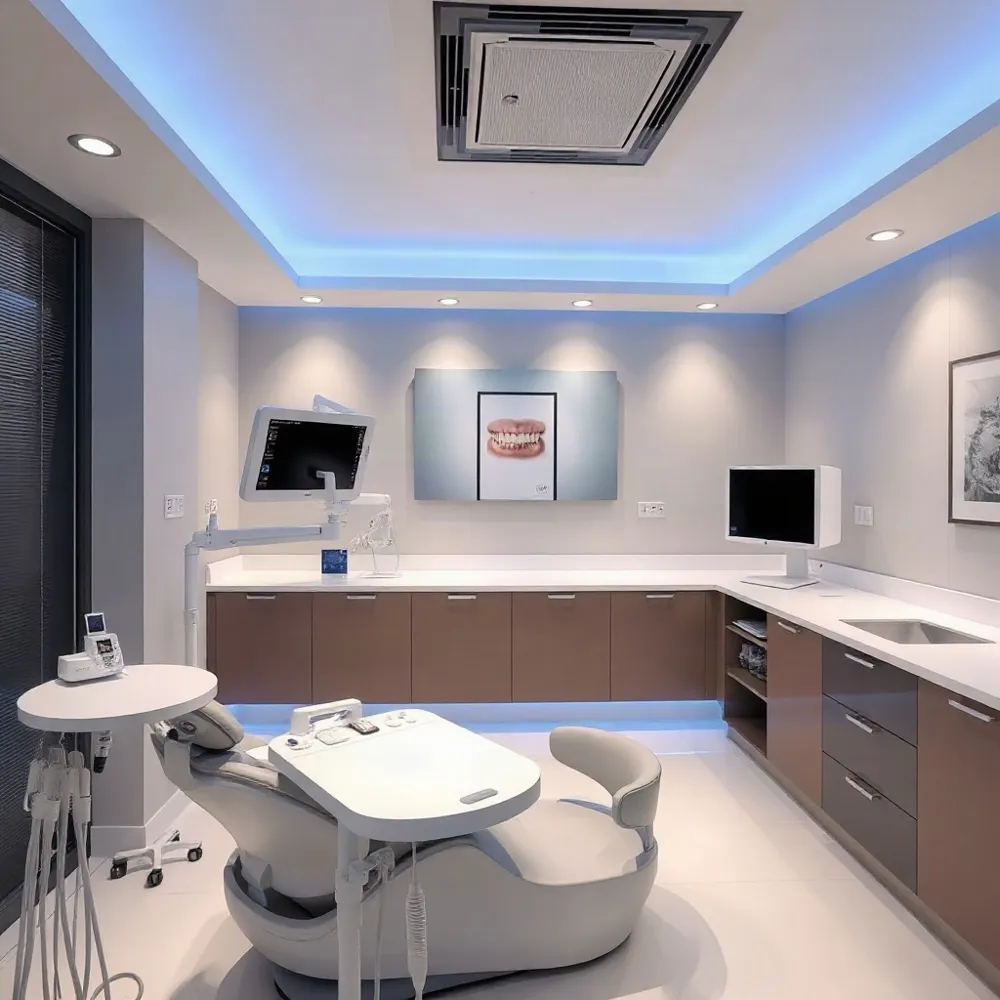 The primary advantage of a same-day crown is the ability to complete the entire procedure in a single visit. This eliminates the need for a temporary crown, which can be uncomfortable and prone to dislodging, and removes the weeks-long wait for a lab to return the final restoration.
Digital scanning replaces the messy putty impressions used in traditional crown procedures. The resulting 3D model allows the dentist to design the crown with exceptional precision, ensuring a snug fit that minimizes gaps and reduces the risk of future plaque buildup.
Patients can return to work or other activities immediately after the appointment because there is no downtime. The ceramic material used for same-day crowns is color-matched to natural teeth, providing an aesthetic result that blends seamlessly with the rest of the smile.
Potential Drawbacks
There are some limitations to consider. The all-ceramic material may be less durable than a metal or porcelain-fused-to-metal crown for patients who grind their teeth heavily. Same-day crowns are also not ideal for every complex case, such as when a fracture extends below the gumline, because the digital camera may not capture the full structure needed for a stable fit.
Some patients experience mild post-placement sensitivity, which typically resolves within a few days. The cost is often comparable to traditional crowns, though it may be slightly higher depending on the practice and insurance coverage.
Value for Busy Professionals
For those with packed schedules, the convenience of a single appointment and the elimination of a temporary crown are significant benefits. At Best Choice Dental in Totowa, the same-day CEREC system allows patients to leave with a restored tooth in about 1 to 2 hours, minimizing disruption to their day.
While traditional lab crowns offer slightly more material variety for specific clinical needs, same-day crowns provide a reliable, precise, and aesthetically pleasing solution that suits the majority of restorative cases. The dentist can assess the tooth's condition and recommend the best option based on location, damage extent, and the patient's lifestyle.
How Long Do Same-Day Crowns Last and Are They As Good As Lab Crowns
If you are considering a same-day crown, two questions likely come to mind: how long will it last, and is it as strong as a traditional lab-made crown? The short answer is that with proper care, a same-day crown can serve you well for a decade or more, and in many ways it matches the performance of its lab-fabricated counterpart.
Typical Lifespan and What Affects It
Same-day crowns are designed to last 10 to 15 years, and with excellent oral hygiene and regular dental visits, they can last even longer. The high-quality ceramic used in the milling process is highly durable and resistant to everyday wear. However, longevity depends heavily on daily habits. Avoiding hard foods, ice, and using teeth as tools will help prevent chipping. A consistent routine of brushing with a soft-bristled brush, flossing around the gumline, and attending twice-yearly check-ups protects both the crown and the natural tooth beneath it.
Are They as Good as Lab-Made Crowns?
For the vast majority of patients, same-day crowns are comparable or even superior in strength and appearance to lab-made crowns. Modern ceramic materials such as lithium disilicate (often used for front teeth, where aesthetics matter most) and zirconia (for back molars that endure heavy chewing forces) provide excellent performance. The single-visit process also eliminates the weak link of a temporary crown and allows immediate fit verification, reducing the risk of premature failure.
Some studies suggest that conventionally fabricated lab crowns may achieve a slightly more precise internal fit, particularly in complex cases involving fractures below the gumline or where a metal substructure is preferred for extreme grinding. For most standard restorations, however, the convenience and modern materials of a same-day crown deliver results that equal or exceed those of traditional lab crowns.
At Best Choice Dental, we use advanced CEREC technology to design and mill your crown from blocks of medical-grade ceramic that are color-matched to your natural teeth. Whether you need a durable solution for a back molar or a natural-looking restoration for a front tooth, we help you select the option that best restores your smile with lasting comfort and quality.
Cost and Insurance Coverage: Are Same-Day Crowns More Expensive
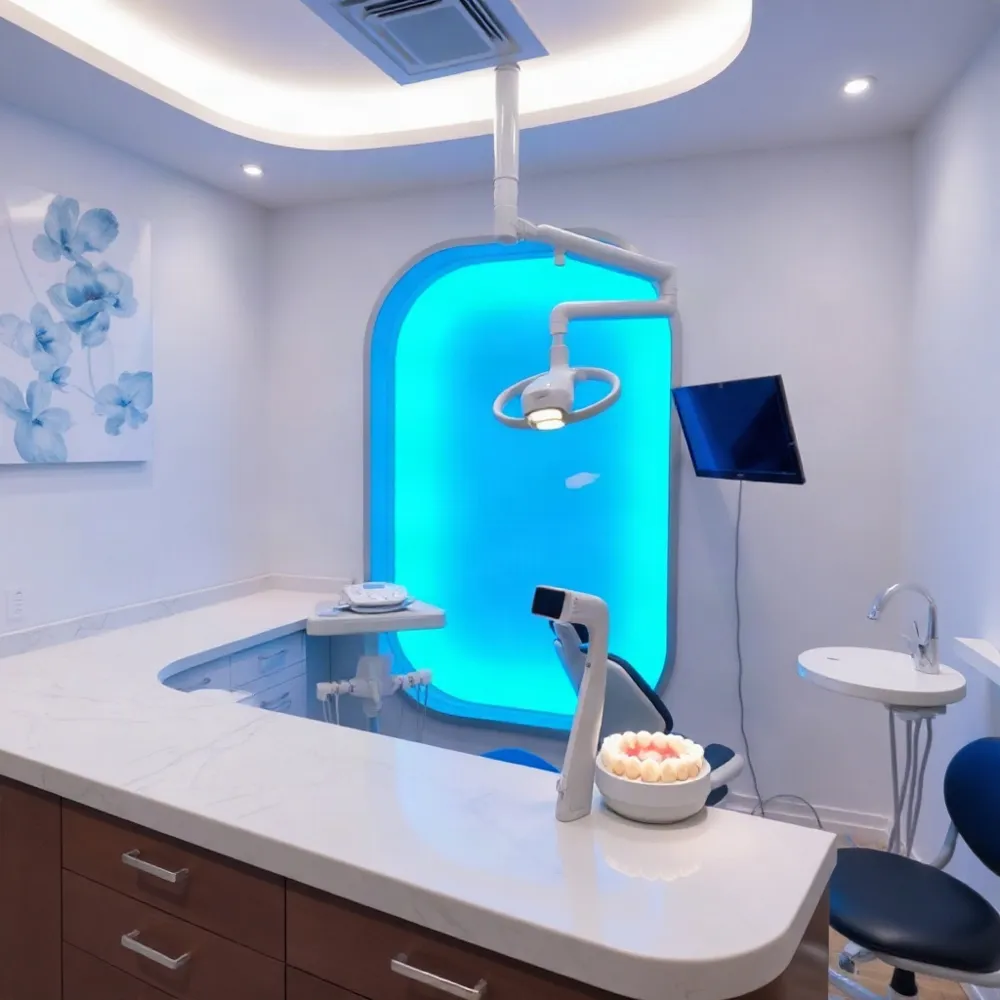 The cost of a same-day crown typically ranges from $800 to $2,500 per tooth, while traditional lab-fabricated crowns can range from $1,000 to $3,500. Factors such as your location, the dentist's expertise, and the materials used influence the final price. Same-day crowns are often similarly priced or slightly less expensive because they eliminate lab fees and require fewer office visits.
The CEREC technology used for same-day crowns at Best Choice Dental allows the practice to design, mill, and place your permanent crown in a single appointment, saving both time and money. There are no charges for an external lab or for a temporary crown, and you avoid the cost of a second appointment. While some complex cases may call for traditional crowns with specialized materials, same-day crowns generally provide a strong balance of quality, durability, and cost-effectiveness.
Most dental insurance plans cover same-day crowns at the same level as traditional crowns, since both serve the same restorative purpose. Coverage depends on your individual plan's annual maximum and deductible, but the single-visit structure means you avoid potential additional co-pays for a second visit. Best Choice Dental provides a detailed treatment plan with transparent pricing during your consultation, so you can make an informed choice for your smile.
What to Expect After Your Same-Day Crown: Eating and Driving
One of the greatest conveniences of a same-day crown is that there is no downtime. You can return to your normal routine immediately after the appointment, including eating and driving, with just a few simple precautions.
Can I Eat Immediately After Getting a Same-Day Crown?
Yes, you can usually eat right after your crown is placed, but the smart approach is to wait until the local anesthesia wears off completely. Chewing while your mouth is still numb can lead to accidentally biting your cheek, tongue, or lip. Once the feeling returns, start with soft, lukewarm foods such as yogurt, mashed potatoes, scrambled eggs, or soup for the first 24 hours. This gives the dental cement time to fully set and bond the crown to your tooth.
During that initial 24-hour window, avoid sticky or hard foods like gum, caramel, nuts, or ice. These can put unnecessary pressure on the fresh bond. After 24 hours, you can gradually return to your normal diet as long as you are not experiencing any discomfort or sensitivity. Your new crown is designed for everyday chewing, but following these guidelines helps it stay securely in place for years to come.
Can I Drive Myself Home After Getting a Same-Day Crown?
If your procedure used only local anesthesia and you feel completely fine afterward, you can typically drive yourself home. Unlike traditional crowns that require a temporary crown and a return visit, same-day crowns are completed in a single appointment. There is no lingering numbness that would impair your ability to drive.
If you choose any form of sedation dentistry, such as nitrous oxide or oral sedation, to help with anxiety, you will need to arrange for a responsible adult to drive you home and stay with you until the effects fully wear off. It is also safest to have someone else drive if you feel dizzy, lightheaded, or experience any discomfort after the procedure. At Best Choice Dental, we always discuss sedation preferences and driving plans with our patients before the appointment so we can ensure a safe and comfortable experience.
Why Dentists Recommend Crowns and How to Choose the Right Option
Dentists recommend crowns when a tooth is too weakened by decay, a large filling, a crack, or a fracture to be repaired with a simple filling. Crowns also support bridges and cover dental implants, restoring full chewing function and preventing further damage.
Patients may wonder whether a crown is truly needed or if it is being pushed for reasons other than health. The clinical necessity is clear when a tooth’s structure is compromised, but the need may not be obvious without a visual image. Asking the dentist to show you the damage on an X-ray or digital photo and to explain why a filling is not enough can help you feel confident in the recommendation. A dentist focused on long-term oral health welcomes these questions.
Convenience. Same-day crowns save you a second visit and eliminate temporary crowns. Best Choice Dental uses CEREC technology to complete the process in about two hours, ideal for busy schedules.
Material preference. Traditional crowns offer more material choices, including porcelain-fused-to-metal and full gold, which some dentists prefer for back molars under heavy bite forces. Same-day crowns are all-ceramic, metal-free, and highly aesthetic.
Tooth location. For front teeth where appearance matters most, same-day ceramic crowns deliver excellent results. For heavily loaded back teeth, a lab-made porcelain-fused-to-metal crown may be recommended based on your bite.
Complexity. If the damage extends below the gumline or requires advanced customization, a traditional lab crown may provide a better fit. For most standard cases, same-day crowns offer a precise, durable solution.
The right choice depends on your specific dental needs, timeline, and comfort with the process. At Best Choice Dental, we take the time to explain the diagnosis and walk you through your options so you can make an informed decision based on your long-term oral health, not on pressure.
Make the Most of Your Time and Smile
Same-day crowns offer busy professionals a high-quality tooth restoration in a single visit, with no temporary crown, digital precision, and immediate function. If daily work or personal commitments leave you with little time to spare, this option may let you restore a damaged tooth without the traditional two-week wait.