
The Foundation of a Healthy Smile
Healthy gums do more than frame your smile. They hold teeth firmly in place and act as a seal against bacteria that can cause decay and infection. Neglecting them can lead to gum disease, pain, swelling, and eventually tooth loss.
Nearly 42% of U.S. adults over age 30 show signs of gum disease, according to research from Penn Dental Medicine. The problem extends beyond the mouth. Gum inflammation has been linked to heart disease, diabetes, and other serious conditions.
"Preventive care at Best Choice Dental in Totowa helps patients protect their gums through routine cleanings, thorough exams, and personalized education focused on lifelong oral health.
Daily Habits for Strong Gums
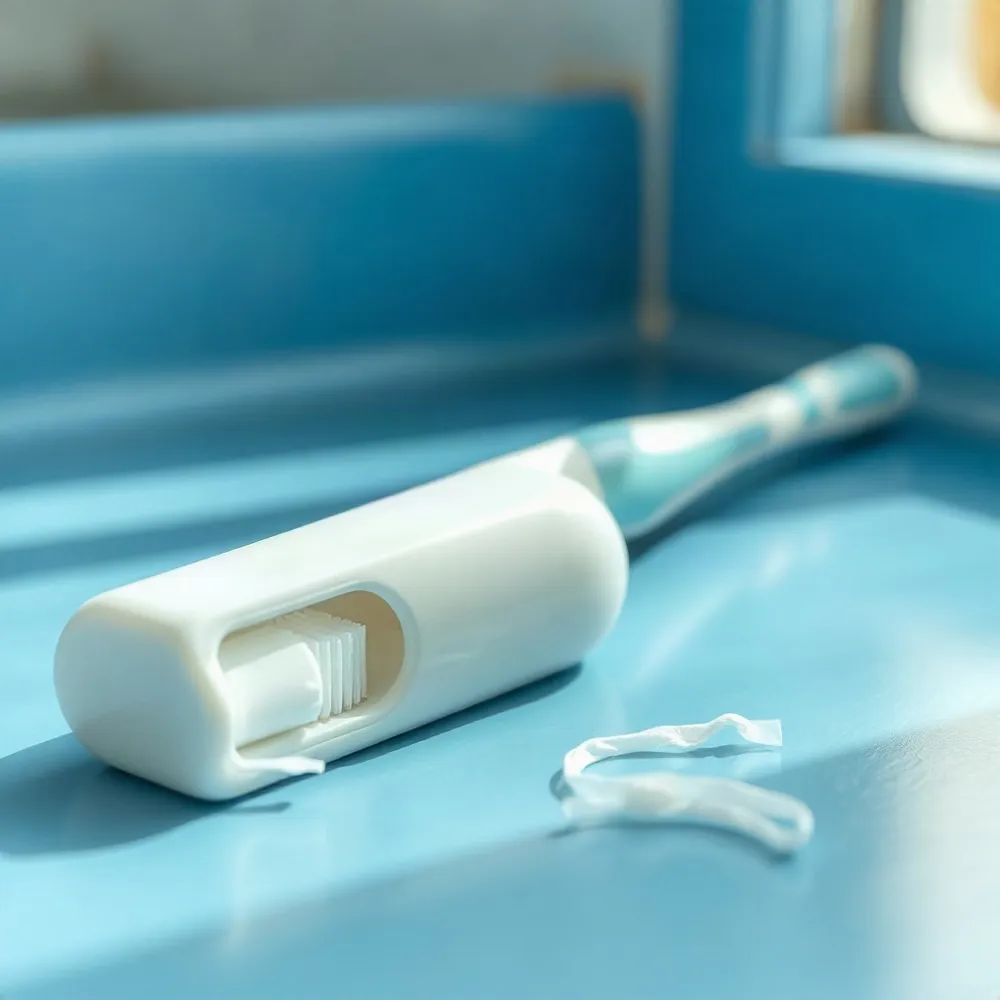 Building a strong oral care routine starts with the basics done well. Brushing at least twice daily with a soft-bristled toothbrush and fluoride toothpaste is your first line of defense against plaque buildup.
To effectively clean along the gumline, position your toothbrush at a 45-degree angle toward your gums. Use gentle, circular motions for a full two minutes, covering the outer, inner, and chewing surfaces of every tooth. This technique helps remove food particles and bacteria from the area where teeth meet gums.
Daily Flossing Is Non-Negotiable
Flossing once each day reaches the plaque and debris that a toothbrush simply cannot access between teeth and under the gumline. Use about 18 inches of floss, gently curving it around the base of each tooth in a C-shape and sliding it beneath the gumline before moving to a clean section. Floss picks, water flossers, or interdental brushes are effective alternatives if traditional floss is difficult to handle.
Ignoring these tight spaces allows plaque to harden into tartar, which can only be removed professionally during a cleaning. For patients who want extra protection against gingivitis and plaque buildup, using a therapeutic mouthwash as part of a daily routine can help reach areas brushing might miss.
Small Details That Make a Big Difference
Cleaning your tongue each time you brush removes bacteria that contribute to bad breath and can affect overall oral health. A tongue scraper or the back of your toothbrush works well for this step.
Toothbrush bristles wear down over time, losing their ability to clean effectively. Replace your toothbrush or brush head every three to four months — or sooner if you notice fraying.
Eat Your Way to Healthier Gums
 What you eat directly affects the health of your gums. A balanced diet rich in vitamins and minerals helps maintain strong gum tissue and supports your body's natural defenses against infection. The right foods can reduce inflammation, strengthen tooth enamel, and even help clean your teeth as you chew.
Anti-Inflammatory Foods for Gum Health
Leafy greens like spinach and kale provide Vitamin C and other antioxidants that reduce gum inflammation. Vitamin C is essential for collagen production, a protein critical for repairing gum tissue. Fatty fish such as salmon are rich in omega-3 fatty acids, which studies have linked to reduced gum inflammation and a lower risk of periodontal disease.
Dairy products like milk, cheese, and yogurt provide calcium and casein, proteins that help strengthen tooth enamel and neutralize acids produced by bacteria. Probiotic-rich yogurt also introduces beneficial bacteria that can crowd out harmful strains in the mouth.
Crunchy Cleaners and Hydration
Crunchy fruits and vegetables such as apples, carrots, celery, and pears act as natural toothbrushes. Their firm texture helps scrub away surface plaque while stimulating saliva production, which washes away food particles. Saliva also contains minerals that repair early signs of decay.
Drinking plenty of water throughout the day is another simple way to protect your gums. Water naturally rinses away leftover food debris and dilutes acids from bacteria in the mouth, reducing the risk of plaque formation along the gumline.
What to Limit for Better Gum Health
Sugary snacks (candy, cookies) and sugary drinks (soda, fruit juice) feed the harmful bacteria that produce acid — this acid attacks enamel at the gumline while creating an environment where plaque thrives. Sticky foods that get lodged between teeth increase risk for cavities along with swollen, irritated gums. Choosing water or unsweetened beverages instead will keep your gums healthier between meals.
Lifestyle Choices That Protect Your Gums
 Smoking and tobacco use increase the risk of gum disease by up to 85%, according to research cited by dental professionals. The connection is direct: nicotine restricts blood vessels, reducing blood flow to the gums. This makes gum tissue more vulnerable to infection and significantly slows the body's ability to heal damaged gums.
When you smoke, your immune system is compromised. This means it has a harder time fighting off the bacteria that cause gum infections. As a result, smokers are not only more likely to develop gum disease but also experience a slower and more difficult recovery from periodontal treatments. At Best Choice Dental, our team encourages patients who smoke to discuss tobacco cessation strategies during their routine exams.
Stress, Chronic Health Conditions, and Gum Health
Unmanaged stress increases inflammation throughout the body. This inflammatory state can raise the risk of gum infections and slow healing if gum problems develop. Patients experiencing high stress levels should pay extra attention to their oral hygiene routine.
Managing chronic conditions like diabetes is also critical for gum health. Diabetes reduces the body's ability to control infection, making patients much more likely to develop advanced periodontal disease. Regular check-ups at Best Choice Dental help diabetic patients monitor their gum condition closely.
Hormonal Changes, Medications, and Saliva Flow
Hormonal changes during pregnancy, puberty, or menopause can make gums more sensitive and prone to inflammation. Pregnant women especially should maintain consistent brushing and flossing habits and see their dentist for check-ups.
Certain medications, such as those for high blood pressure, allergies (antihistamines), or depression (antidepressants), can reduce saliva flow in the mouth (dry mouth). Saliva helps wash away food particles and bacteria; without enough of it, the risk of gum disease increases significantly.
| Factor | Effect on Gums | What Helps |
|---|---|---|
| Smoking | Reduces blood flow; weakens immunity | Quit; seek professional support |
| Stress | Increases inflammation | Manage via exercise and sleep |
| Diabetes | Raises infection risk | Control blood sugar; regular cleanings |
| Hormones (pregnancy) | Makes gums sensitive/inflamed | Extra thorough oral hygiene |
| Medications (dry mouth) | Less saliva; higher risk | Ask dentist about dry-mouth relief |
Recognizing the Signs of Gum Disease
Gum disease usually begins quietly, without pain or obvious warning signs. The earliest stage, called gingivitis, is an inflammation of the gums caused by plaque building up along the gumline. At this point, the condition is still completely reversible with improved brushing, flossing, and professional cleanings. When plaque is not removed, it hardens into tartar, which can only be removed by a dental professional. Left unchecked, the inflammation spreads below the gumline, leading to periodontitis, a more advanced form of the disease that damages the soft tissue and the bone supporting your teeth. Understanding this progression is the first step toward protecting your smile.
The key difference between these stages is the extent of the damage. Gingivitis affects only the gums, while periodontitis involves the supporting structures. According to the National Institute on Aging, taking care of your teeth and gums helps prevent gum disease and tooth loss, and healthy gums also lower your risk for other health problems. Regular dental checkups are essential because your dentist can spot the early signs of gum disease before you notice any discomfort. If you catch it early, you can often reverse the condition with better at-home care and more frequent professional cleanings.
Why Gums Matter More Than You Think
Healthy gums do more than hold your teeth in place. They act as a protective barrier against bacteria that could otherwise enter your bloodstream. The National Institute on Aging notes that gum disease has been linked to other health issues, including heart disease and diabetes, which makes maintaining gum health a priority for your whole body. When your gums are inflamed, your body responds with an immune reaction that can affect other areas, so keeping your mouth healthy is a simple way to support your overall wellbeing.
Professional Care for Lasting Gum Health
Most people think a healthy smile is all about bright teeth, but the foundation of that smile sits deeper. Your gums are the soft tissue that holds your teeth in place, and when they are inflamed, the effects reach far beyond your mouth. The National Institute on Aging points out that gum disease is linked to more serious conditions, which is why taking care of your teeth and mouth is about protecting your whole body.
In Totowa, NJ, the team at Best Choice Dental sees patients every week who are surprised to learn that bleeding gums are not normal and are often the first sign of a problem. From routine tenderness to advanced periodontitis, the path to a healthier smile starts with understanding what healthy gum tissue looks like and how to maintain it. Alongside a preventive care plan, small daily habits can make a significant difference in preventing the need for more extensive restorative work later.
What Sets Healthy Gums Apart
Healthy gums are firm, pale pink (or a shade darker for people with melanin-rich skin), and fit snugly around each tooth. They do not bleed when you brush or floss, and they do not feel tender or swollen. When gums are in good shape, they act as a tight seal that protects the roots of your teeth and the underlying bone. The Penn Dental Medicine blog emphasizes that recognizing these signs matters because unchecked inflammation can progress silently.
The contrast with unhealthy gums is stark. Gums that are red, puffy, or receding are the body's way of sounding an alarm about bacterial buildup and inflammation. Over time, this inflammation can create pockets between the gum and tooth, which allows plaque to travel deeper and destroy the supporting bone. This is why professional cleanings and good home care are not optional extras; they are the first line of defense against gum disease.
The Oral-Systemic Connection
Research continues to show a strong link between the health of your mouth and conditions like heart disease, diabetes, and respiratory infections. The inflammation in your gums does not just stay in your mouth; it can enter your bloodstream and contribute to systemic inflammation. The NHS notes that taking care of your teeth and gums can help prevent problems in other parts of your body, making gum health a genuinely serious health priority rather than just a cosmetic concern.
Everyday Habits That Protect Your Gums
Building a strong foundation at home is simpler than most people fear. It involves consistent, proper technique rather than aggressive scrubbing or expensive products. Here are the most effective habits you can adopt today:
- Brush for two full minutes, twice a day, using a soft-bristled brush and fluoride toothpaste, angling the bristles toward the gumline.
- Floss daily to remove food particles and plaque your toothbrush cannot reach; if flossing is difficult, consider interdental brushes or a water flosser.
- Use an antibacterial mouthwash to reduce plaque and gingivitis, but remember it is a supplement, not a replacement, for brushing and flossing.
- Stay hydrated, because saliva is your mouth's natural defense against bacteria; dry mouth increases your risk of gum disease.
- Eat a balanced diet rich in vitamins C and D, which support collagen production and bone health, and limit sugary snacks that feed harmful bacteria.
These steps are straightforward, but consistency is what delivers results. Even the best home routine is not a complete solution. That is where professional care comes in.
The Role of Professional Cleanings
No matter how diligent you are with your toothbrush, some plaque hardens into tartar, which cannot be removed with a toothbrush at home. This is precisely why the American Dental Association recommends a professional check-up and cleaning every six months. Regular cleanings are not just about scaling away build-up; they are an opportunity for your Totowa dentist to catch early signs of gum disease before they become painful or costly.
For patients who already have signs of gum disease, such as bleeding gums or deep pockets, a standard cleaning may not be enough. In these cases, a deeper scaling and root planing procedure is often needed to remove bacteria from below the gumline and smooth the tooth root to help the gums reattach. At Best Choice Dental, we offer personalized restorative dentistry options and a gentle approach to make these treatments as comfortable as possible.
Compared with practices that offer one-size-fits-all appointments, Best Choice Dental stands out by tailoring the frequency and type of cleaning to your specific risk factors. Whether you need a routine prophylaxis or a more involved therapy, a comprehensive evaluation guides your care plan, ensuring that your investment in gum health is both effective and sustainable.
Why Your Whole Body Needs Healthy Gums
Healthy gums are the foundation of a confident smile and a healthier body. When your gums are in good shape, they hug your teeth firmly and protect the supporting bone from harmful bacteria. On the other hand, untreated gum inflammation can allow bacteria to enter your bloodstream, which has been linked to more serious conditions like cardiovascular disease and stroke. Fortunately, you don't need a complicated regimen to maintain strong gums. Learning about the daily habits that support gum health can help you make small adjustments that pay off in the long run.
Brushing. Brush twice a day, ideally in the morning and before bed, using a soft-bristled toothbrush and fluoride toothpaste. Aim for two full minutes, angling the bristles toward the gumline at a 45-degree angle to remove plaque that can settle along the edge of your gums. Replace your brush every three months or sooner if the bristles show wear.
Flossing. Floss once a day to reach the tight spaces between teeth where your brush can't fit. Gently curve the floss around each tooth in a C shape and slide it below the gumline, using a fresh section for each tooth to avoid redistributing plaque.
Mouthwash. Rinse with an antibacterial mouthwash to reduce plaque and bacteria in hard-to-reach areas. Choose a product that carries the ADA Seal of Acceptance, which confirms it has met safety and effectiveness standards.
These habits become even more effective when you pair them with a balanced diet and regular check-ups. Crunchy fruits and vegetables like apples and carrots naturally scrub teeth, while dairy products supply the calcium your enamel and gums need. If you're ever unsure about your technique, your dental team at Best Choice Dental can offer guidance. For additional tips, the National Institute on Aging provides a helpful overview of daily oral care, and Healthline outlines simple ways to keep gums healthy.
Why Professional Care Complements Your Routine
Even with a meticulous at-home routine, professional cleanings are essential because they remove hardened calculus that brushing can't eliminate. Your dentist or hygienist also checks for early signs of gum disease, such as bleeding gums or deep pockets, and can intervene before these issues escalate. This preventive focus is a core part of general dentistry and helps you avoid more invasive treatments later.
At Best Choice Dental in Totowa, NJ, the team is committed to personalized, comfortable care for patients of all ages. They offer everything from routine exams and cleanings to restorative and cosmetic options, so you can address current concerns and prevent future problems in one place. Knowing you have a partner in your oral health makes the daily routine feel less like a chore and more like a confident step toward a healthier smile.
Your Smile Deserves the Best Care
Early Interventions. Routine dental visits every six months catch gum problems in their earliest, least expensive stages. A simple cleaning and exam at Best Choice Dental in Totowa, NJ, costs a fraction of what a full course of periodontal treatment would later require.
Restorative Necessity. When gum disease advances, it damages the supporting bone and tissue, often leading to tooth loss. Replacing a single tooth with an implant can cost thousands; saving teeth through preventive gum care avoids these substantial expenses.
Overall Health. Healthy gums contribute to better systemic health, reducing the risk of conditions linked to periodontal disease. This means fewer medical bills and a better quality of life, emphasizing why preventive care is a wise investment.