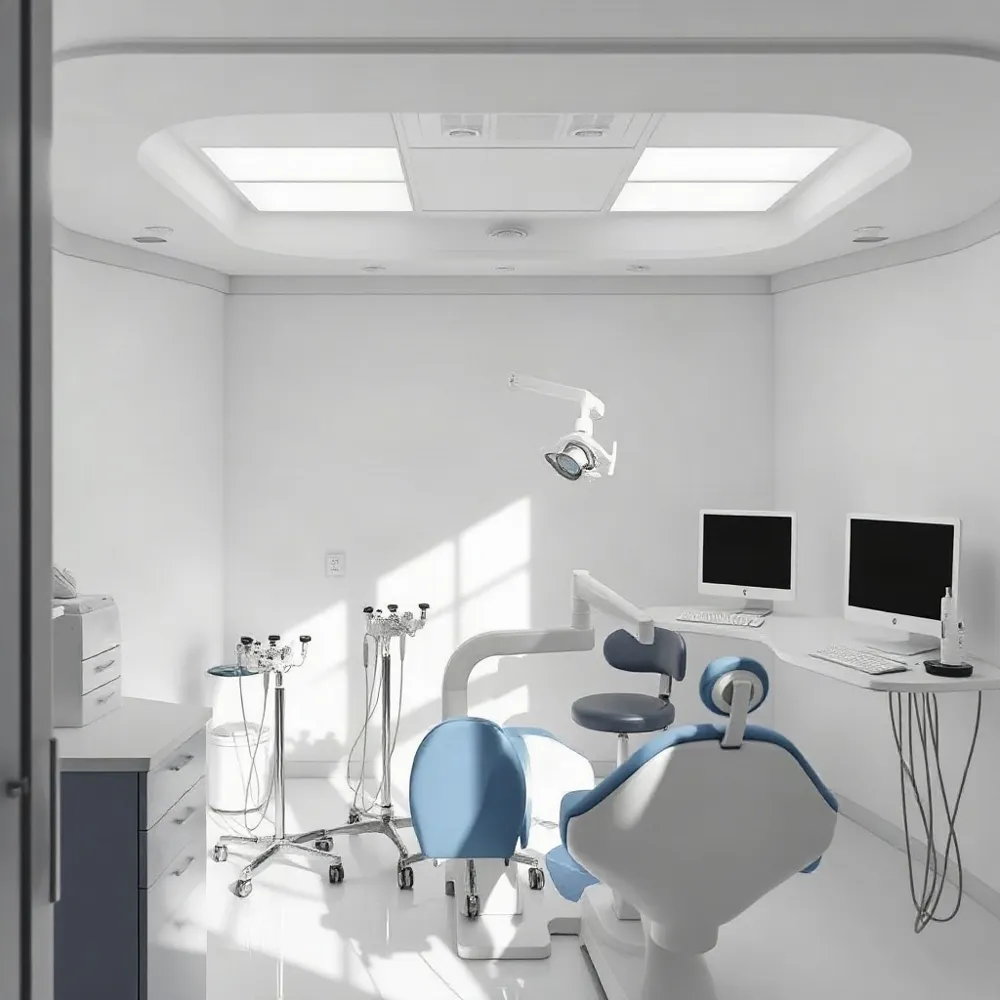
Understanding Restorative Dentistry and Its Role in a Healthy Smile
What is Restorative Dentistry?
Restorative dentistry is a branch of dental care focused on repairing, rebuilding, or replacing damaged or missing teeth. Its primary goal is to restore both the function and appearance of your smile.
Common Dental Issues Treated
It addresses a variety of dental problems including cavities, tooth decay, broken or chipped teeth, missing teeth, and gum disease. Procedures commonly used include fillings, crowns, bridges, dental implants, dentures, and root canal therapy.
Why Restoring Oral Health Matters
Restoring damaged teeth helps maintain proper chewing, speaking, and overall oral health. It prevents further complications such as bone loss, gum disease, and misalignment. By repairing teeth promptly, restorative dentistry supports a healthy mouth, boosts self-confidence, and contributes to your overall well-being.
Key Restorative Procedures and Their Benefits
What Are the Common Restorative Procedures?
Restorative dentistry includes several vital treatments aimed at repairing or replacing damaged or missing teeth. The most common procedures are:
- Fillings: Used to repair small cavities and stop decay from spreading by sealing the tooth.
- Crowns: Caps placed over weakened or broken teeth to restore strength and appearance.
- Bridges: Artificial teeth anchored to adjacent natural teeth to fill gaps left by missing teeth.
- Dental Implants: Titanium posts surgically placed into the jawbone to serve as natural tooth roots, supporting crowns.
- Dentures: Removable or implant-supported appliances that replace multiple missing teeth for restoring function and aesthetics.
How Do These Procedures Restore Function and Appearance?
Restorative treatments are designed not just to fix damage but to bring back full oral functionality. They enable patients to chew and speak more comfortably and confidently. For example, dental implants mimic natural teeth roots, preserving jawbone integrity and supporting facial structure. Crowns and bridges rebuild strong, natural-looking teeth that allow effective biting and prevent the shifting of adjacent teeth. Dentures provide a stable chewing surface, improving nutrition and speech.
What Are the Advantages of Restorative Dentistry?
Restorative dental care offers several significant benefits:
- Pain Relief: Procedures can eliminate discomfort caused by cavities, broken teeth, or infections.
- Improved Chewing: Restored teeth help maintain a balanced diet by enabling efficient biting and digestion.
- Aesthetic Enhancement: Treatments like crowns and veneers improve the smile's appearance, boosting self-confidence.
- Prevention of Further Damage: Restorations protect healthy teeth from decay and reduce risks of bone loss and gum disease.
Why Is Preventive Dental Care Important for Patients of All Ages?
Preventive care lays the foundation for restorative success. It helps avoid common dental issues like tooth decay and gum disease, which can impact overall health. Early and regular dental check-ups, proper oral hygiene, fluoride treatments, and sealants reduce the likelihood of needing complex restorative procedures. Addressing problems early prevents expensive treatments and emergency visits, promoting healthier, longer-lasting teeth and supporting better quality of life throughout all stages.
Maintaining good dental health through both preventive and restorative care is essential for a functional, attractive smile and overall systemic well-being.
How Restorative Dentistry Enhances Overall Well-Being and Confidence
How does restorative dentistry impact self-esteem and social interactions?
Restorative dentistry significantly boosts self-esteem by improving the appearance of damaged or missing teeth. Treatments such as dental crowns, veneers, and dental implants create a natural, attractive smile, which helps patients feel more confident in social settings. Enhanced confidence can lead to better social interactions and mental well-being, reducing anxiety related to dental appearance.
How does restorative dentistry improve chewing, speaking, and nutrition?
By repairing or replacing teeth, restorative dentistry restores normal chewing and speaking functions. Procedures like fillings, bridges, and dental implants allow patients to eat a wider variety of nutritious foods, which supports overall health. Improved speech clarity also enhances communication skills, contributing positively to daily life and social engagement.
How does restorative dentistry prevent jawbone loss and maintain facial structure?
Missing teeth can lead to jawbone deterioration and changes in facial structure over time. Dental implants stimulate the jawbone like natural roots, helping to preserve bone density and maintain facial contours. This prevention of bone loss supports a youthful appearance and proper bite alignment, which are essential for long-term oral health.
What is the relationship between oral health and systemic diseases?
Good oral health maintained through restorative dentistry reduces the risk of systemic conditions such as heart disease, diabetes, and stroke. Addressing issues like infections and gum disease promptly prevents their spread, supporting overall health. This holistic benefit underscores the importance of restorative treatments beyond aesthetics and oral function.
Modern Technologies at Best Choice Dental Elevating Restorative Care

What modern technologies are used at Best Choice Dental to enhance patient care?
Best Choice Dental utilizes cutting-edge digital tools to elevate the quality and comfort of Restorative dentistry for patients. High-resolution digital X-rays and 3D cone beam CT scans provide detailed, three-dimensional views of dental anatomy, enabling more accurate diagnoses while significantly reducing radiation exposure compared to traditional methods. These technologies allow dentists to precisely assess tooth and bone health, leading to tailored treatment plans.
In addition, intraoral scanners create digital impressions of teeth, replacing messy traditional molds. This results in quicker, more precise Restorative dentistry overview and a more comfortable experience for patients, especially those sensitive to gagging.
Laser dentistry is another innovative offering. It facilitates minimally invasive treatments that reduce bleeding, pain, and recovery time. Lasers are particularly effective for treating gum disease and performing soft tissue procedures.
For Dental crowns, Best Choice Dental employs advanced CAD/CAM technology in restorative dentistry . This computer-aided design and manufacturing system allows the creation of same-day crowns and restorations, meaning patients often leave with a new crown in a single visit, saving time and reducing appointments.
Moreover, the practice incorporates AI-assisted diagnostics in dentistry and digital imaging tools to enhance the accuracy and personalization of care. Healthy Smile New York services extend convenience and accessibility, allowing for remote consultations and follow-ups.
Together, these modern technologies at Best Choice Dental not only improve treatment outcomes but also enhance patient comfort, reduce procedure times, and support a high standard of Personalized Restorative Dental Care for patients of all ages.
Personalized and Family-Oriented Restorative Dental Care at Best Choice Dental
How does Best Choice Dental maintain a family-oriented approach in their dental practice?
Best Choice Dental fosters a family-oriented atmosphere by ensuring a welcoming environment tailored to patients of every age. Their personalized treatment plans consider the unique needs of children, adults, and seniors alike. By offering flexible scheduling, they accommodate busy family lifestyles, making dental care convenient and accessible. Central to their approach is patient education, focusing on proper oral hygiene and regular check-ups to encourage lifelong healthy habits. Their comprehensive dental services span preventive, restorative dentistry procedures, and orthodontic care, providing continuity and peace of mind for families. The practice also prioritizes creating a stress-free experience to reduce dental anxiety and build lasting trust.
What comprehensive oral healthcare services does Best Choice Dental offer for patients of all ages?
Best Choice Dental provides a broad range of services suitable for all family members. Preventive care includes dental cleanings, exams, and sealants designed to maintain oral health and prevent disease. For restoring damaged teeth, they offer fillings, crowns, root canal therapy, and dental implants crafted to restore function and aesthetics. Cosmetic treatments such as teeth whitening and veneers further enhance smile appearance, boosting confidence. The practice also promptly addresses dental emergencies to relieve pain and prevent complications. This integration of services ensures patients receive personalized, comfortable care throughout their dental journey.
Long-Term Benefits and Preventative Impact of Restorative Dentistry
How Does Restorative Dentistry Prevent Further Dental Complications?
Restorative dentistry plays a crucial role in halting the progression of dental problems. By addressing issues like cavities, broken or decayed teeth, and missing teeth early, it prevents these conditions from worsening and leading to more invasive treatments such as extractions or root canals. For example, replacing missing teeth with implants or bridges helps stop jawbone loss and reduces risks of gum disease by preventing bacteria buildup in gaps.
Is Timely Restorative Care Cost-Effective?
Yes, prompt restorative treatment can save you money in the long term. Early intervention stops dental problems from escalating into more complex, costly procedures. While restorative services might seem an investment initially, they lower expenses related to emergency care and extensive surgeries later on. Personalized treatment plans tailored to individual needs ensure efficient use of resources.
How Durable Are Restorations?
Modern restorative treatments use high-quality materials designed for longevity. Dental fillings can last over a decade, while crowns and implants often provide 20 years or more of reliable service. Techniques like CAD/CAM technology in restorative dentistry and biocompatible materials improve precision and durability, making restorations both functional and natural-looking.
Why Are Regular Check-Ups and Good Oral Hygiene Important After Restorative Treatment?
Maintaining your restorations is essential for their lasting success. Routine dental visits allow professionals to monitor the condition of restorations and catch any concerns early. Consistent oral hygiene practices help prevent decay and gum disease around treated areas, preserving both natural teeth and restorations. This ongoing care supports long-term oral health benefits.
Restorative dentistry not only repairs damage but also prevents further complications, optimizes costs over time, offers durable solutions, and requires continuous care to ensure lasting benefits.
Embracing Restorative Dentistry for a Healthier, Confident Smile
Restorative dentistry plays a vital role in repairing and replacing damaged or missing teeth, boosting both oral health and aesthetics. By restoring function, it improves chewing, speaking, and appearance, enhancing confidence and overall well-being.
Timely, personalized dental care is essential to prevent further complications and to maintain lasting oral health. Best Choice Dental is committed to providing customized restorative treatments with advanced technology and compassionate care.
Their expert team supports every patient’s journey, ensuring durable results and a vibrant, confident smile that lasts.