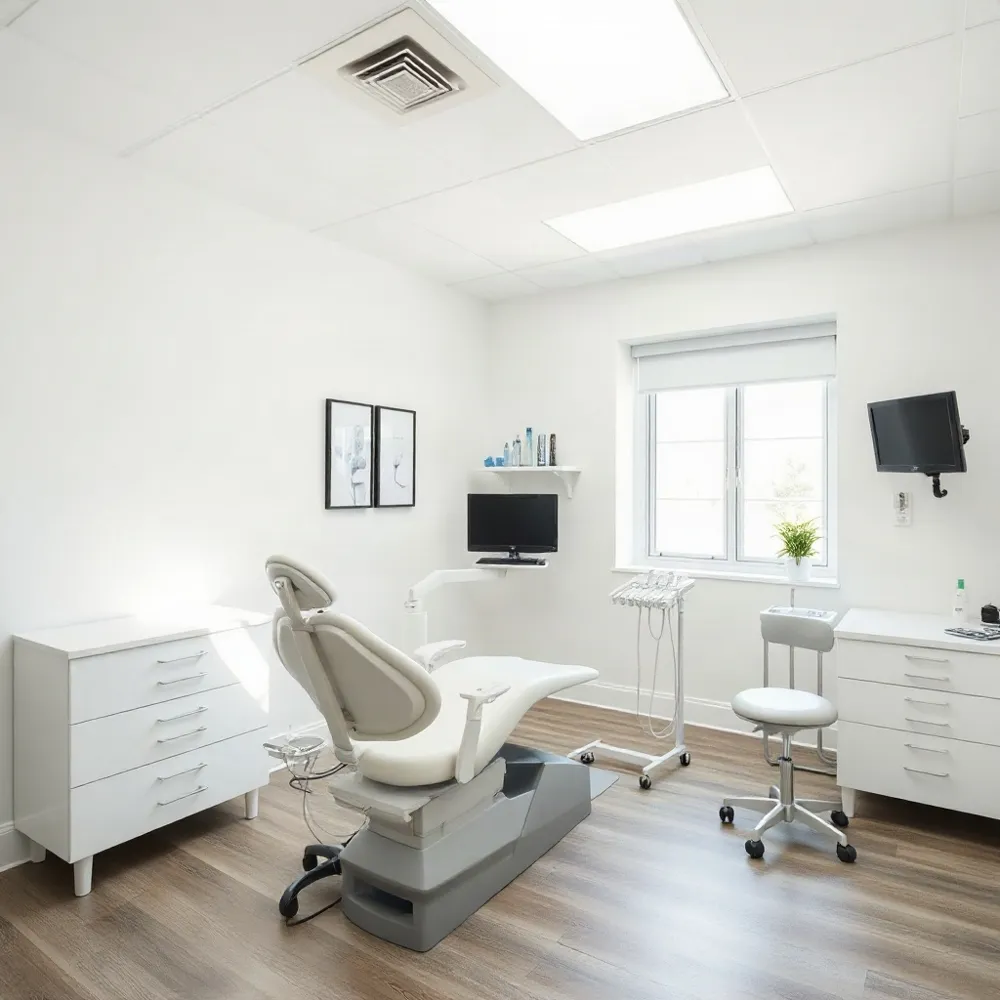
When Small Problems Go Unnoticed
Teeth can feel fine even as early decay, gum inflammation, or plaque buildup develops. A checkup gives a dentist the chance to spot concerns that may not yet be painful or easy to see, and to discuss what they mean for your oral health.
Finding a problem early may make it simpler to address, but preventive visits cannot guarantee that treatment will be avoided or that costs will be lower. A study of Indiana Medicaid adults found an association between preventive visits and fewer later nonpreventive visits, but it does not establish that every patient will have the same result (study of preventive dental care).
For families in Totowa, regular care is an opportunity to ask questions and make decisions based on individual needs, not a reason to feel guilty about a missed appointment. At Best Choice Dental, a family-oriented practice providing care for patients of all ages, visits can support a personalized approach to oral health. If it has been a while, the next step is simply to arrange an assessment and discuss what would be helpful.
What Happens During Preventive Visits
 A preventive visit gives the dental team a chance to review changes since your last appointment and check your mouth before concerns become more noticeable. At Best Choice Dental, a family-oriented practice in Totowa, visits can be tailored to patients of different ages and oral health needs.
A routine checkup commonly begins with a review of your health history, medications, and any questions or symptoms. A hygienist then assesses your gums and cleans your teeth, removing plaque and hardened tartar, flossing between teeth, and polishing their surfaces. Home brushing and flossing are essential, but may not remove every deposit.
The dentist examines the teeth, gums, bite, oral tissues, jaw, and existing dental work, looking for signs of decay, gum problems, unusual wear, or changes that may need attention. X-rays may be recommended when appropriate to assess areas that cannot be seen during a visual exam. The team can explain what the images are intended to check and discuss any questions before proceeding.
An oral cancer screening may also be part of the examination. Based on findings and individual needs, the dentist may offer home-care advice, recommend follow-up, or consider preventive treatments such as fluoride or sealants. These recommendations can differ by age, dental history, and risk of decay.
Preventive care generally means routine examinations, professional cleanings, and appropriate assessments or protective treatments. It is distinct from restorative care, which repairs existing damage with procedures such as fillings, crowns, or root canals. A routine visit may identify a concern, but any recommended treatment is discussed separately so patients can understand the findings and next steps.
For a fuller overview of the usual appointment sequence, see what to expect during a dental visit.
How Delays Can Increase Treatment Needs
A small cavity may deepen over time, while gum inflammation can progress and plaque can harden into tartar that brushing cannot remove. Cracks, worn enamel, or older fillings and crowns may also worsen. The pace varies, and not every developing concern leads to extensive treatment, but changes can be harder to address once damage advances.
When decay is limited, a dentist may be able to treat it with a filling. If it reaches the inner part of a tooth, root canal treatment or extraction may be considered instead. A checkup gives the dental team an opportunity to assess what is happening and discuss suitable options before the problem progresses. It cannot guarantee that treatment will be avoided.
A 2022 study of adults enrolled in Indiana’s Medicaid HIP Plus program found that preventive dental visits were associated with fewer later nonpreventive visits and lower dental spending. The researchers cautioned that the findings show an association, not proof that preventive visits caused those differences, and they may not apply to every patient or insurance setting. The study’s findings do not promise a specific saving or outcome.
At Best Choice Dental, patients of all ages can receive comprehensive care in one family-oriented practice, with recommendations shaped around their oral health and concerns. If a checkup identifies a developing issue, the dental team can explain whether monitoring, preventive steps, or treatment may be appropriate. For more on how delays can affect oral health, see how missed dental checkups can increase treatment needs.
A Schedule That Fits Your Oral Health
 Many people are advised to have a dental checkup and cleaning about every six months, but that is a common guideline, not a rule for everyone. The Cochrane review of dental checkup intervals found that the appropriate timing can depend on a person’s risk of dental disease.
Your dentist may suggest more frequent visits if you have active gum disease, frequent cavities, dry mouth, or health and lifestyle factors that affect your oral health. Some people with consistently healthy teeth and gums may be advised to come less often. At Best Choice Dental, our wide range of dental services, from preventive care and restorative treatments to cosmetic enhancements, is supported by advanced technology to ensure precise diagnoses and comfortable, personalized care for patients of all ages. This helps our dental team tailor recommendations to each patient's unique needs.
Ask your dentist to set an individualized recall schedule based on your oral health, dental history, and risk factors. A fixed interval should not replace that assessment. For additional guidance, see how often to schedule regular dental check-ups.
You do not need to wait for a routine appointment if you develop persistent tooth pain, unusual bleeding, swollen gums, loose teeth, or sensitivity to hot or cold. Contact your dental practice to ask whether you need an earlier assessment.
Between visits, brush and floss daily to help manage plaque. These habits support professional care but do not replace examinations and cleanings, which can identify concerns and remove buildup that home care may miss.
X-Rays Guided by Individual Need
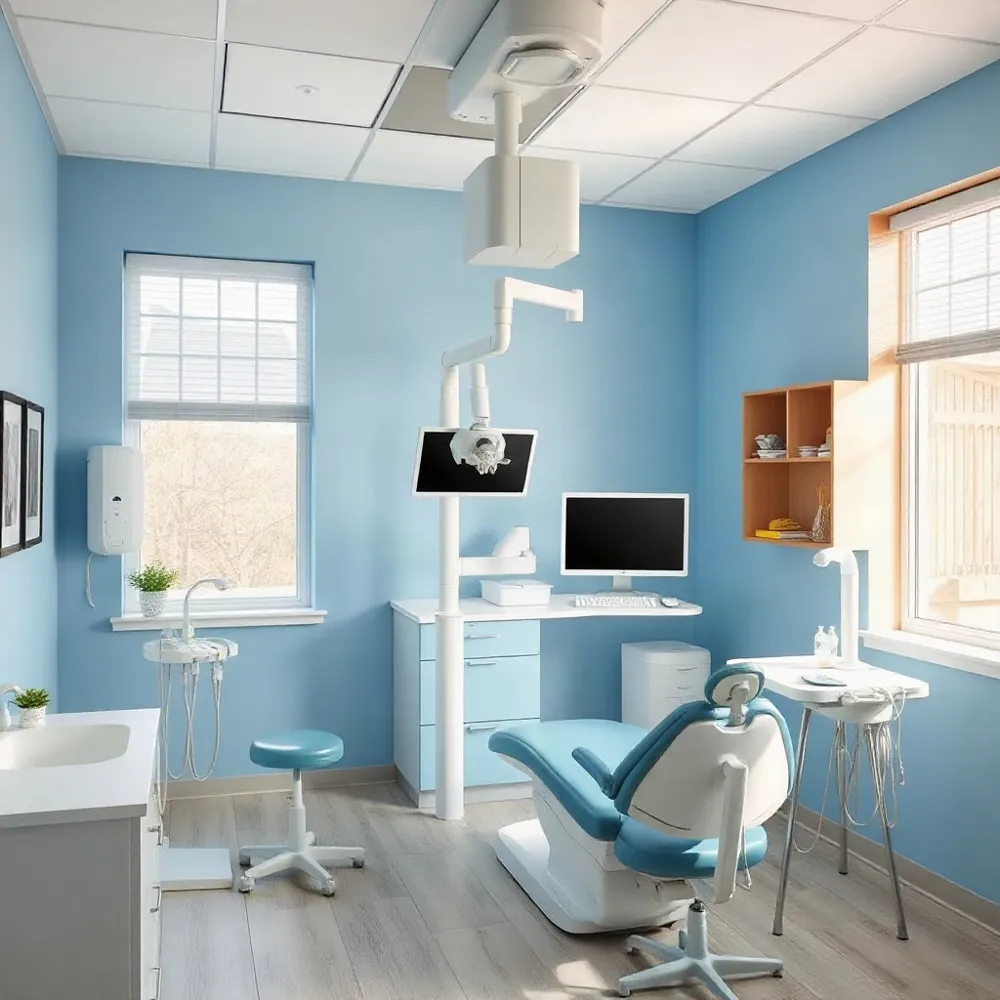 Dental X-rays do not follow one schedule for everyone. Your dentist considers your dental history, current findings, symptoms, and risk of developing problems before recommending images. The NHS guidance on dental check-ups also emphasizes tailoring routine care to individual oral health and risk.
Images can show areas that are difficult to assess during a visual exam, including spaces between teeth and parts of a tooth below the surface. But they are useful only when they help answer a clinical question or guide treatment. Your dentist can review recent images and current findings to avoid repeating X-rays without a clear reason.
People with a higher risk of decay or gum problems, or whose dentist is monitoring a concern, may need images more often than someone with stable oral health. For some low-risk adults, bitewing images may be considered every 24 to 36 months, while higher-risk patients may need them every 6 to 18 months. These are examples, not universal schedules; your dentist should recommend timing for your circumstances.
At Best Choice Dental, care is personalized for patients of all ages, so questions about imaging can be discussed in the context of an individual exam and treatment needs. Ask what a recommended image is intended to check, whether recent X-rays can be used, and when another set may be helpful.
Understanding Checkup and Treatment Costs
Knowing what a visit may cost can make it easier to plan. Broad U.S. estimates put a routine cleaning at about $75–$200, an exam at $50–$150, and X-rays, when needed, at roughly $25–$250. These are not local quotes. Fees vary by location, provider, the services included, and individual needs.
At Best Choice Dental in Totowa, contact the office for a current estimate and ask what an appointment includes, such as an exam, cleaning, or X-rays. If the dentist recommends additional care, ask for an explanation of the proposed treatment and its expected cost before deciding how to proceed.
Does dental insurance cover preventive care, and how often are cleanings covered?
Many dental plans cover routine exams and cleanings, sometimes with little or no out-of-pocket cost when you see an in-network dentist. Benefits differ: plans may set limits on how often cleanings are covered, apply deductibles, or cover treatment at different levels. Twice-yearly cleanings are common in plan benefits, but the policy determines what applies to you. Check your plan documents or call your insurer to confirm coverage, network status, and any expected charges.
How much does a dental checkup and cleaning cost without insurance?
Without insurance, the broad estimates above can help with initial planning, but restorative treatment may cost more than routine preventive care, and the amount depends on the procedure and your needs. Best Choice Dental can provide current Totowa pricing and discuss recommended care before treatment begins. If cost is a concern, ask whether the office offers membership or payment options; availability and terms may vary.
Research on Indiana Medicaid adults found an association between preventive dental visits and lower subsequent dental spending, but it does not guarantee savings for every patient. The study supports discussing prevention as part of an individualized care plan, rather than treating any estimate as a promise.
Make the Next Visit Easier
If it has been a while since your last checkup, you do not need to feel embarrassed. Dental concerns can develop quietly, and a visit can clarify what needs attention now. At Best Choice Dental, a family-oriented practice in Totowa, patients of all ages can discuss their oral health and care options in a friendly, professional setting.
Make follow-through easier by booking your next appointment before you leave, adding it to your calendar, and keeping the office’s text, email, or phone reminders enabled. These simple prompts can help a routine visit stay on your schedule.
The right timing depends on your oral health and risk, rather than one interval for everyone, as Cochrane’s review of dental check-up frequency explains. At Best Choice Dental, share any concerns, ask questions about recommended care, and work with your dental professional on a schedule that fits your needs.