Making Flossing a Family Adventure
Flossing is a crucial part of children's oral health, but it can be a challenge for many parents. Getting a young child to sit still for daily flossing often requires more than just good intentions—it calls for creativity, patience, and the right tools.
Starting early with the right approach can turn flossing from a nightly struggle into a positive, lifelong habit. This article shares creative tips and tools to make flossing fun for your young children, helping you build a foundation for healthy smiles that lasts.
The Right Age to Start Flossing
 Flossing should begin as soon as a child has two teeth that touch. Once this happens, a toothbrush alone cannot reach the tight spaces between teeth where plaque and food particles accumulate. Starting to floss at this stage helps prevent cavities and gum disease from taking hold in those hidden areas, setting the foundation for a healthy smile.
This typically happens around age 2 or 3, though it can occur as early as age 2 or as late as age 6. For very young children, parents should floss their child's teeth during this period. As noted by the URMC Encyclopedia, it's common for parents to need to floss for a child until they are 10 or 11 years old. Children generally develop the manual dexterity to floss on their own around age 7 or 8, but they still require close supervision to ensure they are cleaning thoroughly.
Introducing flossing early does more than just prevent cavities. It also helps establish a consistent daily routine, which is easier to maintain when the habit is built from a young age. At Best Choice Dental, we guide families through this process, offering personalized advice on technique and tools to make flossing a positive part of your child's day. Whether you use traditional string floss or colorful floss picks, the most important step is to start early and be consistent.
Choosing the Best Tools for Little Hands
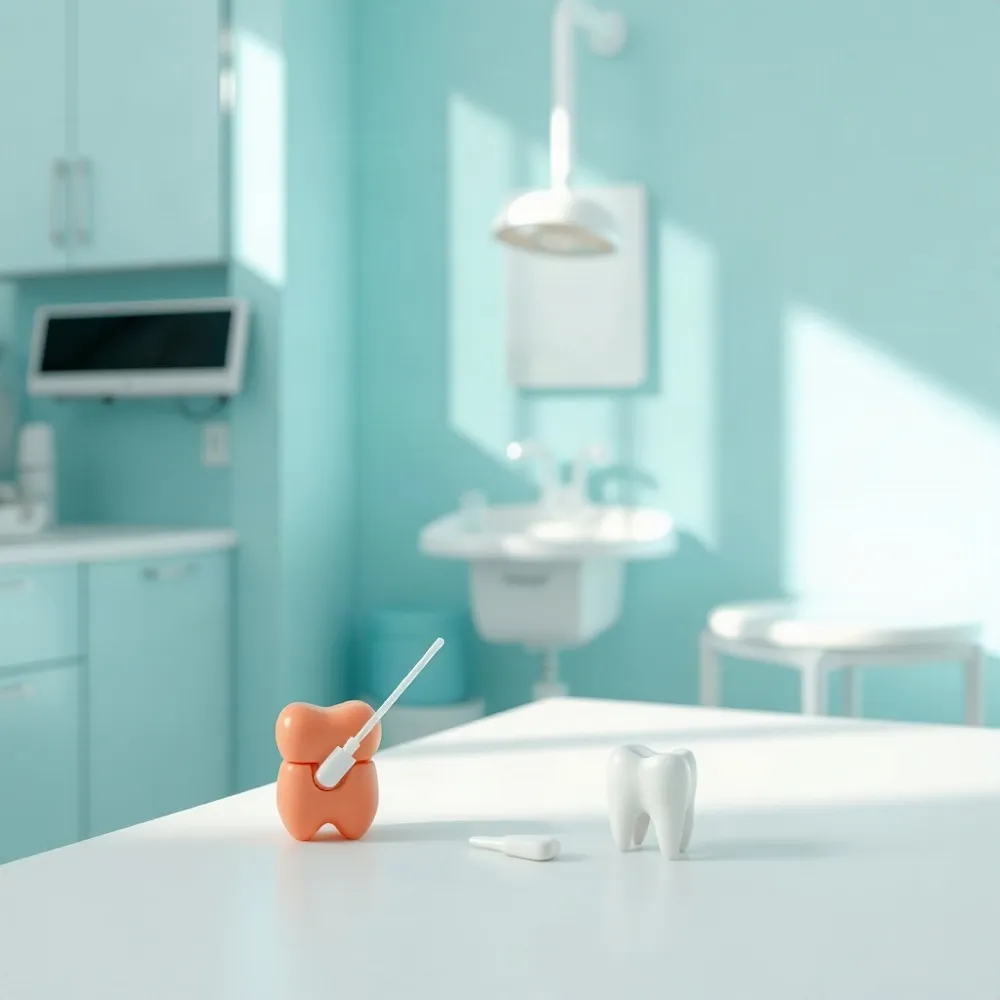 Floss sticks and pre-threaded flossers are designed with small hands and developing dexterity in mind. Unlike traditional string floss, which can be tricky to wrap and maneuver, a floss stick lets a parent floss with one hand while keeping the child comfortable and their mouth open with the other. Best Choice Dental often recommends these tools to families at checkups as a practical way to build a sustainable flossing habit.
Floss sticks. Colorful, character-themed, and sometimes flavored, these are easy for kids to hold and use with minimal frustration. Brands offer shapes like animals or handles with popular character designs, which can make the daily task feel more like a toy than a chore.
Water flossers. Water flossers use a stream of pulsating water and can feel like a fun gadget, but they do not replace physical string floss. A water flosser removes large food debris and can help around braces, but it cannot effectively clean the plaque that builds up between touching teeth where cavities start. For children with orthodontic appliances or sensory sensitivities, a water flosser may be used as a complement under a dentist's guidance.
Hand flossing should be introduced once a child can tie their own shoelaces, typically around age 8 to 10. At this point, they have the manual dexterity to wrap floss around their fingers and guide it between teeth using the C-shape technique. At Best Choice Dental, the team helps families plan this transition during regular visits, offering in-office demonstrations so kids can practice under supervision. Until then, floss sticks remain the more effective and frustration-free choice.
Letting children choose their own floss or flosser fosters a sense of ownership and excitement about the daily routine. A shopping trip where a child picks out their favorite colors, characters, or flavors turns a chore into a small adventure. Research from the University of Rochester Medical Center confirms that children often need help with flossing until ages 10 to 11, so the right tool not only makes the task easier but also encourages consistency and cooperation from the start.
| Tool | Best For | When to Use |
|---|---|---|
| Floss sticks / picks | Young children (ages 2-8) learning dexterity | Daily flossing before or after brushing |
| Traditional string floss | Children who can tie shoelaces (ages 8+) | Thorough plaque removal between all teeth |
| Water flosser | Braces, sensory sensitivities, large debris removal | As a complement to string floss, not a replacement |
Turning Flossing into a Game
 Flossing doesn't have to feel like a chore. With a little creativity, parents can turn daily flossing into a fun, engaging game that kids actually look forward to.
Sticker Charts and Reward Systems
A sticker chart is a simple and effective way to celebrate daily flossing. Every time your child flosses, they earn a sticker. After a full week of successful flossing, a small prize like extra playtime or a trip to the park can keep motivation high. This positive reinforcement builds a sense of achievement and makes the habit stick.
Turn Up the Tunes
Playing a favorite two-minute song or setting a fun timer can make flossing feel shorter and more enjoyable. The music signals how long to floss and turns the task into a mini dance party. You can also use a brushing app that plays music and tracks time to keep kids entertained while they clean between their teeth.
Flossing as a Family Activity
Children learn best by watching their parents. When everyone flosses together before bed, it normalizes the habit and shows that flossing is something the whole family does. Let your child see you flossing your own teeth, and then help them with theirs. This shared moment turns a daily routine into quality family time.
Story Time: Superhero Floss
Turn flossing into an adventure by telling a story where the floss is a superhero fighting 'sugar bugs' hiding between teeth. The floss swings into action, saving each tooth from plaque and cavities. This narrative makes the activity playful and helps children understand why flossing matters.
Hands-On Practice
Letting kids brush your teeth or floss a stuffed animal can build comfort and understanding. Using a plastic egg carton with yarn to practice flossing between the 'teeth' is another great hands-on activity. These playful exercises let children explore the motions of flossing in a low-pressure, fun setting.
At Best Choice Dental in Totowa, NJ, we recommend using these playful techniques to make flossing a natural and positive part of your child's daily routine. Our team can offer personalized advice during your next visit to help your child build a lifetime of healthy smiles.
Engaging Dental Activities and Storytime Fun
Children learn best through play. Mixing hands-on crafts, storytime, and digital tools turns oral care instruction into something kids look forward to.
Hands-On Crafts and Models
The marshmallow mouth model uses marshmallows and construction paper arranged like teeth, so children can practice sliding floss between them. For a sturdier build, the Lego block flossing challenge presses Play-Doh between bricks to mimic plaque, giving kids a satisfying clean-up task.
Another classic is the egg carton brushing model. Cut egg carton cups into a "mouth" shape, smear a hardened flour-and-water paste across the gaps, and let children scrub it away with a toothbrush. It reinforces the two-minute rule and shows why brushing alone cannot reach tight spaces.
Books That Make Flossing Exciting
Picture books capture young minds and make dental concepts tangible. 'The Tooth Book' by Dr. Seuss and 'Sugarbug Doug' by Dr. Ben Magleby explain cavities and plaque prevention in kid-friendly language. 'Flossing Teeth' by Mari Schuh focuses directly on the mechanics and importance of daily flossing, making it easier for parents to start a conversation after reading.
Videos, Apps, and Role-Play
Educational apps like Brush DJ and Toothsavers play two-minute songs and use digital timers to keep kids brushing the full duration. Parents can also set up a mini dental clinic at home: take turns playing dentist and patient with a toy kit to examine teeth and demonstrate flossing. This role-play reduces anxiety about real visits and builds familiarity with dental tools.
Best Choice Dental in Totowa encourages families to bring these playful strategies into their home routines. When children associate flossing with games and stories, the habit sticks for life.
Dental Development Milestones to Know
Tracking a child's dental growth can feel abstract until you know a few simple benchmarks. These rules help parents understand what to expect and when to adjust their oral care routine.
The 7-4 Rule: First Teeth, First Milestone
The 7-4 rule in pediatric dentistry states that a child will typically have their first four teeth emerge by the time they are seven months old. This links a child's age in months to their expected number of teeth, providing an easy way to monitor early development. Knowing where a child is on this timeline helps when planning for flossing, brushing, and that first dental visit.
The 3-3-3 Rule: Build a Strong Routine
Once teeth arrive, the 3-3-3 rule offers a simple structure for daily care. It recommends brushing three times a day for at least three minutes each session, and waiting three minutes after eating before brushing to protect tooth enamel. Following this routine helps remove plaque, prevent cavities, and keep gums healthy.
These frameworks work alongside professional guidance. The American Academy of Pediatric Dentistry recommends the first dentist visit by age 1, where a dentist can provide personalized flossing and brushing advice tailored to the child's specific development. At Best Choice Dental in Totowa, our team uses these milestones to help families build habits that support a lifetime of healthy smiles.
Building a Foundation for Healthy Smiles
Flossing is essential for preventing cavities between teeth, and starting early with child-friendly tools and games turns it into a positive habit. Consistency is key: make flossing a non-negotiable part of your child's daily routine, like putting on pajamas.
Parents who model good behavior and floss alongside their children normalize the habit. At Best Choice Dental in Totowa, NJ, we support families with comprehensive pediatric dental care, from cleanings to sealants, helping every child build a foundation for a lifetime of healthy smiles.