Unlocking a Confident, Natural-Looking Smile
Porcelain veneers are thin, custom-made shells that bond to the front surfaces of teeth, offering a popular solution for a wide range of cosmetic concerns. They can effectively correct chips, stubborn stains that resist whitening, small gaps between teeth, and mild misalignment or uneven shapes.
For many people, these imperfections can make them hesitant to smile freely in photos or social situations. Veneers provide a way to address these issues without the need for extensive orthodontic work or multiple invasive procedures.
Best Choice Dental combines state-of-the-art technology with personalized care to create veneers that look natural and complement each patient's unique facial features. This section explores the benefits, process, and lasting value of choosing this cosmetic treatment.
Understanding Porcelain Veneers
 Porcelain veneers are thin, custom-made shells of tooth-colored ceramic that bond to the front surface of your teeth. They are designed to correct a range of cosmetic imperfections, including discoloration, chips, cracks, and gaps. The result is a uniformly bright and naturally proportioned smile that feels like your own teeth. If you are curious about the full spectrum of options, our guide to cosmetic dentistry procedures offers a helpful starting point.
Durability. Porcelain veneers are highly resistant to staining and chipping. With proper care, they typically last between 10 and 15 years, making them a long-term investment in your smile.
Natural Appearance. Because porcelain mimics the light-reflecting properties of natural enamel, veneers blend seamlessly with adjacent teeth. This ensures your smile looks authentic, not artificial—a critical consideration for many patients.
Minimal Preparation. The procedure often requires only a small amount of enamel removal, preserving more of your natural tooth structure compared to crowns. For many, this makes veneers a more conservative choice.
The Veneer Procedure at a Glance
The process typically spans two visits. First, your dentist prepares the tooth by removing a thin layer of enamel, then takes impressions to create a precise model of your smile. A temporary veneer is placed while your permanent ones are crafted. At the second visit, the veneers are bonded using a special cement and cured with a light, ensuring a secure fit. For a detailed breakdown, the Cleveland Clinic explains the full veneer process and what to expect.
One of the most common questions patients ask is about longevity. With regular brushing, flossing, and routine checkups at Best Choice Dental, veneers can last a decade or more. Avoiding hard foods and not using your teeth as tools helps protect the bond. For more on what to expect during treatment, explore our cosmetic dentistry expectations guide.
| Aspect | Porcelain Veneers | Notes |
|---|---|---|
| Material | Thin ceramic shells | Custom-shaded to match |
| Preparation | Minor enamel removal | Less invasive than crowns |
| Lifespan | 10-15 years | With proper care |
| Staining | Resistant | Maintains brightness |
Weighing Pros and Cons
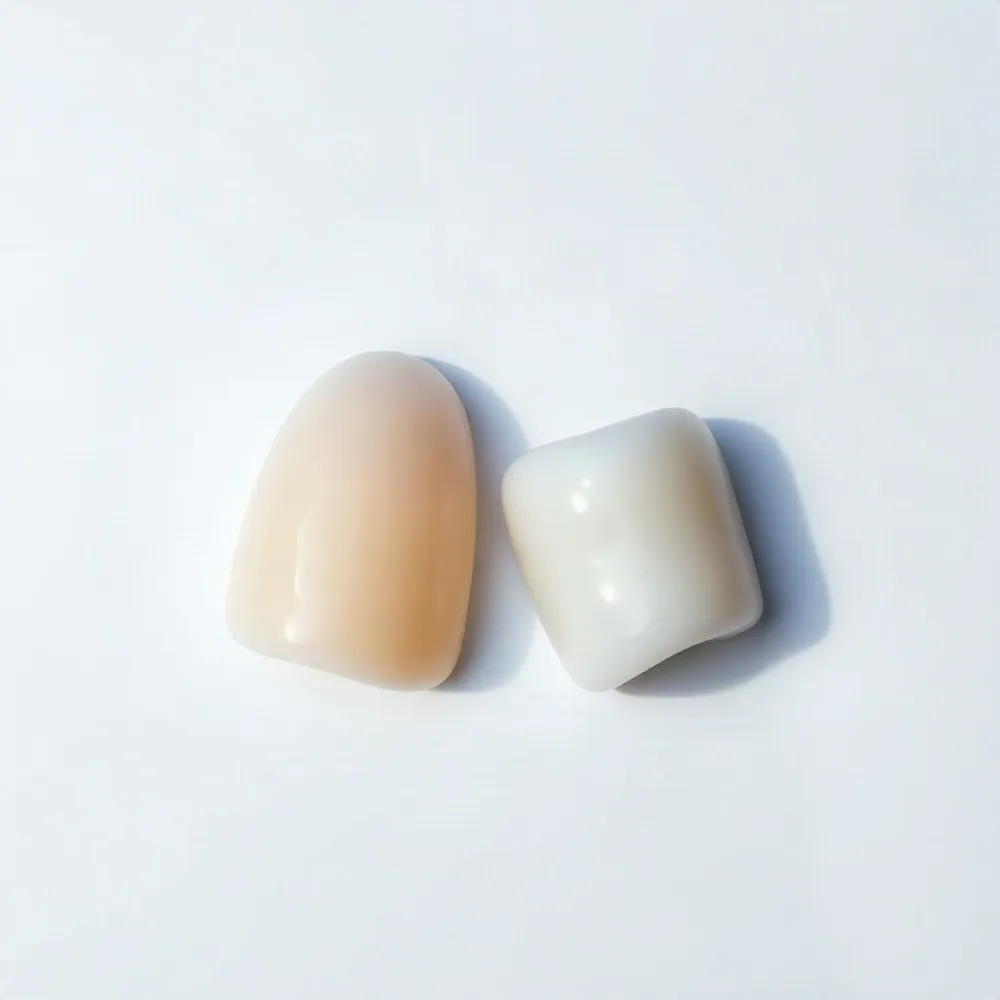 When you're weighing your options for veneers, two main types dominate the conversation: composite and porcelain veneers. Both can dramatically improve the look of your smile, but they differ significantly in materials, durability, cost, and the overall treatment process. Understanding these differences is the first step toward choosing the right option for your smile goals.
Built to Last: Durability and Stain Resistance
Porcelain veneers are crafted from high-grade ceramic and are known for their exceptional durability and stain resistance. They resist the discoloration that often affects natural teeth, keeping your smile bright for years to come. Composite veneers, on the other hand, are made from a resin-based material that is more prone to chipping and staining over time. Because of this, porcelain veneers often require less maintenance and can last longer with proper care. For a lasting investment in your smile, porcelain is often the favored choice.
The Cost Factor: Upfront vs. Long-Term
Generally, composite veneers are less expensive upfront, making them an attractive option for those on a budget. However, the lower initial cost may not tell the full story. Composite veneers may need to be repaired or replaced more frequently due to their reduced durability. Porcelain veneers, while carrying a higher initial price tag, often provide better long-term value. They are highly resistant to staining, meaning your smile stays whiter without frequent touch-ups. Considering both the immediate cost and the potential for future repairs is essential when making your decision.
The Procedure: A Single Visit or Two
The application process for the two types of veneers is another key differentiator. Composite veneers can often be created and placed in a single dental visit, requiring minimal preparation and no lab work. Porcelain veneers typically require at least two visits. In your first appointment, your dentist will prepare your teeth and take impressions, which are sent to a dental lab to craft your custom veneers. A temporary set is placed in the meantime. At your second visit, your permanent porcelain veneers are bonded in place, offering a precise and natural-looking fit. This meticulous process is part of what makes porcelain veneers so durable and aesthetically pleasing.
Natural Aesthetics and the Art of Preparation
When it comes to mimicking the natural light-reflecting properties of tooth enamel, porcelain is the clear winner. The translucent quality of porcelain allows it to blend seamlessly with your surrounding teeth, creating a lifelike and radiant appearance. Composite materials can look less natural over time, especially as they begin to wear. Additionally, porcelain veneers often require a small amount of enamel to be removed for placement, similar to other cosmetic procedures. However, your dentist can discuss how much preparation is needed based on your specific case. At Best Choice Dental, we take a conservative approach and discuss all your options before starting any treatment.
Choosing What's Right for You
Deciding between composite and porcelain veneers depends on your budget, your smile goals, and your dentist's recommendation. To help you visualize the key differences, here is a quick comparison:
| Aspect | Porcelain Veneers | Composite Veneers |
|---|---|---|
| Durability | Very high; can last 10-15+ years | Moderate; may need repair in 5-7 years |
| Stain Resistance | Excellent | Low to moderate |
| Cost | Higher initial cost | Lower initial cost |
| Procedure | Usually 2+ visits | Often 1 visit |
| Natural Appearance | Highly natural, translucent | Less natural over time |
To learn more about the procedure itself and what to expect during your appointments, check out our guide on cosmetic dentistry procedures and what to expect during treatment.
Long-Lasting Investment in Your Smile
Stain Resistance for a Bright Smile
 Porcelain veneers are celebrated for their ability to correct chips, gaps, and discoloration, and the team at Best Choice Dental often highlights them as a top option for a complete smile makeover. Yet even the most meticulous artistry can be undermined if the veneer's surface becomes discolored. Understanding what actually causes veneer staining, and how it compares to natural tooth enamel, is the first step toward a smile that stays bright for years.
What Causes Veneers to Stain?
Porcelain is a glass-like ceramic, and while it is highly resistant to many forms of wear, it is not immune to surface discoloration. The primary culprit is the accumulation of chromogens, which are color-producing molecules found in coffee, tea, red wine, and dark berries. Additionally, the resin cement used to bond veneers can become exposed along the edges over time, creating a subtle gray or yellow line that is often called a "stain line." This happens because microscopic gaps can develop where the veneer meets the natural tooth, allowing food particles and bacteria to accumulate.
To minimize these risks, the choice of materials and the precision of the fit matter enormously. At Best Choice Dental, the fitting process is managed carefully to reduce marginal gaps, and the practice recommends routine professional cleanings to catch early discoloration before it sets. This attention to detail is a key reason why patients in Totowa trust the practice for long-term cosmetic results, compared to providers who may rush the bonding process.
Porcelain vs. Natural Teeth: A Stain Resistance Comparison
Natural enamel is surprisingly porous, which is why everyday habits like sipping coffee or smoking can lead to yellowing over time. Porcelain, by contrast, is inherently more stain-resistant because it is denser and less porous than enamel. However, this advantage only holds if the veneer's surface is properly glazed and polished. A poorly polished porcelain veneer can actually stain faster than natural teeth, because the microscopic roughness provides a foothold for pigments.
This is where the skill of the cosmetic dentist becomes a differentiator. Best Choice Dental uses high-quality porcelain and pays close attention to the final polishing and glazing steps, ensuring that each veneer has a smooth, non-porous surface. For context, the Cleveland Clinic notes that while veneers are stain-resistant, they do not respond to teeth whitening treatments the way natural teeth do, so addressing discoloration requires a different approach.
The Role of Porcelain Type and Thickness
Not all porcelain is created equal. Traditional feldspathic porcelain is more translucent and can be highly aesthetic, but it is also more prone to absorbing stains if not sealed properly. Pressed or monolithic lithium disilicate porcelain, on the other hand, offers superior strength and stain resistance, and it is often the choice for patients who want maximum durability. The specific layering and firing process also influences how the final surface responds to staining agents.
At Best Choice Dental, the recommendation process takes into account your typical dietary habits and oral care routine. For patients who are heavy coffee or tea drinkers, the practice may suggest a slightly more opaque porcelain that offers greater stain resistance without sacrificing natural light reflection. This personalized approach mirrors the advice given in many cosmetic dentistry guides, which emphasize that the best veneer is the one that fits both your smile and your lifestyle.
How to Prevent Veneer Staining
Prevention is far easier than correction. The American Academy of Cosmetic Dentistry recommends avoiding staining beverages for the first 48 hours after placement, as the resin cement is still curing. After that, simple habits like sipping through a straw, rinsing with water after consuming dark liquids, and maintaining a consistent brushing routine will keep your veneers looking fresh. Professional cleanings every six months also remove surface stains that home care might miss.
- Rinse with water immediately after coffee, tea, or red wine.
- Brush gently with a non-abrasive toothpaste to avoid scratching the surface.
- Use a soft-bristled toothbrush and floss carefully around the edges.
- Schedule regular professional cleanings at Best Choice Dental to monitor for early discoloration.
- Consider avoiding smoking, which is a leading cause of yellowing on both natural teeth and veneers.
If you notice that your veneers have developed a stain that won't budge with brushing, professional polishing by a dentist is the safest way to address it. Over-the-counter whitening toothpastes are too abrasive and can permanently dull the glaze, making the problem worse. The team at Best Choice Dental can determine whether a simple polish or a more comprehensive solution is appropriate for your specific case.
Comparing Your Options: Veneers at Best Choice Dental
When you choose Best Choice Dental for your veneers, you're not just getting a thin shell of porcelain. You're getting a practice that prioritizes stain-resistant materials, precise fit, and ongoing aftercare. Unlike a generic one-size-fits-all approach, the practice takes the time to understand your oral habits and aesthetic goals, which is exactly what cosmetic dentistry guides emphasize when discussing treatment planning.
Fit. The precise adaptation of the veneer to the natural tooth reduces the risk of marginal gaps and subsequent staining. Best Choice Dental uses digital impressions and meticulous laboratory communication to achieve this.
Material. The choice of porcelain type (e.g., pressed vs. traditional) directly influences stain resistance. The practice recommends the most suitable option based on your habits and budget.
Aftercare. Routine professional cleanings and at-home maintenance are essential. Best Choice Dental provides personalized guidance on what to avoid and how to care for your investment.
| Factor | Best Choice Dental | General Practice |
|---|---|---|
| Material selection | Personalized, stain-resistant | Often standard porcelain |
| Fitting precision | Digital impressions, close margins | May rely on traditional molds |
| Aftercare support | Ongoing check-ups and polish | Limited follow-up |
Ultimately, the longevity of your veneers depends on both the initial placement and your long-term care. By choosing a practice that places a premium on stain resistance and precision, such as Best Choice Dental in Totowa, you're investing in a smile that remains bright and natural-looking for years. For a comprehensive guide to what veneers involve, including the procedure and aftercare, see Veneers 101: Your Guide to a Stunning Smile Makeover.
Customization for Natural Aesthetics
Understanding the veneer application process can help you feel prepared and confident before you ever sit in the dental chair. While the specifics vary from one patient to another, the general flow follows a familiar arc: consultation, preparation, impression, and placement. If you are considering this treatment, it helps to know what actually happens at each stage.
It all starts with a comprehensive consultation. Your dentist will examine your teeth and gums, take X-rays, and discuss your smile goals. This is the moment to ask questions about the procedure, the longevity of veneers, and realistic outcomes. Most practices, including Best Choice Dental in Totowa, use this appointment to build a personalized treatment plan that fits your facial structure and aesthetic preferences.
Once you decide to move forward, the first clinical step is tooth preparation. This involves removing a thin layer of enamel, usually about [X] millimeters, from the front of the teeth that will receive veneers. This creates room for the porcelain shell so it can sit flush with your natural tooth. Your dentist will numb the area to keep you comfortable. According to the source name, most people find this step surprisingly straightforward, and the actual enamel removal is minimal.
After preparation, your dentist takes precise impressions or digital scans of your teeth. These records are sent to a dental lab, where your veneers are custom-crafted to match the shape, size, and shade that will look most natural on you. While you wait, you may receive a set of temporary veneers so you can smile without interruption. This also gives you a preview of the final result.
When your permanent veneers are ready, usually within a couple of weeks, you will return for the bonding appointment. Your dentist will check the fit and color, then prepare each tooth by etching and conditioning the surface. A special cement is applied, and a curing light hardens it, securing the veneer in place. Any excess is trimmed away, and your dentist polishes the finish so it feels natural against your lips and tongue.
Understanding this step-by-step process can ease any anxiety and help you plan accordingly. From the initial consultation to the final polish, each stage is designed to protect the health of your tooth while delivering a smile that looks like it was always meant to be yours. Whether you are just curious or ready to take the next step, talking through the details with a qualified cosmetic dentist is the best way to begin.
The Comfortable Placement Process
Porcelain veneers involve a placement process that is far more comfortable than most people expect. Local anesthesia ensures you feel no discomfort during the procedure, and the entire process is typically completed in just two or three appointments. For a detailed look at how the application works step by step, see our guide to cosmetic dentistry procedures.
The first step involves preparing your teeth. Your dentist will remove a thin layer of enamel, usually around 0.5 millimeters, to make room for the veneer. This enamel removal is minimal but necessary to ensure a natural fit and a seamless bond. The dentist then takes an impression of your teeth and sends it to a dental lab, where custom veneers are fabricated to match your smile. Porcelain veneers typically last between five and 15 years with proper care, according to Penn Dental Medicine.
The second visit focuses on placement. Your dentist will check the fit and color of each veneer before bonding it to your tooth with a special cement. A curing light is used to harden the cement, and any excess is removed. The final step involves polishing to give the veneers a natural, glossy finish that blends seamlessly with your surrounding teeth.
From Preparation to Perfection
Throughout the process, your comfort is a priority. Dentists at practices like Best Choice Dental use modern techniques to minimize sensitivity and ensure a smooth experience. Whether you are considering veneers for the first time or seeking a touch-up, the procedure is designed to be comfortable and predictable.
For more on how veneers compare to other cosmetic options, explore our article on cosmetic bonding vs. veneers.
Caring for Your Veneers
Porcelain veneers are a durable cosmetic upgrade, but they are not invincible. With reasonable care, they can serve you well for a decade or more, though the exact lifespan depends on your habits. Prevention is simpler than it sounds: consistent brushing and flossing keeps the underlying tooth and gum tissue healthy, which is what actually holds your veneer in place. Slipping on these routines shortchanges your investment, since decay or gum disease can compromise the natural tooth supporting the restoration.
Everyday Care That Extends the Life of Your Veneers
Treat your veneers much like you would your natural teeth, with a few small adjustments. Use a non-abrasive, fluoride toothpaste and a soft-bristled brush to avoid scratching the porcelain's glossy surface. Floss daily, sliding gently between the teeth rather than snapping the floss down, which could loosen the bond. Rinsing with an alcohol-free mouthwash helps reduce plaque without drying your mouth. These habits keep the margins sealed and prevent the staining that can creep along the edges.
Equally important is being mindful of what you put between your teeth. Biting into hard objects like ice, pens, or fingernails can chip or crack the thin porcelain layer, and so can habits like grinding your teeth at night. If you clench or grind, ask your dentist about a custom night guard to protect your veneers. When it comes to staining, porcelain resists discoloration better than natural enamel, but beverages like coffee, red wine, and tea can still leave residue over time. A quick rinse with water after consuming them helps minimize buildup.
Porcelain veneers typically last between five and 15 years with proper care, as noted by the Cleveland Clinic. This range underscores that longevity is not guaranteed; it depends on your daily choices. Scheduling routine checkups with your dentist at Best Choice Dental in Totowa allows early detection of any issues, such as a cracked margin or a loosened veneer, before they become a problem. This professional oversight, combined with your at-home care, ensures your smile stays as confident as the day you left the chair.
Handling Stains, Chips, and Other Setbacks
Even with diligent care, minor chips or edge wear can occur, especially if you bite into something hard. Surface scratches are rare but possible if you use an over-abrasive toothpaste or a hard-bristled brush. In most cases, your dentist can polish away light surface marks during a routine visit, restoring the veneer's natural lustre. Deeper chips may require a replacement, which is another reason to address any damage promptly.
Staining is another consideration. While porcelain is stain-resistant, the bonding cement at the margins can pick up discoloration over time. Whitening toothpaste won't lighten the porcelain itself, and harsh bleaching agents can actually damage the surface. Instead, focus on stain prevention and regular professional cleanings. If you notice a yellow tint forming along the gumline, that's often a sign of plaque accumulation, which a hygienist can remove before it causes more serious issues.
If a veneer chips or feels loose, contact your dentist right away rather than waiting. Leaving it untreated can expose the underlying tooth to sensitivity and decay, which defeats the purpose of the restoration. Early intervention at Best Choice Dental ensures a quick fix and keeps your smile protected for the long haul.
How Often Should You Visit the Dentist?
Routine checkups are the backbone of veneer longevity. Most patients should see their dentist every six months for a professional cleaning and examination, though your specific needs may vary. During these visits, your dentist will assess the condition of your veneers, check for hidden damage, and polish away any surface stains. The cleaning removes the calculus and plaque that brushing misses, particularly around the margins where the veneer meets the tooth.
Annual X-rays can also reveal decay or bone loss that isn't visible to the naked eye, ensuring that any developing problem doesn't compromise the support structure. By staying on a regular schedule, you catch small issues cheaply and quickly, preserving both your oral health and your veneers. For comprehensive veneer care, the team at Best Choice Dental offers personalized guidance and gentle checkups tailored to your smile.
| Habit | Why It Matters | Action |
|---|---|---|
| Brushing twice daily | Removes plaque and prevents decay at the margins | Use a soft brush with non-abrasive toothpaste |
| Flossing daily | Cleans between teeth and under the gumline | Slide gently; avoid snapping down |
| Avoid hard foods | Prevents chipping or cracking of the porcelain | Skip ice, pens, and hard candies |
| Rinse after staining drinks | Limits surface discoloration | Swish water after coffee, tea, or red wine |
| Wear a night guard if you grind | Protects against cracks from clenching | Ask your dentist for a custom guard |
Personalized Care at Best Choice Dental
Porcelain veneers. Thin shells of ceramic bonded to the front of teeth to conceal chips, gaps, and staining. Porcelain veneers can feel natural and resist daily wear. Your dentist recontours the enamel first, so the procedure is not reversible.
Composite veneers. Hand-applied resin that is shaped and polished chairside in one visit. Composite costs less than porcelain and is easier to repair, although it stains more easily and can chip sooner. If you want a reversible option, ask your dentist whether composite is a better fit.
Veneer lifespan. How long veneers last depends on the material and how well you care for them. Porcelain typically lasts five to 15 years, while composite might last only three to seven years. Brushing twice daily, flossing, and avoiding hard foods protect your investment.
Personalization. Because every smile differs, your dentist should take impressions, use shade guides, and create a trial smile preview. For patients looking for a conservative edge, Best Choice Dental in Totowa combines digital imaging with soft-tissue contouring to match each tooth and gumline on a case-by-case basis.
Marginal fit. Good veneers meet the tooth in a smooth, tight seal. In visible areas, choose a practice that verifies fit with a strong dental microscope before cementation. You do not want food to get under the shell at the gumline.
Line angles. The sharp edges where the front and side of the tooth meet. Skilled contouring softens these lines so veneers blend with your natural silhouette. Ask to see a mock‑up before committing.
Emergence profile. The shape of the veneer as it exits the gum. A natural emergence profile supports the gum tissue and prevents dark show‑through. This is where a clinician who photographs every case makes a measurable difference.
Translucency. Layered porcelain lets light pass through the same way enamel does. A single‑toned veneer looks flat. Look for incisal characterization and subtle staining around the edges to mirror real teeth.
| Aspect | What to look for | Why it matters |
|---|---|---|
| Marginal fit | Tight seal | Protects the tooth |
| Line angles | Soft transitions | Natural contour and easier cleaning at the gumline. |
| Emergence profile | Correct tissue support | Avoids dark gums and keeps the smile looking alive. |
| Translucency | Multi‑layer look | Light passes through, avoiding a flat, opaque appearance. |
Your Journey to a Radiant Smile Awaits
Porcelain veneers typically last between 10 and 15 years, while composite veneers may need replacement sooner, often after 5 to 7 years. This durability advantage is a primary reason many patients in Totowa choose porcelain for a long-term smile upgrade.
At Best Choice Dental in Totowa, we craft each porcelain veneer with precision, using high-quality ceramic materials that resist staining and withstand everyday wear. Our personalized approach ensures your veneers are tailored to your smile, and we provide detailed guidance on care to help you maintain them for years to come.
Understanding the Procedure
The veneer application process is a multi-step journey that begins with a consultation and tooth preparation. During the initial visit, we evaluate your oral health and discuss your cosmetic goals. As described the veneer application process explained, creating a custom treatment plan is the first step.
Next, we prepare your teeth by removing a thin layer of enamel (typically 0.5 millimeters) to make room for the veneer. Impressions of your prepared teeth are sent to a dental lab, where your custom porcelain veneers are fabricated. A temporary veneer protects your teeth in the meantime. At your final visit, we bond the veneers using a strong dental adhesive and cure them with a special light for a secure fit.
| Step | What Happens | Details |
|---|---|---|
| Consultation | Examine teeth and plan | Discuss goals and take X-rays |
| Preparation | Remove enamel layer | Minimal 0.5mm for natural look |
| Impressions | Create custom mold | Sent to lab for fabrication |
| Bonding | Attach final veneers | Cured with special light |
| Follow-up | Check fit and bite | Adjust for comfort and polish |