Why Bite Health Matters More Than You Think
Your bite — the way your upper and lower teeth come together — is the foundation of how you chew, speak, and even hold your facial structure. When this system is balanced, you likely don't think about it. But when it's off, the consequences reach far beyond your mouth.
An unstable bite can make chewing tough foods difficult, leading you to avoid nutritious options like fruits and vegetables. Over time, you may overcompensate by chewing on one side, causing uneven wear on your teeth and strain on your jaw muscles. This imbalance can contribute to jaw pain, headaches, and even TMJ disorders. Missing teeth compound the problem by allowing neighboring teeth to shift, further disrupting alignment and creating food traps that raise the risk of cavities and gum disease.
The good news is that modern dentistry offers targeted solutions to restore your bite and chewing function. At Best Choice Dental in Totowa, NJ, Dr. Sung Choi and his team use advanced technology and a patient-centered approach to evaluate your entire chewing system and create a personalized treatment plan — whether that involves dental implants, crowns, bridges, or clear aligners. Addressing bite health early not only improves your comfort and confidence but also protects your long-term oral and overall well-being.
Crowns, Bridges, and Implants
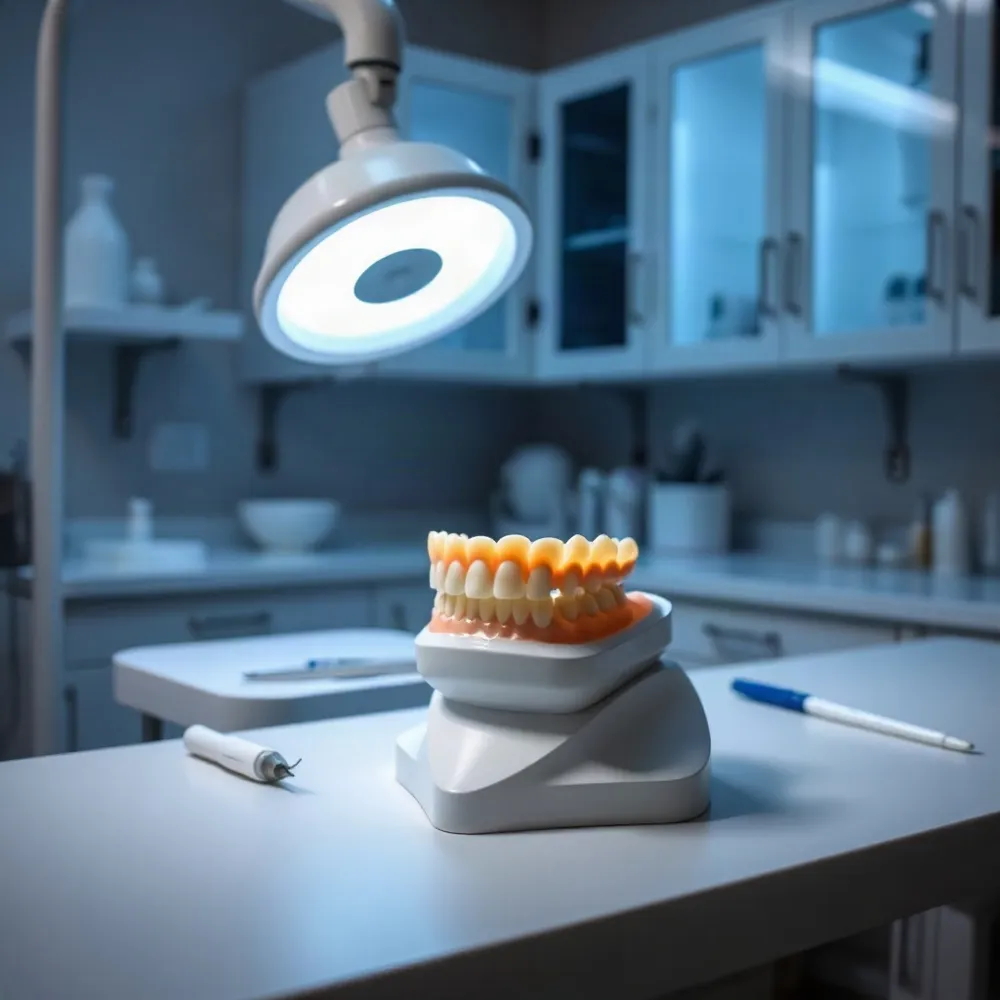 Restoring a damaged or incomplete smile requires a solution that not only looks natural but also functions like your original teeth. Modern dentistry offers several approaches, each suited to different needs.
Dental crowns. a crown is a custom-shaped cap that covers a damaged or weakened tooth, restoring its shape, size, and strength while improving bite alignment. High-strength ceramics and composite materials provide a natural look.
Dental bridges. when one or more teeth are missing, a bridge fills the gap by anchoring artificial teeth to the neighboring natural teeth. This reestablishes proper chewing function and prevents adjacent teeth from shifting out of position.
Dental implants. for a permanent, natural-feeling option, a titanium post is surgically placed into the jawbone as an artificial root. Once the bone fuses with the post through osseointegration, a custom crown is attached. Implants can restore nearly full chewing strength and help prevent bone loss.
For patients with extensive wear, multiple missing teeth, or complex misalignment, full-mouth reconstruction combines crowns, bridges, implants, and other treatments into a single comprehensive plan that restores bite stability and facial balance. Tooth-colored fillings, inlays, and onlays offer a more conservative way to repair decayed or fractured teeth using high-strength ceramic materials that blend seamlessly with natural enamel. At Best Choice Dental, each treatment is tailored to the patient's unique bite, aligning with the practice's commitment to personalized, comfortable care and advanced technology.
Advanced Implant Technology for a Stronger Bite
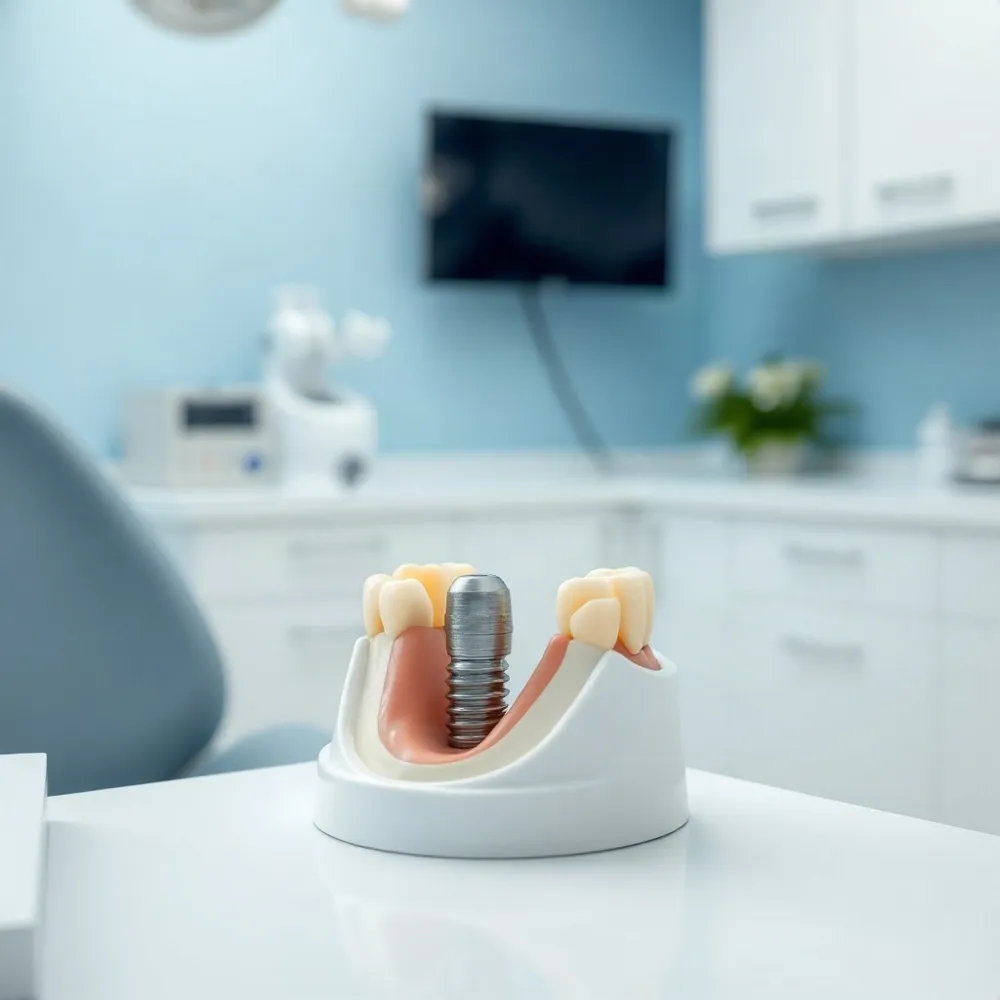 Missing teeth do more than create gaps in a smile — they weaken the bite. When tooth roots disappear, the jawbone loses stimulation and begins to shrink, remaining teeth shift, and chewing force drops dramatically. Dental implants address all of these problems by replacing both the visible crown and the root with a titanium post that bonds directly to the bone.
Restoring Natural Bite Strength
Once fully healed, dental implant surgery can restore chewing power to approximately 90% of natural teeth — a major improvement over traditional dentures, which typically deliver only 25–60% of normal bite force. The reason is the implant's direct anchorage in the jawbone, which distributes pressure evenly and prevents the slipping that weakens bite function in removable appliances.
The Osseointegration Process
Osseointegration is the biological process that makes this strength possible. After the titanium post is placed, jawbone cells grow into the microscopic surface of the implant over 8–16 weeks, creating a permanent, living bond. The same fusion that stabilizes the implant also stimulates the bone, halting the bone loss that follows tooth extraction.
Latest Advances: Nanotechnology, 3D Printing, and Smart Implants
Modern implant technology has moved beyond the standard titanium post. New approaches focus on faster healing, better fit, and real-time monitoring:
Nanotechnology coatings. Engineered surfaces at the molecular level encourage faster osseointegration by promoting more rapid bone cell attachment.
3D-printed implants. Custom-designed from CBCT scans, these implants match the patient's unique jaw anatomy, improving comfort and reducing surgical time.
Smart implants. Embedded micro-sensors that monitor temperature, pressure, and healing progress, alerting the dentist to early signs of failure before symptoms appear.
Immediate load implants. Techniques like All-on-Four allow placement of a temporary or permanent crown on the same day, condensing the traditional multi-month timeline.
While poor osseointegration remains the most common reason for early implant failure, these technologies are designed to reduce that risk. Patients at Best Choice Dental benefit from thorough pre-surgical assessment and personalized treatment planning that selects the right approach for their individual bone density and bite needs.
Correcting a Misaligned or Collapsed Bite
 When a bite collapses, the vertical dimension between the upper and lower jaws decreases, causing the facial muscles to overcompensate and leading to jaw pain, headaches, and accelerated tooth wear.
Restoring a collapsed bite begins with a comprehensive evaluation to understand the extent of the imbalance. The goal is to re-establish the proper jaw height — typically through a full mouth reconstruction using crowns or, in select cases, veneers. The dentist gradually opens the bite with temporary restorations to verify comfort and function, then places permanent custom crowns. This approach restores natural tooth height, balances the bite, and relieves associated discomfort while improving appearance.
Correction time for a misaligned bite depends on the type and severity. Mild overbites or crossbites may resolve in 12 to 18 months, while underbites and open bites often require 18 to 24 months or longer. Growth potential in children and teens can shorten timelines.
The hardest bite to fix is generally a severe skeletal underbite, where the lower jaw sits significantly ahead of the upper jaw. This condition may require orthognathic (jaw) surgery alongside braces. Severe open bites linked to tongue thrusting or other persistent habits are also challenging. A thorough evaluation by an experienced dentist is essential to determine the right plan.
At Best Choice Dental, the team begins each case with a full assessment of the bite and jaw structure, using digital scans and diagnostic models to design a personalized restoration sequence. Whether the issue is a collapsed bite from years of wear or a complex skeletal misalignment, the practice builds the treatment in stages, starting with temporary restorations that allow patients to adjust to a new bite before committing to permanent prosthetics.
Clear Aligners and Braces: Which Is Right for You?
Orthodontic treatment options have expanded well beyond metal brackets and wires. Clear aligners and traditional braces each serve distinct purposes, and the right choice depends on the complexity of your bite issue and your lifestyle preferences.
Overview of Clear Aligners for Bite Correction
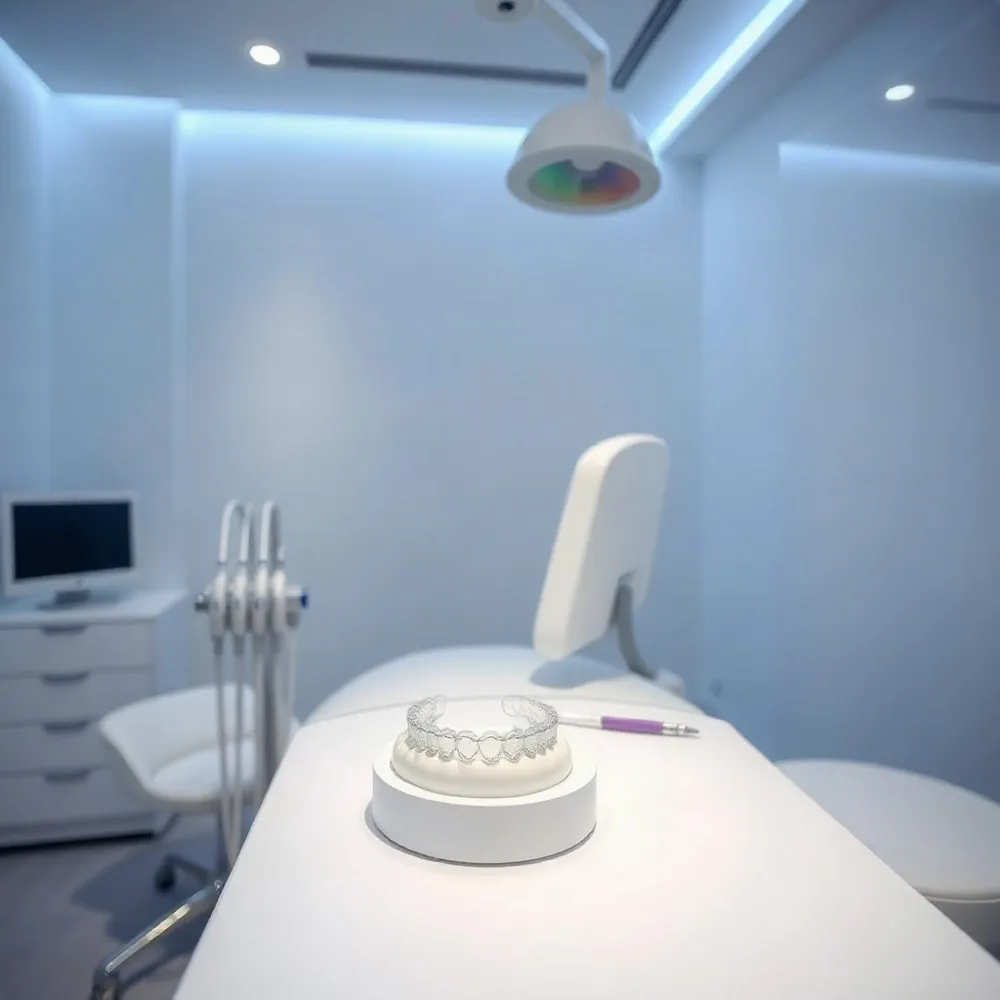
Clear aligners, such as Invisalign, use a series of custom-made, removable trays to gradually shift teeth into proper alignment. They work best for mild to moderate misalignments, including crowded teeth, gaps, and minor bite issues. The treatment relies on advanced 3D imaging to map tooth movement precisely, offering a nearly invisible approach to straightening teeth.
Traditional braces remain necessary for complex orthodontic cases involving severe misalignments, significant bite problems like overbites or underbites, and extensive crowding. Braces provide long-term stable results, and options like ceramic braces offer a more discreet appearance than metal brackets.
Benefits of Invisalign: Discreet, Removable, Comfortable
Discreet appearance. The clear plastic aligners are virtually invisible, making them a popular choice for adults and teenagers who prefer not to draw attention to their orthodontic treatment.
Removability. Aligners can be taken out for meals and oral hygiene, so there are no food restrictions and brushing and flossing remain straightforward.
Comfort. Smooth plastic construction causes less irritation to gums and cheeks compared to metal brackets and wires.
Personalized Treatment Plans at Local Practices
At Best Choice Dental in Totowa, NJ, treatment begins with a thorough evaluation of your bite and alignment goals. Dr. Sung Choi designs personalized clear aligner plans to address each patient's specific needs, whether the goal is minor straightening or closing small gaps. For more complex corrections, a referral to an experienced orthodontist ensures the right approach is used. The practice's comprehensive care model means your orthodontic treatment is coordinated with your overall oral health, and they offer flexible scheduling with extended hours to fit busy families.
Costs of Bite Restoration and What Affects Them
The cost of restoring your bite — whether through a dental bridge, implant, veneers, or overbite correction — depends on several factors. Understanding these variables helps you plan for a treatment that fits both your oral health goals and your budget.
A single dental implant typically costs between $3,000 and $6,000, while a dental bridge ranges from $1,500 to $16,000. A full set of veneers in New Jersey generally runs from $7,200 to $20,000 for a full mouth. Overbite correction with braces or Invisalign falls between $3,000 and $8,000; surgical correction can cost $20,000 to $40,000.
What drives the price differences? The biggest factors include the materials used (porcelain vs. ceramic), the complexity of your case, whether bone grafting is needed, and your geographic location. At Best Choice Dental, a comprehensive exam and X-rays form the basis for a detailed, personalized treatment plan with transparent cost estimates.
Insurance often covers part of the expense. Many dental plans provide up to $3,500 for orthodontic treatments and may consider jaw surgery medically necessary in certain cases. For procedures not fully covered, flexible financing options can make treatment more manageable.
The most reliable way to know your cost is through a consultation. A dentist can evaluate your specific needs, discuss material choices, and create an itemized plan. To get a personalized estimate and explore financing, schedule a visit with Best Choice Dental — our team is here to help you achieve a healthier, more confident smile.
Maintaining Your Restored Smile for Life
Once your bite restoration is complete — whether through implants, crowns, bridges, or orthodontic treatment — protecting that investment requires consistent daily habits and a few professional check-ins each year. Skipping aftercare can undo months of treatment; following a simple routine keeps your smile stable for decades.
Post-Treatment Care: Retainers, Oral Hygiene, and Regular Checkups
After orthodontic treatment, wearing a retainer as directed prevents teeth from shifting back. Clear aligner patients typically need a full-time retainer schedule initially, then nightly wear long-term. For implant and bridge recipients, standard brushing twice a day with a soft-bristle toothbrush and daily flossing are essential. Using a floss threader or water flosser around implants keeps the gum line free of bacteria. Professional cleanings and exams every six months allow your dentist to monitor the implants, check bite alignment, and catch small issues before they become costly repairs.
Dietary Considerations: Limiting Staining and Hard Foods
Your restored teeth and implants can handle normal eating, but some habits shorten their lifespan. Hard candy, ice, and popcorn kernels can chip porcelain crowns or damage implant abutments. Staining foods and drinks — coffee, red wine, tea, and dark berries — can discolor natural teeth faster than they affect implant crowns, but they still dull the overall smile. A balanced diet that avoids excessive sugar also protects the gums that support both natural teeth and implants.
Care for Dental Implants: Brushing, Flossing, and Avoiding Smoking
Dental implants do not get cavities, but they depend on healthy gums. Plaque buildup around an implant can lead to peri-implantitis, an infection that weakens bone support. Brushing with a non-abrasive toothpaste and flossing beneath the crown line are non-negotiable. Smoking significantly raises the risk of implant failure by impairing blood flow and slowing healing. The Mayo Clinic lists smoking as a known contributor to poor osseointegration and long-term implant loss.
Wearing Nightguards for Clenching or Grinding
Bruxism — clenching or grinding teeth during sleep — places excessive force on natural teeth, crowns, and implants. Many patients are unaware they grind until a partner mentions the noise or a dentist spots wear patterns. A custom-fitted nightguard from your dentist distributes bite forces evenly and protects expensive restorations from cracks. At Best Choice Dental, an exam can determine whether bruxism is present and whether a nightguard is the right preventive step.
Comprehensive Care Close to Home
Best Choice Dental in Totowa, New Jersey provides family-oriented and modern oral healthcare for patients of all ages. Led by Dr. Sung Choi, the practice focuses on personalized, comfortable care in a welcoming environment.
The practice offers a wide range of services covering general, cosmetic, and preventative dentistry. Patients have access to routine check-ups, implant restorations, and orthodontic treatments — all tailored to individual needs using the latest dental technology.
For those considering bite restoration or any dental treatment, the team provides a thorough consultation to discuss options and develop a personalized plan. Best Choice Dental encourages new patients to schedule an appointment and experience comprehensive care close to home.
Your Path to a Stronger, Healthier Bite
No matter how complex your bite issue seems — from a single missing tooth to a full-arch collapse — modern dentistry offers proven solutions. Whether you need implants, bridges, aligners, or a combination, the first step is a professional evaluation that considers your unique oral anatomy, health history, and goals.
At Best Choice Dental in Totowa, New Jersey, Dr. Sung Choi and the team provide comprehensive, personalized care using advanced diagnostic tools to design a treatment plan tailored to you. From your first consultation to your final restoration, every detail is focused on restoring comfortable, lasting function.
Restoring your bite is an investment in your daily comfort and long-term well-being. Take the first step — schedule an evaluation at Best Choice Dental and begin the journey toward a healthier, stronger smile.