A Simple Habit with Lifelong Rewards
Think about the last time you skipped flossing for a single night. The inconvenience felt small, yet that brief lapse is the same way many dental issues begin. If an evening of skipping feels insignificant, a few months between checkups can feel entirely manageable. But the
What the Research Shows About Regular Visits
 Many patients assume that missing one dental visit is harmless, especially when nothing hurts. But the evidence tells a different story. A prospective cohort study in the Dunedin Study followed 932 people from ages 15 to 32 and found that those who attended the dentist infrequently had significantly worse oral health outcomes by adulthood compared with consistent attendees. Skipping a single exam can allow early, painless problems like hidden cavities or gum inflammation to progress silently.
Tooth decay and gum disease rarely announce themselves until they reach an advanced stage. By the time you feel sensitivity or discomfort, the issue often requires more than a simple cleaning. Routine dental exams help catch these changes early, when treatment is faster, less invasive, and far more affordable. At Best Choice Dental in Totowa, New Jersey, we focus on preventive care that keeps small problems from turning into major ones.
How Often Should You Really Go?
Most dental professionals recommend a checkup every six months, though your specific interval may depend on your oral health status. Regular visits allow your dentist to monitor changes over time, remove plaque and tartar that brushing can’t reach, and screen for conditions like oral cancer. Preventive dentistry is designed to stop problems before they start, saving you both discomfort and money in the long run.
| Visit Frequency | Who It Suits | Key Benefit |
|---|---|---|
| Every 6 months | Most adults with good oral health | Early detection of cavities and gum disease |
| Every 3-4 months | People with gum disease or high risk | Closer monitoring and professional cleaning |
| Once a year | Low-risk patients with excellent hygiene | Maintain baseline and catch slow changes |
The cost-benefit picture is clear: preventive care reduces overall healthcare expenses by addressing issues while they are still manageable. A routine exam costs a fraction of a root canal or crown, and it protects your long-term health. Consistent visits also support your overall wellbeing, since oral infections have been linked to systemic conditions like heart disease and diabetes.
Even if you’ve been away for a while, it’s never too late to restart. Regular checkups for children build habits that last a lifetime, and the same applies to adults. At Best Choice Dental, we make it easy to get back on track with gentle, judgment-free care tailored to your needs.
The Difference Between Routine and Problem-Oriented Visiting
The evidence that routine dental visits keep both your mouth and your back pocket healthier is not new. A peer-reviewed study in the National Library of Medicine followed adults over time and found that people who saw the dentist regularly had better long-term oral health than those who only showed up when something hurt. That gap is the entire argument for making check-ups a habit instead of a reaction.
For most people, the rhythm is a cleaning and exam every six months. That cadence matters because the care is restorative, conservative, and cheaper than the alternative. A small cavity caught early can be handled with a routine filling; the same cavity left alone can turn into a root canal and a crown. The cost difference is not subtle, and it is why preventive visits are a cornerstone of family dental care.
A Quick Picture of the Trade-Offs
- Catch problems early, when treatment is simple and affordable
- Save money by addressing small flaws before they become emergencies
- Get tailored advice on brushing, flossing, and diet for your unique mouth
- Build a relationship with a dentist who knows your history
- What to expect at a routine visit: cleaning, exam, X-rays when needed, and a personalized plan
- What happens if you wait: small issues grow into bigger ones that cost more time and money
- What your family gets from regular attendance: healthier smiles and fewer surprise dental bills
If you have been putting off a visit to find out how your oral health is trending, Best Choice Dental in Totowa offers comprehensive exams and cleanings for patients of all ages, with a focus on comfortable, personalized care. Whether you are due for a routine check-up or want to establish a preventive routine for your family, the practice is set up to help you catch issues early and keep costs predictable.
The data is clear that routine attenders come out ahead over time. The people who visit the dentist only when something hurts end up needing more extensive, more expensive treatment. Making preventive care part of your regular health routine is one of the simplest, highest-value habits you can build — for your teeth, your wallet, and your family’s long-term well-being.
What Happens During a Routine Dental Checkup
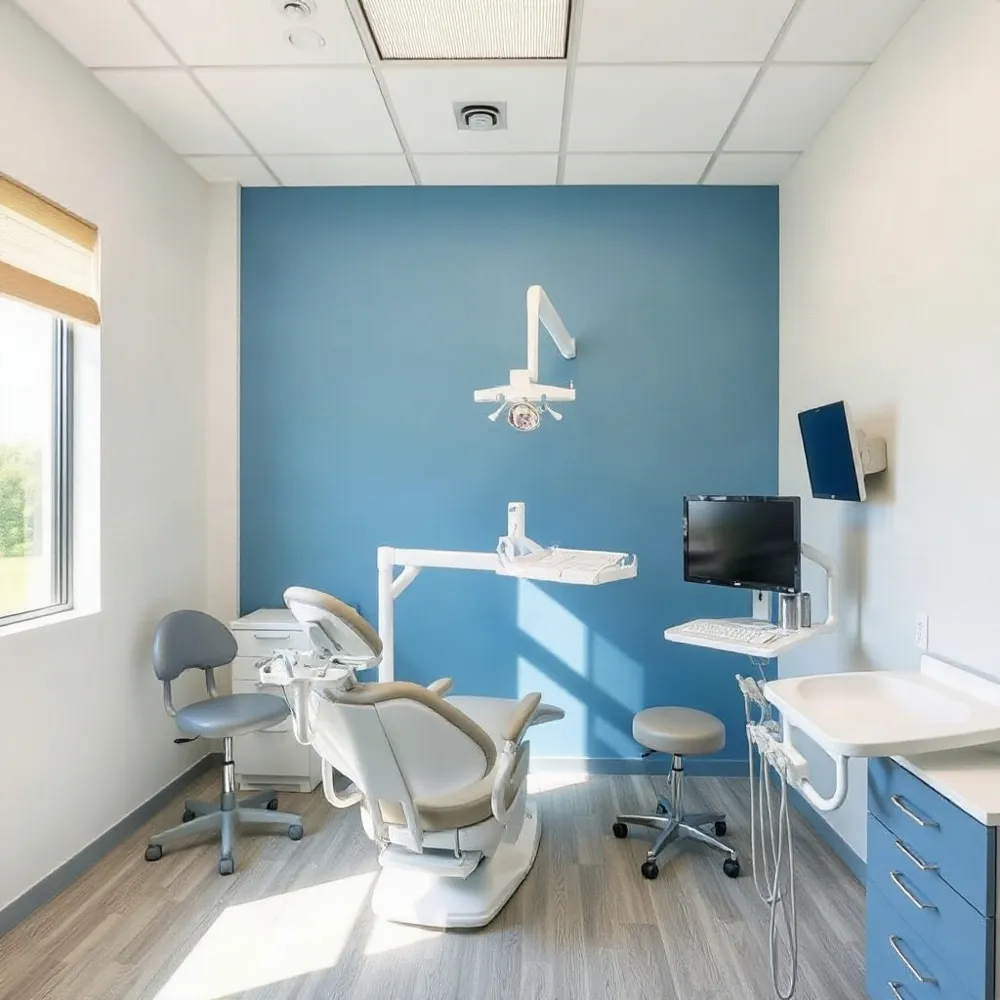 The previous section traced how the research on regular checkups was conducted, but the results demand a closer look. One of the most cited papers in this space, the Long-term Dental Visiting Patterns and Adult Oral Health study published in PMC, followed a large group of adults for years. It found that people with a history of routine, non-emergency dental visits consistently showed better oral health outcomes, including fewer missing teeth and less severe gum disease, compared with those who only sought care when something hurt. The effect was not a one-time blip; it appeared as a steady trend across the study population.
That pattern makes intuitive sense when you consider what happens during a typical appointment. A professional cleaning removes plaque and tartar that daily brushing and flossing simply cannot reach, while a careful exam lets your dentist catch problems like cavities, gum infections, and early signs of oral cancer in their most treatable stages. Knowing what takes place during that 45 minutes helps you relax in the chair and appreciate the value of each step.
The Medical History Review
Every routine dental checkup at Best Choice Dental starts with a conversation about your medical history. Your dentist wants to know about recent illnesses, allergies, medications, and any chronic conditions such as diabetes or heart disease. This is not small talk; conditions like diabetes directly affect your oral health, and some medications cause dry mouth, which raises your cavity risk. A quick update at the start of each visit keeps your care plan accurate and safe.
The Professional Cleaning
The professional cleaning, also called prophylaxis, is the part most people associate with a checkup. Using a scaler, your hygienist removes plaque and calculus from the tooth surfaces and just below the gumline, then polishes the teeth and flosses between them. This step addresses the sticky biofilm that brushing at home misses. A 2023 review of preventive dental care noted that regular cleanings support your body's own defenses and can reduce long-term treatment costs by catching issues early, reinforcing why this step matters more than just for fresh breath.
The Comprehensive Exam
After the cleaning, your dentist performs a detailed examination that goes beyond what is visible to the naked eye. This usually includes checking for cavities, examining your gums for signs of periodontal disease, and looking for signs of oral cancer. Many practices, including ours, now use digital x-rays and intraoral cameras to get a precise view of what is happening beneath the surface. Early detection through this exam is what allows your dentist to offer less invasive and more affordable treatment options.
Beyond the Smile: Whole-Body Health Benefits
Consistent dental checkups do more than polish your smile. Research published in the Long-term Dental Visiting Patterns and Adult Oral Health study shows that adults who visit the dentist regularly maintain better oral health outcomes over time compared to those who skip appointments. These visits let your dentist catch small issues early, when they are simpler and less expensive to treat.
Preventive care is the core of what makes regular checkups effective. A dental exam helps detect early signs of cavities, gum disease, and even oral cancer, conditions that often develop without obvious symptoms. The MedlinePlus guide to dental exams explains that a routine visit typically includes a thorough inspection of your teeth, gums, and mouth, along with screening for potential problems.
The benefits extend beyond your mouth. Mounting evidence links oral health to overall well-being, and regular checkups play a role in supporting that connection. For a deeper look at how routine visits contribute to whole-body health, explore Beyond the Smile: Whole-Body Health Benefits from our team, which outlines the systemic connections dentists are trained to watch for.
Preventing Problems Before They Start
Routine checkups are your first line of defense. During a visit, your dentist removes plaque and tartar that brushing and flossing miss, reducing your risk of cavities and gum disease. The Blue Cross NC guide to preventive dentistry notes that these routine cleanings, combined with exams and X-rays when needed, help prevent painful and costly problems down the road.
Regular checkups also help track changes in your oral health over time. What might seem like a minor sensitivity or a small chip can become a bigger issue if left unchecked. Early intervention is not just about saving teeth; it is about avoiding complex procedures and keeping more of your natural smile.
How Often Should You Visit the Dentist
The short answer that most dental professionals give is every six months, but that is a starting point rather than a universal rule. The right recall interval depends on your individual oral health, your risk for disease, and even your age. For many patients, a six-month visit works well because it matches the typical pace at which plaque hardens into tartar and early gum problems become noticeable.
Research supports the idea that regular attendance matters more than the exact number of months between visits. A long-term study published in the Journal of Dental Research found that adults who kept up with routine dental visits over time maintained better oral health than those who skipped care, regardless of how often they went. The key is consistent, risk-appropriate care rather than a one-size-fits-all number.
What the Guidelines Actually Say
Professional organizations generally recommend a checkup every six months for most patients, but they also acknowledge that this interval should be customized. For healthy adults with low risk of decay or gum disease, six to twelve months is a reasonable range. For children, seniors, and adults with conditions like diabetes or a history of gum disease, more frequent visits, often every three to four months, are recommended to manage higher risk.
The decision is not arbitrary. Your dentist looks at factors like how quickly plaque builds up in your mouth, your brushing and flossing habits, your diet, and any medical conditions that affect your oral health. That is why two healthy patients sitting in the same waiting room can receive different recall recommendations. A thorough dental exam helps the dentist set the right interval for you.
Why Six Months Is the Most Common Recommendation
The six-month standard is not a strict medical rule but a practical one. It is short enough to catch early cavities and gum inflammation before they become painful or costly, and long enough that it is easy for most people to fit into their routine. Preventive care at this interval helps avoid the need for more extensive restorative work down the road. Preventive dentistry focuses on stopping problems before they start, and a regular schedule is the foundation of that approach.
For many patients, alternating a routine exam with the regular dental checkup routine every six months keeps both the dentist and the hygienist informed of any gradual changes. It also gives the dental team a chance to reinforce good habits, answer questions, and adjust your home-care routine based on what they see.
When You Might Need to Go More Often
Some patients genuinely benefit from more frequent visits. If you smoke, have diabetes, are pregnant, have a weakened immune system, or have a history of gum disease, your dentist may recommend a three-month or four-month recall. These conditions increase your risk of oral inflammation and infection, and catching problems early can make a significant difference in treatment complexity and cost.
Children also fall into this category. Their mouths change quickly, and early visits help monitor the eruption of teeth, guide proper bite development, and build a positive attitude toward dental care. Regular dental check-ups for children are a proven way to reduce the need for costly treatments later. A pediatric patient who visits on schedule is far less likely to develop severe decay that requires fillings or extractions.
How to Know if You're Ready for a Longer Interval
If you have excellent oral hygiene, no history of cavities, healthy gums, and no medical conditions that affect your dental health, your dentist might extend your recall to nine months or even twelve months. That decision is always made on a case-by-case basis after a full exam. It is not something you should decide on your own. Skipping the exam to save time is a short-term gain that often leads to bigger problems, as noted in the importance of routine dental exams.
The general recommendation remains every six to twelve months, depending on your individual needs. The best way to find your personal interval is to ask your dentist at your next visit. Together, you can set a schedule that keeps you comfortable, healthy, and free of surprises.
| Patient Profile | Recommended Frequency | Reason |
|---|---|---|
| Healthy adult, low risk | Every 6-12 months | Low rate of decay or gum disease |
| Child or teen | Every 6 months | Rapid dental changes, early prevention |
| Adult with gum disease history | Every 3-4 months | Managing inflammation and bone loss |
| Smoker or diabetic patient | Every 3-4 months | Higher infection and complication risk |
| Pregnant patient | Every 6 months | Hormonal changes increase gum sensitivity |
Preventive Care Saves Money in the Long Run
Finding the right dental practice for your family is about more than convenience, although location and hours matter. The best choice combines clinical skill with a genuine comfort level, especially for children who are building their lifelong relationship with dental care. A practice that feels welcoming reduces anxiety and encourages the consistency that keeps small issues from becoming major procedures. Families who prioritize these factors tend to maintain their checkup schedules, which is the foundation of long-term oral health.
What Sets a Family Practice Apart
A true family dentist sees patients across every age group, from toddlers getting their first look at the dental chair to older adults managing complex restorative needs. This range matters because it means the whole household can attend appointments in one place, building familiarity and trust over years. At Best Choice Dental in Totowa, the team takes time to explain each step, answer questions, and tailor preventive guidance to each patient's stage of life, whether that means teaching a child proper brushing or advising an adult on gum health.
Conveniently, some practices use modern scheduling and reminder systems to help families stay on track. Regular six-month visits are a core part of preventive care, and as regular dental check-ups explain, they catch problems early when treatment is less invasive and more affordable. This proactive approach reduces the need for emergency visits and supports overall well-being.
Comparing Your Options
When you look at dental practices in the area, you will notice a range of offerings. Some focus purely on general dentistry and refer complex cases elsewhere; others emphasize cosmetic services or specialty care. Best Choice Dental combines comprehensive restorative, preventive, and cosmetic services under one roof, so a single trusted team handles everything from routine cleanings to crowns and whitening. Dental chains often rely on high-volume schedules that limit chair time; Best Choice Dental reserves generous appointment slots so your family never feels rushed.
Scope. A general practice covers checkups, fillings, and extractions, while a family practice like Best Choice Dental adds preventive education and cosmetic services for every age group, from children to seniors.
Integration. Large clinics may separate your record across different specialists. Best Choice Dental keeps your family's history unified, so the same dentist sees the full picture at every visit and coordinates care seamlessly.
Intelligence. Modern tools like digital X-rays and intraoral cameras allow precise diagnosis. Best Choice Dental uses these diagnostics routinely, helping patients see exactly what is happening rather than relying on guesswork.
Pricing is another factor where practices diverge. Best Choice Dental offers transparent, competitive pricing and works with a range of insurance plans, making quality care accessible. Some competitors set fees that assume every patient has premium coverage, leaving families with unexpected out-of-pocket costs.
Questions to Ask Before You Commit
- How does the practice handle dental emergencies outside regular hours?
- What preventive services are included in the initial exam?
- Do you offer sedation options for anxious patients, especially children?
- How do you support patients with dental anxiety or special needs?
- What are the costs for common procedures without insurance, and is direct billing available?
Asking these questions reveals how a practice operates day to day. Regular dental check-ups for children depend on a positive first experience, so observe how the staff interacts with young patients. A child who feels safe at the dentist is far more likely to keep up visits into adulthood, which research links to better oral health outcomes.
Making the Switch
If your current practice does not feel like the right fit, switching is simpler than you might think. Your new office handles record transfers, and most practices welcome new patients with a comprehensive exam. At Best Choice Dental, the first visit includes a full evaluation, a cleaning, and a personalized care plan, so you know where you stand from the start.
Consistency is the real payoff. Preventive dentistry reduces long-term costs by catching decay and gum disease early, and reliable checkups are the best way to protect your family's smiles. When you find a practice that combines skill with a warm environment, booking that next appointment feels natural, not like a chore.
| Feature | Typical Chain | Best Choice Dental |
|---|---|---|
| Care model | High volume, limited time | Generous appointments, personalized |
| Services | General only, referrals | Preventive, restorative, cosmetic |
| Family history | Split across specialists | Unified, coordinated records |
| Pricing | May assume premium insurance | Transparent, competitive, direct billing |
Personalized Care for Every Smile
 Regular dental visits do more than keep your smile bright; they are a foundation for lasting oral health. Research published by the National Institutes of Health found that adults who visit the dentist regularly maintain better oral health over the long term compared to those who only seek care when problems arise. This pattern holds true across age groups, making routine checkups a simple habit with lifelong rewards.
Preventive care works by catching issues early. A routine exam allows your dentist to spot early signs of cavities, gum disease, and even oral cancer before they become painful or expensive to treat. According to MedlinePlus, a dental exam typically includes a thorough inspection of your teeth, gums, and mouth, along with X-rays when needed. Early detection not only protects your smile but also reduces the need for more complex procedures down the road.
The financial benefits are just as important. UnitedHealthcare Dental reports that preventive care helps reduce overall healthcare costs by addressing problems before they escalate. Regular checkups can also help you avoid costly restorative treatments like root canals or crowns, keeping more money in your pocket over time.
Beyond the clinical evidence, consistent visits build a relationship with your dental team. This familiarity allows for personalized care tailored to your specific needs, whether that means advice on brushing techniques or a customized preventive plan. At Best Choice Dental, the team focuses on making every visit comfortable and informative, so you and your family can feel at ease while prioritizing your oral health.
For families, starting preventive habits early is especially valuable. The American Dental Association recommends that children see a dentist by their first birthday, and regular checkups help protect developing teeth and gums. When you choose a practice that understands the unique needs of every family member, from toddlers to grandparents, you set the stage for a lifetime of healthy smiles. Learn more about why consistent visits matter.
| Benefit | What It Means | Example from Research |
|---|---|---|
| Early Detection | Catch issues before they worsen | Cavities identified during routine exams |
| Cost Savings | Avoid expensive procedures later | Preventive care reduces long-term costs |
| Personalized Care | Advice tailored to your needs | Customized preventive plans |
| Family Health | Protects all ages, from kids to seniors | Regular visits support lifelong habits |
Prioritize Your Checkups for a Healthier Future
A routine dental appointment typically follows a clear, comfortable sequence designed to protect your teeth and gums. The dentist or hygienist begins by reviewing your medical history and asking about any concerns, then examines your teeth, gums, and soft tissues. They may take digital X-rays to spot issues that aren't visible to the naked eye, such as cavities between teeth or early signs of bone loss. Professional cleaning removes plaque and tartar that daily brushing can't reach, and the visit ends with personalized advice and a plan for your next appointment.
What Happens During a Dental Exam?
During the exam portion, the dentist checks for signs of decay, gum disease, and oral cancer. According to MedlinePlus, a dental exam is a routine procedure that helps identify problems early, when they're easier and less expensive to treat. If you have a family history of dental issues or certain health conditions, your dentist may recommend more frequent visits to monitor your oral health.
Checkups Are About More Than a Cleaning
Regular dental visits aren't just about removing plaque. They also play a vital role in preventing serious conditions. The American Dental Association recommends scheduling checkups based on your individual needs, but many people benefit from twice-yearly visits. As routine dental checkups notes, these appointments help detect early signs of cavities, gum disease, and oral cancer. Consistent care has been linked to better long-term oral health and can reduce the need for more complex and costly procedures down the line.