
A Positive First Step
A child’s first dental appointment is a chance to get familiar with the dental setting and give parents practical guidance. It does not automatically mean extensive treatment. The dentist may check how the teeth and mouth are developing, answer questions, and suggest ways to care for little teeth at home.
Each child responds differently to new people and surroundings. Some may be curious, while others need more time to feel at ease. At Best Choice Dental, a family-oriented practice offering care for patients of all ages, the approach is personalized to the child’s age, comfort, and needs. A calm, supportive introduction can help parents and children take the next step with greater confidence.
When to Schedule the First Visit
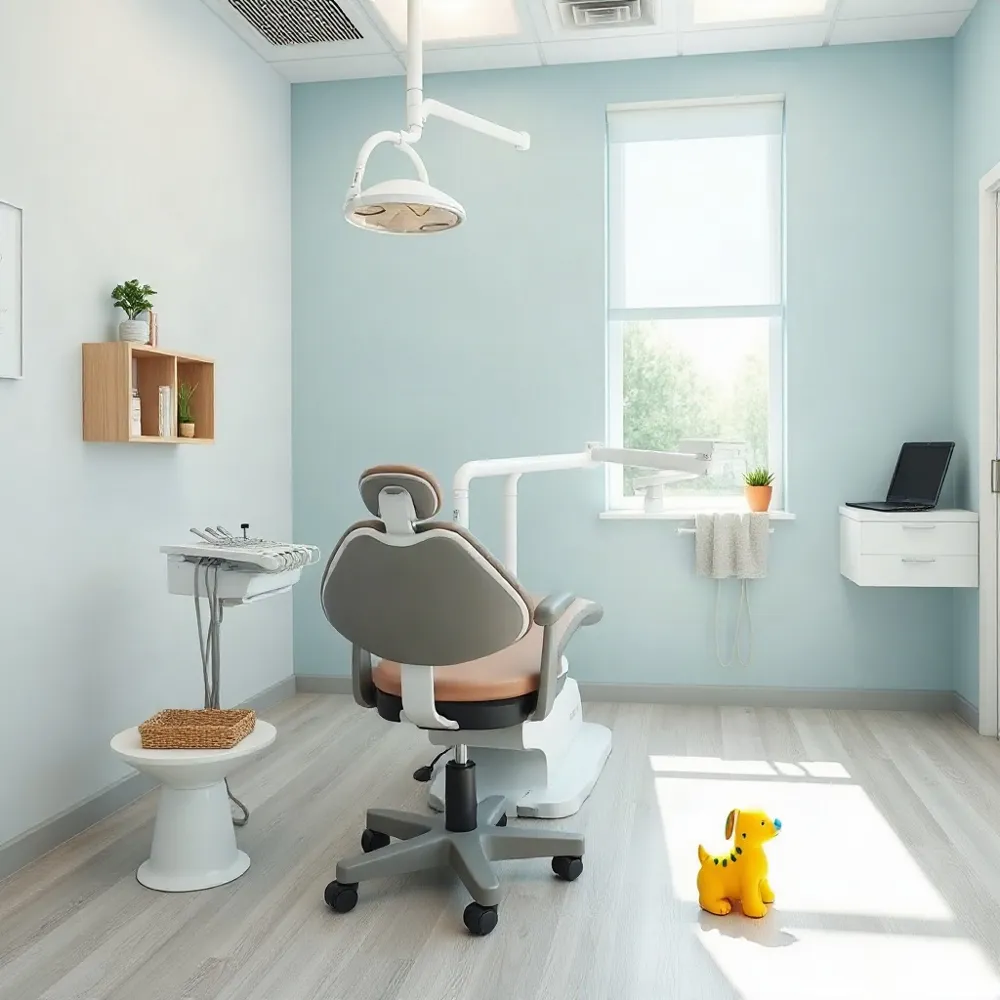 Plan your child’s first dental visit when the first tooth appears, or by the first birthday at the latest. Guidance from Stanford Medicine Children’s Health recommends an appointment within six months of that first tooth. If your child has passed these milestones, arrange a visit now rather than waiting for discomfort or a visible problem.
Baby teeth do more than make a smile. They help children chew and speak, and hold space that guides permanent teeth as they develop. An early checkup gives the dentist a chance to look for decay and concerns with oral growth, while giving parents a place to ask about feeding, brushing, and cavity prevention.
At Best Choice Dental in Totowa, the first visit can be part of personalized family care, with guidance suited to your child’s age and needs. Starting early also helps a child become familiar with dental visits before a concern makes care feel urgent. For a closer look at the recommended timing, see our guide to when to book your child’s first dental visit.
After the first appointment, children are generally advised to see a dentist every six months. The schedule is not identical for every child: a dentist may suggest more frequent visits to build comfort or monitor a developmental concern. Discuss the timing with your child’s dentist so follow-up care reflects their individual needs.
What Happens During the Appointment
 A child’s first dental appointment is usually a gentle introduction to the office, not a test of how still they can sit. The visit often lasts about 30 to 45 minutes, though the timing and activities depend on your child’s age and needs, according to Stanford Children’s Health. Best Choice Dental describes its care as personalized and comfortable, a useful approach when a young patient needs time to settle in.
The dentist may check the teeth, jaws, bite, gums, and other oral tissues to assess growth and development. If it suits the child’s needs, the visit may include a gentle cleaning or polishing. The dentist can also demonstrate home-care techniques and discuss whether fluoride is appropriate. Families can read more about what a child’s first dental cleaning may involve.
X-rays are not routine for every young child. A dentist may recommend them when they are needed to investigate a concern, such as possible decay or an impacted baby tooth root that could affect an adult tooth. Parents can ask why an image is recommended and what it will help the dentist assess.
Before the appointment, share your child’s complete health history, medications, and any behavioral or sensory concerns. Bring questions about brushing, feeding, teething, or pacifier use. For a preschooler, a simple explanation of the exam room, instruments, masks, and bright light can make the setting less unfamiliar. A morning appointment may suit a young child who is more alert then.
Stay calm and offer reassurance; children may notice a parent’s anxiety. Comfort with separation varies from child to child, so hesitation, wiggling, or distress does not mean the visit has failed. The dentist can adjust the pace to help your child feel more at ease.
Building Healthy Habits at Home
 Daily care can start before a baby has teeth. Wipe the gums with a clean, damp cloth, then switch to a small, soft-bristled toothbrush when the first tooth appears. The American Academy of Pediatric Dentistry’s guidance on the age-one dental visit supports early oral care and gives families a chance to ask about their child’s needs.
What are the AAPD guidelines for children’s toothpaste use?
Brush twice a day with fluoride toothpaste. Use a rice-grain-sized smear for children under age three and a pea-sized amount from age three through six. An adult should dispense the toothpaste and supervise brushing to limit swallowing. Once a child can spit reliably, encourage them to spit out the excess, but avoid rinsing with lots of water afterward. Ask the dentist about individual cavity risk or other needs.
Children often need help brushing until about age seven or eight. Demonstrate a pattern they can copy, and check that they reach every surface. Guidance on home oral-care habits for children and teens can help caregivers keep the routine consistent as a child grows.
Which teeth are most likely to develop cavities first in young children?
Cavities often begin in the back teeth, especially the grooved chewing surfaces of molars; the upper front baby teeth can also be affected. Any baby tooth can decay, so brushing and regular dental checkups matter. A dentist can assess a child’s individual risk and recommend suitable prevention.
For bottle-feeding, use breast milk or formula rather than sweetened drinks, finish bottles before sleep, and brush the child’s teeth afterward. Encourage cup use around the first birthday, and limit sugary drinks and sticky foods that can cling to teeth. At Best Choice Dental, a family-oriented practice in Totowa, caregivers can discuss home-care questions as part of personalized care for patients of all ages.
Common Dental Rules and Milestones
Dental number rules are memory aids, not substitutes for advice tailored to a child’s teeth and development. At Best Choice Dental, families can discuss home care and a child’s oral development during visits, with guidance shaped around the individual patient.
What does the 2-2-2 rule in dentistry mean?
The 2-2-2 rule is a simple reminder: brush twice a day, for two minutes each time, and see a dentist twice a year. Use fluoride toothpaste and a soft-bristled brush, cleaning gently along the gumline. The 2-2-2 rule can help families remember the routine, but young children may still need an adult to help or supervise brushing until they can clean effectively.
What does the 3-3-3 rule in dentistry mean?
“3-3-3” has no single, universally accepted meaning in dentistry. It is sometimes used to describe a toothache medication schedule, but that interpretation is not safe or suitable for everyone. Follow the medication label and ask a healthcare professional before giving a child pain medicine. For everyday care, focus instead on brushing twice daily for two minutes with fluoride toothpaste and cleaning between teeth once a day.
What is the 7+4 rule in pediatric dentistry?
The 7+4 rule is a broad guide to the order and approximate timing of permanent teeth, not a diagnostic test or a strict deadline. Permanent teeth commonly begin appearing around age six and continue to emerge through the early teen years, but timing varies from child to child. Regular checkups at Best Choice Dental give families an opportunity to ask about eruption, spacing, or crowding and have development monitored as the child grows.
Treatment Decisions and Growing Patients
Anesthesia is not a routine part of a child’s first dental visit. When a child needs treatment that cannot be completed comfortably in another way, it may be one option to discuss with the dentist and anesthesia provider. The team should review the child’s health history and explain the proposed approach before treatment.
Anesthesia is not risk-free. Temporary effects can include sleepiness, nausea, a sore throat, or confusion while waking; serious breathing or allergic reactions are rare. A child’s age, medical history, airway, and treatment length can affect the risks. Ask who will provide the anesthesia, how your child will be monitored, what recovery may involve, and what alternatives are available. A careful discussion helps families weigh the options for their child.
There is no fixed age when a child must stop seeing a pediatric dentist. Many practices care for teens through age 18 or 19, depending on the patient’s needs. A familiar dentist may continue to support a teen while teeth and jaws develop or orthodontic care is underway. When a transition makes sense, discuss timing and arrange for records to be shared with the next provider.
A Comfortable Foundation
An early dental visit gives the dentist a chance to check oral development, answer family questions, and help a child become familiar with dental care. The American Academy of Pediatric Dentistry’s age-one guidance supports starting care early.
Share questions, health details, or concerns about your child’s comfort with the dental team. At Best Choice Dental, personalized care for patients of all ages helps families discuss an approach that fits their child, including home-care guidance and a suitable schedule for future visits.