A Different Way to Straighten Teeth
For people who want to straighten their teeth without fixed brackets and wires, Invisalign® offers a clear-aligner approach. A series of custom trays fits over the teeth and guides gradual movement toward planned positions. The trays are removable, but treatment still depends on following a dental professional’s instructions.
At Best Choice Dental in Totowa, a consultation can help patients discuss their goals and whether clear aligners may suit their needs. A dental professional evaluates each person’s teeth and bite before recommending a plan. The assessment matters because aligners are not the right choice for every orthodontic concern, and treatment requires professional monitoring as teeth move.
Patients considering this option can learn more about Invisalign clear aligners and ask how a personalized plan would fit their oral health needs and daily routine.
How Aligners Guide Tooth Movement
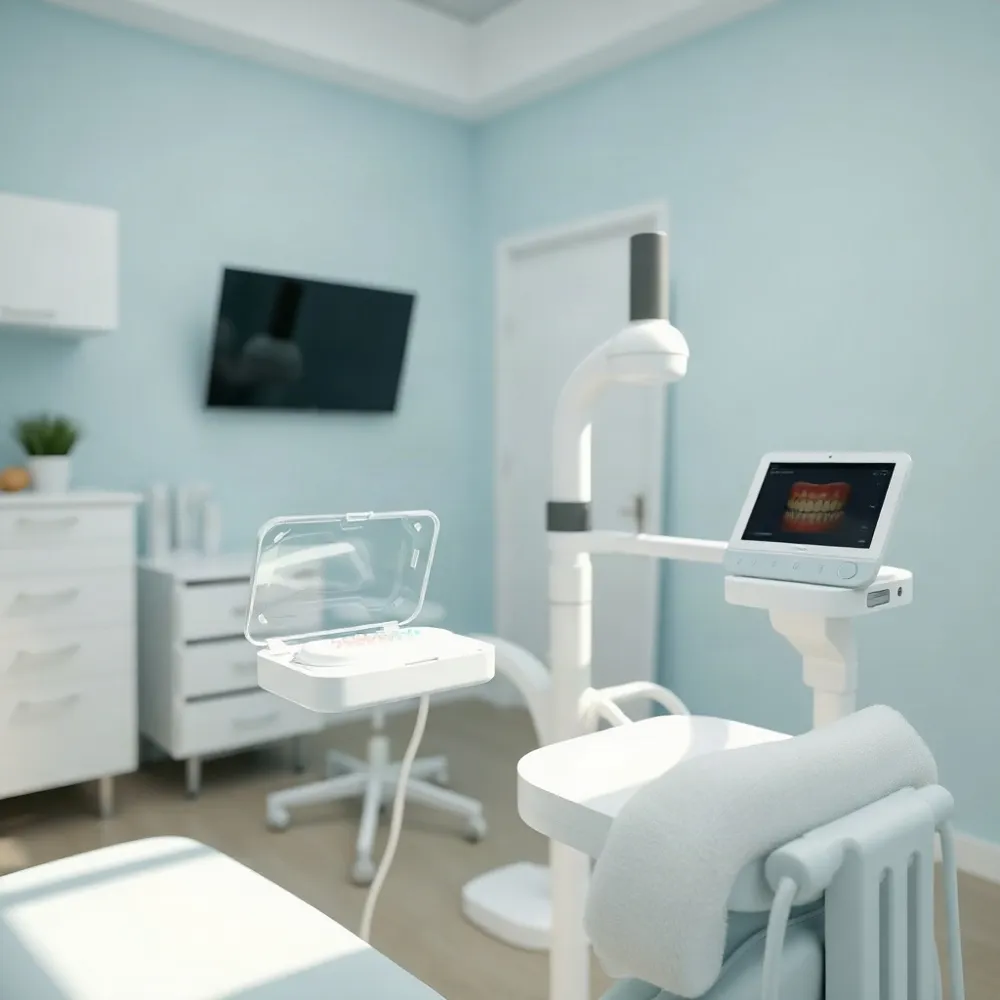 Invisalign® uses a custom-made series of clear, removable aligners to move teeth in small, planned steps. Each set fits over the teeth and applies gentle pressure, guiding them toward positions chosen in the treatment plan.
Planning starts with an examination of the teeth, gums, and bite. When appropriate, digital scans can help a dental professional map the proposed movements and discuss the expected result. At Best Choice Dental, this personalized assessment also helps identify whether other oral health concerns or existing dental work should be considered before starting.
Patients move from one aligner to the next according to their provider’s instructions. Consistent wear, usually about 20 to 22 hours a day, supports the planned movement; aligners are removed for meals, drinks other than water, and brushing and flossing. Some plans also use small, tooth-colored attachments to help the aligners guide particular movements.
Invisalign may suit teens and adults, including older adults, with concerns such as crowding, gaps, or some bite problems. Age alone does not determine candidacy. Oral health, bite, treatment goals, and the complexity of tooth or jaw movement all matter, and a different approach may be appropriate for more complex cases. An individual evaluation at Best Choice Dental can help determine whether clear aligners fit a patient’s needs.
For more on the mechanics of gradual aligner treatment, see how Invisalign guides tooth movement.
Everyday Differences From Braces
For patients weighing treatment options, Invisalign® differs from traditional braces in how it fits into daily life. Clear aligners are less noticeable than brackets and wires, and patients can remove them to eat, brush, and floss. Clear aligners and Invisalign offer that flexibility, while care at Best Choice Dental includes treatment options tailored to each patient’s needs.
Removability means fewer food restrictions and easier access to teeth during routine cleaning. It also places more responsibility on the wearer: aligners need to be removed, cleaned, stored safely, and put back in as directed. Best Choice Dental provides personalized dental care, so patients can discuss how an aligner routine may fit their everyday habits.
Some plans use small, tooth-colored attachments to help guide movement. They may be visible at close range, so aligners are not equally discreet for everyone. Braces remain fixed in place, while removable aligners require consistent wear; neither option is automatically faster or more comfortable for every patient. A dental evaluation at Best Choice Dental can help determine which approach suits the individual case and treatment goals.
Managing Wear Around Meals
The so-called “30-minute rule” is an informal meal-break guideline, not a strict instruction for Invisalign®. The main goal is to follow your provider’s prescribed daily wear schedule, commonly about 20 to 22 hours. A short meal break can fit within that routine, but frequent or lengthy breaks may make it harder to meet your daily target. Learn more about managing aligner wear around meals.
Remove aligners before eating or drinking anything other than plain water. Planning meals, rather than grazing throughout the day, can help limit time out of your mouth. Put the trays in their case while you eat so they are less likely to be misplaced or damaged.
When practical, brush and floss before reinserting your aligners. If you cannot clean your teeth right away, rinse your mouth with water and put the trays back in promptly. Your dental provider can explain the care routine that fits your treatment plan.
A busy schedule, travel, discomfort, or uncertainty about progress can make consistent wear feel difficult. If your aligners do not fit properly or you are struggling to follow the schedule, contact your dental provider rather than stopping treatment on your own. At Best Choice Dental, personalized care can help patients discuss concerns and understand appropriate next steps.
Comfort and Adjustment
 Starting a new aligner may bring a feeling of pressure, tightness, or mild soreness as teeth respond to planned movement. Invisalign is not usually painful, but the experience varies, and the first few days with a new tray may feel different from the days that follow.
Some patients notice tenderness when chewing, irritation where an aligner edge meets the gums, or a brief change in speech. These effects may ease as the mouth adjusts. If an edge continues to rub or a tray feels unusually uncomfortable, ask your dental team for guidance rather than changing or trimming the aligner yourself.
Follow the tray schedule and wear instructions provided for your treatment. At Best Choice Dental, a personalized plan helps patients understand what to expect and when to check in. Contact your dental team if discomfort is severe or does not improve, so they can assess the fit and advise you on next steps.
Treatment Timing and Progress Checks
Treatment length depends on the tooth movements needed, how teeth respond, and how consistently aligners are worn. Some plans take less time, while more involved cases may require longer; broad estimates are not promises of an individual result.
Subtle changes may become noticeable within the first few weeks, but more visible improvements can take longer. Wearing aligners for the schedule your dental professional recommends, often 20 to 22 hours a day, helps keep treatment on track.
At Best Choice Dental, progress checks allow the dental professional to assess aligner fit and tooth movement, answer questions, and adjust guidance or the plan when needed. These appointments are part of supervised care, not just a chance to receive the next set of trays.
Some patients need additional aligners or refinements to address movements that remain after the initial series. A consultation at Best Choice Dental can help set an estimate based on your teeth and treatment goals, while recognizing that the timeline may change as treatment progresses. For more on how duration varies by case and wear habits, see treatment timing and progress checks.
Costs and Coverage Questions
 How do Invisalign and braces compare in cost, and may insurance help cover treatment? As broad U.S. estimates, traditional metal braces may cost about $3,000 to $7,000, while Invisalign may range from $3,500 to $8,000. These figures are not Totowa-specific prices or a quote.
Your fee can vary with case complexity, treatment length, location, and the plan recommended for your teeth. Either option may cost more or less for an individual patient. A consultation at Best Choice Dental can help determine suitable options and provide a personalized estimate, including available payment arrangements.
Some dental plans include orthodontic benefits that may help cover braces or Invisalign, but coverage rules differ. Ask your insurer and the practice about benefit limits, lifetime maximums, eligibility conditions, and whether pre-authorization is required before treatment begins. For broader context on dental coverage and costs, see this guide to insurance and financing for restorative dentistry.
A Personalized Plan Comes First
Clear aligners are not a do-it-yourself treatment. A dental professional evaluates your teeth and bite, plans the movements, and checks that treatment is progressing as intended. That guidance matters because aligners may not suit every orthodontic concern, and the right approach depends on your individual needs.
At Best Choice Dental, patients can discuss Invisalign® as part of the practice’s comprehensive dental care in Totowa. A consultation is a chance to ask whether aligners may be appropriate, what treatment timing could look like, how daily wear may fit your routine, and what comfort and costs to expect. Reviewing these questions with the dental team can help you make an informed choice before starting.