Why Professional Cleanings Matter for Your Smile
Brushing twice a day and flossing regularly are the foundation of good oral hygiene, but they only go so far. A toothbrush can't reach the deep pockets between your gums and teeth, and it can't remove the hardened tartar that forms when plaque is left behind. That's where professional teeth cleaning steps in. During a cleaning at a dental office, a hygienist uses specialized instruments to scrape away plaque and tartar from every surface, including areas your brush simply cannot access. This is why routine cleanings are essential, even if you're diligent about your at-home routine.
Professional cleanings also go beyond the visible surfaces. They address the buildup along the gumline and below it, which is a primary contributor to gum disease. Left untreated, that buildup triggers inflammation and infection, leading to receding gums, bone loss, and eventually tooth loss. A professional cleaning removes the irritants that cause this chain reaction, keeping your gums healthy and your teeth firmly anchored. Unlike brushing, which polishes the visible tooth, a cleaning smooths the root surfaces, making it harder for bacteria to reattach and form new plaque.
Another advantage of professional care is the thoroughness of the process. Dental hygienists are trained to spot early signs of decay, enamel wear, and even oral cancer during the cleaning. They don't just clean; they examine. This early detection allows for conservative treatment, saving you from more extensive and expensive procedures down the line. As one dental practice explains, professional cleanings are a preventive measure that stops small problems from becoming major ones.
The Tartar Factor
Plaque is a sticky film of bacteria that forms on your teeth constantly. When you brush, you remove most of it, but any that remains hardens into tartar (also called calculus) within 24 to 48 hours. Tartar is a rough, porous substance that provides an ideal surface for more plaque to accumulate, creating a vicious cycle. Once tartar forms, only a dental professional can remove it with scalers and ultrasonic instruments. Brushing and flossing simply can't do the job.
This is where the importance of professional cleanings becomes clear. The scaler used by your hygienist physically scrapes away the tartar from above and below the gumline, while the ultrasonic scaler uses vibrations to break it apart. This process, called scaling, is essential for preventing gum disease and cavities. Without it, the tartar continues to harbor bacteria that produce acids, eating away at tooth enamel and irritating gum tissue. Regular cleanings, typically recommended every six months, keep this process in check and maintain a clean, healthy environment in your mouth.
Beyond the physical removal, professional cleanings also include polishing, which smooths the tooth surfaces. This makes it more difficult for plaque to adhere, giving your at-home brushing a head start. Polishing with a gritty paste removes surface stains, leaving your teeth looking brighter and feeling smoother. While at-home care is vital, it's the combination of daily brushing and regular professional care that truly protects your smile against decay and gum disease.
What Professional Cleanings Remove That Brushing Misses
Brushing and flossing at home are essential, but they leave behind a hidden film of bacteria and food debris that hardens into tartar over time. Once plaque calcifies into tartar, it bonds tightly to the tooth surface and can only be removed with specialized instruments used by a dental professional. This is why routine professional cleanings, like those offered at Best Choice Dental in Totowa, NJ, are necessary to maintain a truly clean and healthy smile.
Professional cleanings at Best Choice Dental go beyond what your toothbrush can achieve. Hygienists use a combination of techniques, including [scaling and root planing to reach plaque below the gumline](https://www.ada.org/resources/ada-library/oral-health-topics/home-care) and polishing to remove surface stains. These steps work together to address areas that are difficult to reach at home, such as between teeth and along the gumline, reducing your risk of cavities and gum disease.
Plaque and Tartar: The Sticky Threat You Can’t See
Plaque is a sticky, colorless film of bacteria that forms constantly on your teeth. While daily brushing removes some of it, plaque that isn't removed can harden into tartar, which is much harder to eliminate. Once tartar forms, you can't brush it away, and it provides a rough surface where more plaque accumulates, leading to inflammation and gum disease. Professional cleanings are the only way to safely and effectively remove this buildup, as highlighted in The Importance of Routine Dental Cleanings.
Hygienists use specialized scalers to gently scrape away tartar from above and below the gumline. This process, known as scaling, is critical for preventing periodontal disease and maintaining the health of the supporting bone and tissues. Why Professional Teeth Cleaning Beats At-Home Care explains that this level of care simply cannot be replicated with a toothbrush, no matter how diligent your routine.
Stubborn Stains and Discoloration
Over time, everyday habits like drinking coffee, tea, or red wine, and using tobacco products can cause your teeth to become stained and discolored. These surface stains are often resistant to regular brushing and can make your smile look dull. Professional cleanings include a polishing step that uses a special gritty toothpaste to remove these surface stains, revealing the brighter, whiter enamel underneath. This not only improves the appearance of your smile but also helps your teeth feel smooth and clean.
While at-home whitening products can help, they often provide inconsistent results and may not address deeper, set-in stains. Professional cleanings at Best Choice Dental offer a more immediate and noticeable improvement, helping you feel more confident about your smile. As noted in Top Benefits of Professional Teeth Cleaning vs. At-Home Care, the polishing step is a key differentiator between a professional visit and your daily routine.
Hard-to-Reach Areas and Your Overall Health
Even with perfect brushing, there are areas in your mouth that are difficult to reach, such as the back molars, between teeth, and the deep pockets where teeth meet gums. These areas are prime locations for plaque and food debris to accumulate, increasing your risk of cavities and gum inflammation. Professional hygienists are trained to access these hard-to-reach spots using specialized tools, ensuring a more thorough clean than you can achieve alone.
The benefits of this thorough cleaning extend beyond your mouth. Research has linked oral health to overall wellness, with untreated gum disease associated with increased risks of heart disease, diabetes, and other systemic conditions. Regular professional cleanings help reduce the bacterial load in your mouth, supporting your overall health. This connection is one of the many reasons why Why Bi-Annual Dental Cleanings Are Essential for Long Term Health is a core part of preventive care.
| What's Removed | At-Home Care | Professional Cleaning |
|---|---|---|
| Plaque above gumline | Partially | Completely removed |
| Tartar (hardened plaque) | Cannot remove | Removed with scaling |
| Surface stains (coffee, tea) | Minimal effect | Polished away |
| Plaque below gumline | Inaccessible | Removed with scaling/root planing |
The Oral Health Exam: Catching Problems Early
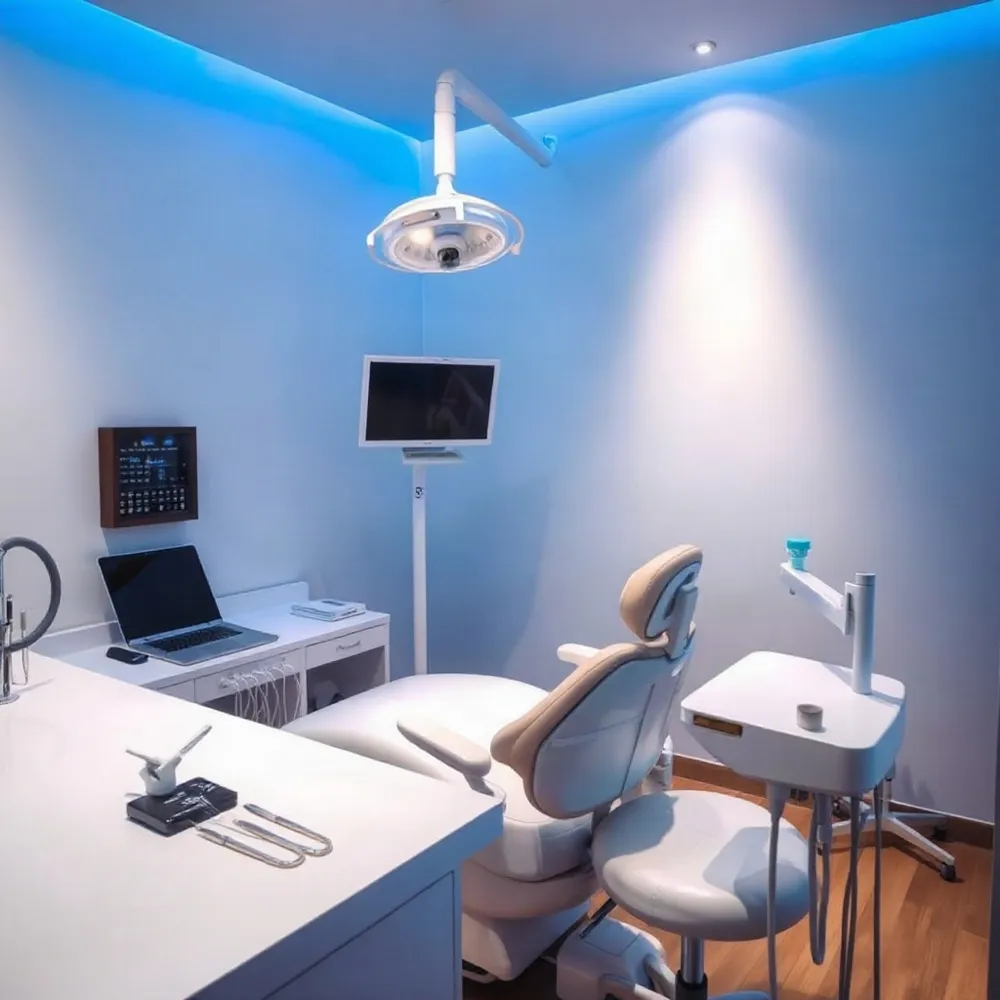 A professional dental cleaning goes far beyond the surface-level polish you see in the mirror. While your daily routine at home removes the soft, sticky film of plaque, only a dental professional can safely and thoroughly eliminate the hardened deposits called tartar that build up along and below the gumline. Once tartar forms, brushing and flossing alone cannot remove it, which is exactly why routine visits to your dentist matter for keeping your smile healthy between appointments.
During a professional cleaning at Best Choice Dental, your hygienist uses specialized instruments to gently scale away plaque and tartar from every tooth surface, including the hard-to-reach areas your toothbrush misses. The process also includes a careful professional polishing that smooths the enamel, making it more difficult for bacteria to reattach and form new deposits. This combination of scaling, polishing, and targeted education is why professional cleanings are so effective at preventing cavities and gum disease over the long term.
The Examination That Comes With Every Cleaning
What many patients don't realize is that a professional cleaning is also a comprehensive screening appointment. Your dentist examines your teeth, gums, tongue, and oral tissues for early signs of decay, gum disease, and even oral cancer. Catching these problems while they're small and manageable is what prevents them from developing into painful, costly conditions down the road. The same cleaning that leaves your mouth feeling fresh is quietly protecting you from far more serious health concerns.
These regular check-ups and cleanings are particularly valuable because they allow your dental team to monitor changes over time. By comparing your current oral health to your previous visits, your dentist can identify subtle shifts that might indicate developing issues, from receding gums to enamel erosion. This proactive approach is the heart of preventive care and one of the main reasons regular dental visits are essential for maintaining a healthy smile.
Beyond the Cleaning: Professional Guidance You Can Use
A professional cleaning isn't just about what happens in the dental chair. It's also an opportunity to receive personalized guidance on your home care routine. Your hygienist can demonstrate proper brushing and flossing techniques, recommend products suited to your specific needs, and answer any questions you have about your oral health. This one-on-one education helps you become a better advocate for your own smile between visits, which is a benefit that lasts long after you leave the office.
For patients concerned about cost, it's worth noting that professional cleanings are one of the most affordable preventive services in dentistry. Many insurance plans cover the full cost of routine cleanings, and even without insurance, the price is typically far less than the cost of treating a single cavity or gum infection. The long-term savings from avoiding more extensive dental work are a compelling reason to make routine professional cleanings a priority for you and your family.
| Aspect | At-Home Care | Professional Cleaning |
|---|---|---|
| Plaque removal | Partial, from visible surfaces | Thorough, including below gumline |
| Tartar removal | Not possible | Essential part of scaling process |
| Examination | None | Early detection of decay, gum disease, and oral cancer |
| Guidance | Self-directed | Personalized technique and product advice |
Ultimately, professional cleanings are a foundational part of maintaining good oral health. They complement your at-home routine, provide essential early detection, and save you money in the long run by preventing more serious and expensive dental problems. If it's been a while since your last cleaning, scheduling one is one of the simplest steps you can take to protect your smile for years to come.
Preventing Gum Disease and Tooth Loss
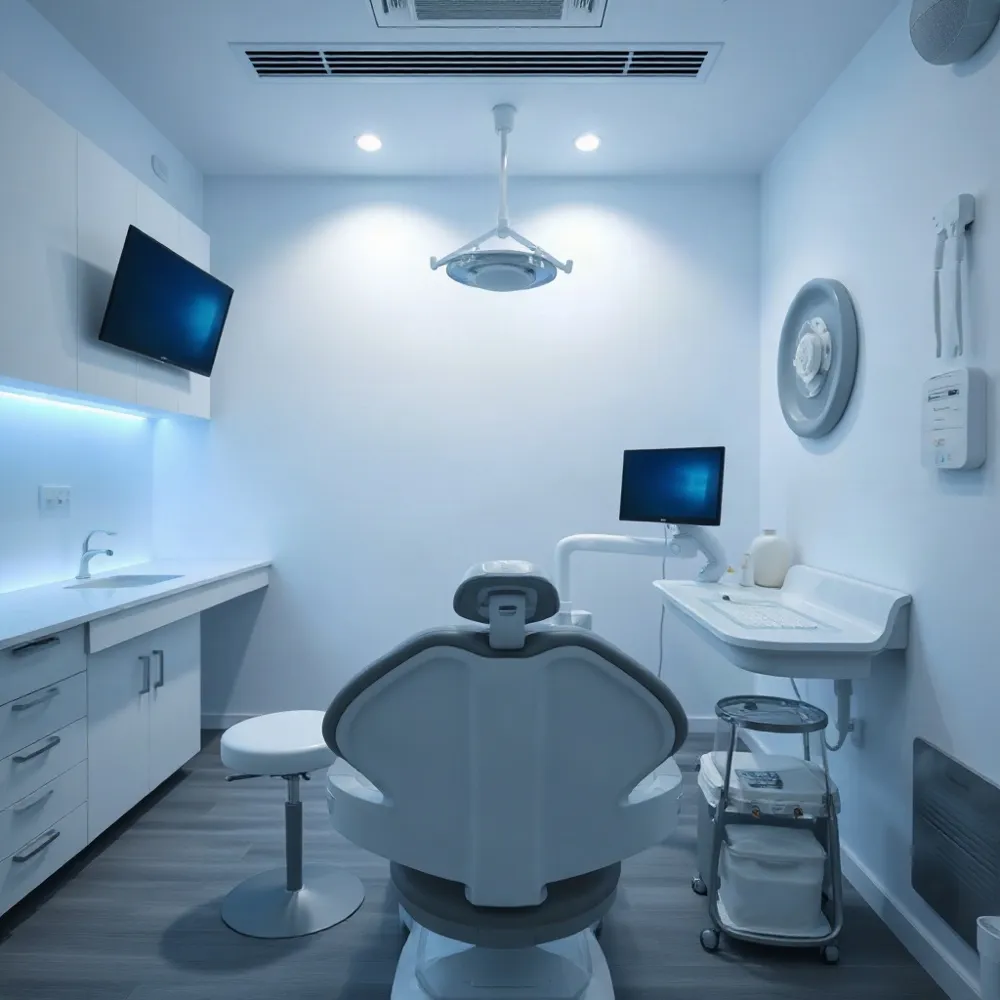 Gum disease is one of the most common yet preventable oral health problems, and it remains the leading cause of adult tooth loss in the United States. The connection between professional cleanings and gum disease prevention comes down to one simple fact: only a dental professional can remove the hardened plaque and tartar that daily brushing and flossing leave behind. When that buildup stays in place, your gums become inflamed, and the infection can spread silently beneath the gumline, eventually destroying the bone that holds your teeth in place.
The American Dental Association emphasizes that professional dental cleanings are a core part of a preventive home-care routine. Even with meticulous brushing, plaque re-forms within hours and can calcify into tartar within days. Once tartar forms, it cannot be removed with a toothbrush, which is why routine professional teeth cleaning is so critical. Your hygienist uses specialized instruments to reach areas your brush cannot, breaking up the bacterial colonies that trigger inflammation and bone loss.
The Plaque-to-Tartar Progression
Plaque is a sticky, colorless film of bacteria that constantly forms on your teeth. When you eat or drink, the sugars and starches in your food feed these bacteria, which then produce acids that attack your enamel. If plaque is not removed within 48 hours, it hardens into tartar, a rough, porous deposit that becomes a permanent home for even more bacteria. Professional dental cleanings remove both plaque and tartar from the tooth surface and beneath the gumline, stopping the disease process before it starts.
Without professional intervention, the gum tissue pulls away from the teeth, forming pockets that deepen over time. These pockets trap more bacteria and debris, accelerating the destruction of the supporting bone. This is why regular dental check-ups matter so much: early detection of these pockets during a cleaning allows your dentist to reverse gingivitis before it advances to periodontitis, the more severe form of gum disease.
The Role of Scaling and Root Planing
During a professional cleaning, your hygienist performs two essential steps: scaling and root planing. Scaling removes plaque and tartar from the tooth surfaces above and below the gumline. Root planing smooths the root surfaces, making it harder for bacteria to reattach and allowing your gums to heal and reattach to the tooth. The benefits of professional teeth cleaning extend beyond a fresh feeling in your mouth; they directly reduce the bacterial load that drives gum inflammation.
For most patients, this procedure is painless and takes less than an hour. Your dentist will numb the area if needed to ensure comfort, and you'll leave with a noticeably smoother, cleaner surface that resists future plaque buildup. This is the professional counterpart to the at-home care you practice daily, and it's why professional cleanings beat at-home care when it comes to preventing disease.
Professional Cleanings vs. At-Home Care
At-home care. Brushing twice a day and flossing daily are essential, but they can't remove tartar or reach deep pockets once gum disease has started. At-home care maintains the health you already have; it can't reverse established disease.
Professional cleanings. These remove tartar, disrupt bacterial colonies, and polish your teeth to slow future plaque formation. They also include a professional exam that catches early signs of gum disease, decay, and other issues before they become painful and expensive.
The distinction matters because many patients believe that rigorous home care is enough. It isn't. The American Dental Association recommends professional cleanings at intervals determined by your individual risk, typically every six months. For patients with a history of gum disease or other risk factors, your dentist may recommend more frequent visits. This is why bi-annual dental cleanings are a core recommendation for nearly every patient.
The Cost of Skipping Cleanings
The financial argument for professional cleanings is straightforward: preventive care is dramatically cheaper than treating advanced gum disease. A routine cleaning typically costs between $75 and $200 without insurance, while the cost of a dental cleaning without insurance is far less than the price of a single surgical periodontal procedure, which can run into the thousands. More importantly, professional cleanings prevent the bone loss that leads to tooth loss, extractions, and dental implants.
Preventive dental care saves you money on repairs in two ways: it catches problems early while they're small and treatable, and it prevents the need for costly restorative work altogether. For example, a small cavity caught during a routine exam costs a few hundred dollars to fill; the same cavity left untreated can require a root canal and crown, costing thousands. Gum disease follows the same pattern, which is why regular dental cleanings prevent major costs.
What to Expect During a Professional Cleaning
If it's been a while since your last visit, you might be nervous, but the process is straightforward and gentle. Your hygienist will use a scaler to remove tartar above the gumline, then use a sonic or ultrasonic scaler for deeper deposits. Next comes a high-powered toothbrush with gritty toothpaste to polish your enamel, followed by professional flossing to remove debris from between teeth. Finally, a fluoride treatment strengthens your enamel against future decay. The entire appointment typically takes 30 to 60 minutes.
The benefits of professional teeth cleaning go beyond the visible results. You'll leave with fresher breath, a brighter smile, and a lower risk of cavities, gum disease, and tooth loss. For patients who want to maximize their oral health, the importance of professional dental cleanings cannot be overstated.
Protect Your Smile With Regular Cleanings
Gum disease is almost entirely preventable, but only if you combine diligent home care with professional cleanings. The evidence is clear: professional dental cleanings prevent cavities and gum disease, and they do so more effectively than any at-home routine alone. By keeping your six-month appointments, you're not just maintaining your smile; you're protecting your overall health and your wallet.
If you're due for a cleaning or have questions about your gum health, the team at Best Choice Dental in Totowa, New Jersey, is here to help. We offer comprehensive preventive care designed to keep your teeth and gums healthy for life. Schedule your appointment today and see the difference professional cleanings make.
Fluoride Treatments and Extra Protection Against Decay
Regular professional cleanings do more than keep your smile bright. They remove the plaque and tartar that daily brushing and flossing miss, which helps prevent cavities and gum disease. For patients in Totowa, NJ, Best Choice Dental makes these visits comfortable and thorough, so you stay ahead of problems before they become painful or expensive.
The Difference Between Professional Cleanings and At-Home Care
Even with a diligent routine, toothbrushes and floss can't reach every surface. Bacteria quickly hardens into tartar, which only a dental professional can remove. At Best Choice Dental, our hygienists use specialized instruments to clean above and below the gumline, targeting areas where plaque tends to hide. The result is a deeper clean that leaves your mouth feeling fresh and your teeth noticeably smoother. For a closer look at why these visits matter, check out this guide on the importance of professional dental cleanings.
Beyond the Polish: What Happens During a Cleaning
A professional cleaning typically includes several steps designed to protect your oral health. Your hygienist will remove plaque and tartar, polish your teeth, and finish with a fluoride treatment. This last step strengthens tooth enamel, making it more resistant to acid attacks and decay. Regular cleanings also give your dentist a chance to spot early signs of issues like gum disease or enamel erosion, often before you notice any symptoms. Learn more about what happens during a dental check-up.
How Often Should You Book a Cleaning?
Most patients benefit from a professional cleaning every six months. This timeframe helps prevent plaque from hardening into tartar and gives your dentist a consistent baseline for tracking changes in your oral health. If you have a history of gum disease or other risk factors, your dentist may recommend more frequent visits. Sticking to this schedule lowers your risk of serious complications and supports long-term oral health. Find out why bi-annual cleanings are essential.
The Cost of Cleanings Without Insurance
Skipping professional cleanings to save money often backfires. Untreated plaque and tartar can lead to cavities, gum disease, and more extensive procedures like root canals or crowns. Many patients avoid the dentist because they're unsure about costs, especially without insurance. At Best Choice Dental, we help you understand your options and make preventive care accessible. If you're comparing prices, this guide breaks down what a cleaning typically costs without insurance.
Prevention Saves More Than Just Your Teeth
Professional cleanings are an investment in your overall health. Research shows that good oral hygiene is linked to lower risks of certain systemic conditions, and routine visits help you avoid costly repairs down the line. Addressing minor issues during a cleaning is far more affordable than waiting for them to escalate. Plus, a clean, healthy smile boosts your confidence and makes you more comfortable smiling, talking, and laughing. Learn how preventive care saves money over time.
| Aspect | At-Home Care | Professional Cleaning |
|---|---|---|
| Removes plaque | Only soft plaque | Hardened tartar included |
| Reach | Limited to visible areas | Above and below gumline |
| Fluoride | Via toothpaste | Concentrated treatment |
| Detection | Not available | Early signs of issues |
| Frequency | Twice daily | Every 6 months |
Personalized Advice for Better At-Home Care
Even the most diligent brushing and flossing routine leaves behind traces of plaque, especially in the tight spaces between teeth and along the gumline. Over time, that plaque hardens into tartar, a rough, porous deposit that no toothbrush can remove. Professional cleanings at Best Choice Dental in Totowa use specialized instruments to clear away these deposits, reaching areas your brush and floss simply cannot access.
Scaling and root planing, the technical terms for what happens during a professional cleaning, remove both plaque and tartar from above and below the gumline. When your hygienist scales your teeth, they are not just polishing visible surfaces; they are eliminating the bacterial colonies that cause inflammation, bleeding gums, and eventually gum disease. Why Professional Teeth Cleaning Beats At-Home Care explains that at-home care, while essential, simply cannot match the thoroughness of a professional tool.
Without professional intervention, tartar buildup triggers an inflammatory response in your gums. The bacteria in plaque produce toxins that irritate the soft tissue, leading to gingivitis. If left untreated, this can progress to periodontitis, a more serious infection that damages the bone supporting your teeth. Routine cleanings catch this process early, often before you notice any symptoms. The American Dental Association's guidance on home care reinforces that professional care complements, rather than replaces, your daily habits.
The Limits of Your Toothbrush
Your toothbrush, no matter how advanced its bristles, only cleans about 60% of your tooth's surface. The remaining 40%, including the area where the tooth meets the gum and the spaces between teeth, stays vulnerable to plaque accumulation. Floss helps, but it struggles to reach deep below the gumline. Only a professional-grade scaler can access these pockets and remove the irritants that cause gum inflammation.
Even with excellent technique, your at-home routine cannot remove established tartar. Once plaque hardens into tartar, it provides a rough surface that attracts even more plaque, creating a cycle that only professional care can break. The Cleveland Clinic's overview of dental cleanings notes that professional cleanings are the only effective way to remove this hardened deposit.
Professional cleanings also polish your teeth with a special paste, removing surface stains from coffee, tea, and food. This not only brightens your smile but also makes it harder for plaque to stick to your teeth. A smooth, polished surface resists bacteria better than a rough, stained one, giving your daily brushing a more effective foundation.
Why Regular Cleanings Prevent Costly Problems
The most compelling reason to schedule professional cleanings is the prevention they offer. The American Dental Association emphasizes that routine check-ups allow your dentist to spot early signs of decay, gum disease, and even oral cancer. Catching these issues in their earliest stages means simpler, less expensive treatments. A small cavity caught early may only require a simple filling; the same cavity left to grow can necessitate a root canal or extraction.
The financial benefit is significant. According to Why Regular Dental Cleanings Cut Down on Major Costs, investing in preventive care reduces your long-term spending on complex procedures. A single professional cleaning costs far less than a single root canal, and the peace of mind that comes with a healthy mouth is invaluable. How Much Is a Teeth Cleaning Without Insurance provides a breakdown of typical costs, but the long-term savings are clear when you avoid the need for restorative work.
Beyond the clinical benefits, professional cleanings offer a level of comfort and personalized care that at-home routines cannot replicate. Your hygienist can identify areas where you tend to miss plaque and provide tailored advice on improving your technique. This guidance, paired with the thoroughness of the cleaning itself, empowers you to maintain a healthier smile between visits. At Best Choice Dental, we combine advanced technology with a gentle, patient-focused approach to make every cleaning a positive experience.
The Cost of Skipping Cleanings vs. Investing in Prevention
Most patients assume a professional cleaning is just a more thorough brushing. In reality, the procedure combines several distinct steps designed to remove what daily care cannot reach. A standard visit at Best Choice Dental covers plaque and tartar removal, polishing, flossing, and a fluoride treatment, with each stage targeting a specific layer of buildup that contributes to decay and gum disease.
The process begins with a visual exam, during which the hygienist or dentist checks for signs of inflammation, recession, or decay. Next comes scaling, the removal of hardened plaque (tartar) above and below the gumline using specialized instruments. Polishing follows to smooth the tooth surface and remove surface stains, and a final floss and fluoride application help protect against future buildup. For a detailed walkthrough, the Cleveland Clinic explains what happens during a dental cleaning, including the tools and techniques used.
Why the Same Routine at Home Isn't Enough
Even meticulous brushing and flossing miss roughly a third of tooth surfaces, particularly in hard-to-reach areas like between molars and along the gumline. Plaque that remains for more than 48 hours hardens into tartar, which cannot be removed by a toothbrush. This is why the American Dental Association emphasizes that home care is essential but insufficient on its own; professional tools can access subgingival buildup that daily hygiene cannot touch.
Professional cleanings also allow early detection of problems before they become painful or expensive. Catching a small cavity during a cleaning means a simple filling, rather than a root canal or extraction months later. As the cost of neglecting preventive care compounds, routine visits become a financially sound investment in both oral and overall health.
- Removes tartar that brushing cannot budge, reducing the bacteria that cause gum disease
- Polishes away surface stains for a brighter smile and smoother tooth enamel
- Includes a fluoride treatment that strengthens enamel against future decay
- Provides an opportunity for early detection of cavities, oral cancer, and other conditions
Affordable Options for Patients Without Insurance
 The cost of a professional cleaning is often the first thing patients worry about when they don’t have dental insurance. A typical visit can run anywhere from $75 to $200 without coverage, and that price tag alone can make some people skip their checkups altogether. But skipping those visits almost always leads to bigger problems, and bigger bills, down the road. The good news is that there are several practical, patient-friendly ways to make cleanings affordable, and understanding them can help you stay on top of your oral health without breaking the bank.
One of the most effective routes is an in-house membership or savings plan. Unlike traditional insurance, these plans have no deductibles, no waiting periods, and no claim forms. You pay a modest annual or monthly fee, and in return you get discounted rates on cleanings, exams, and other treatments. For example, a practice might offer two professional cleanings and exams per year for a flat fee that’s often less than the cost of a single cleaning without insurance. These plans are designed for people who want predictable, budget-friendly care, and they’re especially helpful if you’re between jobs, self-employed, or simply want more control over your dental spending.
How In-House Membership Plans Work
In-house membership plans are essentially a subscription for your dental care. You pay a set fee upfront or in installments, and that fee unlocks reduced prices on the services you actually need. For cleanings specifically, this can mean significant savings: instead of paying $100 to $200 per visit, you might pay a single annual fee that covers two cleanings, a comprehensive exam, and sometimes even X-rays. Practices like ours build these plans to be transparent, so you always know what’s included and what something costs before you commit. There are no surprise bills, no hidden fees, and no waiting for claims to be processed.
Another option worth exploring is a dental discount plan. These aren’t insurance policies; they’re membership-based discount programs that give you access to reduced rates at participating providers. You pay an annual fee, and in return you get 10% to 60% off most dental services, including cleanings. Many patients find these plans particularly useful if they need more extensive work later, since the discounts apply to everything from fillings to crowns. To see how much a cleaning might cost under such a plan, check out this guide on dental cleaning costs without insurance, which breaks down typical pricing and compares it to what you’d pay with or without coverage.
The Preventive Care Advantage
Here’s the thing about professional cleanings: they’re not just about polishing your teeth. A routine cleaning removes the plaque and tartar that daily brushing and flossing can’t reach, and that buildup is what leads to cavities, gum disease, and tooth loss. According to Why Bi-Annual Dental Cleanings Are Essential for Long Term Health, scheduling cleanings every six months significantly lowers your risk of serious complications while helping you maintain effective hygiene. When you skip these visits to save money, you’re actually gambling with much higher costs later, like root canals or crowns, which can cost hundreds or even thousands of dollars.
That’s why preventive care is such a smart investment. As this article on preventive dental care explains, catching problems early means treating them while they’re small and inexpensive, rather than waiting until they become painful and costly. A cleaning that costs $100 to $200 without insurance might seem like a lot, but compare that to the cost of a single filling (often $150 to $300 or more) or a root canal (frequently over $1,000). The math is clear: spending a little on prevention now saves you a lot on treatment later. Our team at Best Choice Dental Totowa can help you figure out the most affordable way to stay on schedule.
What to Expect at Your Appointment
If you’re new to professional cleanings or haven’t had one in a while, it helps to know what happens during your visit. A standard cleaning includes a physical exam, removal of plaque and tartar, a thorough polishing, and a professional flossing. For most people, the entire process takes about 30 to 60 minutes, and it’s usually painless. If you have sensitive teeth or gum disease, we can adjust the approach to keep you comfortable. To get a better sense of the full procedure, check out this breakdown of what professional cleanings involve, which walks through each step and explains why it matters for your oral and overall health.
Some patients worry that a cleaning will be uncomfortable or that they’ll be judged for neglecting their teeth. That’s not what we’re about. Our goal is to help you feel at ease, answer your questions, and give you a clear, honest picture of your dental health, whether you need a simple cleaning or more extensive work. As this resource on professional cleanings notes, regular visits are one of the most effective ways to prevent cavities and gum problems, and they’re also a chance for us to catch issues early, when they’re easier and cheaper to treat.
Making the Right Choice for Your Wallet and Your Smile
Ultimately, the most affordable option isn’t the one with the lowest price tag, it’s the one that keeps you healthy and prevents expensive problems down the line. Whether that means signing up for an in-house membership plan, exploring a discount program, or simply paying out of pocket for a cleaning twice a year, the key is to make regular care a priority. If you’re unsure which option makes sense for your budget, we’re happy to walk you through the numbers and find a solution that works for you. Your smile, and your wallet, will thank you.
Common Questions About Professional Cleanings
Even if you brush twice a day and floss regularly, plaque and tartar can build up in the areas your brush cannot reach. Professional dental cleanings remove this buildup, which is the primary cause of cavities and gum disease. The procedure uses specialized instruments to reach below the gumline, where daily hygiene tools simply cannot go. By clearing away the bacteria that erode enamel, you stop tooth decay before it has a chance to start.
The longer plaque sits on your teeth, the more acidic it becomes. This acid wears down the protective outer layer of enamel, creating tiny weak spots that eventually turn into cavities. Routine cleanings stop this process in its tracks by removing the plaque before it can do lasting damage. When combined with a fluoride treatment, professional cleanings actively strengthen enamel, making it more resistant to future decay.
The Early Detection Advantage
Cavities do not appear overnight. They develop over months, starting as tiny lesions that are invisible to the naked eye. By the time you feel sensitivity or pain, the decay has already progressed deep into the tooth. Regular dental check-ups allow your dentist to spot these early warning signs before they become serious problems. Catching a cavity in its early stages means a simple filling rather than a root canal or extraction.
Professional cleanings also give your dentist the opportunity to take digital X-rays, which reveal decay between teeth that cannot be seen during a visual exam. This proactive approach saves you from painful procedures down the road. Preventive care is always more affordable than treatment for advanced decay, and it protects the natural structure of your teeth.
Why At-Home Care Falls Short
Your toothbrush and floss are essential, but they have limitations. Even with perfect technique, you miss about one-third of your tooth surface. Plaque hardens into tartar within 24 to 48 hours, and once it forms, your toothbrush cannot remove it. Professional teeth cleaning is the only reliable way to eliminate tartar, especially in hard-to-reach areas like the back molars and along the gumline.
At-home products can help, but they cannot replace a professional cleaning. Professional cleanings use scaling tools, ultrasonic instruments, and polishers that break up deposits your brush simply cannot handle. Even diligent brushers benefit from this deep cleaning because it reaches areas that are anatomically difficult to access at home.
The Cost of Skipping Cleanings
Many people skip their six-month cleaning to save money, but this decision often leads to much higher costs later. A cavity that goes untreated can spread to the pulp of the tooth, requiring a root canal and crown. In severe cases, the tooth may need to be extracted entirely, leaving you with the expense of a dental implant or bridge. Routine preventive care costs a fraction of these major procedures, making it one of the smartest investments in your health.
| Issue | Without Regular Cleanings | With Regular Cleanings |
|---|---|---|
| Plaque buildup | Hardens into tartar, requires scaling | Removed during each cleaning |
| Early cavities | Progress silently, need fillings | Detected early, simple treatment |
| Gum disease | May advance to periodontitis | Prevented with regular scaling |
| Long-term cost | Root canals, implants, extractions | Low-cost cleanings, fewer procedures |
When you skip a professional cleaning, you are not just risking your teeth; you are risking your wallet. Preventive care is always more affordable than treatment for advanced decay, and it protects the natural structure of your teeth.
What a Professional Cleaning Actually Involves
A professional cleaning typically includes a physical exam, plaque and tartar removal, polishing, and a fluoride treatment. The procedure is quick, usually taking about 30 to 60 minutes, and it is painless for most patients. Your dental hygienist uses a scaler to remove tartar above the gumline, then polishes your teeth to remove surface stains. Finally, a fluoride varnish strengthens enamel and provides ongoing protection against decay. Professional dental cleanings leave your mouth feeling fresh and clean, making it easier to maintain good habits at home.
Best Choice Dental in Totowa, New Jersey, combines modern technology with a gentle, patient-focused approach to make every cleaning comfortable and effective. Whether you need a routine check-up or more intensive treatment, the team is dedicated to helping you maintain a cavity-free smile. Regular dental cleanings are not just about aesthetics; they are a critical component of your overall oral health.
Making Preventive Dental Care a Priority
A professional cleaning does far more than polish your teeth. It removes the plaque and tartar that daily brushing and flossing simply cannot reach, protecting both your gums and enamel from long-term damage. This is why regular professional cleanings are a cornerstone of preventive dentistry, and they can help you avoid the pain and cost of advanced dental problems down the road.
The benefits go beyond a fresh feeling in your mouth. By targeting the bacteria that cause gum disease and tooth decay, professional cleanings directly reduce your risk of more serious oral health issues. As the team at Best Choice Dental Totowa explains, consistent care at the dentist’s chair is a key part of maintaining a healthy smile between visits.
Protecting Your Gums from Disease
Gum disease often starts silently, with symptoms like redness or bleeding that many people ignore. Professional cleanings remove the bacteria and tartar that trigger this inflammation, helping to prevent gingivitis from progressing to more serious periodontitis. The American Dental Association notes that consistent professional care is essential for managing plaque buildup that daily brushing misses.
For patients in Totowa, NJ, this means a cleaning isn’t just a cosmetic luxury. It’s a proactive step to keep your gum tissue healthy and your teeth securely anchored. Skipping these appointments can allow plaque to harden into tartar, which only a dental professional can safely remove, as highlighted in this guide on the importance of professional dental cleanings.
Shielding Your Enamel from Acid Erosion
Your enamel is the hardest substance in your body, but it’s not invincible. Acid from food and bacteria weakens it over time, leading to cavities and sensitivity. Professional cleanings remove the plaque that produces these acids, reducing your risk of decay. One dental practice notes that regular cleanings are one of the most effective ways to prevent cavities before they start.
When you get a professional cleaning, your hygienist also polishes your teeth, which helps smooth out microscopic rough spots where bacteria can hide. This simple step makes it harder for plaque to reattach, giving your enamel an extra layer of protection until your next visit.
Why Professional Cleanings Beat At-Home Care
While daily brushing and flossing are essential, they can’t replicate what a dental professional does. At-home care has its limits: even the most diligent brusher misses areas like the back molars or along the gumline. Professional cleanings use specialized tools to reach these spots, removing calculus and stains that a toothbrush can’t touch.
This distinction is crucial for long-term oral health. A professional cleaning doesn’t just clean your teeth; it gives your dentist a chance to spot early signs of problems like cavities, gum recession, or even oral cancer. Early detection means simpler, less expensive treatments, a benefit that preventive care experts emphasize.
| Aspect | At-Home Care | Professional Cleaning |
|---|---|---|
| Plaque removal | Partial; missed spots | Thorough; reaches all areas |
| Tartar removal | Not possible | Removed with scaling tools |
| Gum health | Helps maintain | Reduces inflammation risk |
| Early detection | Not possible | Identifies issues early |
| Cost | Lower upfront | Prevents costly treatments |
For Totowa residents weighing their options, the choice is clear. A professional cleaning is a small investment in your health that pays off by preventing more expensive procedures like root canals or extractions. As one resource on preventive care costs points out, regular cleanings help you avoid major dental bills down the line.
At Best Choice Dental Totowa, we focus on making every cleaning comfortable and thorough, using modern techniques to protect your gums and enamel. Whether you’re due for a routine visit or want to get back on track, scheduling a professional cleaning is the most direct way to safeguard your smile’s foundation.