Why Prevention Matters for Your Smile and Wallet
Routine preventive care is the most direct way to reduce what you spend on dentistry. The College of Dentistry at UIC notes that regular exams catch issues like cavities and gum disease early, when treatment is simpler and less expensive than waiting for pain or damage to appear. Skipping checkups may seem like a short-term saving, but the added cost of deferred treatment often turns a small filling into a crown or root canal.
These savings flow in a few concrete ways.
Lower treatment costs. Early intervention on a small cavity avoids later procedures such as root canals or extractions, which carry much higher price tags.
Fewer emergency visits. Regular screenings reduce the chance of sudden pain that demands an urgent appointment, where walk-in fees and same-day procedures inflate the bill.
Better long-term planning. A preventive schedule lets your dentist forecast upcoming work and space out costs, instead of facing a surprise expense.
Prevention beats restoration
The Centers for Disease Control and Prevention highlights that oral disease interventions deliver measurable economic benefits through both individual and community savings. For families, this means a single covered cleaning and exam each year can prevent the need for far more expensive restorative work down the line. At Best Choice Dental, a comprehensive checkup covers screenings that catch problems early, so you avoid the costly surprises that come from neglecting routine visits.
What Counts as Preventive Dental Care
 Preventive dental care covers the routine services and daily habits that stop oral disease before it starts. Dentists group these under a few clear categories, and knowing them helps you spot what your plan should cover and what truly protects your smile.
Routine Oral Exams and Cleanings
The backbone of prevention is the regular checkup. Most practices, including Best Choice Dental, recommend a visit every six months, which aligns with guidance on routine exams that stresses early detection of cavities, gum disease, and even oral cancer. A professional cleaning removes plaque and tartar that everyday brushing misses.
These visits also teach you proper technique. Many dentists use chairside demonstrations to show where you miss brushing or flossing, which turns a routine exam into a personalized coaching session.
Sealants and Fluoride Treatments
Sealants are thin protective coatings painted onto the chewing surfaces of molars, and they are especially effective for children. Fluoride treatments strengthen enamel and reverse early decay. According to the CDC’s oral health interventions, community water fluoridation and school-based sealant programs are cost-effective public health measures that reduce cavities significantly.
X-Rays and Diagnostic Imaging
Bitewing and panoramic X-rays reveal problems invisible to the naked eye: decay between teeth, impacted wisdom teeth, bone loss, or infections. The UIC College of Dentistry notes that early detection through such imaging can prevent more invasive and costly procedures later. Low-radiation digital X-rays make this screening both safe and routine.
Preventive Services at Best Choice Dental
At Best Choice Dental in Totowa, preventive care goes beyond the basics. The team emphasizes regular checkups tied to overall wellness, and they offer preventive strategies that target both oral and systemic health. Unlike some practices that only react to problems, they pair each cleaning with a personalized risk assessment and clear home-care coaching.
Exams. Thorough visual inspection for cavities, gum disease, and oral cancer, usually every six months.
Cleanings. Removal of plaque and tartar above and below the gumline, followed by polishing.
X-Rays. Digital imaging to spot hidden decay, bone loss, or impacted teeth.
Fluoride & Sealants. Topical fluoride for enamel strength and sealants for cavity-prone molars.
Education. Personalized brushing, flossing, and dietary guidance to maintain prevention at home.
| Service | Frequency | Purpose |
|---|---|---|
| Oral exam | Every 6 months | Detect early signs of disease |
| Professional cleaning | Every 6 months | Remove plaque and tartar |
| X-rays | Annually or as needed | Reveal hidden problems |
| Fluoride treatment | Every 6–12 months | Strengthen tooth enamel |
| Dental sealants | Childhood, often molars | Prevent cavities in pits and fissures |
The 3-3-3 Rule Explained
 Routine dental care is one of the rare expenses where spending a little now avoids paying a lot later. A simple cleaning and exam can catch a small cavity, a bit of gum inflammation, or a cracked filling before it turns into a root canal, crown, or extraction. What feels like a minor investment at your six-month visit often prevents procedures that cost hundreds or thousands of dollars down the road. That is why preventive care is the most practical way to protect both your smile and your budget.
The financial case for prevention is well documented. The CDC reports that every dollar spent on preventive oral health interventions can save up to fifty dollars in treatment and restorative care later, primarily by reducing the need for more complex procedures (see Health and Economic Benefits of Oral Disease Interventions). Similarly, the UIC College of Dentistry notes that early detection during routine visits catches issues when they are still inexpensive to treat, rather than after they become painful and costly (see The Value of Preventive Oral Health Care). These aren't vague promises; they are the reason regular checkups are considered an essential investment, not an optional extra.
Why a Simple Filling Beats a Crown Every Time
Consider the most common scenario: a small cavity found during a routine exam. At that stage, a filling is a quick, affordable fix, often completed in a single visit. If you skip that checkup, the decay grows, reaches the nerve, and the filling becomes a root canal plus a crown. The price difference is dramatic, and the discomfort and time involved multiply. The practice at Best Choice Dental sees this pattern constantly: patients who skip a few years of cleanings often arrive with problems that could have been resolved for a fraction of the cost had they been caught earlier.
Dental insurance makes this even more straightforward. Most plans cover 100% of preventive visits like cleanings and exams, while restorative work is only partially covered. That means your out-of-pocket cost for a checkup is often zero or very low. Skipping that visit to save money is almost always counterproductive. For a closer look at how routine visits keep costs down, see our guide on how preventative care saves you money on repairs.
Prevention Isn't Just About Cavities
The money-saving story goes beyond fillings and crowns. Regular exams also screen for gum disease, oral cancer, and other conditions whose treatment becomes far more expensive if ignored. A yearly exam that catches an early stage gum infection can be treated with a simple deep cleaning. If that same condition is left to advance, it can lead to tooth loss and the need for implants or bridges, which are among the most costly procedures in dentistry. Early detection is a direct path to lower total dental costs, a point reinforced by the importance of regular dental check-ups.
Preventive care also supports your overall health, which indirectly protects your wallet. Untreated oral infections have been linked to broader health issues that carry their own costs, making routine care a component of whole-body wellness. The lesson is simple: the few minutes and modest fee of a preventive visit are a bargain compared to the time, pain, and money required for restorative treatment. For a deeper dive into how these visits pay off, read about why annual dental exams matter more than you think.
Early Detection Stops Small Issues
Preventive dental care is the practice of maintaining good oral health to keep your teeth and gums healthy and avoid more serious problems down the road. It is not just about fixing issues when they appear; it is about stopping them before they start. The American Dental Association now recommends regular check-ups based on your individual risk, but most people benefit from a professional cleaning and exam every six months.
At Best Choice Dental Totowa, we build your prevention plan around your specific needs. A typical preventive appointment includes a comprehensive exam to catch early signs of decay or gum disease, a professional cleaning to remove plaque and tartar that brushing cannot reach, and digital X-rays to spot issues below the surface. Regular screenings for oral cancer and education on proper brushing and flossing techniques round out a complete preventive visit.
Comprehensive exams. A thorough visual inspection of your teeth, gums, and mouth to detect cavities, gum disease, and early signs of oral cancer.
Professional cleanings. Removal of plaque and tartar buildup above and below the gumline, which helps prevent gum disease and tooth decay.
Digital X-rays. Low-radiation images that reveal cavities between teeth, impacted teeth, and bone loss that are not visible to the naked eye.
Oral cancer screenings. A quick, painless check of your lips, tongue, and throat for red or white patches or other signs that could indicate a problem.
Preventive care also extends beyond the dental chair. Simple habits like brushing twice a day with fluoride toothpaste, flossing daily, and eating a balanced diet low in sugar significantly reduce your risk of cavities and gum disease. When you schedule regular check-ups, you allow us to catch small issues early, when treatment is faster, less invasive, and far more affordable than waiting for a problem to worsen.
| Preventive Practice | What It Involves | How It Helps |
|---|---|---|
| Routine check-up | Exam and cleaning every 6 months | Catches problems early; removes plaque |
| X-rays | Low-dose imaging every 1-2 years | Detects hidden decay and bone issues |
| Fluoride treatment | Professional application | Strengthens enamel; prevents cavities |
| Oral hygiene instruction | Personalized brushing/flossing tips | Improves at-home care and daily habits |
The Centers for Disease Control and Prevention highlight that preventive oral health services, including dental sealants and community water fluoridation, are safe, effective, and reduce cavities in children by nearly one-third. Investing in prevention today means fewer dental visits down the line, less discomfort, and significant long-term savings for your family.
Cleanings Keep Plaque and Tartar at Bay
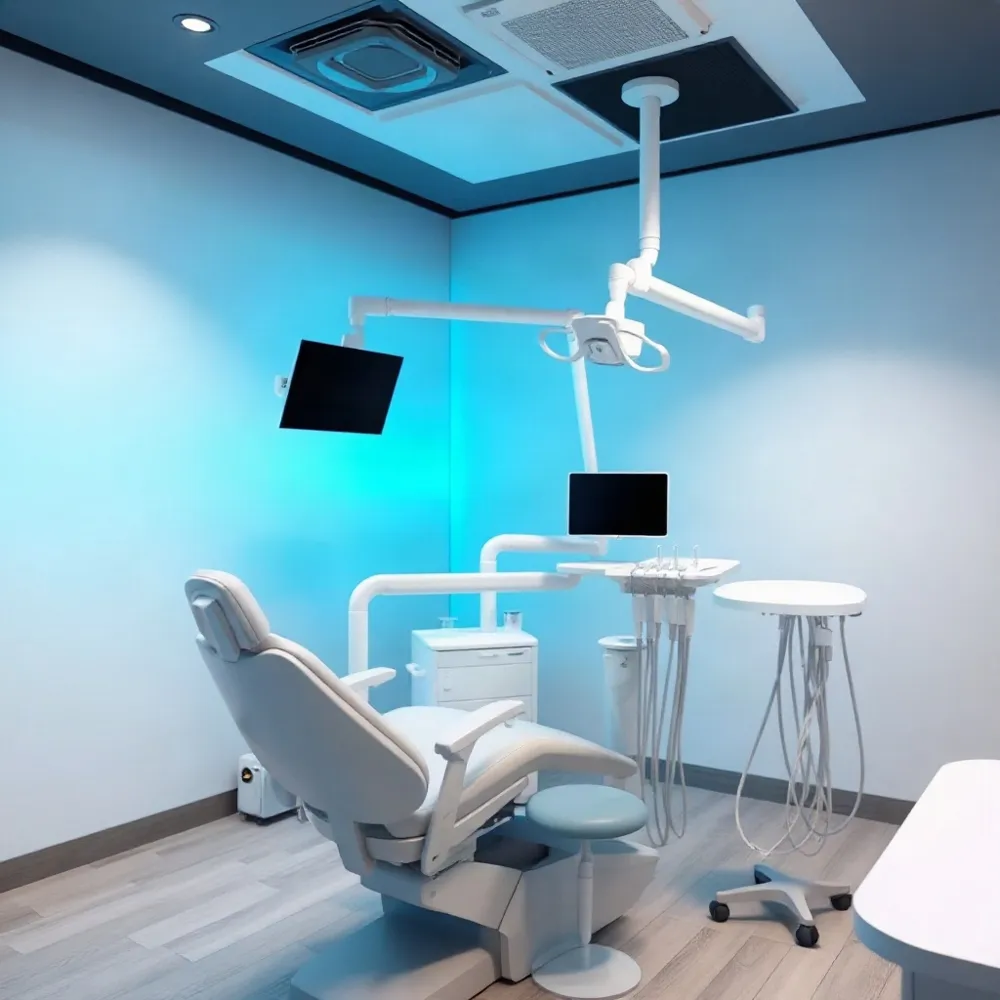 Many people postpone dental visits because they worry about the cost of treatment. Yet the reality is that regular dental check-ups are one of the most cost-effective investments you can make in your overall health. By catching small issues early, you avoid the need for expensive restorative work later.
Preventive care also saves you money in the long run by reducing the likelihood of complex procedures. For example, a small cavity that is caught during a routine exam can often be treated with a simple filling, while a neglected cavity may require a root canal or even extraction. These options are not only more invasive but also significantly more costly.
Beyond just the financial savings, regular preventive care supports your long-term oral health. The CDC highlights that community water fluoridation and dental sealants are safe and effective ways to prevent tooth decay, and these measures are most effective when combined with routine professional care.
In this article, we break down the actual costs of common dental procedures, compare preventive visits with restorative treatments, and explore why taking a proactive approach is the smartest way to protect both your smile and your budget.
Fluoride and Sealants Add Extra Protection
Most families focus their oral care routine on brushing twice a day and flossing when they remember. That baseline is a solid start, but true prevention goes a step further. Adding a few deliberate habits at home can significantly reduce your family's risk of cavities and gum disease, which means fewer surprise dental bills and less discomfort down the road.
One of the most effective at-home tools is fluoride. Whether it comes from your toothpaste, a prescription-strength rinse, or a professional treatment at the dentist's office, fluoride actively strengthens tooth enamel against decay. For kids whose enamel is still developing, this protection is especially valuable. According to the College of Dentistry at UIC, fluoride works by remineralizing weakened enamel and making it more resistant to acid attacks from plaque and sugars.
Sealants are another powerful preventive measure, particularly for children. These thin plastic coatings are applied to the chewing surfaces of back teeth, where food and bacteria tend to hide. The Centers for Disease Control and Prevention notes that sealants prevent 80% of cavities in the back molars for up to two years after placement, and continue to offer protection for up to four years. That's a compelling reason to discuss sealants with your dentist during your child's next visit. If you're curious about how sealants fit into a broader preventive strategy, you can read more about how preventive care protects your family's smiles.
Building a Preventive Routine That Sticks
Simple habits, when done consistently, have an outsized impact. Start by using a soft-bristled toothbrush and replacing it every three to four months. For young children, brush their teeth for them until they're about six, and supervise flossing until they're around ten. This hands-on approach ensures that plaque doesn't have a chance to harden into tartar, which only a dentist can remove.
Consider adding a fluoride mouth rinse to your family's routine, especially if you live in an area without fluoridated tap water. Many patients ask whether over-the-counter rinses are enough; the answer depends on your family's individual risk factors. A quick conversation with our team at Best Choice Dental can help you decide whether a prescription-strength rinse would offer extra protection for your kids.
How Preventive Care Pays Off
Preventive care is one of the few areas in health care where spending a small amount today consistently saves a large amount tomorrow. A routine cleaning and exam typically costs less than filling a single cavity, and far less than the root canal or extraction that could follow if a small issue goes untreated. When you bring your family in for regular check-ups, you're not just protecting their smiles; you're also protecting your budget.
The CDC reports that every dollar spent on preventive dental care saves up to $50 in treatment costs down the line. That's a return on investment that few other health expenses can match. For families on a budget, this is exactly why regular dental check-ups matter. Routine visits allow us to catch small issues early, when they're quick and inexpensive to treat, rather than waiting until they become painful and costly emergencies.
Making Prevention a Family Affair
Prevention works best when it's a family effort. Set a good example by letting your kids see you brush and floss, and make it fun with timers or music. Schedule everyone's check-ups around the same time to create a routine that sticks. When your children grow up understanding that preventive care is a normal part of staying healthy, they're more likely to continue those habits into adulthood.
At Best Choice Dental, we believe that preventive care should be accessible and stress-free for every family in Totowa and the surrounding area. Our team offers personalized guidance on which at-home products are right for your children, and we proudly provide fluoride treatments and sealants as part of our preventive services. By investing a little time and effort now, you're setting your family up for a lifetime of healthy smiles and fewer dental bills.
| Preventive Measure | What It Does | Best Time to Start |
|---|---|---|
| Fluoride toothpaste | Strengthens enamel | As soon as first tooth appears |
| Dental sealants | Protects back teeth from decay | Around age 6 for molars |
| Regular check-ups | Catches problems early | Twice a year, or as recommended |
How Often Should You Visit the Dentist?
Dental problems rarely announce themselves in time. By the time a cavity causes pain, the decay has often reached the deeper layers of the tooth, turning what could have been a simple, inexpensive filling into a more complex and costly procedure. This pattern explains why prevention is not just about comfort; it is a direct strategy for protecting your budget.
Early intervention. Routine check-ups allow your dentist to spot issues like enamel wear or minor decay while they are still easy and cheap to treat. Intervening at this stage often means a small restoration instead of a root canal or extraction, saving you hundreds of dollars per tooth.
Systemic health. The connections between oral health and conditions like heart disease and diabetes are well-documented, though often discussed in general terms. Regular preventive care helps control oral inflammation, which in turn supports your body's overall health and can reduce future medical expenses.
Predictable costs. Preventive visits come with predictable, manageable fees. In contrast, emergency procedures are unpredictable and frequently more expensive. Knowing your costs in advance lets you budget effectively instead of facing surprise bills.
Preventive care also delivers financial benefits for your family. By maintaining regular cleanings and exams, you catch potential problems before they escalate, which means fewer procedures, less time in the chair, and lower overall costs. Best Choice Dental in Totowa makes this simple with transparent pricing and a team focused on comfortable, patient-centered care, so you never have to choose between your smile and your savings.
Understanding Your Dental Insurance Coverage
Preventive dentistry centers on a straightforward idea: stop small issues before they become large, painful, and expensive ones. For most patients, the services that fall into this category are routine and familiar, but knowing exactly what counts can make a real difference when you review your benefits or plan your next visit.
The Core Components of Preventive Care
The foundation of any preventive program includes regular dental exams, professional cleanings, and oral health education. The American Dental Association, public health agencies, and virtually every dental professional agree these basics are essential for catching issues like early decay and gum disease when they are still reversible.
- Comprehensive oral exams, including cancer screenings
- Professional cleanings to remove plaque and tartar
- Digital X-rays to detect problems between teeth and below the gum line
- Fluoride treatments and dental sealants
- Personalized guidance on brushing, flossing, and nutrition
Research shows that routine preventive care not only protects your smile, but also reduces your risk of more serious systemic conditions linked to oral health.
Exams. Diagnostic visits where your dentist evaluates tooth, gum, and soft-tissue health, often including an oral cancer screening.
Cleanings. Professional hygiene appointments that remove buildup and polish teeth, which patients cannot achieve at home.
X-rays. Imaging used to spot hidden decay, bone loss, and other issues before they cause symptoms.
Most adult patients can reduce their lifetime dental costs by treating problems early through these routine services. The CDC reports that implementing community water fluoridation and school sealant programs has proven effective in preventing cavities and saving money.
Visiting your dentist regularly keeps minor issues from turning into root canals, crowns, or extractions.
Long-Term Savings from Regular Checkups
Skipping routine dental visits might seem like a way to save money now, but the financial impact of untreated oral health issues often outweighs the cost of prevention. Minor problems like enamel wear or small cavities can quietly progress into conditions that require extensive procedures. Regular exams are designed to catch these changes early, when treatment is faster and far less invasive, and routine cleanings serve as a primary strategy to avoid costly emergency interventions. For a detailed look at how this works, see how preventative care saves you money on repairs.
The relationship between prevention and savings is well documented. According to the The Value of Preventive Oral Health Care, preventive services reduce the need for more extensive and expensive treatments down the line. What might start as a simple, affordable filling can become a crown or root canal if left unchecked. The Health and Economic Benefits of Oral Disease Interventions from the CDC further highlight how early intervention supports both health and economic outcomes, reinforcing that a small investment in prevention pays off.
Comparing the Real Costs
| Service | Typical Out-of-Pocket Cost | What It Catches |
|---|---|---|
| Routine Cleaning & Exam | $75 - $200 | Plaque, tartar, early decay, gum disease |
| Composite Filling | $150 - $400 per tooth | Cavities caught in early stages |
| Root Canal | $700 - $1,500 per tooth | Infection inside the tooth |
| Crown (Porcelain) | $1,000 - $3,000 per tooth | Extensive decay or fracture |
| Implant & Restoration | $3,000 - $5,000+ per tooth | Missing tooth replacement |
The numbers tell a clear story. A routine cleaning costs a fraction of what a root canal or crown will set you back, yet it catches the problems that lead to those costs. Skipping regularly scheduled checkups doesn't save money; it defers costs and makes them larger. When you postpone, what could have been a simple filling becomes a crown, and what could have been a crown becomes a more complex procedure. For a deeper discussion on why these visits are essential, explore why regular dental check-ups contribute to overall wellness.
Beyond the direct dental costs, untreated oral health issues can contribute to systemic problems, such as heart disease and diabetes, which carry their own substantial medical bills. Preventive care is a critical part of managing your overall health budget. If you're wondering how to manage your family's dental costs without sacrificing quality, you might also be interested in our guide on family dental care on a budget. These resources, along with the long-term benefits of regular dental checkups, frame prevention as the most economical approach.
Make Preventive Dentistry a Priority
Early. Catching decay or gum disease in its earliest stages keeps treatment simple and affordable. A small cavity might only need a routine filling, avoiding the need for a root canal or crown down the line.
Predictable. Skipping checkups turns predictable, budgetable care into a series of surprises. Addressing issues during a regular visit is more cost-effective than handling an emergency when a problem has already progressed.
Systemic. Preventive visits limit the bacteria that can trigger inflammation beyond your mouth. Routine dental check-ups contribute to overall wellness by supporting your overall health and potentially affecting other conditions.