Understanding Tooth Sensitivity With Braces
Orthodontic treatment moves teeth through bone, and that process naturally makes teeth more responsive. When you first get braces or after each tightening, the periodontal ligament (the tissue that cushions each tooth) becomes inflamed. This inflammation, combined with light pressure on the roots, makes nerves more reactive to hot, cold, sweet, or acidic foods. Add enamel wear from a high-sugar diet or aggressive brushing, and you get sharp, temporary discomfort.
Pressure. Braces apply constant, controlled force to shift teeth. That force compresses the periodontal ligament and stimulates nerve endings, so teeth feel sore for a few days after every adjustment.
Enamel wear. Acidic drinks, sugary snacks, and vigorous brushing erode enamel, exposing the underlying dentin. Dentin contains microscopic tubules that transmit temperature and chemical stimuli straight to the nerve, producing that sudden twinge.
Gum recession. Trauma from brushing too hard or from plaque buildup along bracket edges can pull gums back, exposing the tooth root. Root surfaces have no enamel protection, which is why sensitivity often spikes near the gum line.
Certain foods make the problem worse. Cold drinks, ice cream, citrus fruits, and anything sour can trigger a sharp response, while sticky or chewy items cling to brackets and keep acid in contact with enamel longer. Even your toothpaste matters: abrasive whitening formulas can scratch enamel, whereas a fluoride toothpaste designed for sensitive teeth helps block the pain pathway.
The good news is that most sensitivity with braces is temporary and manageable. Simple habits like using a soft-bristled brush, applying gentle pressure, and rinsing after meals reduce irritation. If you're unsure about the right toothpaste for braces or want a tailored routine, a hygienist can point you to products that protect enamel without interfering with your treatment.
Why Braces Trigger Sensitivity
 Tooth sensitivity with braces is almost never a sign that something is wrong. It is a normal reaction to the forces orthodontic treatment applies to your teeth. When brackets and wires push teeth into better alignment, they also place pressure on the periodontal ligament, the connective tissue that cushions each tooth in its socket. That pressure irritates the ligament and the surrounding nerves, which is exactly why many people notice a dull ache or a sharp twinge in the days after an adjustment. Research on tooth hypersensitivity shows that this kind of nerve irritation is a recognized consequence of pressure on the teeth, and it typically fades as your mouth adapts to each new force.
The sensitivity can feel sharper at certain moments. Drinking cold water, biting into ice cream, or sipping a hot coffee may trigger a quick jolt. This happens because the pressure from braces can expose microscopic areas of dentin, the layer beneath your enamel, making the nerves more reactive to temperature changes. Enamel itself has no nerves, so the pain you feel comes from the dentin and the pulp inside the tooth. Understanding this mechanism helps explain why the discomfort is usually temporary and why it tends to improve once your teeth settle into their new position.
How Orthodontic Pressure Affects Your Teeth
Every time your orthodontist tightens your braces, the wire applies a controlled force that slowly moves the tooth through the bone. This process, called bone remodeling, involves the ligament being compressed on one side and stretched on the other. That pressure stimulates the nerve endings in the ligament, which is why you feel tenderness when you bite down or brush. The discomfort is a sign that the treatment is working, even though it does not feel pleasant in the moment.
The severity of sensitivity varies from person to person. Some people feel only mild pressure, while others experience more noticeable pain, especially after each adjustment visit. Factors like the type of braces you wear, the amount of force applied, and your individual pain threshold all play a role. Traditional metal braces tend to cause more pressure-related sensitivity than some newer systems, but every type of orthodontic appliance can trigger some level of discomfort.
Why Some Teeth Are More Sensitive Than Others
Not all teeth respond to braces the same way. Teeth with thinner enamel, such as the front incisors, may feel more sensitive because less protective material covers the dentin. Teeth that have undergone previous dental work, like fillings or crowns, can also be more reactive. Additionally, if you already have sensitive teeth from habits like gum recession or aggressive brushing, braces will likely amplify that sensitivity. A dentist can help you identify which of these factors apply to you and recommend ways to manage the discomfort.
Pressure. Orthodontic forces irritate the periodontal ligament, causing tenderness that lasts a few days after each adjustment.
Tooth structure. Teeth with thinner enamel or existing dental work transmit temperature changes more readily, increasing sensitivity.
Oral habits. Clenching, grinding, or aggressive brushing can worsen sensitivity while you wear braces.
If you are concerned about sensitivity during your orthodontic treatment, a professional can help you manage it effectively. At Best Choice Dental in Totowa, NJ, we focus on personalized, comfortable care, and we can recommend desensitizing toothpaste, fluoride treatments, or adjustments to your brushing technique to keep you comfortable throughout your treatment.
For more detailed guidance on handling tooth sensitivity with braces, you can read our article on managing sensitive teeth during orthodontic treatment.
When Sensitivity Signals a Bigger Problem
While most sensitivity is normal, some signs warrant a closer look. If the pain is severe, persistent, or accompanied by swelling, gum bleeding, or visible damage to the teeth or brackets, you should contact your orthodontist or dentist right away. These symptoms may indicate a loose bracket, a cracked tooth, or an infection that requires prompt attention. Ignoring these warning signs can lead to more serious complications, including prolonged treatment time or permanent damage to the tooth.
In most cases, though, sensitivity with braces is a short-lived inconvenience. Understanding why it happens and what you can do about it can make the experience much more manageable. With the right care and guidance, you can stay comfortable and confident as you work toward a healthier, straighter smile.
Is Sensitivity Normal With Braces?
Wearing braces changes how your teeth respond to everyday stimuli. The brackets and wires press against the enamel, and the orthodontic forces that move teeth into new positions also affect the nerve inside each tooth. This combination makes sensitivity a normal part of treatment, especially in the first weeks after adjustments.
The Role of Orthodontic Pressure
When your orthodontist tightens the archwire, it applies steady pressure to the periodontal ligament, the tissue that cushions each tooth. That pressure triggers a mild inflammatory response, which is part of how teeth shift. The same inflammation can make teeth feel tender or ache when you bite down. Many patients notice discomfort peaking a few days after an adjustment, then settling as the tissue adapts.
This type of tenderness is temporary, but it is also a sign that treatment is working. At bestchoicedentaltotowa.com, our team explains what to expect at each stage and offers guidance to keep you comfortable while your teeth move.
- Tenderness when biting or chewing
- Aching that comes and goes throughout the day
- Pressure sensitivity that peaks 24 to 48 hours after an adjustment
Enamel Changes and Exposed Dentin
Braces also affect the outer layer of the tooth. Brackets are bonded to enamel with adhesive, and the process of cleaning around them can be tricky. If plaque builds up along the gumline, it can cause enamel demineralization, which leaves white spots and thins the protective layer. Thinner enamel means hot, cold, sweet, or acidic foods reach the dentin beneath, where nerve endings sit close to the surface.
The result is the sharp, sudden twinge many people describe as tooth sensitivity. This is more about enamel health than the pressure from wires, so it responds to different care. Using the right toothpaste for braces can help, as can techniques like rinsing after meals and using fluoride products.
Gum Tissue Irritation
Sensitivity is not always about the tooth itself. Brackets and wires can rub against the gums and cheeks, causing sore, inflamed tissue. When the gumline is irritated, the root surface underneath can become more exposed, which makes teeth feel sensitive to temperature changes and touch. This is why keeping the gum area clean and using orthodontic wax on rough spots can reduce discomfort.
- Use a soft-bristled toothbrush and gentle strokes
- Rinse with warm salt water to soothe irritated gums
- Apply orthodontic wax to brackets that rub against the mouth
For patients managing extra factors, such as children with asthma who use inhalers, dry mouth and medication residue can add to sensitivity. Our team can recommend specific routines to protect enamel in those cases.
When Sensitivity Is Normal vs. a Problem
Most sensitivity with braces is expected and manageable. You can track your symptoms over a typical timeline to know what falls within the normal range.
| Time Period | Typical Sensitivity | What to Do |
|---|---|---|
| First week after adjustments | Aching and tenderness when biting | Stick to soft foods, use cold compresses |
| 1-2 weeks after adjustments | Pressure discomfort fades gradually | Continue gentle brushing and flossing |
| Ongoing during treatment | Occasional twinges from hot or cold | Use fluoride rinse and desensitizing toothpaste |
However, sensitivity that lingers, worsens, or comes with sharp pain on a single tooth may signal a problem, such as a loose bracket or a cavity developing under the braces. If you notice uneven pressure or pain that does not improve, schedule a checkup. At bestchoicedentaltotowa.com, we can adjust your treatment plan and address any underlying issues quickly.
Cold Sensitivity and Single-Tooth Soreness
 Braces put steady, continuous pressure on your teeth to move them into better positions. That pressure briefly disrupts the blood flow inside each tooth, which can make the nerve endings more reactive. The result is a temporary ache or a sharper twinge when you bite, drink something cold, or brush near the gumline. This is a normal part of orthodontic treatment, and for most patients it settles down as the teeth adjust.
The sensitivity usually peaks in the days right after an adjustment appointment. When your orthodontist tightens the wire or changes the elastic, the force on your teeth increases, and the surrounding tissues respond with mild inflammation. That inflammation, combined with the pressure, is what you feel as soreness or cold sensitivity. According to orthodontic experts, the discomfort is typically most noticeable during the first few days after each wire change and gradually fades as your teeth adapt.
Why Some Teeth Feel More Sensitive Than Others
Pressure. The constant force of the brackets and wires can irritate the nerve inside a tooth, especially when movement is happening quickly. Teeth that are moving the most, such as the front teeth, often feel the most pressure and sensitivity.
Enamel. Braces make thorough brushing harder, and plaque can build up around the brackets. Plaque produces acids that wear away enamel, exposing the softer dentin underneath. When dentin is exposed, cold or sweet foods can trigger a sharp, short-lived pain.
Gum tissue. The gums can become inflamed or recede slightly during treatment, exposing the tooth roots. Root surfaces are not protected by enamel, so they are much more sensitive to temperature changes.
If one single tooth feels more sensitive than the others, it may be because that tooth is receiving more concentrated pressure from the braces. This is common and usually not a cause for concern, but it is worth mentioning to your orthodontist at your next visit.
Braces vs. Clear Aligners for Sensitive Teeth
Braces apply steady, gentle force to move teeth, and that pressure naturally causes temporary sensitivity. Your body reacts to the movement by increasing blood flow around the tooth roots, which makes nerves more responsive. The result is a sharp or aching feeling when you bite, chew, or drink something cold. This is a normal part of orthodontic treatment and usually fades within a few days after each adjustment.
Sensitivity tends to be most noticeable during the first week after getting braces and again after each tightening. During these windows, the periodontal ligament, the tissue that cushions your tooth in its socket, is compressed on one side and stretched on the other. That stress triggers the nerve. If you also have enamel erosion or receding gums, the underlying dentin is more exposed, which amplifies the sensation.
When Sensitivity Becomes a Concern
Some sensitivity is expected, but certain signs suggest you should check in with your orthodontist. If the pain lingers for more than a week after an adjustment, if it keeps you from eating, or if it feels like a throbbing ache rather than a quick twinge, your wires may be putting too much pressure on one tooth. Cracks in the enamel or gum recession can also make sensitivity worse. A professional evaluation can confirm whether your discomfort is routine or needs attention.
For managing everyday sensitivity with braces, simple habits make a big difference. Use a soft-bristled toothbrush, choose a desensitizing toothpaste formulated for braces, and avoid very cold or acidic foods right after an adjustment. Rinsing with warm salt water can soothe irritated gums. If sensitivity persists, your dentist may recommend fluoride treatments or a specialized desensitizing formula. At Best Choice Dental in Totowa, we frequently integrate post-treatment sensitivity management to keep you comfortable throughout your orthodontic care.
- Pain lasting more than a week after tightening
- Throbbing or continuous ache rather than a quick twinge
- Sensitivity that interferes with eating or drinking
- Visible cracks, chips, or gum recession near the brackets
Preparing Your Teeth Before Treatment
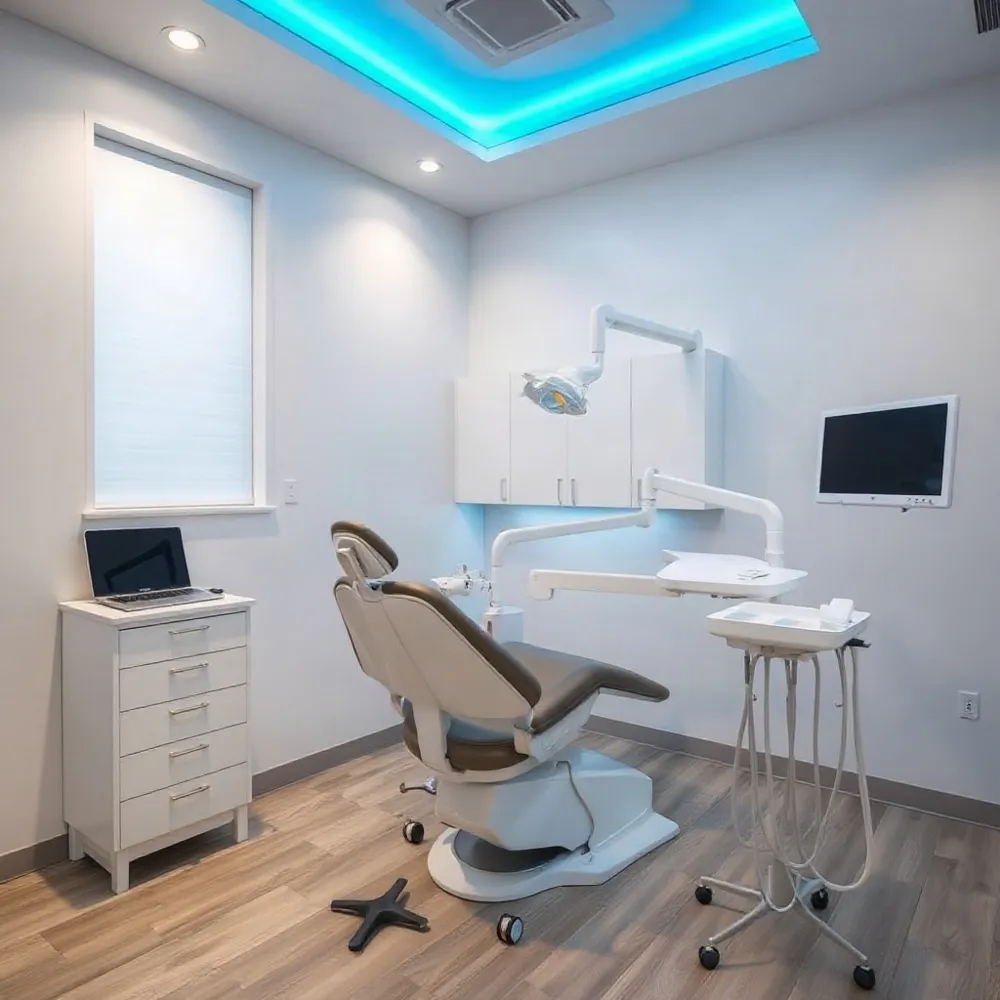 Braces work by applying steady, controlled pressure to shift your teeth into better alignment. That pressure does more than move the roots. It also compresses the periodontal ligament and temporarily changes blood flow around each tooth. The result is a natural, short-term inflammatory response that makes nerves more reactive. Add in enamel that is already thin or worn, and everyday triggers like cold water or a breath of air can suddenly feel sharp.
A 2022 review in the National Institutes of Health explains that sensitivity is a common complaint during orthodontic treatment, with causes ranging from enamel changes to gum recession and even tiny cracks in the tooth structure. For many people, the discomfort peaks in the first few days after each adjustment, when the force on the teeth is highest.
Common Sensitivity Triggers With Braces
- Cold foods and drinks, such as ice cream, iced water, or chilled smoothies
- Hot beverages like coffee or tea, especially when enamel is thin
- Sweet or acidic foods, including citrus fruits, soda, and candy
- Brushing too vigorously or using a hard-bristled toothbrush
- Gum irritation from brackets, wires, or poor flossing technique
If you are already prone to sensitivity before getting braces, treatment can make it more noticeable. That is why preparing your teeth before treatment starts with a comprehensive dental evaluation. Assessing enamel, gums, and existing sensitivity before brackets go on lets your dentist address weak spots early, so you are not surprised by discomfort later.
How Long Does the Sensitivity Last?
For most patients, sensitivity fades within a few days to a week after each adjustment. As your teeth settle into their new position, the periodontal ligament recovers and nerve reactivity drops back to normal. If the pain lingers beyond a week or feels constant rather than triggered, that is a sign to check in with your dentist. Persistent discomfort can point to enamel erosion, gum recession, or a bracket that is pressing too hard.
Managing sensitivity during orthodontic treatment is about using the right products and habits. Your dentist may recommend a sensitivity toothpaste, fluoride applications, or a softer brushing technique. For children and teens with asthma, rinsing the mouth after using an inhaler and waiting before brushing can reduce acid-related enamel wear. These small steps make a real difference in keeping your smile comfortable.
Modern Options for a More Comfortable Experience
Not all braces feel the same. Traditional metal brackets and wires can be bulkier and more irritating to sensitive gums. Clear aligners, like Invisalign, use smooth plastic trays that are gentler on soft tissue and often cause less discomfort during adjustments. At Best Choice Dental, we offer both options and help you choose the one that fits your sensitivity level, lifestyle, and treatment goals.
CEREC same-day crowns are another example of how modern technology reduces sensitivity-related stress. Because the crown is designed and milled in a single visit, your teeth remain protected throughout the process, lowering the risk of temperature-triggered pain while you wait. This means less time with temporary restorations and fewer chances for sensitivity to spike between appointments.
What You Can Do Right Now
If your teeth are already sensitive from braces, a few simple changes can bring quick relief. Switch to a toothpaste formulated for sensitive teeth, brush gently in small circles, and avoid very cold or very hot foods right after an adjustment. Fluoride rinses and gels can also help by strengthening enamel and blocking pain signals. For deeper protection, your dentist can apply professional fluoride varnish, which is especially helpful if sensitivity is severe.
Some people worry that sensitivity means something is wrong with their treatment. In most cases, it is simply part of the process. The key is knowing when to adjust your routine and when to reach out for help. At Best Choice Dental, we monitor your enamel and gums at every visit and can tailor your care plan to keep sensitivity under control, so your path to a straighter smile stays comfortable.
Everyday Tips to Manage Sensitivity
When you first get braces, your teeth are adjusting to new forces, and that transition often brings temporary tooth sensitivity. The brackets and wires place steady pressure on your teeth to guide them into better positions. That pressure irritates the nerve inside each tooth, which is why many patients notice a dull ache or sharp twinges when eating, drinking, or even brushing.
Common Causes of Sensitivity With Braces
Several factors make sensitive teeth more noticeable while you're in treatment. Understanding these triggers helps you manage discomfort and avoid unnecessary pain.
Pressure from wires. As your orthodontist tightens the archwire, the tooth's root presses against the surrounding bone and ligament. This pressure can make the tooth feel sore and sensitive for a few days after each adjustment. The sensation usually fades as your mouth adapts.
Enamel irritation. Brackets and bands sit on the enamel and trap plaque and food particles. Acids from plaque can slowly wear away the outer enamel layer, exposing the softer dentin underneath. That exposure makes teeth more reactive to hot, cold, sweet, or acidic foods.
Root exposure. In some cases, orthodontic movement can cause the gum line to recede slightly, exposing part of the root. The root doesn't have the protective enamel layer, so it becomes sensitive to temperature changes and touch. This type of sensitivity often feels sharper.
Dental work nearby. If you recently had fillings, crowns, or other restorations around your braces, the procedure itself can cause temporary sensitivity. The tooth may be more tender until the tissue and nerve settle down.
Managing sensitivity starts with daily habits. Use a soft-bristled brush and fluoride-rich, non-abrasive toothpaste, and avoid whitening toothpastes that can increase irritation. Rinsing with warm salt water after meals helps soothe tender gums, and rinsing after using an asthma inhaler can reduce acid exposure that contributes to enamel erosion.
Professional care plays a big role, too. At Best Choice Dental, our team often applies fluoride treatments or desensitizing agents to keep you comfortable during treatment, just as we do for patients dealing with tooth sensitivity with braces. We also check for issues like grinding or improper bite alignment that can worsen sensitivity.
How Long Does the Sensitivity Last?
For most patients, sensitivity peaks within the first few days after each wire adjustment and gradually fades over the following week. Mild discomfort that comes and goes during the entire treatment period is normal. If you experience sharp, constant pain, or sensitivity that doesn't ease with time, that's a sign to reach out to your dentist.
Persistent sensitivity can point to problems like a cracked tooth, a loose bracket, or decay forming around a bracket. These issues need professional attention, not just home remedies. Checking in with your provider ensures small problems don't turn into bigger ones.
| Symptom | Likely Cause | What Helps |
|---|---|---|
| Dull ache after tightening | Wire pressure on the tooth | Soft foods, warm salt rinse, over-the-counter pain reliever |
| Sharp twinge to hot or cold | Enamel wear or root exposure | Fluoride toothpaste, desensitizing gel, avoid acidic foods |
| Pain when brushing or flossing | Gum irritation or exposed root | Soft brush, gentle technique, fluoride rinse |
| Constant throbbing pain | Possible decay or cracked tooth | See your dentist for an exam |
Working with a team that understands orthodontic sensitivity makes the journey easier. Best Choice Dental combines gentle technique with advanced tools to keep your smile comfortable, and we tailor every treatment plan to your specific needs.
When to Seek Professional Help
Mild, temporary sensitivity is a normal part of orthodontic treatment, but certain warning signs mean it is time to stop waiting and schedule a professional evaluation. Persistent pain that does not fade after a few days, sharp discomfort when biting, or sensitivity that lingers long after eating or drinking all point to an underlying issue rather than routine adjustment soreness.
According to experts at Dillehay Orthodontics, sensitivity that persists beyond the first few days of a new wire or bracket placement deserves attention. Similarly, Dietrich Orthodontics notes that pain accompanied by visible swelling, gum redness, or a loose bracket is not something to brush off. These are signs of potential enamel erosion, gum irritation, or even an infection that requires prompt care.
At Best Choice Dental, we recommend a professional exam whenever sensitivity interferes with eating, speaking, or sleeping. Our team can identify whether the cause is a simple adjustment issue, a crack in the enamel, or a more serious condition like pulpitis. Early intervention not only relieves discomfort but also prevents small problems from becoming costly dental procedures later.
Red Flags You Should Never Ignore
- Sharp, shooting pain that lasts more than a few seconds after hot or cold stimuli
- Sensitivity that worsens at night or when lying down
- Visible swelling, pus, or a bad taste in the mouth
- A loose bracket, band, or wire that is poking or causing injury
- Pain when biting down or chewing, not just when pressure is applied to the bracket
If you experience any of these, do not try to wait it out. A prompt visit to your orthodontist or dentist can mean the difference between a simple tightening and a root canal. For everyday sensitivity triggers, products like a desensitizing toothpaste for braces can help, but they are not a substitute for professional evaluation.
| Symptom | Likely Cause | Recommended Action |
|---|---|---|
| Mild ache after tightening | Normal pressure from wire | Over-the-counter pain reliever, soft foods |
| Sharp pain to hot/cold | Enamel erosion or recession | Professional flouride treatment, sensitivity toothpaste |
| Swollen, bleeding gums | Gingivitis or trapped food | Improved hygiene, professional cleaning |
| Loose bracket or wire | Ligature failure or trauma | Schedule urgent orthodontist visit |
| Pain when biting | Tooth fracture or root issue | Immediate dental X-ray and exam |
Postponing care often makes the underlying problem worse. Many patients worry about the cost or time, but catching issues early is almost always cheaper and less invasive. At Best Choice Dental, we make emergency-style visits simple, with same-day appointments where possible, so you are not left suffering through the night.
Remember that your orthodontist and dentist are partners in your care. While Best Choice Dental provides expert evaluation and treatment for sensitivity, your orthodontist focuses on bracket and wire adjustments. Clear communication between both practices ensures your braces stay on track and your teeth remain healthy underneath.
Your Path to Comfortable Treatment
Sensitivity during orthodontic treatment is common because braces do more than straighten teeth; they move them. When forces are applied to the roots, the surrounding periodontal ligament stretches and compresses, triggering temporary inflammation. This is a normal healing response, but it often leads to sensitivity when biting, chewing, or brushing. For most patients, the discomfort peaks within the first day or two after an adjustment and fades as the tooth settles.
Beyond the movement itself, enamel changes contribute. Braces create small spaces where plaque and acids collect, which can weaken enamel and expose the softer dentin underneath. This is why sensitive teeth while wearing braces often feel sharp when exposed to cold air, cold drinks, or sweet foods. The same acidic environment also increases the risk of enamel erosion, especially if oral hygiene slips during treatment. Understanding what triggers your sensitivity helps you take targeted steps to avoid it.
Common Triggers to Watch For
- Cold foods and beverages like ice cream, iced water, or chilled fruit
- Hot drinks such as coffee or tea that reach exposed tooth surfaces
- Sweet or acidic foods, including candy, soda, and citrus
- Pressure when biting into hard foods like apples or crusty bread
- Overzealous brushing that irritates the gums or abrades enamel
These triggers are often predictable, which means you can plan around them. After an adjustment, it helps to eat softer foods for a couple of days and avoid extreme temperatures. On moderate days, you can still enjoy your normal diet, but paying attention to how your teeth respond lets you tailor your choices. Many patients find that cutting food into smaller pieces reduces pressure at the tooth root, making eating far more comfortable while the braces do their work.
When Sensitivity Signals a Bigger Problem
While mild sensitivity is expected, sharp, lasting, or throbbing pain can point to more serious issues, such as a loose bracket, a cracked tooth, or progressing enamel erosion. If sensitivity persists beyond a few days, worsens with time, or comes with visible changes like white spots on enamel, it is worth scheduling a checkup. Early intervention keeps small issues from turning into longer treatment delays. At Best Choice Dental, we monitor tooth sensitivity at each adjustment and recommend practical solutions, such as desensitizing toothpaste or fluoride applications, to keep you comfortable throughout your treatment.
| Sensitivity Type | Likely Cause | Comfort Tip |
|---|---|---|
| Cold or hot triggers | Enamel exposure or root pressure | Use desensitizing toothpaste |
| Biting or chewing pain | Freshly adjusted forces | Stick to soft foods for a few days |
| Acidic food reaction | Acid erosion of enamel | Rinse with water and wait before brushing |
| Gum tenderness | Irritation from brackets | Warm saltwater rinses |