
A Smile Built on Function and Confidence
When a tooth is damaged, decayed, or missing, the effects ripple far beyond your smile. Chewing becomes uncomfortable, speech can feel awkward, and you may find yourself hesitating to laugh or meet new people. Restorative dentistry directly addresses these issues by repairing or replacing teeth so your mouth works the way it should. The Cleveland Clinic explains that restorative care focuses on restoring both function and health, not just appearance.
At Best Choice Dental in Totowa, NJ, we see restorative treatment as a pathway to confidence and comfort. Our approach centers on your unique needs, using modern techniques to make each procedure as smooth and stress-free as possible. Whether you need a simple filling or a full crown, our goal is to help you eat, speak, and smile with ease.
More Than a Cosmetic Fix
Unlike purely cosmetic procedures, restorative dentistry aims to protect your long-term oral health. A decayed tooth left untreated can worsen, leading to more complex issues and even tooth loss. By addressing problems early, restorative care helps you avoid more extensive and costly treatments down the road. As Kaiser Permanente notes, this type of care repairs damage and helps prevent future problems.
For our patients in Totowa, this means a lasting solution, not a temporary patch. We take time to explain your options and work with you to create a plan that fits your lifestyle and budget. From CEREC same-day crowns to durable fillings, we combine precision with personal care to help you feel your best.
Function. Restorative work restores your ability to chew and speak naturally, so you can enjoy your favorite foods and communicate clearly without discomfort.
Confidence. A complete, healthy smile boosts your self-assurance in social and professional situations, letting you laugh and talk freely.
Health. By addressing decay and damage, restorative care prevents small issues from becoming major dental problems, supporting your overall well-being.
| Aspect | Cosmetic Dentistry | Restorative Dentistry |
|---|---|---|
| Primary Goal | Improve appearance of teeth | Repair or replace damaged teeth |
| Focus | Color, shape, alignment | Function, health, and durability |
| Typical Procedures | Whitening, veneers | Fillings, crowns, bridges, implants |
| Long-term Benefit | Aesthetic enhancement | Prevent further damage and tooth loss |
What Restorative Dentistry Really Is
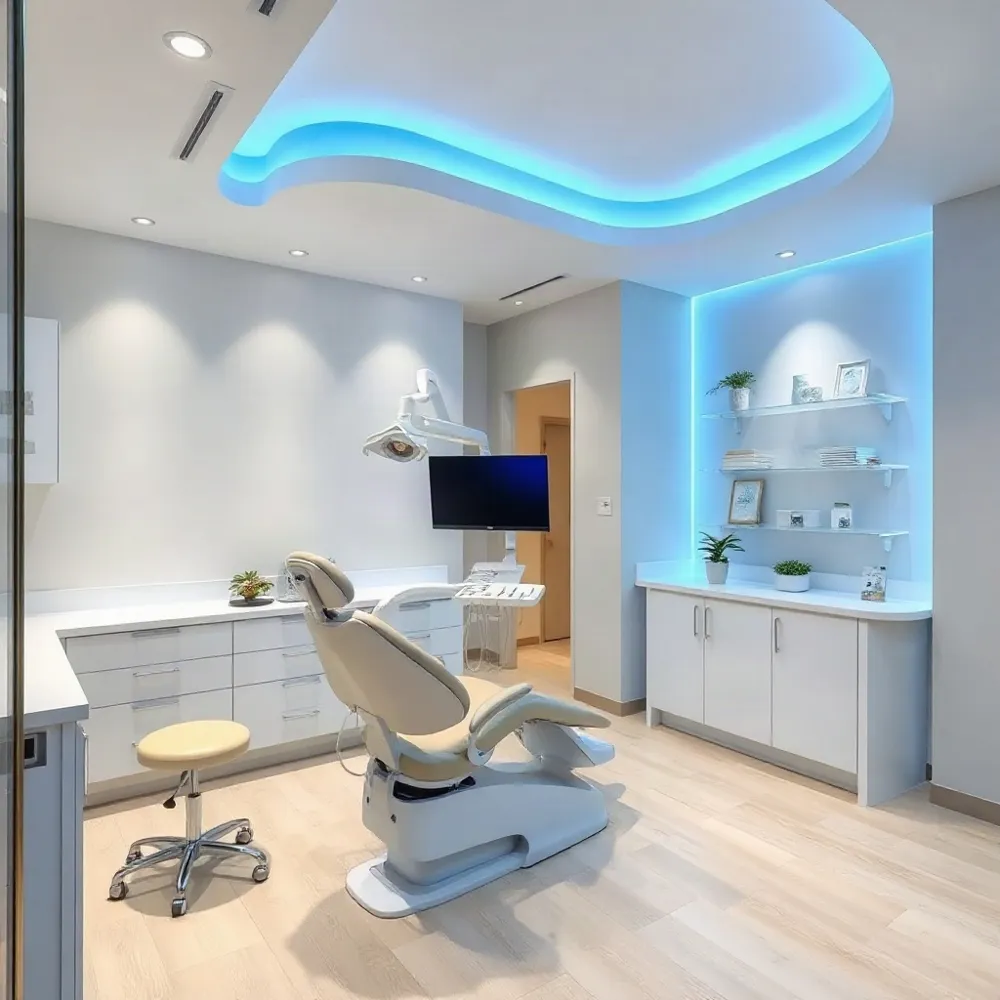 Restorative dentistry concentrates on repairing or replacing damaged, decayed, or missing teeth to restore function and prevent further oral health issues. When you visit a restorative dentist, the primary goal is to stabilize your bite, protect remaining natural teeth, and eliminate pain or discomfort. This approach prioritizes practical outcomes like chewing efficiency and structural integrity over purely cosmetic enhancement. For a deeper look, the Cleveland Clinic's guide to restorative dentistry explains the core procedures and their purposes.
While restorative work often involves aesthetic materials like tooth-colored fillings or crowns, the driving force is clinical necessity. Cosmetic dentistry, in contrast, focuses on improving the appearance of your smile through procedures like whitening, veneers, or bonding, which may not address underlying functional problems. A patient with a fractured tooth might need a crown to restore its shape and strength, whereas someone with discolored but healthy teeth might opt for professional bleaching. This distinction matters because effective treatment depends on diagnosing the root cause of your concern, whether it's pain, decay, or a visual imperfection.
At Best Choice Dental in Totowa, NJ, we often see patients who assume a cosmetic approach alone will solve their problem. During your initial exam, we assess both functional and aesthetic needs. If a tooth is cracked or worn, we'll likely recommend a restorative solution first to prevent further damage, then discuss any cosmetic enhancements that can improve the smile's appearance. This integrated, function-first philosophy is what separates restorative care from purely elective cosmetic treatments.
Scope of Treatment and Materials
Restorative procedures are broad and include fillings, inlays, onlays, crowns, bridges, implants, and full or partial dentures. Each is designed to replace lost tooth structure and restore function. For example, a filling repairs a small cavity, while a bridge replaces a missing tooth by anchoring to adjacent teeth. The choice of material impacts durability, aesthetics, and cost. Amalgam, composite resin, gold, and porcelain are common options, each with specific indications and trade-offs.
Cosmetic treatments, such as teeth whitening or enamel shaping, alter the appearance without necessarily addressing structural issues. However, many cosmetic procedures overlap with restorative techniques. Porcelain veneers, for instance, can hide a discolored or slightly chipped tooth while also providing a protective layer. The best approach often depends on the extent of damage and your personal goals. If you have healthy but stained teeth, whitening might be sufficient; if you have decay or wear, restorative intervention is needed first.
The Role of Diagnostics and Planning
Understanding the precise extent of damage is essential for choosing the right treatment. Restorative dentistry relies on thorough diagnostics, including digital X-rays, 3D scans, and intraoral cameras, to see what's happening below the surface. This detailed assessment helps avoid surprises during treatment and ensures the final restoration fits precisely and functions correctly. For example, if you have a deep cavity, we need to confirm the tooth's root is healthy before placing a crown.
This diagnostic rigor is a hallmark of standard restorative practice. Unlike a simple cosmetic consultation that focuses on smile appearance, restorative examinations evaluate your bite, jaw alignment, and the condition of existing dental work. At Best Choice Dental, we use advanced technology to map out your treatment plan, which can be a single-visit restoration with CEREC or a more complex case involving multiple restorations. Early detection through routine screenings, which you can learn more about in our guide on why routine screenings save teeth and money, often makes treatment simpler and more affordable.
Impact on Quality of Life
Because restorative care directly addresses tooth failure and pain, its impact on daily life is significant. Restoring your ability to chew properly can improve digestion and nutrition, while relieving discomfort makes it easier to speak and smile without self-consciousness. The Impact of Restorative Care on Your Quality of Life article highlights how addressing these issues can transform not just your oral health but your overall well-being, from confidence in social situations to the ability to enjoy your favorite foods.
Cosmetic dentistry, while valuable, often addresses a different aspect of that equation. A bright smile can boost self-esteem, but if you’re hiding pain behind closed lips, that aesthetic gain is superficial. Restorative work solves the underlying problem, so cosmetic procedures can then be applied on a foundation of health. For example, after a crown restores a fractured tooth, you might consider whitening to brighten surrounding teeth, but only after the structural issue is resolved.
The Bottom Line
In practice, many dental procedures blur the line between restorative and cosmetic. A well-planned treatment often combines both. For anyone unsure whether they need restorative care, cosmetic enhancement, or both, a comprehensive evaluation at Best Choice Dental will clarify your options. Our goal is to help you achieve a healthy, functional, and attractive smile. Curious about the technology behind our restorations? Read about the latest in CEREC crown technology or explore restorative dentistry options to renew your smile.
Procedures That Rebuild Your Smile
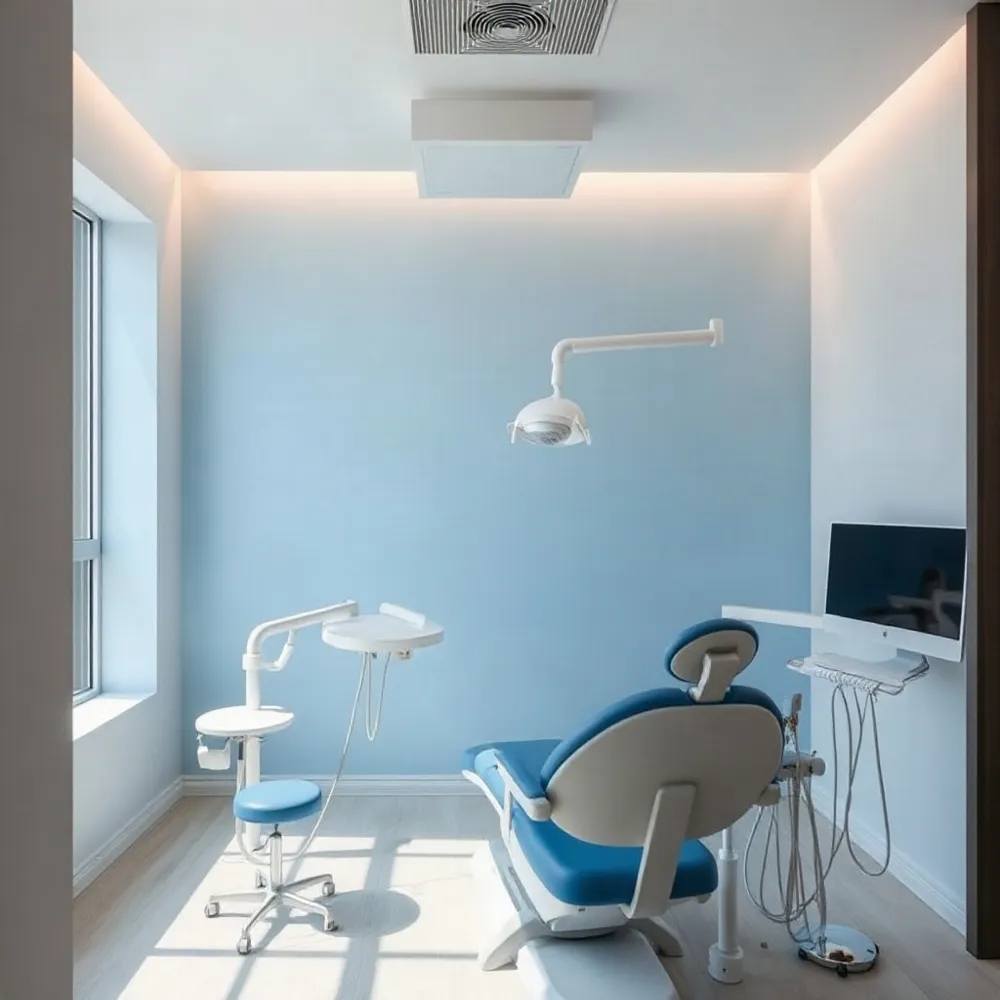 Restorative dentistry covers the procedures that bring damaged, decayed, or missing teeth back to full function. As Cleveland Clinic explains, the main goals are to restore essential tooth structure and keep your bite working properly. That definition matters because it separates restorative care from cosmetic work: the focus stays on health, chewing, and long-term stability. At Best Choice Dental, we apply this same definition to every treatment plan, making sure the foundation comes first.
- Fillings for cavities to end decay and protect the remaining tooth.
- Crowns that cap a weakened or cracked tooth while restoring its shape and size.
- Bridges that literally bridge a gap left by one or more missing teeth.
- Implants, which replace the root and provide a fixed anchor for a crown.
- Dentures for full or partial tooth replacement that rest on the gums.
Each option solves a different part of the problem. A filling can save a tooth that would otherwise need extraction. A crown keeps a fractured tooth from splitting further. A bridge or implant closes a space so nearby teeth don't drift and the bite stays balanced. Your dentist evaluates the extent of the damage, the health of the supporting bone, and your daily habits before recommending which path fits.
Common Procedures and What They Involve
Fillings top the list as the most routine restorative treatment. After the decay is removed, the dentist places a tooth-colored composite that blends with the surrounding enamel, so you get a functional repair without a visible metal line. Crowns come next in frequency and involve a custom-fitted cap that fits over the entire tooth. Kaiser Permanente’s guide points out that the material and design depend on which tooth is being restored and how much chewing force it endures.
Bridges and implants solve the bigger problem of a completely missing tooth. A traditional bridge is held in place by crowns on the adjacent teeth, filling the gap without surgery. An implant goes further by acting as a synthetic root that fuses with the jawbone. At Best Choice Dental, we routinely explain the difference between these two paths so patients can weigh the upfront cost against the long-term protection of the bone.
When several teeth are lost or badly decayed, dentures become the appropriate choice. Partial dentures replace a few teeth while clasping onto remaining ones, and full dentures replace an entire arch. All of these procedures share a common thread: they aim to restore masticatory function so you can eat, speak, and smile without discomfort or self-consciousness.
Why Function Drives Long-Term Oral Health
The value of restorative care goes beyond fixing a visible chip or gap. A missing tooth doesn't just change the way you smile; it can cause the surrounding teeth to shift, leading to bite problems, uneven wear, and even gum disease. When a tooth is lost, the jawbone beneath it begins to shrink because it no longer receives stimulation from chewing. This bone loss can change the shape of your face over time, a consequence that affects both function and appearance.
Restoring that tooth doesn't just fill a space; it re-establishes the chewing cycle that keeps your jaw joint healthy and prevents the remaining teeth from doing all the extra work. Cleveland Clinic also notes that patients who restore their teeth often report renewed confidence to eat the foods they enjoy and to smile openly in social situations. The physical and emotional benefits are hard to separate because they reinforce each other.
Overlaps With Cosmetic Dentistry
Restorative and cosmetic dentistry overlap more than you might expect. A veneer can mask a chipped tooth, but if that tooth also has decay, a filling is the restorative part of the treatment. Porcelain crowns serve a dual purpose: they provide strength while also improving the appearance of the tooth. At Best Choice Dental, we practice this dual-purpose approach routinely. We start with a comprehensive exam to identify any underlying functional issues before we ever discuss aesthetics, because a beautiful smile that doesn't last isn't a true success.
This patient-first sequence is a core difference between our practice and larger corporate dental chains. Where some offices rush straight to cosmetic treatments, we pair every restorative plan with a clear explanation of how it restores function, whether that's a CEREC crown that is milled on-site in a single visit or a traditional crown that requires a follow-up appointment. Competitors might offer the same basic procedures, but we'll always first tell you which tooth is damaged, why that specific restoration was chosen, and what it means for your bite long-term.
Procedures at a Glance
| Procedure | Typical Use | Function Restored |
|---|---|---|
| Filling | Small to medium cavities | Stops decay and seals the tooth |
| Crown | Weakened, cracked, or large-filling tooth | Holds the tooth together and restores bite force |
| Bridge | One or more missing teeth in a row | Closes the gap and prevents shifting |
| Implant | A single missing tooth or multiple teeth | Replaces the root and preserves jawbone |
| Denture | Multiple missing teeth or full arch | Restores chewing and speaking functions |
Understanding these categories puts you in control of your own care. When you know that a crown exists to protect a tooth that can't support a filling any longer, you can ask better questions during your consultation. The next time you sit in a dental chair, you'll recognize the name of each procedure and the specific job it's designed to do.
Taking the first step is simple. Contact us for a comprehensive evaluation and we'll walk you through which restorative option fits your situation, your timeline, and your budget.
Basic Care vs. Major Restoration
When restorative care is the topic, dental professionals often separate treatments into two broad categories: basic restorative care and major restorative procedures. Understanding the difference matters because it affects your treatment plan, the timeline, and what your insurance may cover. Let's break down what falls into each group so you know what to expect.
Basic restorative care. This is the everyday, first-line restorative work: fillings for cavities, minor repairs for chipped or cracked enamel, and early intervention to stop decay before it spreads. These procedures are relatively quick, often completed in a single visit, and focus on preserving as much of your natural tooth as possible.
Major restorative care. Major restorative work steps in when damage is significant or teeth are already missing. Think crowns, bridges, dentures, implants, and full-mouth reconstruction. These treatments usually require multiple appointments, custom fabrication, and a larger investment of time and money because they rebuild structure rather than just patch it.
Basic care is about halting problems early and keeping your smile stable. Routine check-ups let your dentist spot minor decay or enamel wear while treatment is still simple and affordable. Intervening at this stage often avoids the need for more complex major procedures later, which is why consistent preventive and basic restorative visits are so important.
Major restorative care, by contrast, is designed for situations where the tooth structure is too compromised for a filling. A crown, for example, protects a tooth that has lost significant structure, while a bridge or implant replaces a missing tooth entirely. These treatments are more involved, but they restore both function and confidence in a way that basic care cannot.
How Restorations Ease Pain and Prevent More Damage
 One of the most immediate and noticeable benefits of restorative care is the relief from persistent pain. Whether it's a shooting sensation when you bite down or a dull ache that lingers after a meal, the discomfort typically stems from decay, cracks, or exposed nerves. Restorative procedures directly address these sources of pain by removing the damaged tissue and sealing the tooth. The Cleveland Clinic notes that restorative dentistry repairs or replaces damaged teeth with the primary goal of restoring their function and appearance, which directly eases the discomfort caused by structural problems.
This pain relief has a ripple effect on daily life. When eating no longer hurts, you can return to a varied, nutritious diet without favoring one side of your mouth or skipping crunchy vegetables altogether. Chewing becomes comfortable again, and the simple act of enjoying a meal stops being something you dread. Restorative treatment that eliminates pain also helps you sleep better and focus during the day, free from the distraction of a throbbing tooth. For many patients, this prompt resolution of discomfort is the moment they realize how much their dental health had been holding them back.
Restoring Missing Teeth: Implants, Bridges, and Dentures
Choosing how to replace missing teeth comes down to two main paths: dental implants or dentures. Each restores your bite and your confidence, but they work in very different ways. Understanding the trade-offs helps you make a confident choice with your dentist.
How Dental Implants Work
A dental implant is a small titanium post that a dentist surgically places into your jawbone. Over a few months, the bone fuses with the post through a process called osseointegration, creating a stable foundation. Once healed, a custom crown, bridge, or denture attaches to the post. Because the implant replaces the root, it preserves jawbone density and provides a natural feel and appearance. For many patients, this makes implants the closest restoration to a natural tooth.
How Dentures Work
Dentures are removable appliances that replace some or all of the teeth. A full denture rests on the gums and replaces an entire arch, while a partial denture fills gaps when some teeth remain. They are custom-made to fit your mouth and can be taken out for cleaning and at night. Modern dentures look natural and are more affordable upfront, but they rest on the gums instead of the jawbone. That means over time, wearing a denture can accelerate jawbone shrinkage and affect your chewing ability and facial shape.
Key Differences at a Glance
The most important differences come down to stability, bone preservation, longevity, and cost.
Stability. Implents fuse with the jawbone, so they feel like natural teeth and stay firmly in place. Dentures rely on adhesive or suction and can shift or click while you eat or talk.
Bone health. Implants stimulate the jawbone, preventing bone loss. Dentures do not replace the root, so they can actually accelerate bone resorption over the years.
Longevity. With proper care, dental implants can last decades, often a lifetime. Dentures typically need replacement or relining every 5 to 10 years.
Cost. Implants cost more upfront, but they are a long-term investment. Dentures are more budget-friendly at the start but may require more maintenance and replacement over time.
Which One Is Right for You?
The answer depends on your oral health, your budget, and your long-term goals. Implants protect the jawbone and feel most natural, but they require surgery and adequate bone density. Dentures are less invasive and more affordable initially, making them a good option for some patients. At Best Choice Dental, our team evaluates your specific needs during a consultation. We explain the pros and cons of each approach and help you decide which option aligns with your lifestyle and smile goals.
Restorative dentistry focuses on repairing or replacing damaged or missing teeth to restore function and health. According to the Cleveland Clinic, a healthy smile supports your ability to eat well, speak clearly, and maintain overall confidence. Whether you lean toward implants or dentures, financing and payment plans are available to make the choice easier.
The Best Choice Dental Difference
At Best Choice Dental, we combine personalized care with advanced technology. Our restorative treatments are designed to be comfortable and long-lasting. We take time to answer your questions, show you clear options, and ensure you feel confident in your decision. Schedule a consultation today and discover how restorative care can improve your quality of life — one smile at a time.
Who Can Benefit From Restorative Dentistry?
Restorative dentistry becomes relevant when your teeth can no longer protect themselves or serve you properly. Problems like cavities, cracked enamel, worn-down surfaces, or missing teeth start as minor annoyances, but they can quickly progress into more serious issues affecting your bite, chewing, and even your overall health. Recognizing the signs early can help you avoid more extensive treatment later.
A good starting point is to understand the scope of restorative dentistry. Per the Cleveland Clinic, this field focuses on repairing or replacing damaged, decayed, or missing teeth to restore both form and function. If you are experiencing any of the following, restorative care might be right for you.
Cavities and Decay. The earliest sign that restorative intervention is needed is usually a cavity. When decay is caught small, a simple filling can stop the problem in its tracks. Regular screenings can identify these hidden areas before they cause pain or spread to the pulp.
Damaged or Broken Teeth. Whether from injury, grinding, or biting into something hard, a cracked or fractured tooth exposes the inner layers to bacteria. This can lead to sensitivity, pain, and eventual infection. Restorative procedures like crowns or inlays can protect the remaining structure, preserving your natural tooth for years to come.
Missing Teeth. Each missing tooth affects more than just your smile's appearance. It can shift neighboring teeth, alter your bite, and even cause bone loss in the jaw. Restorative dentistry options such as bridges, dentures, or dental implants fill the gap, restoring chewing function and preventing future dental problems.
Restorative Dentistry or Prosthodontics?
Restorative dentistry is the branch of care focused on repairing or replacing damaged, decayed, or missing teeth. According to the Cleveland Clinic, the goal is to restore both function and appearance, which directly supports your ability to chew comfortably, speak clearly, and smile with confidence. At Best Choice Dental, we apply these principles through a full range of restorative procedures tailored to your needs.
Common Procedures and Their Purpose
Restorative treatments fall into several categories, each designed for a specific situation. Fillings address small cavities, crowns protect weakened teeth, bridges fill single-tooth gaps, and dentures or implants replace multiple teeth. The Cleveland Clinic outlines that the right option depends on the extent of damage and your personal oral health goals.
- Fillings and crowns: repair decayed or chipped teeth and restore their shape
- Bridges and dentures: replace missing teeth to maintain alignment and function
- Tooth extraction: removes hopeless teeth to prevent further damage
When you face a more complex case, prosthodontics takes restorative care a step further. As described in this guide to restorative dentistry, prosthodontic procedures often require advanced planning for full-mouth rehabilitation or implant-supported restorations. Our team pairs that level of expertise with a focus on comfortable, personalized care for your whole family.
How Restorative Care Affects Your Quality of Life
Missing or broken teeth do more than affect appearance. They can make it hard to chew nutritious foods, causing you to avoid healthy options, and may shift your bite over time. Restorative dentistry addresses these issues by preserving natural tooth structure where possible and providing durable replacements where needed. The impact on overall health includes improved nutrition and reduced risk of further dental problems.
This is where Best Choice Dental stands out from general practices that might refer you elsewhere. Rather than sending you to an outside specialist, we offer restorative care in our Totowa office using advanced technology and same-day solutions. For example, our chairside CEREC crown technology creates a permanent ceramic crown in a single visit, so you leave with a functional, natural-looking tooth without a temporary.
What Sets Restorative Dentistry Apart
Scope. Restorative care focuses on repairing existing teeth, while prosthodontics also involves replacing entire arch or full-mouth structures. This distinction matters when you need more than a simple filling.
Approach. Restorative dentists prioritize preserving healthy tooth structure, whereas prosthodontists may recommend more extensive procedures like full dentures. Our team blends both approaches to find the least invasive path.
Coordination. A restorative dentist works alongside other providers for complex cases, while a prosthodontist often leads the overall treatment plan. At Best Choice Dental, we coordinate every step so you avoid disjointed care.
| Aspect | Restorative Dentistry | Prosthodontics |
|---|---|---|
| Focus | Repair existing teeth | Replace missing teeth |
| Typical treatments | Fillings, crowns, bridges | Dentures, implants, full-mouth rehab |
| Care setting | General dental practice | Often a specialty referral |
| Outcome | Restored function and appearance | Advanced reconstruction and planning |
Does Insurance Cover Restorative Care?
Restorative dentistry is the branch of dental care focused on repairing or replacing teeth that have been damaged, decayed, or lost. As the Cleveland Clinic explains, the goal is to restore both function and appearance so you can chew, speak, and smile with confidence. This field covers everything from a single filling to full-mouth rehabilitation, always with the aim of keeping your natural teeth healthy whenever possible.
At Best Choice Dental in Totowa, NJ, we take a comprehensive approach to restorative care. Rather than treating symptoms in isolation, we first understand how each tooth, gum, and bite works together. This lets us choose the most conservative treatment that preserves your natural tooth structure while providing lasting results.
The Scope of Restorative Treatments
Fillings. Directly repair cavities and minor damage using tooth-colored composite material, restoring strength and preventing further decay.
Crowns. Caps that fully cover a damaged tooth, protecting it from fracture and restoring its shape, size, and function.
Bridges. Replace one or more missing teeth by anchoring to adjacent natural teeth, maintaining your bite alignment and preventing shifting.
Implants. Surgical posts that replace the root of a missing tooth, offering a stable foundation for a crown, bridge, or denture.
Dentures. Removable replacements for multiple missing teeth, available as partial or complete sets to restore chewing function.
Inlays & Onlays. Indirect restorations that fit within or over the cusps of a tooth, used when a cavity is too large for a simple filling but too small for a crown.
Each of these procedures goes beyond cosmetic improvement. As the Kaiser Permanente encyclopedia notes, restorative care directly affects your ability to chew properly, which in turn influences digestion and overall nutrition. When missing or damaged teeth make eating painful, many people unconsciously avoid healthy foods like raw vegetables or firm fruits, leading to dietary gaps.
Modern restorative materials also blur the line between repair and natural appearance. Composite resins, porcelain, and zirconia are color-matched to your existing teeth and can be placed using techniques like CEREC same-day crowns, eliminating the need for temporary restorations and multiple appointments. This technology lets us design, mill, and place a permanent crown in a single visit.
Beyond the dentist's chair, restorative care affects your emotional well-being. Smiling, laughing, and speaking in public are all social interactions that become difficult when you're self-conscious about your teeth. Restoring your smile can improve self-esteem and reduce anxiety in social and professional settings. The positive impact on daily life is a recurring theme in patient success stories, which you can read more about on our restorative success stories page.
Why Choose Best Choice Dental for Restorative Care
At Best Choice Dental, we combine advanced technology with a patient-first philosophy. Our providers take time to explain each treatment option, including benefits, risks, and costs, so you can make an informed decision. We also offer flexible scheduling and transparent pricing, making restorative care more accessible.
| Procedure | Purpose | Typical Result |
|---|---|---|
| Filling | Repair decay | Restore tooth structure |
| Crown | Protect weak tooth | Full coverage & strength |
| Bridge | Replace one tooth | Stable bite function |
| Implant | Replace root | Permanent tooth replacement |
| Denture | Replace multiple teeth | Complete chewing ability |
Restorative dentistry should not be postponed. Early intervention on a cavity, a cracked tooth, or a missing tooth is far more conservative and cost-effective than waiting. As outlined in our article on preventive care and routine screenings, regular check-ups catch problems while they're small and easy to treat. Combined with timely restorative treatment, this approach keeps your smile healthy and functional for decades.
A Lasting Investment in Your Well-Being
Restorative work is an investment in your smile, and most patients want to know whether the benefits justify the time and cost. The honest answer is that it depends on your condition; when a tooth is damaged, decayed, or missing, the alternatives are often more expensive and more invasive down the road. For a clear breakdown of the procedures themselves, the Cleveland Clinic offers a reliable overview of restorative dentistry and its common treatments.
The value becomes concrete when you compare restorative care with the most likely alternative: doing nothing. Leaving a cavity untreated allows the decay to spread, which can turn a simple filling into a root canal and crown, or even an extraction and implant. For many patients, this is the difference between a preventive visit and an expensive, time-consuming treatment plan. A dentist can help you weigh the trade-off between the upfront cost of a filling or crown and the long-term expense of more complex procedures later.
There is also the quality-of-life angle. Restorative treatment is about more than aesthetics; it directly affects chewing function, nutrition, and even your confidence when you smile or speak. Research from Kaiser Permanente notes that restorative dentistry helps restore the natural form and function of your teeth, which supports daily comfort and overall health. When a tooth is painful or missing, simple acts like eating a crisp apple or laughing freely in public can become sources of stress. Restoration aims to remove that worry.
At Best Choice Dental of Totowa, we focus on treatments that fit your specific needs rather than a one-size-fits-all approach. With same-day CEREC technology, we can often deliver a crown in a single visit; you walk out with a fully restored tooth instead of a temporary and a second appointment. That convenience, paired with a transparent treatment plan and upfront pricing, is a core reason many Totowa families choose us for their restorative needs.
Whether you need a simple restoration or a full smile rebuild, the goal is to preserve as much healthy tooth structure as possible. A skilled team will explain your options clearly, help you prioritize based on your oral health and budget, and give you a clear roadmap so you know what to expect before any work begins. That clarity is part of what makes restorative care a worthwhile decision for many patients.